Cockroaches in South Carolina: Identification, Season & Prevention
Quick Answer: Yes, cockroaches are common across South Carolina, with 1,729 verified GBIF sightings recorded statewide. The American cockroach, German cockroach, and Virginia wood cockroach are the documented species, and activity peaks in May, June, July, and September. They are a nuisance pest rather than a dangerous one, and good sanitation and exclusion keep most homes free of them.
When Cockroaches Are Most Active in South Carolina
Now (November): Moderate ActivityVerified South Carolina Counties, Species & US Range
Counties with Verified Observations
- Spartanburg
- Richland
- Charleston
- Horry
- Greenville
- Beaufort
- Lexington
- Berkeley
- Kershaw
- Georgetown
Species Recorded in South Carolina
| Species | Scientific Name | GBIF Records |
|---|---|---|
| American Cockroach | Periplaneta americana | 209 |
| German Cockroach | Blattella germanica | 123 |
| Virginia wood cockroach | Parcoblatta virginica | 92 |
How South Carolina Compares to Neighboring States
Note: Wildlife does not follow state or county lines. GBIF totals reflect verified citizen and museum records, so low counts in a neighboring county do not guarantee absence.
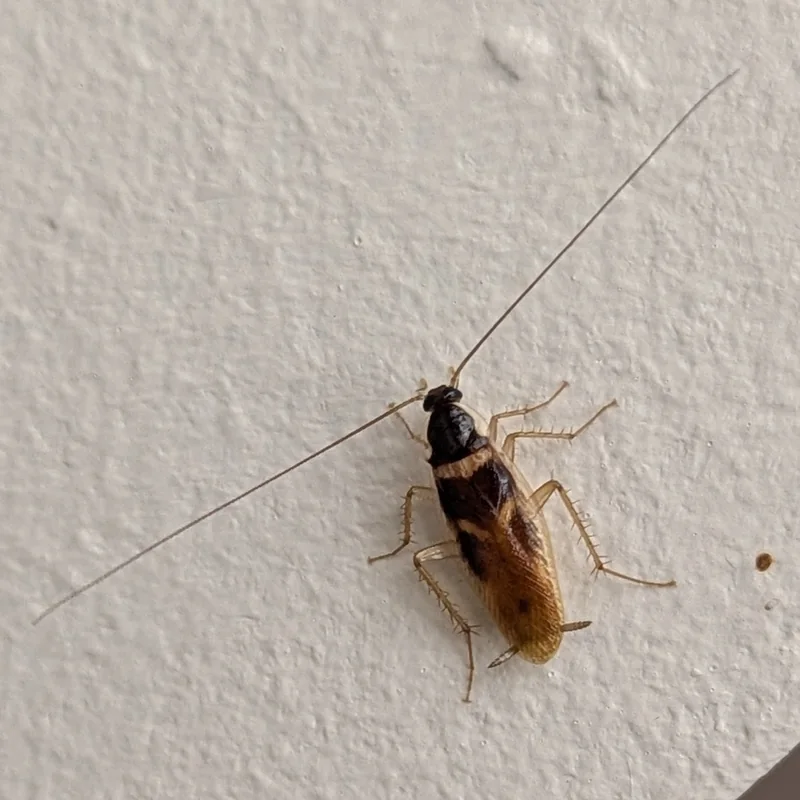
How to Identify Cockroaches
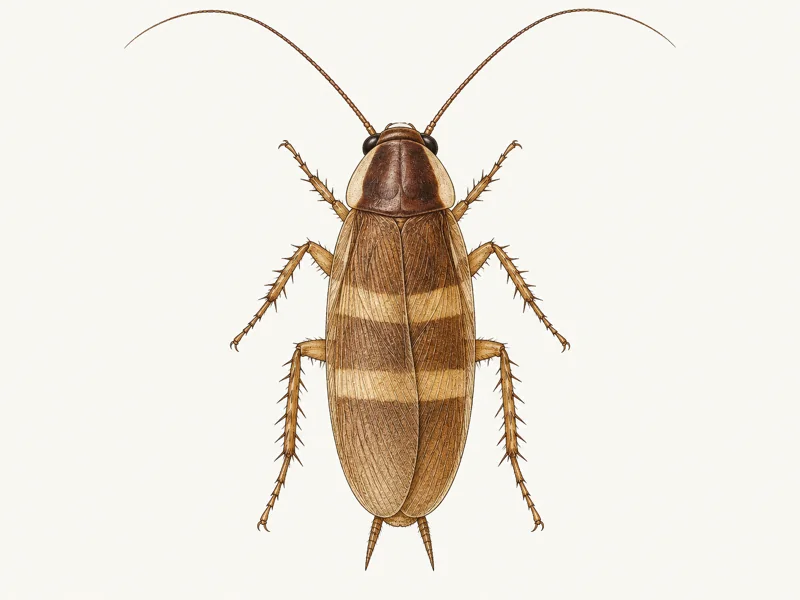
Annotated Anatomy Key (Cockroach)
- Long whip antennae: Thread-like filiform feelers sweeping wider than the entire body length.
- Pale-edged pronotum: Dark mahogany shield with translucent margins (lacks German roach's twin bars).
- Two pale wing bands: Unmistakable pair of light golden-tan bands crossing the tawny-brown folded wings.
- Spiny legs & cerci: Six bristled running legs and twin rear sensory cerci; prefers warm dry upper cabinets.
Cockroaches Field Checklist
- Flattened oval body with a shield-like pronotum partly covering the head
- Very long, whip-like antennae and spiny legs built for rapid running
- Two tail-like cerci protruding from the rear of the abdomen
- Nocturnal scavengers that trigger indoor asthma and contaminate food surfaces
Side-by-Side Look-Alike Comparisons
- Cockroach vs Water Bug
- Cockroach vs Palmetto Bug
- Bed Bug vs Cockroach
- Cockroach vs Earwig
- Cockroach vs Termite
- Cockroach vs Honey Bee
- Centipede vs Cockroach
- Cockroach vs Silverfish
- Cockroach vs German Cockroach
- Cockroach vs Wasp
- Cockroach vs Flea
- Camel Cricket vs Cockroach
- Carpet Beetle vs Cockroach
- American Cockroach vs Cockroach
- Cockroach vs Hornet
- Cockroach vs Tick
- Cockroach vs House Centipede
Cockroaches Size at True Relative Scale
Where Cockroaches Live in South Carolina
South Carolina's humid subtropical climate, with hot, muggy summers and mild coastal winters across USDA zones 7a to 9a, gives cockroaches ideal conditions for much of the year. Verified GBIF records cluster most heavily in Spartanburg, Richland, Charleston, Horry, and Greenville counties. These counties include the state's larger cities and coastal communities, where people and roaches overlap most.
Each recorded species prefers a different setting:
- American cockroach (Periplaneta americana): A large, reddish-brown roach up to about 1.5 to 2 inches long. It favors warm, damp places such as sewers, storm drains, crawl spaces, mulch beds, and basements, and often wanders indoors during heat or heavy rain.
- German cockroach (Blattella germanica): A small, tan roach about half an inch long with two dark stripes behind the head. It lives almost entirely indoors, especially in kitchens and bathrooms, and breeds quickly near food, water, and warmth.
- Virginia wood cockroach (Parcoblatta virginica): A small brown outdoor species found under bark, in leaf litter, and in woodpiles. It may stray inside near wooded lots but rarely establishes indoor populations.
When Cockroaches Are Most Active in South Carolina
South Carolina cockroach season runs strongest from late spring through early fall. GBIF sightings peak in May, June, July, and September, matching the hottest and most humid stretch of the year. Summer storms and flooding can push outdoor roaches like the American cockroach out of drains and into homes.
Activity slows in winter but rarely stops completely. German cockroaches breed indoors year-round regardless of the weather. Along the mild coast, outdoor species may stay active on warm winter nights as well.
Look-Alikes Frequently Mistaken for Cockroaches
Accurate South Carolina cockroach identification matters because treatment depends on the species. Many local names actually describe roaches themselves, which causes confusion:
- Palmetto bugs: A regional nickname, most often for the American cockroach. If someone calls a large flying brown insect a palmetto bug, it is almost certainly a cockroach.
- Water bugs: Often used for large roaches found near drains and damp areas, including American and Oriental cockroaches. True aquatic water bugs live in ponds and rarely enter homes.
- Oriental cockroaches: Dark, nearly black, shiny roaches about an inch long that prefer cool, wet spots like basements and drains.
- German cockroaches: Small and fast, these are sometimes mistaken for young American cockroaches. The two dark stripes behind the head are the key mark.
- American cockroaches: Large and reddish-brown with a pale, yellowish band around the shield behind the head.
How to Keep Cockroaches Out of Your South Carolina Home
Integrated Pest Management (IPM), as recommended by university cooperative extension programs, starts with non-chemical steps. Removing food, water, and shelter does more than any spray. Here is how to prevent cockroaches in South Carolina homes:
Sanitation
- Wipe up crumbs and grease daily, and do not leave dishes in the sink overnight.
- Store food, including pet food, in sealed containers.
- Take out garbage often and use lidded trash cans.
Moisture Control
- Fix leaky faucets, pipes, and AC condensate lines.
- Run dehumidifiers in crawl spaces and basements during humid months.
- Keep gutters clear and direct downspouts away from the foundation.
Exclusion
- Seal gaps around pipes, wires, and vents with caulk or copper mesh.
- Install door sweeps and repair torn window screens.
- Keep mulch, firewood, and leaf litter a few feet from exterior walls.
- Use drain covers and keep floor drains filled with water.
If roaches persist, gel baits and bait stations placed in cracks are generally preferred over broad sprays, especially for German cockroaches. Always read and follow the EPA product label exactly.
When to Call a Licensed Professional
Contact a licensed South Carolina pest control professional if you notice:
- German cockroaches seen during daylight, which often signals a heavy infestation.
- Droppings, egg cases, or a musty odor in cabinets and appliances.
- Roaches returning after several weeks of consistent sanitation and baiting.
- Activity in multi-unit buildings where roaches spread between apartments.
IPM Prevention Checklist for South Carolina Homes
- Store all pantry foods in airtight glass/plastic containers and never leave dirty dishes overnight
- Fix leaking under-sink traps and dry wet counters/pet bowls before bed
- Seal gaps around plumbing pipes, baseboards, and exterior door sweeps
 EXCLUSION BLUEPRINT
Inspect eaves, screens, door sweeps, foundation cracks, and utility penetrations around South Carolina homes before peak season.
Cockroaches in South Carolina: Frequently Asked Questions
Are there cockroaches in South Carolina?
Yes. Cockroaches are common statewide, with 1,729 verified GBIF sightings. Recorded species include the American, German, and Virginia wood cockroach.
What is a palmetto bug in South Carolina?
Palmetto bug is a local nickname, usually for the American cockroach. It is a large, reddish-brown roach that lives outdoors but often enters homes.
When is cockroach season in South Carolina?
Activity peaks in May, June, July, and September. German cockroaches remain active indoors all year.
Are South Carolina cockroaches dangerous?
They are rated a nuisance pest and do not bite or sting people in normal circumstances. They can contaminate food and surfaces, so sanitation and prompt control are still worthwhile.
Sources & Verification
Data refreshed · Editorial & GBIF Methodology