Cockroaches in North Carolina: Identification, Season and Prevention
Quick Answer: Yes, cockroaches in North Carolina are common, with 2,638 verified GBIF sightings recorded across the state. Activity peaks in June, August, September, and October. The most frequently documented species include the American cockroach and the native pale-bordered field cockroach. These insects are a nuisance pest rather than a dangerous one, and most infestations respond well to sanitation, moisture control, and sealing entry points.
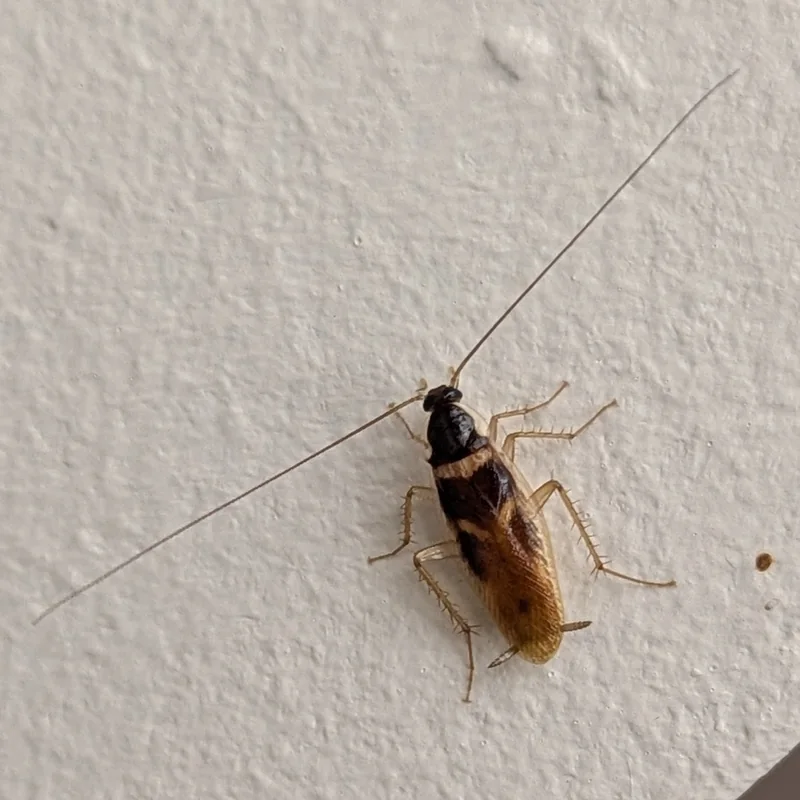
When Cockroaches Are Most Active in North Carolina
Now (November): Lower Outdoor ActivityVerified North Carolina Counties, Species & US Range
Counties with Verified Observations
- Orange
- Mecklenburg
- Guilford
- Forsyth
- Wake
- Iredell
- New Hanover
- Onslow
- Avery
- Alamance
Species Recorded in North Carolina
| Species | Scientific Name | GBIF Records |
|---|---|---|
| American Cockroach | Periplaneta americana | 664 |
| pale-bordered field cockroach | Pseudomops septentrionalis | 147 |
| Eastern Subterranean Termite | Reticulitermes flavipes | 62 |
How North Carolina Compares to Neighboring States
Note: Wildlife does not follow state or county lines. GBIF totals reflect verified citizen and museum records, so low counts in a neighboring county do not guarantee absence.
How to Identify Cockroaches
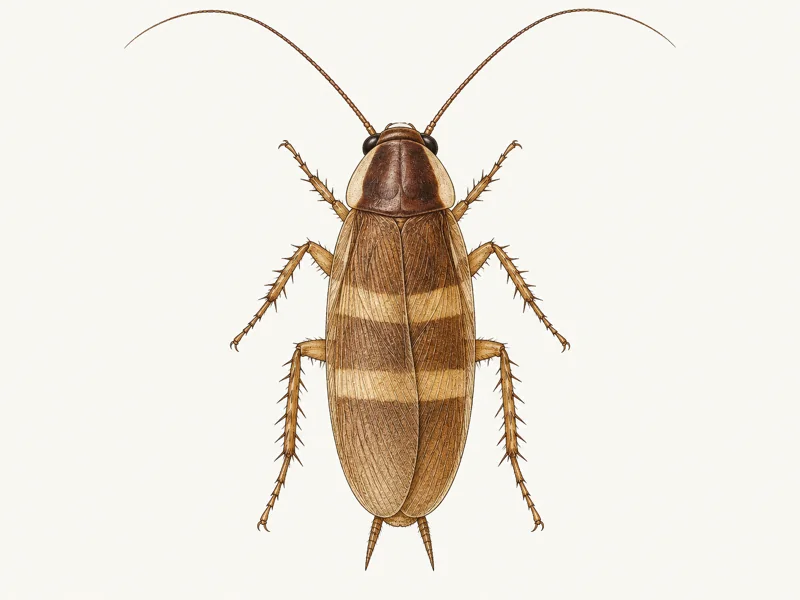
Annotated Anatomy Key (Cockroach)
- Long whip antennae: Thread-like filiform feelers sweeping wider than the entire body length.
- Pale-edged pronotum: Dark mahogany shield with translucent margins (lacks German roach's twin bars).
- Two pale wing bands: Unmistakable pair of light golden-tan bands crossing the tawny-brown folded wings.
- Spiny legs & cerci: Six bristled running legs and twin rear sensory cerci; prefers warm dry upper cabinets.
Cockroaches Field Checklist
- Flattened oval body with a shield-like pronotum partly covering the head
- Very long, whip-like antennae and spiny legs built for rapid running
- Two tail-like cerci protruding from the rear of the abdomen
- Nocturnal scavengers that trigger indoor asthma and contaminate food surfaces
Side-by-Side Look-Alike Comparisons
- Cockroach vs Water Bug
- Cockroach vs Palmetto Bug
- Bed Bug vs Cockroach
- Cockroach vs Earwig
- Cockroach vs Termite
- Cockroach vs Honey Bee
- Centipede vs Cockroach
- Cockroach vs Silverfish
- Cockroach vs German Cockroach
- Cockroach vs Wasp
- Cockroach vs Flea
- Camel Cricket vs Cockroach
- Carpet Beetle vs Cockroach
- American Cockroach vs Cockroach
- Cockroach vs Hornet
- Cockroach vs Tick
- Cockroach vs House Centipede
Cockroaches Size at True Relative Scale
Where Cockroaches Live in North Carolina
North Carolina's humid subtropical climate across the coastal plain and piedmont gives cockroaches warm, damp conditions year-round. The cooler Blue Ridge mountains still support populations, especially indoors and around heated buildings. The state spans USDA hardiness zones 6a through 8b, so outdoor activity tends to run longer in the east than in the west.
GBIF records show the most verified sightings in these counties:
- Orange County
- Mecklenburg County
- Guilford County
- Forsyth County
- Wake County
These counties include major population centers like Charlotte, Raleigh, Greensboro, Winston-Salem, and Chapel Hill. Higher sighting counts there partly reflect where more people live and report insects, not only where cockroaches are most abundant.
Species Recorded in the State
The American cockroach (Periplaneta americana) is a large, reddish-brown roach that favors sewers, crawl spaces, basements, and mulch beds. It often wanders indoors through drains and gaps. The pale-bordered field cockroach (Pseudomops septentrionalis) is a small, native outdoor species found in leaf litter and vegetation, and it rarely becomes a household problem.
GBIF data for this group also includes the Eastern subterranean termite (Reticulitermes flavipes). Termites are now classified within the cockroach order Blattodea, but they behave very differently and damage wood rather than scavenging food. If you see winged swarmers or mud tubes, treat that as a termite issue, not a roach problem.
When Cockroaches Are Most Active in North Carolina
The north carolina cockroach season peaks in June, August, September, and October, based on verified sighting records. Hot, humid summer weather drives outdoor species to roam and breed. Heavy rain can flood outdoor harborage and push roaches into homes.
Late summer and early fall sightings often rise as roaches seek shelter before cooler nights arrive. Indoor species can stay active all winter in heated homes, so cold weather alone will not end an infestation. Homeowners in the mountains may notice a shorter outdoor season but similar indoor problems.
Look-Alikes Frequently Mistaken for Cockroaches
Good north carolina cockroach identification starts with sorting out common names, since several terms refer to the same insects. These look-alikes and nicknames come up often in the state:
- Palmetto bugs: A Southern nickname usually applied to the American cockroach and other large outdoor roaches. They are cockroaches, not a separate pest.
- Water bugs: Often used loosely for large roaches found near drains and damp areas, especially American and Oriental cockroaches. True giant water bugs are aquatic insects with grasping front legs and live in ponds, not kitchens.
- German cockroaches: Small, light brown, with two dark stripes behind the head. They live almost entirely indoors, breed quickly, and cluster in kitchens and bathrooms.
- American cockroaches: Up to about 1.5 inches long, reddish-brown, with a pale band around the shield behind the head. Adults have full wings and can glide.
- Oriental cockroaches: Dark brown to nearly black, sluggish, and fond of cool, damp basements and drains. Females have only short wing pads.
Size, color, and where you find the insect are the best clues. A small roach seen in daylight in the kitchen often signals a German cockroach problem that needs prompt attention.
How to Keep Cockroaches Out of Your North Carolina Home
Knowing how to prevent cockroaches in North Carolina comes down to removing food, water, and shelter. Integrated Pest Management (IPM), as recommended by university cooperative extension programs, puts non-chemical steps first.
Exclusion
- Seal cracks around pipes, wires, and foundations with caulk or copper mesh.
- Install door sweeps and repair torn window screens.
- Keep drain covers in place and run water in seldom-used drains.
Sanitation
- Store food in sealed containers and wipe up crumbs nightly.
- Empty trash often and keep outdoor bins closed.
- Reduce clutter such as cardboard boxes and paper bags.
Moisture Control
- Fix leaky faucets and pipes promptly.
- Run a dehumidifier in basements and ventilate crawl spaces.
- Pull mulch and leaf litter a foot or more back from the foundation.
If you choose baits, gels, or other products, use them only after these steps and always follow the EPA product label exactly. Baits placed in cracks generally work better than broad sprays.
When to Call a Professional
Contact a licensed North Carolina pest professional if you see any of these signs:
- Roaches visible during the day, which suggests a large population.
- German cockroaches that persist after several weeks of IPM efforts.
- Egg cases, droppings, or a musty odor in multiple rooms.
- Mud tubes or winged swarmers that may indicate termites.
IPM Prevention Checklist for North Carolina Homes
- Store all pantry foods in airtight glass/plastic containers and never leave dirty dishes overnight
- Fix leaking under-sink traps and dry wet counters/pet bowls before bed
- Seal gaps around plumbing pipes, baseboards, and exterior door sweeps
 EXCLUSION BLUEPRINT
Inspect eaves, screens, door sweeps, foundation cracks, and utility penetrations around North Carolina homes before peak season.
Cockroaches in North Carolina: Frequently Asked Questions
Are there cockroaches in North Carolina year-round?
Yes. Outdoor activity peaks in June, August, September, and October, but indoor species stay active through winter in heated homes.
Are palmetto bugs and cockroaches the same in North Carolina?
Yes. "Palmetto bug" is a regional nickname, most often for the American cockroach.
Are cockroaches in North Carolina dangerous?
They are considered a nuisance pest. They can contaminate food and surfaces, so cleanliness and prompt control matter, but they do not bite or sting people in any meaningful way.
Which North Carolina counties report the most cockroaches?
GBIF records list Orange, Mecklenburg, Guilford, Forsyth, and Wake counties as having the most verified sightings.
Sources & Verification
Data refreshed · Editorial & GBIF Methodology