Cockroaches in Arkansas: Species, Seasons, and Prevention
Quick Answer: Yes, there are cockroaches in Arkansas, and they are common statewide. GBIF records include 396 verified sightings, with the most reports from Pulaski, Washington, Benton, Arkansas, and Sebastian counties. They are a nuisance pest rather than a danger, and most problems can be solved with sanitation, moisture control, and sealing entry points.
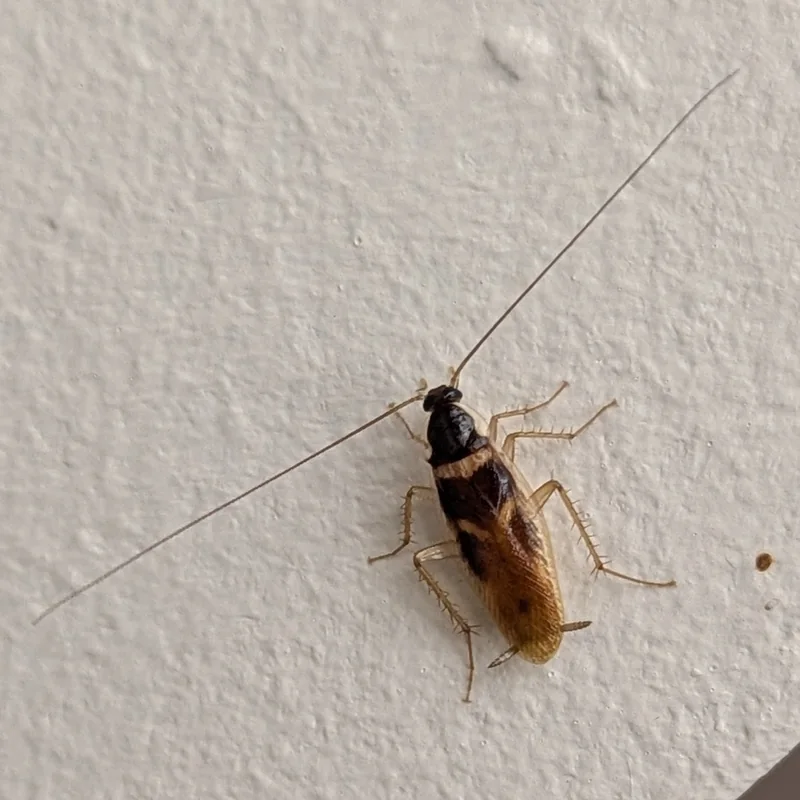
When Cockroaches Are Most Active in Arkansas
Now (November): Lower Outdoor ActivityVerified Arkansas Counties, Species & US Range
Counties with Verified Observations
- Pulaski
- Washington
- Benton
- Arkansas
- Sebastian
- Garland
- Faulkner
- Boone
- Cross
- Carroll
Species Recorded in Arkansas
| Species | Scientific Name | GBIF Records |
|---|---|---|
| pale-bordered field cockroach | Pseudomops septentrionalis | 122 |
| American Cockroach | Periplaneta americana | 43 |
| Common Cockroach | Blatta orientalis | 28 |
How Arkansas Compares to Neighboring States
Note: Wildlife does not follow state or county lines. GBIF totals reflect verified citizen and museum records, so low counts in a neighboring county do not guarantee absence.
How to Identify Cockroaches
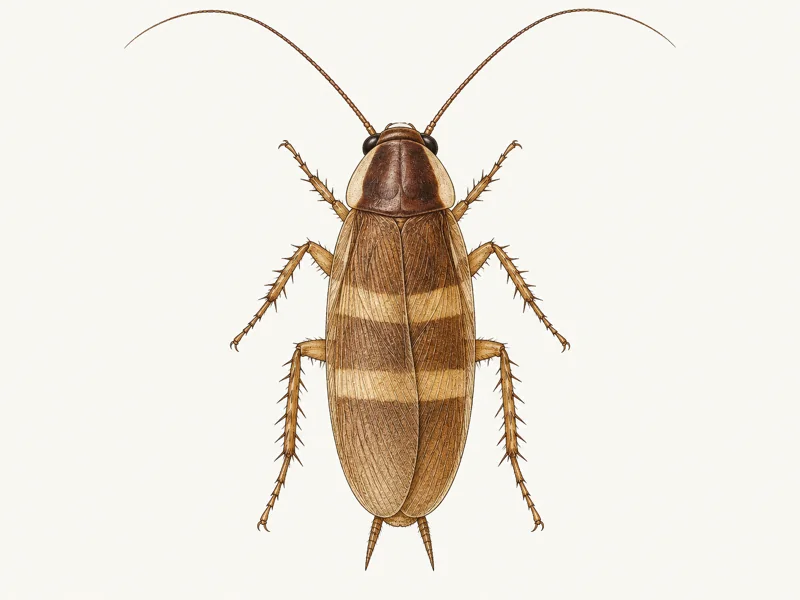
Annotated Anatomy Key (Cockroach)
- Long whip antennae: Thread-like filiform feelers sweeping wider than the entire body length.
- Pale-edged pronotum: Dark mahogany shield with translucent margins (lacks German roach's twin bars).
- Two pale wing bands: Unmistakable pair of light golden-tan bands crossing the tawny-brown folded wings.
- Spiny legs & cerci: Six bristled running legs and twin rear sensory cerci; prefers warm dry upper cabinets.
Cockroaches Field Checklist
- Flattened oval body with a shield-like pronotum partly covering the head
- Very long, whip-like antennae and spiny legs built for rapid running
- Two tail-like cerci protruding from the rear of the abdomen
- Nocturnal scavengers that trigger indoor asthma and contaminate food surfaces
Side-by-Side Look-Alike Comparisons
- Cockroach vs Water Bug
- Cockroach vs Palmetto Bug
- Bed Bug vs Cockroach
- Cockroach vs Earwig
- Cockroach vs Termite
- Cockroach vs Honey Bee
- Centipede vs Cockroach
- Cockroach vs Silverfish
- Cockroach vs German Cockroach
- Cockroach vs Wasp
- Cockroach vs Flea
- Camel Cricket vs Cockroach
- Carpet Beetle vs Cockroach
- American Cockroach vs Cockroach
- Cockroach vs Hornet
- Cockroach vs Tick
- Cockroach vs House Centipede
Cockroaches Size at True Relative Scale
Where Cockroaches Live in Arkansas
Arkansas has a humid subtropical climate with hot, muggy summers and mild, damp winters (USDA zones 6b to 8b). That moisture and warmth suit cockroaches well. GBIF occurrence records for the state include three species: the American cockroach (Periplaneta americana), the common or Oriental cockroach (Blatta orientalis), and the pale-bordered field cockroach (Pseudomops septentrionalis).
Each species favors different spots:
- American cockroach: large, reddish-brown, with a yellowish band behind the head. It lives in sewers, drains, mulch beds, crawl spaces, and damp basements.
- Oriental cockroach: dark brown to nearly black and glossy. It prefers cool, damp places such as water meter boxes, leaf litter, and under porches.
- Pale-bordered field cockroach: a small, outdoor species found in vegetation and brush. It occasionally wanders indoors but rarely infests homes.
The county pattern in the records reflects population centers and active observers as much as true abundance. Cockroaches should be expected in homes anywhere in the state.
When Cockroaches Are Most Active in Arkansas
The Arkansas cockroach season peaks in June and July, according to GBIF sighting dates. Heat and humidity push outdoor species to forage more widely, and they often move indoors during heavy rain or dry spells in search of water.
Activity falls in cooler months, but indoor populations can persist all year. Cockroaches are mostly nocturnal, so seeing one in daylight can suggest a crowded hiding place. Check kitchens, bathrooms, and utility rooms after dark with a flashlight.
Look-Alikes Frequently Mistaken for Cockroaches
Arkansas cockroach identification starts with size, color, and location. Several insects and related species cause confusion:
- Water bugs: a common name often applied to large cockroaches, especially American and Oriental cockroaches. True aquatic water bugs live in ponds and are not household pests.
- German cockroaches: small, tan, with two dark stripes behind the head. They stay indoors near kitchens and bathrooms and reproduce quickly.
- American cockroaches: the largest of the group, often noticed in garages, basements, and around drains.
- Oriental cockroaches: shiny, dark, and slow-moving, often found near damp ground-level areas.
Correct identification matters because it guides where to look. A German cockroach points to an indoor food and moisture problem. An American or Oriental cockroach usually points to outdoor entry through gaps, drains, or crawl spaces.
How to Keep Cockroaches Out of Your Arkansas Home
For anyone wondering how to prevent cockroaches in Arkansas, the best approach is integrated pest management (IPM). Start with non-chemical steps, which are the foundation of guidance from US university cooperative extension programs.
Sanitation
- Wipe counters and sweep floors nightly, especially around stoves and sinks.
- Store food, including pet food, in sealed containers.
- Take out trash regularly and use lidded bins.
- Clean grease buildup behind appliances.
Moisture Control
- Fix leaky faucets and pipes under sinks.
- Run a dehumidifier in damp basements and crawl spaces.
- Direct gutters and downspouts away from the foundation.
Exclusion
- Seal gaps around pipes, utility lines, and foundation cracks with caulk.
- Install door sweeps and repair damaged screens.
- Keep mulch, firewood, and leaf piles a few inches to a foot away from the house.
- Screen or cover floor drains.
Baits and Products
If sanitation and exclusion are not enough, gel baits and bait stations are generally preferred over broad sprays. Always read and follow the EPA-registered product label, and keep products away from children and pets.
When to Call a Licensed Arkansas Pest Professional
- You see cockroaches during the day or in large numbers.
- You find small, tan German cockroaches or egg cases (oothecae) in multiple rooms.
- Do-it-yourself efforts fail after a few weeks.
- Roaches keep returning from walls, crawl spaces, or sewer connections.
Cockroach droppings and shed skins can aggravate allergies and asthma in some people. For health concerns, talk with a doctor. For accidental ingestion of pesticide products, contact US Poison Control at 1-800-222-1222.
IPM Prevention Checklist for Arkansas Homes
- Store all pantry foods in airtight glass/plastic containers and never leave dirty dishes overnight
- Fix leaking under-sink traps and dry wet counters/pet bowls before bed
- Seal gaps around plumbing pipes, baseboards, and exterior door sweeps
 EXCLUSION BLUEPRINT
Inspect eaves, screens, door sweeps, foundation cracks, and utility penetrations around Arkansas homes before peak season.
Cockroaches in Arkansas: Frequently Asked Questions
Are there cockroaches in Arkansas?
Yes. GBIF has 396 verified sightings, including American, Oriental, and pale-bordered field cockroaches. They are considered common across the state.
When are cockroaches most active in Arkansas?
Sightings peak in June and July, when heat and humidity are highest. Indoor infestations can continue year-round.
Are Arkansas cockroaches dangerous?
They are classed as a nuisance. They do not sting, but they can contaminate food and worsen allergies or asthma for some people.
Is a water bug the same as a cockroach?
Often, yes. In Arkansas, "water bug" is commonly used for large American or Oriental cockroaches. True aquatic water bugs live in ponds and streams.
Sources & Verification
Data refreshed · Editorial & GBIF Methodology