Fire Ants in South Carolina: Identification, Season, and Prevention
Quick Answer: Yes, there are fire ants in South Carolina, and they are common across the state. The red imported fire ant (Solenopsis invicta) accounts for 722 verified GBIF sightings, with activity peaking from March through June. Homeowners can reduce problems by recognizing mounds early and following non-chemical prevention steps first.
When Fire Ants Are Most Active in South Carolina
Now (November): Moderate ActivityVerified South Carolina Counties, Species & US Range
Counties with Verified Observations
- Horry
- Richland
- Berkeley
- Georgetown
- Spartanburg
- York
- Lexington
- Florence
- Greenville
- Clarendon
Species Recorded in South Carolina
| Species | Scientific Name | GBIF Records |
|---|---|---|
| Red imported fire ant | Solenopsis invicta | 722 |
How South Carolina Compares to Neighboring States
Note: Wildlife does not follow state or county lines. GBIF totals reflect verified citizen and museum records, so low counts in a neighboring county do not guarantee absence.
How to Identify Fire Ants
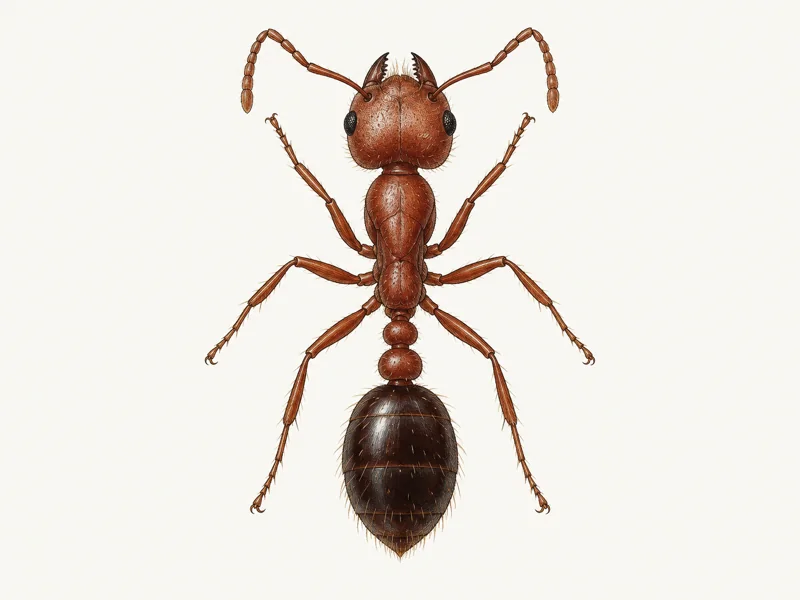
Annotated Anatomy Key (Fire Ant)
- Elbowed antennae: Sharply bent (elbowed) antennae ending in a 2-segmented club—key difference from termites.
- Copper-red thorax: Reddish-brown head and thorax contrasting against the darker abdomen; polymorphic worker sizes.
- Two waist nodes: Two distinct small bead-like segments (petiole + postpetiole) pinching the narrow waist.
- Dark glossy abdomen: Shiny dark brown-black gaster equipped with a painful venomous stinger at the rear tip.
Fire Ants Field Checklist
- Reddish-brown head and thorax with a darker shiny brown-black abdomen
- Workers vary noticeably in size within the same mound (polymorphic)
- Two distinct nodes (petiole segments) between thorax and abdomen
- Builds loose, dome-shaped dirt mounds without a visible central entry hole
Side-by-Side Look-Alike Comparisons
Fire Ants Size at True Relative Scale
Where Fire Ants Live in South Carolina
South Carolina's humid subtropical climate, with hot, muggy summers and mild coastal winters (USDA zones 7a-9a), suits red imported fire ants well. They build dome-shaped soil mounds in sunny, open areas such as lawns, pastures, roadsides, playgrounds, and the edges of driveways and sidewalks.
Verified GBIF occurrence records show the most sightings in these counties:
- Horry County, including the Myrtle Beach area
- Richland County, around Columbia
- Berkeley County, in the Charleston metro region
- Georgetown County, along the coast
- Spartanburg County, in the Upstate
The spread from the coast to the Upstate shows that fire ants are a statewide concern, not just a Lowcountry issue. Mounds often appear after heavy rain, when colonies rebuild above saturated soil.
When Fire Ants Are Most Active in South Carolina
South Carolina fire ant season runs strongest from March through June, the peak months in GBIF records. Warming soil in early spring brings colonies to the surface, and mound building, foraging, and mating flights pick up quickly.
Fire ants stay active through the hot summer and into fall, though they may forage mostly in cooler morning and evening hours during midsummer heat. In mild coastal winters, colonies rarely go fully dormant and may still respond if a mound is disturbed on a warm day.
Why Spring Matters
Many cooperative extension IPM programs suggest treating in spring and fall, when ants actively forage and readily accept baits. Watching for new mounds in March and April gives homeowners a head start before peak season.
Look-Alikes Frequently Mistaken for Fire Ants
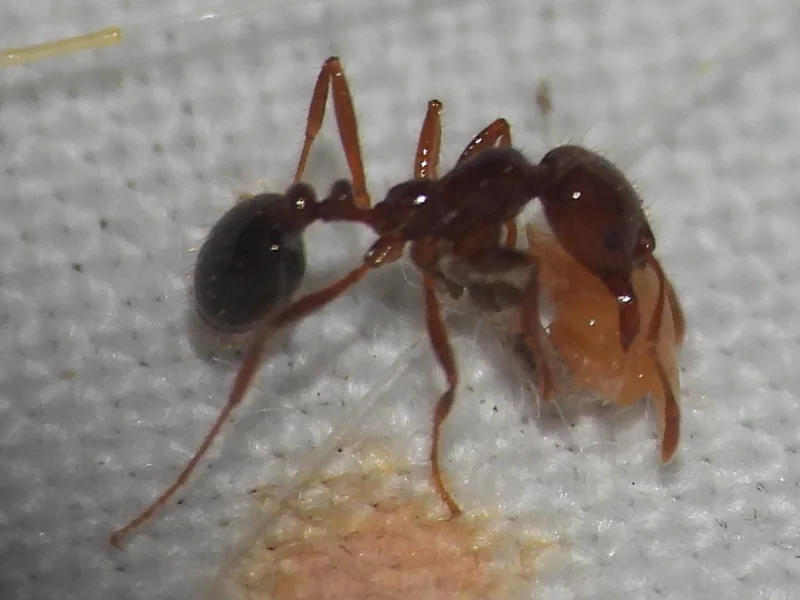
South Carolina fire ant identification starts with a few traits. Red imported fire ants are reddish-brown to dark, about 1/8 to 1/4 inch long, and come in mixed sizes within one colony. They build fluffy mounds with no central opening and swarm aggressively when disturbed.
- Carpenter ants: Much larger (often 1/4 to 1/2 inch), usually black or black and red, and nest in moist or damaged wood rather than soil mounds. Look for sawdust-like debris called frass.
- Odorous house ants (sugar ants): Small, dark brown to black, and release a rotten-coconut smell when crushed. They trail indoors toward sweets and do not sting.
- Pavement ants: Small, dark brown to black, with fine grooves on the head and thorax. They leave small piles of soil along sidewalk and driveway cracks rather than tall mounds.
If ants swarm up a stick pushed into a mound and sting repeatedly, fire ants are the likely culprit.
How to Keep Fire Ants Out of Your South Carolina Home
Knowing how to prevent fire ants in South Carolina begins with Integrated Pest Management (IPM). Non-chemical steps such as exclusion, sanitation, and moisture control come first.
Non-Chemical Prevention
- Seal entry points: Caulk gaps around foundations, utility lines, door thresholds, and window frames.
- Manage moisture: Fix leaky spigots, clean gutters, and grade soil away from the foundation.
- Clean up food sources: Store pet food in sealed containers and pick up fallen fruit and outdoor food scraps.
- Keep a buffer zone: Pull mulch and dense vegetation a few inches back from walls and slabs.
- Inspect regularly: Walk the yard weekly in spring to spot new mounds early.
Targeted Treatment
When mounds persist, many extension programs recommend a two-step approach: broadcast a fire ant bait over the yard, then treat individual problem mounds. Always read and follow the EPA-registered product label exactly, including timing, rates, and safety precautions for children and pets.
Sting Safety
Fire ant stings cause burning pain and often white pustules, and some people have severe allergic reactions. This guide does not provide medical advice. For questions about a sting, call US Poison Control at 1-800-222-1222 or contact a doctor, and call 911 for trouble breathing, facial swelling, or dizziness.
When to Call a Licensed South Carolina Pest Professional
- Mounds keep returning after label-directed treatments
- Ants are nesting inside walls, electrical boxes, or HVAC units
- Someone in the household has a known sting allergy
- Mounds appear near play areas, gardens, or livestock
- Large properties need broad, ongoing management
IPM Prevention Checklist for South Carolina Homes
- Seal foundation gaps and utility conduits
- Inspect potted plants and mulch before bringing onto property
- Avoid stepping or kneeling near loose sandy lawn mounds
 EXCLUSION BLUEPRINT
Inspect eaves, screens, door sweeps, foundation cracks, and utility penetrations around South Carolina homes before peak season.
Fire Ants in South Carolina: Frequently Asked Questions
Are there fire ants in South Carolina?
Yes. Red imported fire ants are common in South Carolina, with 722 verified GBIF sightings. Top counties include Horry, Richland, Berkeley, Georgetown, and Spartanburg.
When is fire ant season in South Carolina?
Activity peaks from March through June. Fire ants remain active through summer and fall, and mild coastal winters allow some activity year-round.
What should someone do after a fire ant sting?
Move away from the mound and brush ants off. For guidance, call US Poison Control at 1-800-222-1222 or a doctor, and call 911 for signs of a severe allergic reaction.
Can fire ants get inside South Carolina homes?
Yes, especially during heavy rain or drought. Sealing cracks, fixing moisture problems, and keeping food sealed help keep them outdoors.
Sources & Verification
- Texas A&M AgriLife — Imported Fire Ants
- UF/IFAS Extension — Red Imported Fire Ant
- USDA APHIS Imported Fire Ant Quarantine
Data refreshed · Editorial & GBIF Methodology