Cockroaches in New Mexico: Identification, Season and Prevention
Quick Answer: Yes, cockroaches are common in New Mexico, with 1,013 verified GBIF sightings concentrated in Bernalillo, Dona Ana, Santa Fe, Chaves, and Sierra counties. Recorded species include the Red Runner Cockroach (Periplaneta lateralis), the Common Cockroach (Blatta orientalis, often called the Oriental cockroach), and the American Cockroach (Periplaneta americana).
When Cockroaches Are Most Active in New Mexico
Now (November): Lower Outdoor ActivityVerified New Mexico Counties, Species & US Range
Counties with Verified Observations
- Bernalillo
- Dona Ana
- Santa Fe
- Chaves
- Sierra
- Sandoval
- Roosevelt
- Hidalgo
- Grant
- Quay
Species Recorded in New Mexico
| Species | Scientific Name | GBIF Records |
|---|---|---|
| Red Runner Cockroach | Periplaneta lateralis | 300 |
| Common Cockroach | Blatta orientalis | 111 |
| American Cockroach | Periplaneta americana | 77 |
How New Mexico Compares to Neighboring States
Note: Wildlife does not follow state or county lines. GBIF totals reflect verified citizen and museum records, so low counts in a neighboring county do not guarantee absence.
How to Identify Cockroaches
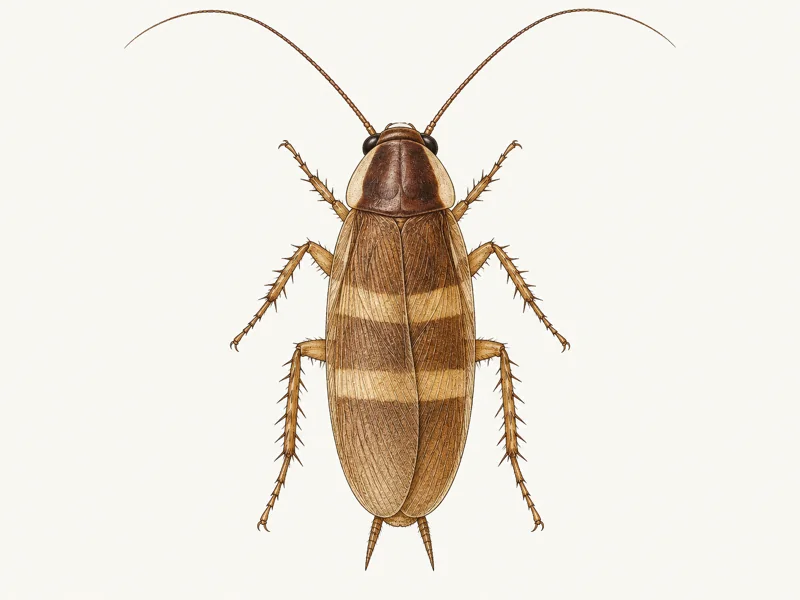
Annotated Anatomy Key (Cockroach)
- Long whip antennae: Thread-like filiform feelers sweeping wider than the entire body length.
- Pale-edged pronotum: Dark mahogany shield with translucent margins (lacks German roach's twin bars).
- Two pale wing bands: Unmistakable pair of light golden-tan bands crossing the tawny-brown folded wings.
- Spiny legs & cerci: Six bristled running legs and twin rear sensory cerci; prefers warm dry upper cabinets.
Cockroaches Field Checklist
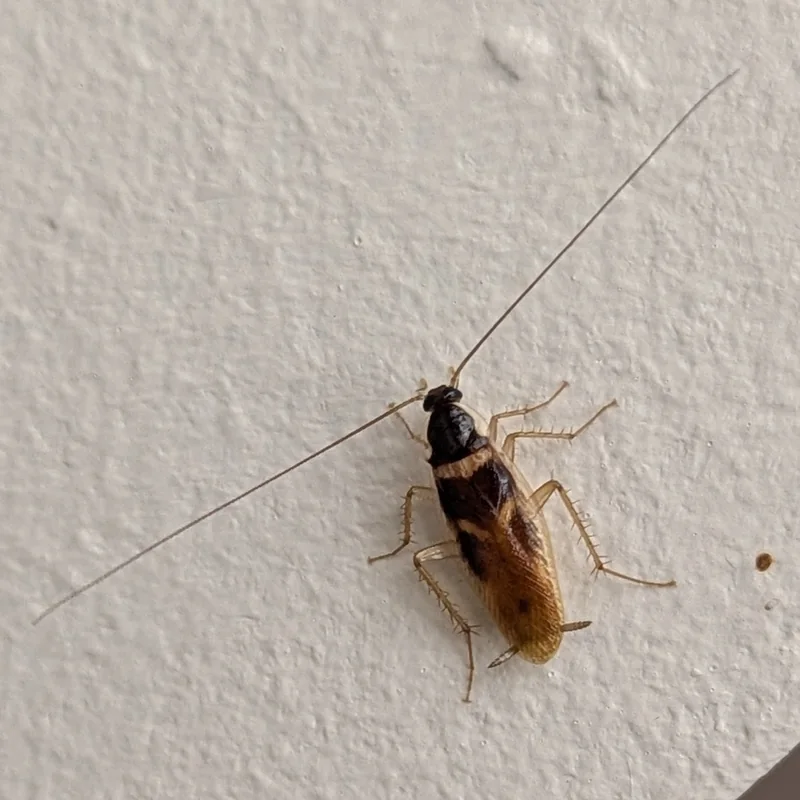
- Flattened oval body with a shield-like pronotum partly covering the head
- Very long, whip-like antennae and spiny legs built for rapid running
- Two tail-like cerci protruding from the rear of the abdomen
- Nocturnal scavengers that trigger indoor asthma and contaminate food surfaces
Side-by-Side Look-Alike Comparisons
- Cockroach vs Water Bug
- Cockroach vs Palmetto Bug
- Bed Bug vs Cockroach
- Cockroach vs Earwig
- Cockroach vs Termite
- Cockroach vs Honey Bee
- Centipede vs Cockroach
- Cockroach vs Silverfish
- Cockroach vs German Cockroach
- Cockroach vs Wasp
- Cockroach vs Flea
- Camel Cricket vs Cockroach
- Carpet Beetle vs Cockroach
- American Cockroach vs Cockroach
- Cockroach vs Hornet
- Cockroach vs Tick
- Cockroach vs House Centipede
Cockroaches Size at True Relative Scale
Quick Answer: Yes, cockroaches are common in New Mexico, with 1,013 verified GBIF sightings concentrated in Bernalillo, Dona Ana, Santa Fe, Chaves, and Sierra counties. Recorded species include the Red Runner Cockroach (Periplaneta lateralis), the Common Cockroach (Blatta orientalis, often called the Oriental cockroach), and the American Cockroach (Periplaneta americana). They are a nuisance rather than a medical danger, and they are most active in April, May, June, and September.
Where Cockroaches Live in New Mexico
For anyone asking whether there are cockroaches in New Mexico, the GBIF records give a clear answer. Sightings cluster in the state's population centers and irrigated river valleys, led by Bernalillo County (Albuquerque), followed by Dona Ana (Las Cruces), Santa Fe, Chaves (Roswell), and Sierra counties.
New Mexico's arid to semi-arid high desert climate shapes where these insects settle. Most species need moisture, so they gather in the damp spots a dry landscape offers:
- Sewers, storm drains, and water meter boxes in urban areas
- Irrigated yards, mulch beds, and leaf litter
- Crawl spaces, basements, and utility rooms with leaky plumbing
- Kitchens and bathrooms, especially near sinks, water heaters, and evaporative (swamp) coolers
New Mexico Cockroach Identification
- Red Runner Cockroach: About 1 inch long, reddish-brown to tan. Males are fully winged and fast; females are darker with short wing pads and pale edges near the head. Mostly an outdoor species that wanders in at night.
- Common (Oriental) Cockroach: About 1 inch, glossy dark brown to black, with short wings and no ability to fly. Favors cool, damp places like drains and crawl spaces.
- American Cockroach: The largest at roughly 1.5 to 2 inches, reddish-brown with a yellowish figure-eight pattern behind the head. Common in sewers and commercial buildings.
When Cockroaches Are Most Active in New Mexico
The New Mexico cockroach season peaks in April, May, and June, with a second rise in September, according to GBIF sighting data. Spring warming drives breeding and outdoor movement, and late-summer monsoon rains push insects out of flooded drains and soil toward drier indoor spaces.
Activity drops during cool mountain winters, particularly in higher-elevation areas like Santa Fe. However, cockroaches living inside heated homes, sewers, and commercial buildings can stay active year-round. Most species are nocturnal, so spotting one in daylight often signals a larger hidden population.
Look-Alikes Frequently Mistaken for Cockroaches
Several insects in New Mexico get confused with one another or with true cockroaches. Telling them apart helps residents choose the right control approach.
- Water Bugs: True water bugs are aquatic insects with grasping front legs and a beak-like mouthpart. They live in ponds and are drawn to lights. Many people also use "water bug" loosely to describe Oriental cockroaches.
- German Cockroaches: Small (about 1/2 inch), light brown, with two dark stripes behind the head. They live almost entirely indoors, breed quickly, and usually point to an infestation in kitchens or bathrooms.
- American Cockroaches: Often mistaken for red runners, but noticeably larger, with the pale figure-eight marking behind the head.
- Oriental Cockroaches: Frequently called "water bugs" because of their dark, shiny bodies and preference for drains. Their short wings separate them from fully winged species.
How to Keep Cockroaches Out of Your New Mexico Home
Learning how to prevent cockroaches in New Mexico starts with Integrated Pest Management (IPM). University cooperative extension guidance consistently recommends exclusion, sanitation, and moisture control before any chemical treatment.
Exclusion
- Seal gaps around pipes, cables, and vents with caulk or copper mesh.
- Install door sweeps and repair torn window and vent screens.
- Fit drain covers or keep stoppers in unused floor drains and tubs.
Sanitation
- Store food, including pet food, in sealed containers.
- Wipe crumbs and grease from counters, stovetops, and under appliances.
- Empty indoor trash nightly and keep outdoor bins lidded and away from doors.
Moisture Control
- Fix leaky faucets, pipes, and swamp cooler drip lines.
- Ventilate crawl spaces and run bathroom fans.
- Pull mulch, woodpiles, and irrigated plantings a foot or more away from the foundation.
Targeted Treatments
Sticky traps help monitor activity and pinpoint hot spots. If more control is needed, gel baits and bait stations placed in cracks are generally preferred over broad sprays. Always read and follow the EPA product label exactly, and keep products away from children and pets.
When to Call a Licensed Pest Professional
- You see cockroaches during the day or find many in a single night.
- Small, striped German cockroaches appear in the kitchen or bathroom.
- Droppings, egg cases, or a musty odor keep showing up after cleanup.
- Insects return within weeks despite sealing, cleaning, and baiting.
A licensed New Mexico pest management professional can inspect sewer connections, wall voids, and crawl spaces that homeowners cannot easily reach.
IPM Prevention Checklist for New Mexico Homes
- Store all pantry foods in airtight glass/plastic containers and never leave dirty dishes overnight
- Fix leaking under-sink traps and dry wet counters/pet bowls before bed
- Seal gaps around plumbing pipes, baseboards, and exterior door sweeps
 EXCLUSION BLUEPRINT
Inspect eaves, screens, door sweeps, foundation cracks, and utility penetrations around New Mexico homes before peak season.
Cockroaches in New Mexico: Frequently Asked Questions
Are there cockroaches in New Mexico?
Yes. GBIF lists 1,013 verified sightings, with Red Runner, Common (Oriental), and American cockroaches recorded in the state.
Which New Mexico counties see the most cockroaches?
Bernalillo, Dona Ana, Santa Fe, Chaves, and Sierra counties lead the verified sighting records.
Are cockroaches in New Mexico dangerous?
They are classified as a nuisance pest. They can contaminate food and surfaces, so good sanitation matters, but they do not sting.
Why do I see more cockroaches after monsoon rains?
Heavy rain floods drains and soil, pushing cockroaches toward drier shelter, which helps explain the September rise in activity.
Sources & Verification
Data refreshed · Editorial & GBIF Methodology