Wasp vs Cockroach: How to Tell Them Apart Fast
Quick ID Verdict: A cockroach has a flattened oval body with a shield-like pronotum that partly covers its head. A wasp has a slender, smooth, nearly hairless body pinched into a very narrow waist. If you see a flat, scuttling oval, it's a cockroach. If you see a narrow-waisted flier, treat it as a wasp and keep your distance.
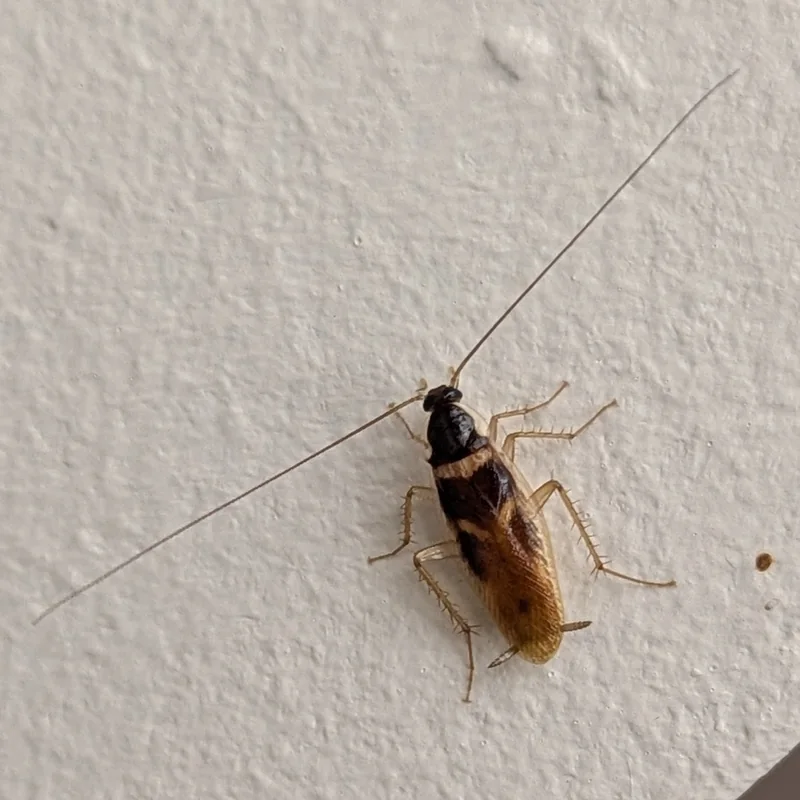
Cockroach
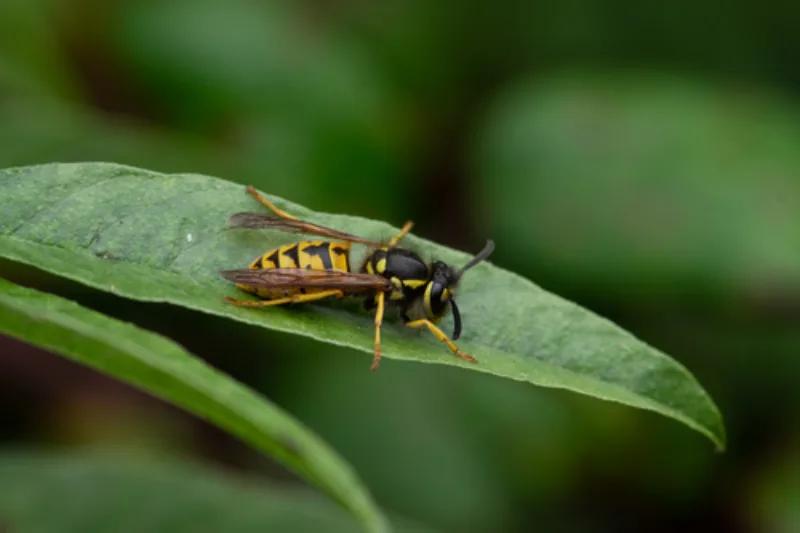
Wasp
Side-by-Side Comparison Table
| Trait | Cockroach | Wasp |
|---|---|---|
| Scientific Group | Blattodea | Vespidae |
| Category | Insect | Insect |
| Typical Size | 12–50 mm | 12–28 mm |
| Danger Level | Nuisance | Medically Significant |
| Bites or Stings? | No | Yes |
| Peak US Months | May, June, July, September | July, August, September, October |
| Key ID Trait | Flattened oval body with a shield-like pronotum partly covering the head | Slender, smooth, nearly hairless body with a very narrow pinched waist |
Cockroach vs. Wasp: True Size Comparison
Side-by-Side Anatomy Blueprint
Compare body segments, antennae, leg count, and key markings directly before treating or removing either species.
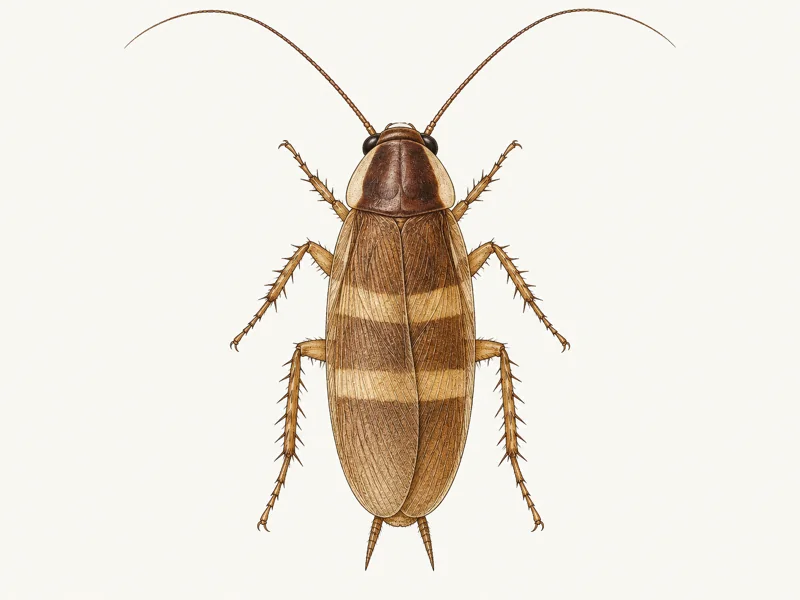
- Long whip antennae: Thread-like filiform feelers sweeping wider than the entire body length.
- Pale-edged pronotum: Dark mahogany shield with translucent margins (lacks German roach's twin bars).
- Two pale wing bands: Unmistakable pair of light golden-tan bands crossing the tawny-brown folded wings.
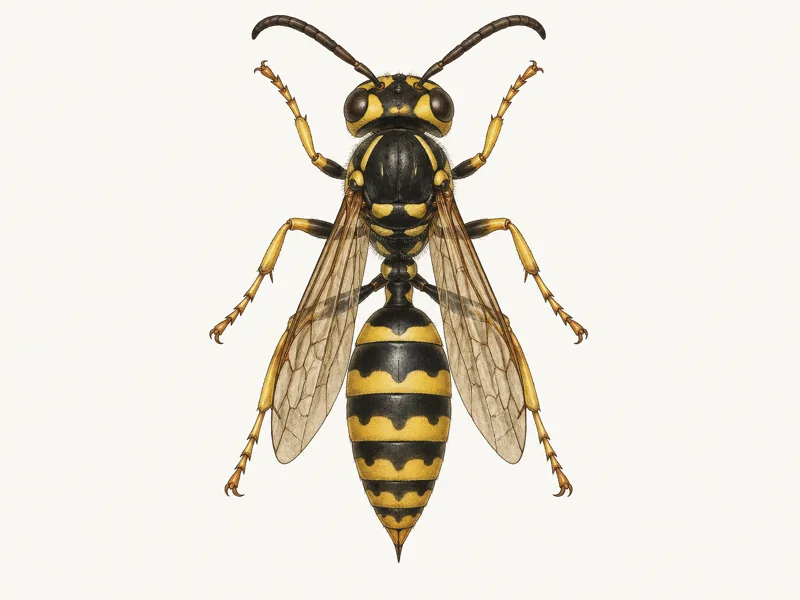
- Curved dark antennae: Segmented dark antennae and strong chewing mandibles for wood pulp nests.
- Smoky folded wings: Two pairs of narrow veined wings that fold lengthwise along the back at rest.
- Pinched waist: Sharp slender constriction separating the smooth hairless thorax from abdomen.
Quick Answer: A cockroach has a flattened oval body with a shield-like pronotum that partly covers its head. A wasp has a slender, smooth, nearly hairless body pinched into a very narrow waist. If you see a flat, scuttling oval, it's a cockroach. If you see a narrow-waisted flier, treat it as a wasp and keep your distance.
Both insects can surprise homeowners in kitchens, garages, and attics, and quick glimpses often cause confusion. This guide covers the difference between cockroach and wasp anatomy, behavior, and risk so you can respond correctly and safely.
Key Visual & Physical Differences
Cockroaches belong to the order Blattodea. Wasps covered here belong to the family Vespidae, which includes yellowjackets, hornets, and paper wasps. Their body plans are built for very different lifestyles, so cockroach vs wasp identification is easy once you know where to look.
Body Shape and Size
- Cockroaches: 12-50 mm long, with a broad, flattened oval body built for squeezing into cracks.
- Wasps: 12-28 mm long, with a slender, smooth, nearly hairless body and a very narrow pinched waist between the thorax and abdomen.
The size ranges overlap at the small end, so shape is a better clue than length. A very large insect over about 28 mm is far more likely to be a cockroach than a vespid wasp.
Head and Pronotum
The most reliable cockroach feature is the pronotum, a shield-like plate behind the head that partly covers it from above. Wasps have no such shield. Their head sits fully exposed, with large compound eyes and short, often elbowed antennae.
Antennae, Wings, and Legs
- Antennae: Cockroaches have long, thread-like antennae, often as long as the body. Wasp antennae are much shorter.
- Wings: Cockroach wings, when present, lie flat over the back. Wasps have two pairs of membranous wings, often folded lengthwise at rest.
- Legs: Cockroach legs are spiny and built for fast running. Wasp legs are thinner and often dangle during flight.
Behavior, Habitat & Danger Comparison
Cockroach Behavior and Habitat
Cockroaches are mostly nocturnal and avoid light. They hide in warm, humid gaps behind appliances, under sinks, in drains, and inside wall voids. When disturbed, they run fast toward cover rather than fly.
Their danger rating is nuisance. They don't sting, but they can contaminate food surfaces and leave droppings, odors, and shed skins that some people find irritating.
Wasp Behavior and Habitat
Vespid wasps are active during the day. They build paper nests under eaves, in shrubs, attic vents, wall cavities, or underground burrows. Many forage around sugary drinks, garbage, and outdoor dining areas in late summer.
Wasps are rated medically significant. Females can sting repeatedly, and colonies may defend their nest aggressively. Stings can cause serious reactions in some people.
If Someone Is Stung
Move away from the nest area calmly and quickly. For guidance after a sting, call US Poison Control at 1-800-222-1222 or contact a doctor. Call 911 immediately for trouble breathing, swelling of the face or throat, dizziness, or a known severe allergy.
Which One Is Worse for Homeowners?
The answer depends on what kind of risk matters most. Cockroaches are the bigger sanitation problem, while wasps pose the greater immediate safety risk.
- Cockroaches: Persistent indoor pests that breed in hidden areas and can be hard to eliminate once established.
- Wasps: Usually seasonal and mostly outdoors, but a nest near a doorway or play area can cause painful, potentially dangerous stings.
Non-Chemical IPM First
Integrated Pest Management starts with removing what each pest needs. For cockroaches, focus on sanitation and moisture control:
- Fix leaky pipes and dry out damp cabinets.
- Store food in sealed containers and clean crumbs nightly.
- Seal cracks, gaps around pipes, and door sweeps.
For wasps, focus on exclusion and attractants:
- Screen attic vents and seal gaps in eaves and siding.
- Keep trash cans lidded and cover sweet drinks outdoors.
- Inspect for small nests in spring before colonies grow.
When to Use Products or Call a Pro
If baits, dusts, or sprays are needed, always read and follow the EPA product label exactly. Large, hidden, or hard-to-reach wasp nests are best handled by a licensed pest control professional, especially for anyone with a sting allergy.
Frequently Asked Questions
Can a cockroach sting like a wasp?
No. Cockroaches have no stinger and are rated a nuisance pest. Only wasps among these two can sting.
Is that flying insect a cockroach or wasp?
Look at the waist and back. A narrow pinched waist means wasp, while a flat oval body with a head shield means cockroach.
Are cockroaches always bigger than wasps?
Not always. Cockroaches range from 12-50 mm and wasps from 12-28 mm, so small ones overlap. Body shape is the more dependable clue.
Should I remove a wasp nest myself?
Small, accessible nests can sometimes be handled carefully at night following EPA label directions. For large nests, nests inside walls, or anyone with allergies, hire a licensed professional.