Pests & Insects in South Carolina
Humid subtropical with hot muggy summers and mild coastal winters.
South Carolina Overview: South Carolina's humid subtropical climate, with hot muggy summers and mild coastal winters, keeps insects active far longer than in most of the country. PestAlmanac monitors 57 documented species in the state. The most frequently recorded are spiders, orb weavers, flying ants, bumble bees, and Asian lady beetles. This guide covers the common pests and insects in South Carolina, how to identify them, and how to keep them out using safe, label-compliant methods.
South Carolina Overall Pest Activity Calendar
Now (November): Moderate ActivityActive in South Carolina During November
Why Bugs in South Carolina Thrive Year-Round
The state spans USDA Hardiness Zones 7a through 9a, from the cooler Upstate foothills to the warm Lowcountry coast. In the warmer zones, hard freezes are rare, so many insects never fully go dormant. Cockroaches, ants, and mosquitoes can stay active through much of the winter near the coast.
Humidity matters just as much as heat. Damp crawl spaces, clogged gutters, and irrigated lawns give bugs in South Carolina the moisture they need to breed. Summer storms add standing water, and mosquito populations can rise sharply within days.
South Carolina Household Pests You're Most Likely to Find Indoors
Most indoor problems start outside. Spiders, especially jumping spiders and common house spiders, follow the insects they eat into garages and window frames. Asian lady beetles cluster on sunny south- and west-facing walls in fall and slip inside through gaps around siding.
Cockroaches, Ants, and Termites
Cockroaches are among the most persistent South Carolina household pests. Large outdoor species such as the American cockroach, often called the "palmetto bug," wander in after heavy rain. German cockroaches breed indoors in kitchens and bathrooms.
Ants trail toward food and moisture. Flying ants rank high in state records, and homeowners often confuse them with termite swarmers. The differences are easy to check:
- Ants: pinched waist, elbowed antennae, front wings longer than hind wings
- Termites: straight waist, straight antennae, wings of equal length
A termite swarm inside the home in spring calls for a professional inspection. It usually means an active colony is close by.
Mosquitoes, Ticks, and Other Outdoor Nuisances
Mosquitoes breed in any container that holds water for about a week, including birdbaths, plant saucers, tarps, and tire swings. Ticks wait in tall grass and leaf litter along wooded edges. They're a particular concern for hikers, pet owners, and children who play near the woods.
Other yard regulars include:
- Carpenter bees: they bore perfectly round holes in untreated fascia boards, decks, and eaves
- Bumble bees and honey bees: important pollinators that usually ignore people unless provoked
- Orb weaver spiders: they build large, wheel-shaped webs across porches and garden paths in late summer
Orb weavers are harmless to people and help control flying insects, so many homeowners simply let them be.
Venomous Insects in South Carolina and How to Stay Safe
Several medically significant species are documented in the state. The venomous insects in South Carolina, along with several related arthropods, include:
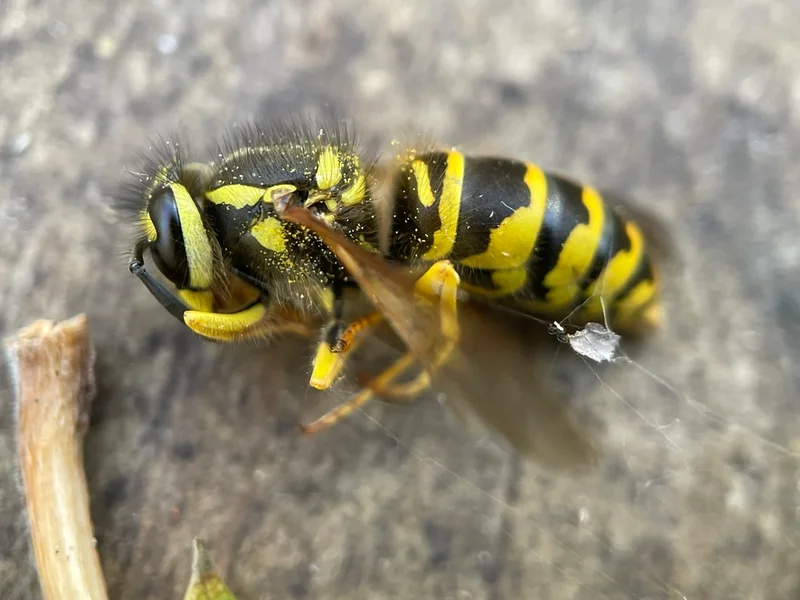
- Wasps, paper wasps, yellow jackets, and hornets: they defend their nests aggressively. Yellow jackets often nest underground.
- Fire ants: they build mounds in sunny lawns and sting repeatedly when disturbed.
- Black widows: found in woodpiles, meter boxes, and cluttered sheds.
- Scorpions: they hide under bark, firewood, and debris.
- Ticks, mosquitoes, and kissing bugs: they bite and can transmit disease.
People should wear gloves when moving firewood or stored items and shake out shoes left in garages. Before mowing, they should scan the lawn for fire ant mounds.
For any concerning bite or sting, call US Poison Control at 1-800-222-1222 and contact a doctor. Anyone with trouble breathing, facial swelling, or a known allergy should call 911 right away.
South Carolina Pest Season: What to Expect Month by Month
The South Carolina pest season never fully shuts down, but activity follows a predictable rhythm:
MonthsKey ActivityHomeowner FocusJan–FebIndoor cockroaches, overwintering lady beetlesSeal gaps and fix leaksMar–AprTermite and ant swarms, carpenter beesInspect foundations and wood trimMay–JunMosquitoes, ticks, fire ant moundsEmpty standing water and keep grass shortJul–AugPeak wasps, yellow jackets, cockroachesCheck eaves and clean guttersSep–OctOrb weavers, lady beetle invasionsCaulk siding and repair screensNov–DecRodents and spiders seeking shelterStore firewood away from the houseCoastal homes usually see each phase two to three weeks earlier than homes in the Upstate.
Safe Integrated Pest Management Strategies for Your Home
Integrated Pest Management (IPM) puts prevention first and uses chemicals only when they're truly needed. The most effective non-chemical steps are:
- Exclusion: seal cracks, install door sweeps, and repair torn screens
- Sanitation: store food in sealed containers, take out trash often, and reduce clutter
- Moisture control: ventilate crawl spaces, fix plumbing leaks, and keep mulch a few inches away from the foundation
If a pesticide becomes necessary, homeowners should choose targeted options such as baits over broad sprays. Always follow the EPA product label exactly, because the label is the law. For termites, stinging insect nests, or heavy infestations, a licensed South Carolina pest professional is the safest choice.
All 60 Pests Monitored in South Carolina
Species with dedicated South Carolina field guides link straight to their state distribution sheet; others link to their national species folio.
| Pest | SC Status | Risk Level | Peak Months |
|---|---|---|---|
| Spiders | Common & Established | Nuisance Pest | Jul, Aug, Sep |
| Orb Weaver Spiders | Common & Established | Harmless / Beneficial | Aug, Sep, Oct |
| Flying Ants | Common & Established | Nuisance Pest | May, Jun, Jul |
| Bumble Bees | Common & Established | Nuisance Pest | Jun, Jul, Aug |
| Jumping Spiders | Common & Established | Harmless / Beneficial | Apr, May, Jun |
| Asian Lady Beetles | Common & Established | Nuisance Pest | May, Jun, Aug |
| Carpenter Bees | Common & Established | Structural Risk | Mar, Apr, Sep |
| Wasps | Common & Established | Medically Significant | Apr, Aug, Sep |
| Cockroaches | Common & Established | Nuisance Pest | May, Jun, Jul |
| Honey Bees | Common & Established | Nuisance Pest | Mar, Apr, Jun |
| Paper Wasps | Common & Established | Medically Significant | Jun, Jul, Aug |
| Carpenter Ants | Common & Established | Structural Risk | Mar, Apr, May |
| Cicadas | Common & Established | Harmless / Beneficial | May, Jul, Aug |
| Millipedes | Common & Established | Harmless / Beneficial | Jun, Aug, Sep |
| Wolf Spiders | Common & Established | Nuisance Pest | Apr, May, Aug |
| Pill Bugs (Roly-Polies) | Common & Established | Harmless / Beneficial | Apr, May |
| Stink Bugs | Common & Established | Nuisance Pest | Aug, Sep, Oct |
| Yellow Jackets | Common & Established | Medically Significant | Apr, Oct, Nov |
| Fire Ants | Common & Established | Medically Significant | Mar, Apr, May |
| Black Widows | Common & Established | Medically Significant | Jul, Aug, Sep |
| Japanese Beetles | Common & Established | Nuisance Pest | Jul |
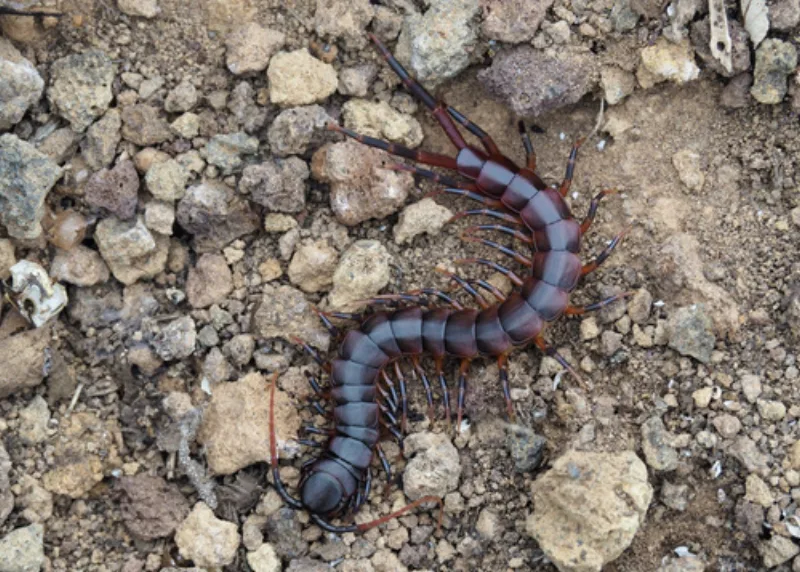
| Centipedes | Common & Established | Nuisance Pest | Mar, Jun, Oct |
| Ticks | Common & Established | Medically Significant | Apr, May, Jun |
| Cicada Killers | Common & Established | Nuisance Pest | Jun, Jul, Aug |
| Mud Daubers | Common & Established | Nuisance Pest | May, Jun, Jul |
| Hornets | Common & Established | Medically Significant | Aug, Sep |
| June Bugs (May Beetles) | Common & Established | Nuisance Pest | May, Jun |
| Camel Crickets (Spider Crickets) | Common & Established | Nuisance Pest | Jul, Aug, Sep |
| Water Bugs | Common & Established | Nuisance Pest | Apr |
| American Cockroaches | Common & Established | Nuisance Pest | Apr, May, Jun |
| Drain Flies (Moth Flies) | Common & Established | Nuisance Pest | Jun, Jul, Aug |
| Mole Crickets | Common & Established | Nuisance Pest | Mar, Apr, May |
| Earwigs | Common & Established | Nuisance Pest | Jul, Aug, Sep |
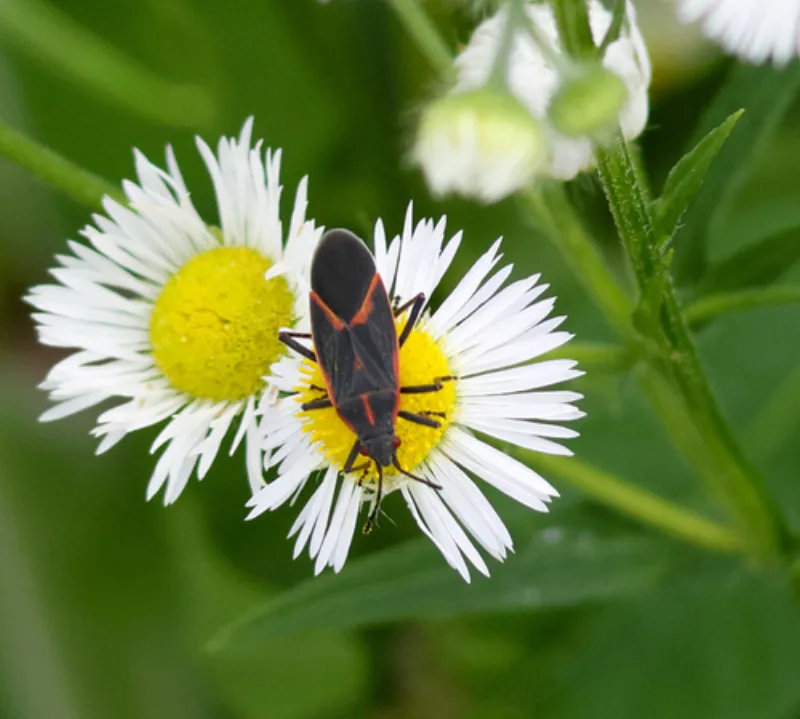
| Boxelder Bugs | Common & Established | Nuisance Pest | Apr, May, Nov |
| Cellar Spiders | Common & Established | Harmless / Beneficial | Apr, Jul, Aug |
| Scorpions | Common & Established | Medically Significant | May, Jun, Sep |
| Carpet Beetles | Common & Established | Nuisance Pest | Mar, Apr |
| German Cockroaches | Common & Established | Nuisance Pest | Apr, May, Sep |
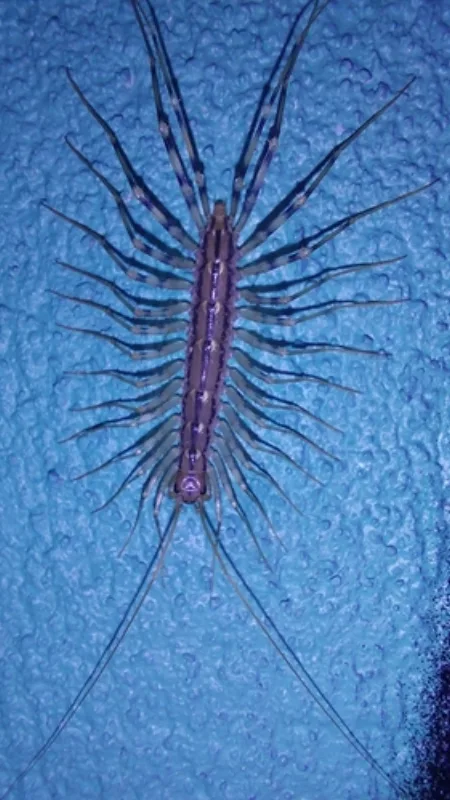
| House Centipedes | Common & Established | Harmless / Beneficial | May, Jun, Aug |
| Silverfish | Common & Established | Nuisance Pest | Sep, Oct |
| Fruit Flies | Common & Established | Nuisance Pest | Apr, Jun, Jul |
| Pantry Moths (Indianmeal Moths) | Common & Established | Nuisance Pest | Apr, Jul, Aug |
| Termites | Present | Structural Risk | Mar, Apr |
| Sugar Ants (Odorous House Ants) | Present | Nuisance Pest | Jan, Mar, May |
| Kissing Bugs | Present | Medically Significant | May |
| Spotted Lanternflies | Present | Nuisance Pest | Apr, Jun, Sep |
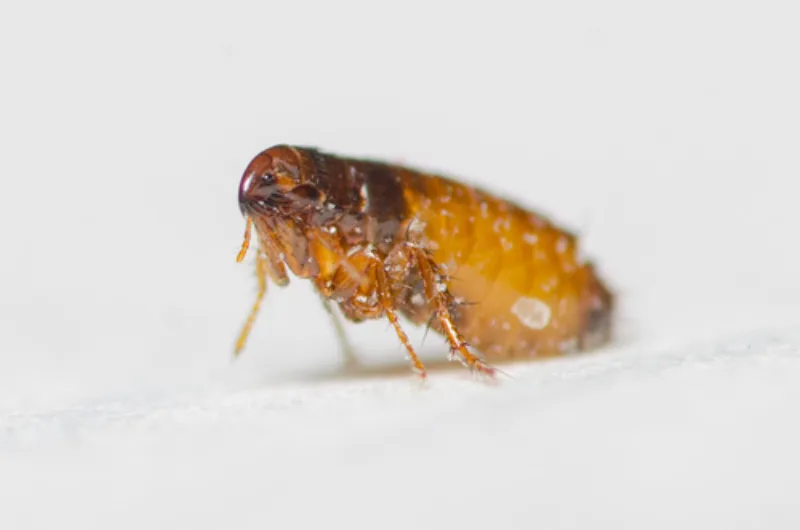
| Fleas | Present | Nuisance Pest | Jul, Nov |
| Bed Bugs | Present | Nuisance Pest | Jan, Jul |
| Oriental Cockroaches | Present | Nuisance Pest | May, Jun, Jul |
| Fungus Gnats | Present | Nuisance Pest | May, Jun, Jul |
| Palmetto Bugs | Present | Nuisance Pest | May, Jul, Oct |
| Pharaoh Ants | Present | Nuisance Pest | Aug, Sep, Oct |
| Clothes Moths | Present | Nuisance Pest | Feb, Mar, May |
| Pavement Ants | Rare / Localized | Nuisance Pest | Jan, Apr |
| Tarantulas | Rare / Localized | Nuisance Pest | Jun, Jul, Oct |
| Mosquitoes | Rare / Localized | Medically Significant | Jul |
| Clover Mites | Rare / Localized | Nuisance Pest | Mar, Apr, May |
| Brown Recluse Spiders | Not Established | Medically Significant | May, Aug, Nov |
| Chiggers | Not Established | Nuisance Pest | — |
| Hobo Spiders | Not Established | Nuisance Pest | — |
Frequently Asked Questions
What are the most common pests and insects in South Carolina?
South Carolina's most frequently documented species include spiders, orb weavers, flying ants, bumble bees, and Asian lady beetles. The humid subtropical climate keeps insects active year-round, making cockroaches, ants, mosquitoes, and termites persistent household concerns.
Why do insects and pests thrive year-round in South Carolina?
South Carolina's warm climate (USDA Zones 7a–9a) and high humidity prevent many insects from going dormant in winter. Near the coast, cockroaches, ants, and mosquitoes stay active through mild winters. Damp crawl spaces, clogged gutters, and standing water provide ideal breeding conditions.
How can I tell the difference between flying ants and termite swarmers?
Ants have a pinched waist, elbowed antennae, and front wings longer than hind wings. Termites have a straight waist, straight antennae, and wings of equal length. If you spot termite swarmers indoors in spring, contact a pest professional immediately—it indicates a nearby active colony.
What venomous insects should I be concerned about in South Carolina?
South Carolina has wasps, yellow jackets, hornets, fire ants, black widows, scorpions, and disease-carrying ticks and mosquitoes. Wear gloves when handling firewood, shake out stored shoes, and scan for fire ant mounds before mowing. Call Poison Control at 1-800-222-1222 for concerning bites.
What integrated pest management strategies work best for South Carolina homes?
Integrated Pest Management prioritizes prevention: seal cracks and repair screens (exclusion), store food in sealed containers and reduce clutter (sanitation), and fix plumbing leaks while ventilating crawl spaces (moisture control). Use targeted pesticides only when necessary, always following EPA labels exactly.
When is pest season in South Carolina, and what should I watch for?
Pest activity follows monthly patterns: Jan–Feb means overwintering insects indoors; Mar–Apr brings termite swarms and carpenter bees; May–Jun sees peak mosquitoes and fire ants; Jul–Aug brings wasps; Sep–Oct brings orb weavers and lady beetles. Coastal homes experience these phases 2–3 weeks earlier than the Upstate.