Ticks in South Carolina: Species, Season, and Prevention Guide
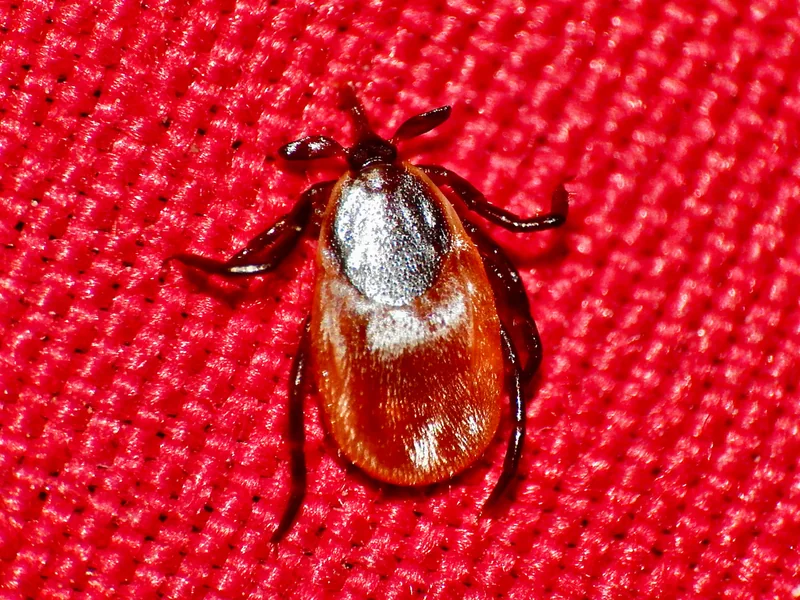
Quick Answer: Yes, ticks are common in South Carolina, with 333 verified GBIF sightings concentrated in Lancaster, Charleston, Beaufort, Richland, and Greenville counties. The three recorded species are the Lone Star tick, the Gulf Coast tick, and the American dog tick. Activity peaks from April through July, when warm, humid weather keeps ticks questing along trails, yards, and woodland edges.
When Ticks Are Most Active in South Carolina
Now (November): Lower Outdoor ActivityVerified South Carolina Counties, Species & US Range
Counties with Verified Observations
- Lancaster
- Charleston
- Beaufort
- Richland
- Greenville
- Oconee
- Aiken
- York
- Anderson
- Chesterfield
Species Recorded in South Carolina
| Species | Scientific Name | GBIF Records |
|---|---|---|
| Gulf Coast tick | Amblyomma maculatum | 133 |
| Lone Star Tick | Amblyomma americanum | 86 |
| American Dog Tick | Dermacentor variabilis | 71 |
How South Carolina Compares to Neighboring States
Note: Wildlife does not follow state or county lines. GBIF totals reflect verified citizen and museum records, so low counts in a neighboring county do not guarantee absence.
How to Identify Ticks
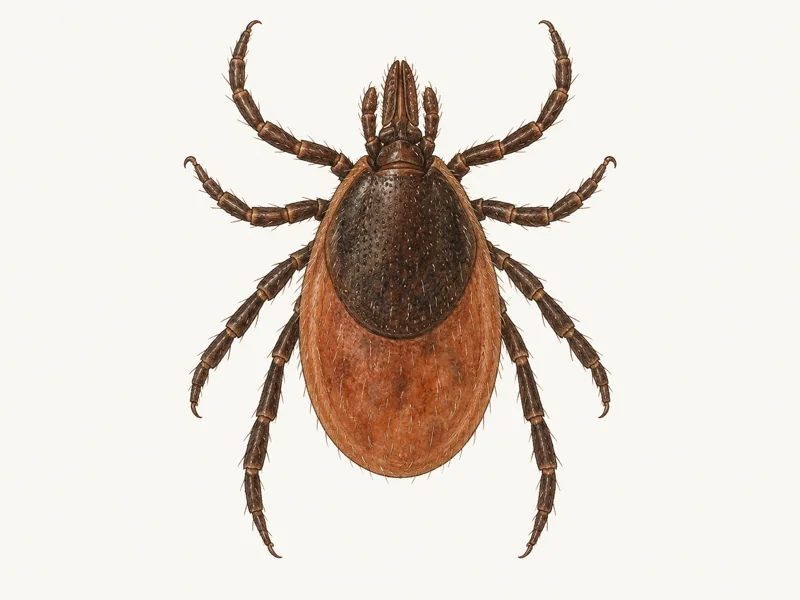
Annotated Anatomy Key (Tick)
- Piercing mouthparts: Forward-projecting capitulum and barbed hypostome at the front tip—no antennae or wings.
- Hardened scutum: Distinct dark dorsal shield plate behind the head (varies by deer, dog, and lone star ticks).
- Eight jointed legs: Adults and nymphs have 8 legs (tiny seed-tick larvae have 6 legs).
- Flat oval abdomen: Teardrop-shaped unfed body that swells into a smooth gray-brown bean shape after feeding.
Ticks Field Checklist
- Flat, oval, teardrop-shaped arachnid with eight legs (six in larval stage)
- No antennae or wings; piercing mouthparts project from the front
- Color varies by species (blacklegged deer tick, mottled dog tick, white-spotted lone star tick)
- Swells into a smooth gray-brown bean shape when engorged with blood
Side-by-Side Look-Alike Comparisons
Ticks Size at True Relative Scale
Where Ticks Live in South Carolina
South Carolina's humid subtropical climate, with hot, muggy summers and mild coastal winters across USDA zones 7a to 9a, suits hard ticks (family Ixodidae) well. Ticks need humidity to avoid drying out, so they gather in shaded leaf litter, tall grass, and brushy transition zones between lawns and woods.
Verified GBIF records cluster in a mix of Upstate, Midlands, and Lowcountry counties:
- Lancaster County: Wooded rural parcels and pasture edges.
- Charleston and Beaufort counties: Coastal maritime forests, marsh edges, and overgrown lots.
- Richland County: Suburban greenways, parks, and river corridors around Columbia.
- Greenville County: Hardwood forests and foothill trails.
South Carolina Tick Identification
Telling the three recorded species apart helps homeowners understand their risk. Use a magnifying glass and compare the back shield (scutum) and mouthparts.
- Lone Star tick (Amblyomma americanum): Reddish-brown body with long mouthparts; adult females carry a single white spot on the back. Known as an aggressive biter of people.
- Gulf Coast tick (Amblyomma maculatum): Brown with ornate silvery or whitish markings on the shield. Often found in grassy, open habitats.
- American dog tick (Dermacentor variabilis): Brown with mottled white or gray markings and short mouthparts. Common on dogs and along paths and roadsides.
All three are medically significant because they can transmit disease-causing pathogens. This guide is for general information only and is not medical advice. If a tick bite is followed by fever, rash, or other symptoms, contact a doctor promptly, and call US Poison Control at 1-800-222-1222 with questions about exposure to pesticides or repellents.
When Ticks Are Most Active in South Carolina
South Carolina tick season peaks in April, May, June, and July, according to verified GBIF observation data. During these months, nymphs and adults are actively questing, which means they climb grass stems and wait to grab passing hosts.
Because coastal winters are mild, ticks can stay active on warm days well outside the peak window, especially in Charleston and Beaufort counties. Homeowners should keep tick checks a year-round habit after time outdoors, while stepping up precautions in spring and early summer.
Look-Alikes Frequently Mistaken for Ticks
Several small pests found in South Carolina homes get confused with ticks. Correct identification prevents wasted treatments.
- Bed bugs: Flat, oval, and reddish-brown like an unfed tick, but they have six legs (ticks have eight as adults) and hide in mattress seams and furniture rather than attaching for days.
- Fleas: Tiny, dark, and laterally flattened, with powerful jumping legs. Ticks crawl and never jump.
- Clover mites: Very small red mites with long front legs that swarm sunny walls and windowsills in spring. They leave red smears when crushed and do not bite people.
How to Keep Ticks Out of Your South Carolina Home
Learning how to prevent ticks in South Carolina starts with Integrated Pest Management (IPM). University cooperative extension guidance consistently recommends habitat changes and personal protection before any chemical control.
Yard and Habitat Management
- Mow lawns regularly and keep grass short around play areas and walkways.
- Rake leaf litter and clear brush from yard edges, where ticks shelter from heat.
- Create a 3-foot barrier of wood chips or gravel between lawns and wooded areas.
- Stack firewood neatly in a dry, sunny spot to discourage rodents that carry ticks.
- Seal gaps under fences and secure trash to reduce visits from deer, raccoons, and stray animals.
Personal and Pet Protection
- Wear light-colored long pants tucked into socks on trails and in tall grass.
- Use an EPA-registered insect repellent and follow the product label exactly.
- Do full-body tick checks after outdoor activity, including the scalp, waistband, and behind the knees.
- Tumble-dry outdoor clothing on high heat for at least 10 minutes to kill hidden ticks.
- Ask a veterinarian about tick prevention for dogs and cats.
When to Call a Licensed Pest Professional
If chemical treatment is needed, any yard product should be applied strictly according to its EPA label. Contact a licensed South Carolina pest control professional if:
- Ticks are found indoors repeatedly, especially on walls or in pet bedding.
- Pets or family members pick up multiple ticks after short time in the yard.
- The property borders dense woods or marsh and habitat changes are not reducing ticks.
- You cannot confidently identify the pest as a tick versus bed bugs or fleas.
IPM Prevention Checklist for South Carolina Homes
- Perform full-body tick checks after outdoor activity and tumble-dry clothes on high heat for 10 minutes
- Keep lawn grass mowed short and create a 3-foot woodchip or gravel barrier between woods and yard
- Use EPA-registered tick repellents per label and veterinarian-approved pet preventatives
 EXCLUSION BLUEPRINT
Inspect eaves, screens, door sweeps, foundation cracks, and utility penetrations around South Carolina homes before peak season.
Ticks in South Carolina: Frequently Asked Questions
Are there ticks in South Carolina year-round?
Ticks peak from April through July, but mild coastal winters mean they can be active on warm days in any month, particularly in the Lowcountry.
Which tick is most common in South Carolina?
Verified records include the Lone Star tick, Gulf Coast tick, and American dog tick. The Lone Star tick is widely known for frequently biting people.
Which South Carolina counties report the most ticks?
GBIF sightings are highest in Lancaster, Charleston, Beaufort, Richland, and Greenville counties.
What should I do after a tick bite in South Carolina?
Remove the tick with fine-tipped tweezers by pulling steadily upward, then clean the area. Watch for symptoms and see a doctor if fever or rash appears; call Poison Control at 1-800-222-1222 for repellent or pesticide exposure questions.
Sources & Verification
- CDC — Ticks & Tickborne Diseases
- University of Rhode Island — TickEncounter
- GBIF Global Biodiversity Occurrence Records
Data refreshed · Editorial & GBIF Methodology