Cockroaches in Maryland: Identification, Season, and Prevention
Quick Answer: Yes, cockroaches in Maryland are common, with 643 verified GBIF sightings concentrated in Baltimore, Prince George's, Frederick, Howard, and Montgomery counties. The most frequently recorded species are the Common Cockroach (Blatta orientalis, usually called the Oriental cockroach) and the American Cockroach (Periplaneta americana).
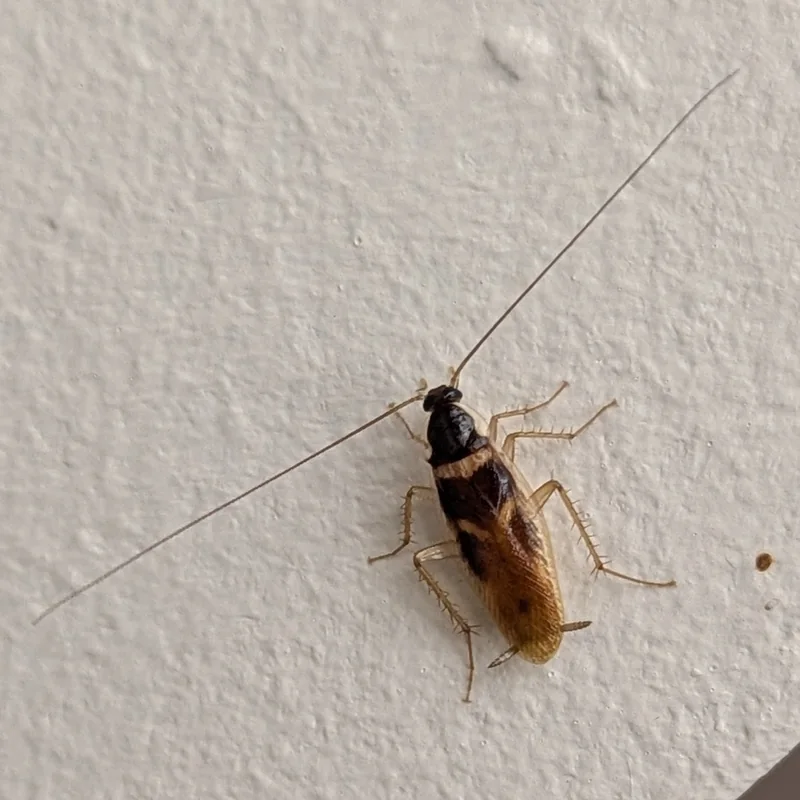
When Cockroaches Are Most Active in Maryland
Now (November): Lower Outdoor ActivityVerified Maryland Counties, Species & US Range
Counties with Verified Observations
- Baltimore
- Prince George's
- Frederick
- Howard
- Montgomery
- Anne Arundel
- Saint Mary's
- Calvert
- Charles
- Kent
Species Recorded in Maryland
| Species | Scientific Name | GBIF Records |
|---|---|---|
| Common Cockroach | Blatta orientalis | 199 |
| American Cockroach | Periplaneta americana | 102 |
| Eastern Subterranean Termite | Reticulitermes flavipes | 59 |
How Maryland Compares to Neighboring States
Note: Wildlife does not follow state or county lines. GBIF totals reflect verified citizen and museum records, so low counts in a neighboring county do not guarantee absence.
How to Identify Cockroaches
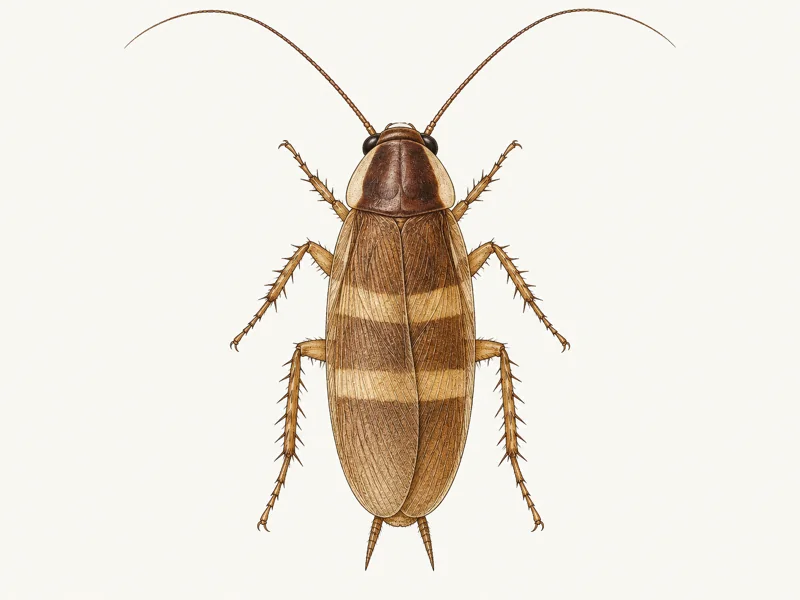
Annotated Anatomy Key (Cockroach)
- Long whip antennae: Thread-like filiform feelers sweeping wider than the entire body length.
- Pale-edged pronotum: Dark mahogany shield with translucent margins (lacks German roach's twin bars).
- Two pale wing bands: Unmistakable pair of light golden-tan bands crossing the tawny-brown folded wings.
- Spiny legs & cerci: Six bristled running legs and twin rear sensory cerci; prefers warm dry upper cabinets.
Cockroaches Field Checklist
- Flattened oval body with a shield-like pronotum partly covering the head
- Very long, whip-like antennae and spiny legs built for rapid running
- Two tail-like cerci protruding from the rear of the abdomen
- Nocturnal scavengers that trigger indoor asthma and contaminate food surfaces
Side-by-Side Look-Alike Comparisons
- Cockroach vs Water Bug
- Cockroach vs Palmetto Bug
- Bed Bug vs Cockroach
- Cockroach vs Earwig
- Cockroach vs Termite
- Cockroach vs Honey Bee
- Centipede vs Cockroach
- Cockroach vs Silverfish
- Cockroach vs German Cockroach
- Cockroach vs Wasp
- Cockroach vs Flea
- Camel Cricket vs Cockroach
- Carpet Beetle vs Cockroach
- American Cockroach vs Cockroach
- Cockroach vs Hornet
- Cockroach vs Tick
- Cockroach vs House Centipede
Cockroaches Size at True Relative Scale
Quick answer: Yes, cockroaches in Maryland are common, with 643 verified GBIF sightings concentrated in Baltimore, Prince George's, Frederick, Howard, and Montgomery counties. The most frequently recorded species are the Common Cockroach (Blatta orientalis, usually called the Oriental cockroach) and the American Cockroach (Periplaneta americana). They are a nuisance rather than a dangerous pest, and activity peaks in June and July.
Where Cockroaches Live in Maryland
If you are wondering, "are there cockroaches in Maryland?", the records leave little doubt. Sightings cluster in the state's most populated counties, where homes, apartments, restaurants, and sewer systems offer steady food, warmth, and moisture. Baltimore and Prince George's counties lead the list, followed by Frederick, Howard, and Montgomery.
Maryland's climate shapes where roaches settle. The humid subtropical conditions around the Chesapeake Bay favor moisture-loving species, while the cooler Appalachian highlands in the west, spanning USDA zones 5b through 8a statewide, push roaches to shelter indoors during cold months.
Species Recorded in Maryland
- Common Cockroach (Blatta orientalis): Shiny, dark brown to black, about 1 inch long. Often found in basements, crawl spaces, floor drains, and damp areas near foundations.
- American Cockroach (Periplaneta americana): Reddish-brown, up to 1.5 to 2 inches, with a pale band behind the head. Common in sewers, steam tunnels, boiler rooms, and commercial buildings.
- Eastern Subterranean Termite (Reticulitermes flavipes): Modern taxonomy places termites within the order Blattodea, so they appear in the same GBIF records. They are not roaches in the household sense, but they are a significant wood-destroying pest in Maryland.
When Cockroaches Are Most Active in Maryland
Maryland cockroach season peaks in June and July, when heat and humidity are highest. Outdoor populations expand during these months, and roaches often wander into homes through drains, gaps under doors, and openings around utility lines.
Activity slows as fall temperatures drop, but indoor populations can remain active all year. Basements, kitchens, and bathrooms stay warm and damp enough to support roaches through winter. Seeing roaches in January usually means they are living inside, not just visiting.
Seasonal Patterns to Watch
- Spring: Roaches emerge from sheltered sites as temperatures rise.
- Summer: Peak breeding and movement, especially after heavy rain floods outdoor harborage.
- Fall and winter: Roaches seek indoor warmth near pipes, water heaters, and appliances.
Look-Alikes Frequently Mistaken for Cockroaches
Accurate Maryland cockroach identification saves time and money, since control methods differ by species. Several insects in the state are often confused with one another.
- Water bugs: Many Marylanders use "water bug" for any large roach, especially Oriental and American cockroaches. True water bugs are aquatic insects with grasping front legs and flattened bodies built for swimming. They live in ponds and streams and rarely enter homes except when drawn to lights.
- German cockroaches: Small, about half an inch, light tan with two dark stripes behind the head. They live almost entirely indoors, especially in kitchens and bathrooms, and breed far faster than larger species.
- American cockroaches: Large and reddish-brown with well-developed wings. They can glide short distances and favor warm, damp commercial spaces.
- Oriental cockroaches: Dark and glossy with short or stubby wings. They move slowly, prefer cool damp spots, and are often found near drains and leaky pipes.
Termite swarmers are sometimes mistaken for flying insects of other kinds, but they look nothing like roaches. They have straight antennae, a thick waist, and four equal-length wings that break off easily.
How to Keep Cockroaches Out of Your Maryland Home
The best approach for how to prevent cockroaches in Maryland follows Integrated Pest Management (IPM), which university extension programs recommend nationwide. Start with exclusion, sanitation, and moisture control before considering any product.
Non-Chemical Steps First
- Seal entry points: Caulk cracks around baseboards, pipes, and windows. Install door sweeps and repair torn screens.
- Control moisture: Fix leaky faucets and pipes, run a dehumidifier in basements, and keep gutters draining away from the foundation.
- Cover drains: Use drain covers and keep floor drain traps filled with water to block sewer access.
- Remove food sources: Store food in sealed containers, clean crumbs nightly, and don't leave pet food out overnight.
- Reduce clutter: Recycle cardboard and paper bags, which offer hiding spots and egg-laying sites.
- Clear outdoor harborage: Pull mulch, leaf litter, and woodpiles back from the foundation.
Targeted Treatments
If roaches persist, gel baits and bait stations placed in cracks and hidden areas are generally more effective than broad sprays. Sticky traps help monitor activity and pinpoint hot spots. Always read and follow the EPA-registered product label exactly, and keep products away from children and pets.
When to Call a Licensed Maryland Pest Professional
- You see roaches during the day, which often signals a large population.
- You find German cockroaches, which spread quickly and resist many baits.
- Roaches keep returning after several weeks of consistent IPM.
- You live in a multi-unit building where infestations move between units.
- You notice termite swarmers, mud tubes, or damaged wood.
IPM Prevention Checklist for Maryland Homes
- Store all pantry foods in airtight glass/plastic containers and never leave dirty dishes overnight
- Fix leaking under-sink traps and dry wet counters/pet bowls before bed
- Seal gaps around plumbing pipes, baseboards, and exterior door sweeps
 EXCLUSION BLUEPRINT
Inspect eaves, screens, door sweeps, foundation cracks, and utility penetrations around Maryland homes before peak season.
Cockroaches in Maryland: Frequently Asked Questions
Are cockroaches common in Maryland?
Yes. Maryland has 643 verified GBIF sightings, with most records from Baltimore, Prince George's, Frederick, Howard, and Montgomery counties.
When is cockroach season in Maryland?
Activity peaks in June and July. Indoor populations can stay active year-round in warm, damp spaces like basements and kitchens.
Are Maryland "water bugs" actually cockroaches?
Usually, yes. Most large "water bugs" found indoors are Oriental or American cockroaches. True water bugs are aquatic and rarely live in homes.
Are cockroaches dangerous in Maryland?
They are considered a nuisance pest. Their droppings and shed skins can contaminate food and surfaces, so anyone with health concerns should talk with a doctor.
Sources & Verification
Data refreshed · Editorial & GBIF Methodology