Pests & Insects in West Virginia
Humid continental and Appalachian highland climate with moist forested valleys.
West Virginia Overview: West Virginia sits in the Mid-Atlantic, with a humid continental and Appalachian highland climate, moist forested valleys, and USDA Zones 5b–7a. Monitoring records document 54 species statewide.
West Virginia Overall Pest Activity Calendar
Now (November): Lower Outdoor ActivityMost Common Pests Documented in West Virginia
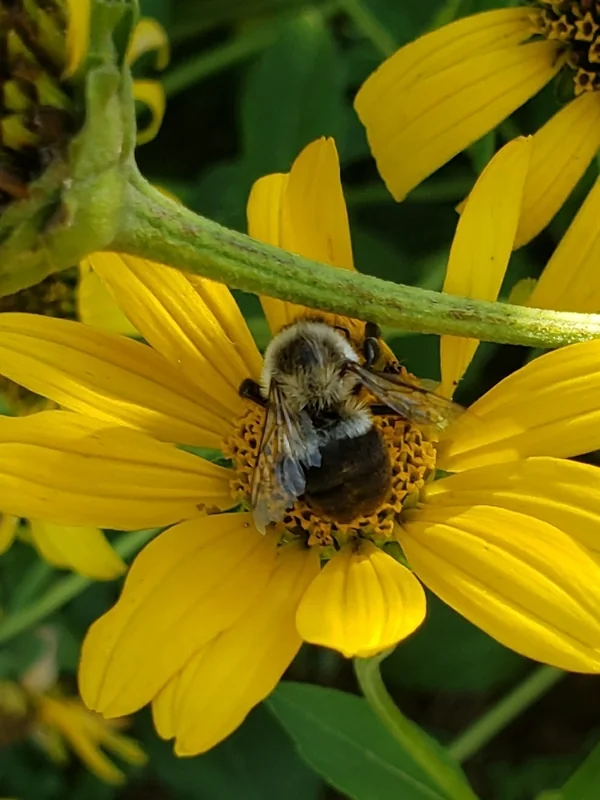
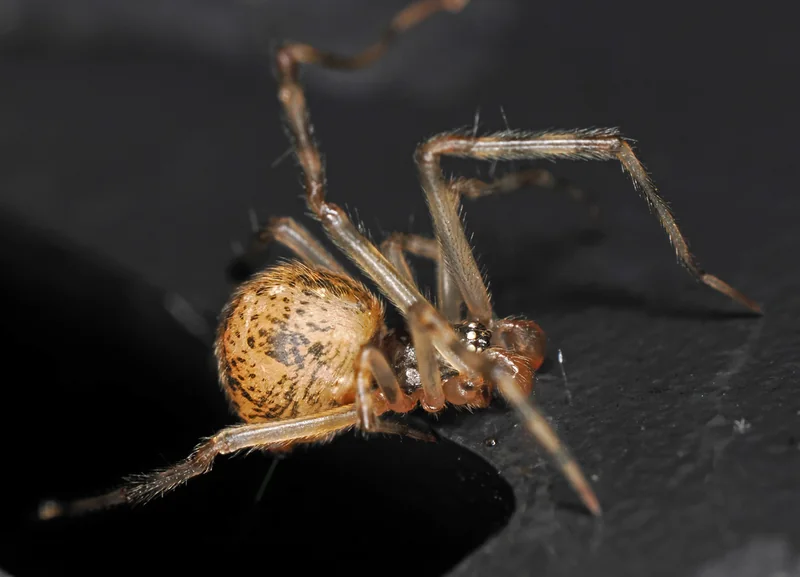
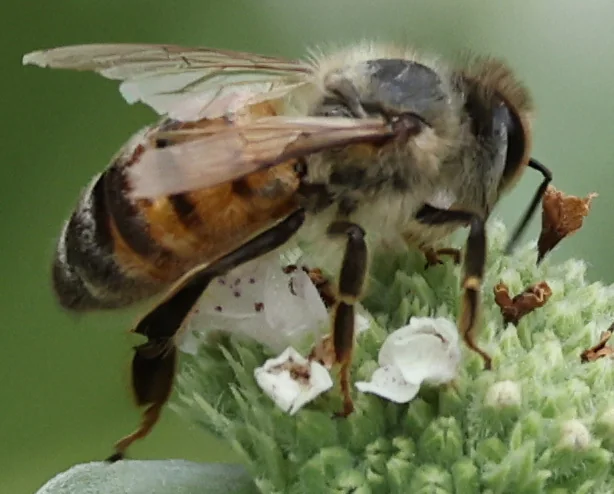
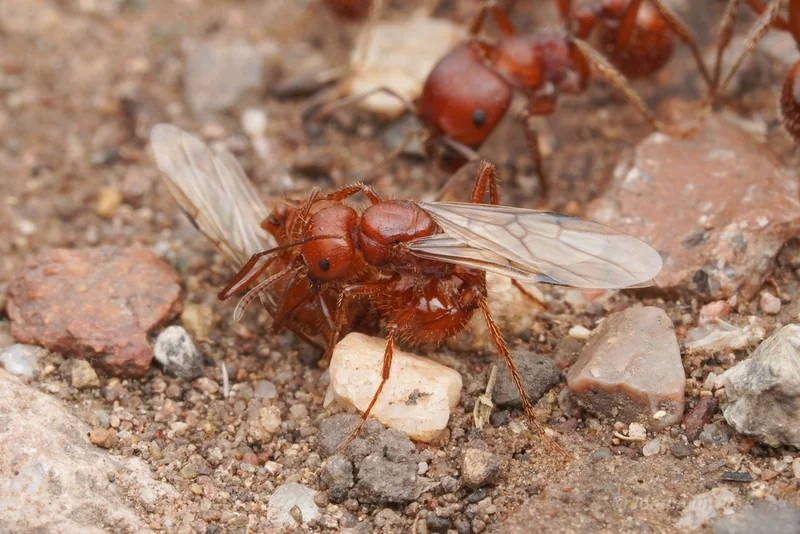
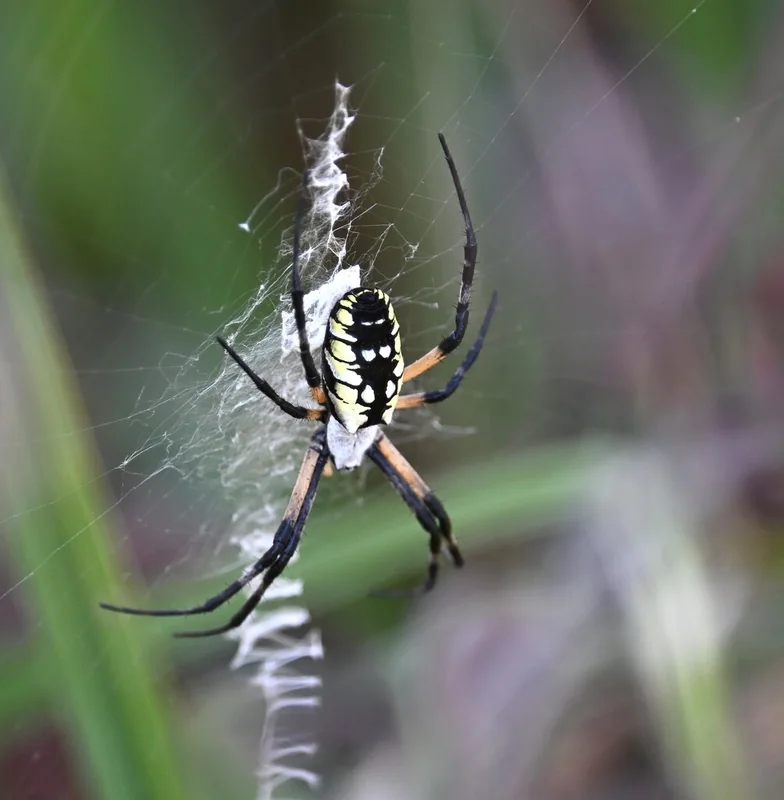
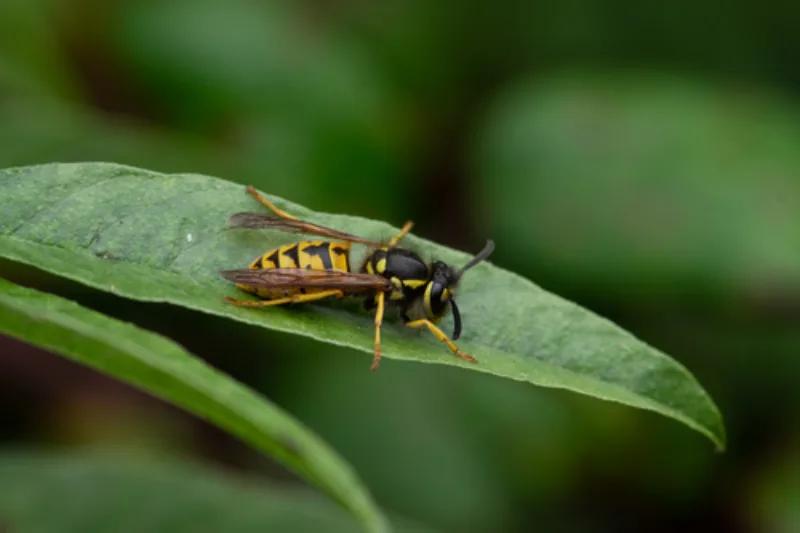
West Virginia Pest Snapshot: West Virginia sits in the Mid-Atlantic, with a humid continental and Appalachian highland climate, moist forested valleys, and USDA Zones 5b–7a. Monitoring records document 54 species statewide. The most frequently recorded include bumble bees, spiders, honey bees, flying ants, orb weavers, wasps, jumping spiders, ticks, millipedes, and Asian lady beetles.
This guide covers the common pests and insects in West Virginia: when they're active, how to identify them, and how to manage them safely.
Understanding West Virginia Pest Season Throughout the Year
The state's terrain shapes its bugs. Damp hollows, dense hardwood forest, and leaf litter hold moisture year-round, so moisture-loving pests like millipedes and ticks thrive here. Elevation also matters. A homeowner in the Eastern Panhandle's lower valleys often sees activity weeks before someone near the higher ridges of the Allegheny Highlands.
The West Virginia pest season generally follows this pattern:
- Spring (March–May): Flying ants swarm, tick activity climbs, and queen bumble bees and wasps start new nests.
- Summer (June–August): Stinging insect colonies peak, mosquitoes breed in standing water, and orb weavers build webs on porches.
- Fall (September–November): Asian lady beetles and stink bugs gather on sunny walls looking for a way inside. Yellow jackets turn aggressive around food.
- Winter (December–February): Overwintering beetles and rodents show up indoors, often near attics and wall voids.
Mild winters can stretch tick and mosquito activity well past the usual cutoffs.
The Most Common West Virginia Household Pests
Most West Virginia household pests are nuisances, not dangers. They still damage food, stain walls, and weaken wood when left alone. Accurate identification comes first, because the right fix depends on the species.
Ants, Cockroaches, and Stink Bugs Indoors
Flying ants are among the most-recorded bugs in West Virginia. Winged ants indoors in spring can signal a carpenter ant colony in damp wood. Check the waist: ants are pinched, while termites are thick-waisted.
Cockroaches tend to concentrate in kitchens and bathrooms, where they find warmth and water. Brown marmorated stink bugs and Asian lady beetles behave differently. They don't breed indoors. They squeeze through gaps in fall and reappear on warm winter days. Vacuuming is better than crushing them, since both release odors and lady beetles can stain surfaces.
Mice, Termites, and Other Structural Invaders
House and deer mice move inside as temperatures fall. A dime-sized gap is enough for them. Look for droppings, gnawed packaging, and grease marks along baseboards.
Subterranean termites favor moist soil, which these valleys provide in abundance. Warning signs include mud tubes on foundations and discarded wings near windowsills. Millipedes are harmless but common, and they crawl in from wet mulch after heavy rain.
Venomous Insects and Biting Bugs in West Virginia
Several venomous insects in West Virginia, along with biting arthropods, carry real medical risk. Medically significant species documented in the state include wasps, yellow jackets, paper wasps, hornets, ticks, mosquitoes, black widows, kissing bugs, and scorpions.
Ticks deserve special attention. They're among the most-recorded species statewide, and the forested habitat suits them well. After any time in tall grass or woods, people and pets should get a full tick check.
Stinging Insects and Venomous Spiders to Watch For
- Yellow jackets: They nest in the ground or in wall voids and become very defensive in late summer.
- Paper wasps: They build open, umbrella-shaped combs under eaves and deck rails.
- Hornets: They make large enclosed paper nests in trees or shrubs.
- Bumble and honey bees: These are important pollinators. They usually only sting when someone disturbs their nest.
- Black widows: Shiny black spiders with a red hourglass on the underside. They hide in woodpiles, sheds, and meter boxes.
Most spiders people find, including orb weavers and jumping spiders, are harmless and help control other pests. For any medically significant bite or sting, especially with swelling, breathing trouble, or spreading pain, contact US Poison Control at 1-800-222-1222 and see a doctor right away. Home remedies aren't a substitute for professional care.
Safe Integrated Pest Management Tips for West Virginia Homes
Integrated Pest Management (IPM) starts with prevention. Chemicals are a last resort. The goal is to remove what pests need: entry points, food, and moisture.
- Exclusion: Seal gaps around utility lines, replace worn door sweeps, and screen attic and crawlspace vents before fall arrives.
- Moisture control: Clean gutters, grade soil away from the foundation, and run a dehumidifier in damp basements.
- Sanitation: Store food in sealed containers, take trash out often, and keep firewood at least 20 feet from the house.
- Yard care: Mow regularly, pull mulch back from siding, and dump standing water every week to cut down on mosquitoes.
- Seasonal checks: Inspect eaves for wasp nests in spring, and look for termite mud tubes during summer.
If treatment becomes necessary, homeowners should always read and follow the EPA-registered product label exactly. Large stinging-insect nests, termite colonies, and persistent rodent problems are best left to a licensed pest professional.
All 60 Pests Monitored in West Virginia
Species with dedicated West Virginia field guides link straight to their state distribution sheet; others link to their national species folio.
| Pest | WV Status | Risk Level | Peak Months |
|---|---|---|---|
| Bumble Bees | Common & Established | Nuisance Pest | Jul, Aug, Sep |
| Spiders | Common & Established | Nuisance Pest | Jun, Jul, Aug |
| Honey Bees | Common & Established | Nuisance Pest | Jun, Jul, Aug |
| Flying Ants | Common & Established | Nuisance Pest | Apr, May, Jun |
| Orb Weaver Spiders | Common & Established | Harmless / Beneficial | Aug, Sep |
| Wasps | Common & Established | Medically Significant | Jun, Aug, Sep |
| Jumping Spiders | Common & Established | Harmless / Beneficial | Apr, May, Jun |
| Ticks | Common & Established | Medically Significant | Mar, Oct |
| Millipedes | Common & Established | Harmless / Beneficial | May, Jun, Jul |
| Asian Lady Beetles | Common & Established | Nuisance Pest | May, Jun, Aug |
| Spotted Lanternflies | Common & Established | Nuisance Pest | Sep |
| Carpenter Bees | Common & Established | Structural Risk | Apr, Jul, Aug |
| Pill Bugs (Roly-Polies) | Common & Established | Harmless / Beneficial | Apr, May |
| Yellow Jackets | Common & Established | Medically Significant | May, Jun, Aug |
| Stink Bugs | Common & Established | Nuisance Pest | Mar, Apr, Sep |
| Carpenter Ants | Common & Established | Structural Risk | Apr, May, Aug |
| Cicadas | Common & Established | Harmless / Beneficial | May, Jun, Aug |
| Paper Wasps | Common & Established | Medically Significant | Apr, Jul, Aug |
| Japanese Beetles | Common & Established | Nuisance Pest | Jul |
| Wolf Spiders | Common & Established | Nuisance Pest | Jun, Aug, Sep |
| Centipedes | Common & Established | Nuisance Pest | Apr, Aug, Sep |
| Boxelder Bugs | Common & Established | Nuisance Pest | Apr, May, Oct |
| Hornets | Common & Established | Medically Significant | Aug, Sep |
| Cockroaches | Common & Established | Nuisance Pest | Apr, May, Jun |
| Fleas | Common & Established | Nuisance Pest | Aug, Sep |
| House Centipedes | Common & Established | Harmless / Beneficial | Apr, Aug, Sep |
| Earwigs | Common & Established | Nuisance Pest | Jun, Jul |
| Drain Flies (Moth Flies) | Common & Established | Nuisance Pest | Jun, Jul, Aug |
| Camel Crickets (Spider Crickets) | Common & Established | Nuisance Pest | Jul, Aug, Sep |
| Carpet Beetles | Common & Established | Nuisance Pest | Mar, Apr |
| Sugar Ants (Odorous House Ants) | Present | Nuisance Pest | May, Jun, Jul |
| Mosquitoes | Present | Medically Significant | Jun, Sep |
| Pavement Ants | Present | Nuisance Pest | Mar, Apr, May |
| Black Widows | Present | Medically Significant | May, Jun, Aug |
| Cellar Spiders | Present | Harmless / Beneficial | Jun, Jul, Aug |
| Cicada Killers | Present | Nuisance Pest | Jul, Aug |
| Mud Daubers | Present | Nuisance Pest | Jun, Jul, Aug |
| Oriental Cockroaches | Present | Nuisance Pest | Jun, Aug |
| Water Bugs | Present | Nuisance Pest | Apr, Aug |
| Kissing Bugs | Present | Medically Significant | Jul, Aug, Sep |
| Fruit Flies | Present | Nuisance Pest | Apr, Jun, Jul |
| Pantry Moths (Indianmeal Moths) | Present | Nuisance Pest | Apr, Jul, Aug |
| Silverfish | Present | Nuisance Pest | Jan, Mar, Apr |
| Chiggers | Present | Nuisance Pest | Sep |
| Mole Crickets | Present | Nuisance Pest | Mar, Apr, May |
| June Bugs (May Beetles) | Present | Nuisance Pest | May, Jun |
| German Cockroaches | Present | Nuisance Pest | Mar |
| Bed Bugs | Present | Nuisance Pest | Apr |
| Pharaoh Ants | Present | Nuisance Pest | Aug, Sep, Oct |
| Clothes Moths | Present | Nuisance Pest | Feb, Mar, May |
| Fungus Gnats | Present | Nuisance Pest | May, Jun, Jul |
| American Cockroaches | Rare / Localized | Nuisance Pest | Jun, Aug |
| Termites | Rare / Localized | Structural Risk | Apr |
| Scorpions | Rare / Localized | Medically Significant | Oct |
| Tarantulas | Not Established | Nuisance Pest | — |
| Fire Ants | Not Established | Medically Significant | — |
| Brown Recluse Spiders | Not Established | Medically Significant | — |
| Hobo Spiders | Not Established | Nuisance Pest | — |
| Palmetto Bugs | Not Established | Nuisance Pest | — |
| Clover Mites | Not Established | Nuisance Pest | — |
Frequently Asked Questions
What are the most common pests and insects in West Virginia?
The most frequently recorded pests in West Virginia include bumble bees, spiders, honey bees, flying ants, orb weavers, wasps, jumping spiders, ticks, millipedes, and Asian lady beetles. The humid climate and forested valleys create ideal conditions for moisture-loving pests like millipedes and ticks.
When is pest season in West Virginia?
West Virginia pest season varies by quarter. Spring brings flying ants and ticks; summer peaks with stinging insects and mosquitoes; fall sees Asian lady beetles and stink bugs seeking shelter; winter brings overwintering beetles and rodents indoors. Mild winters can extend tick and mosquito activity beyond typical timeframes.
How can I identify carpenter ants versus termites in West Virginia?
Check the waist: carpenter ants are pinched at the waist, while termites have a thick waist. Winged ants indoors in spring may signal a carpenter ant colony in damp wood. Termites leave mud tubes on foundations and discarded wings near windowsills as warning signs.
What venomous insects and biting bugs pose a medical risk in West Virginia?
Medically significant species include wasps, yellow jackets, paper wasps, hornets, ticks, mosquitoes, black widows, kissing bugs, and scorpions. Ticks are particularly common in West Virginia's forested habitat. For serious bites or stings with swelling or breathing trouble, contact US Poison Control at 1-800-222-1222.
What integrated pest management tips work best for West Virginia homes?
IPM prioritizes prevention: seal gaps and vents, control moisture in basements and gutters, store food in sealed containers, maintain yard care, and perform seasonal inspections. Remove entry points, food, and moisture. Reserve chemical treatments for persistent problems or large stinging-insect nests best handled by licensed professionals.
Why are ticks such a common problem in West Virginia?
West Virginia's forested habitat, damp hollows, and abundant leaf litter create ideal conditions for ticks. The state's humid continental climate and moist valleys support year-round moisture, allowing ticks to thrive. After outdoor time in tall grass or woods, thorough tick checks on people and pets are essential.