Cockroaches in Indiana: Species, Season, and Prevention Guide
Quick Answer: Cockroaches in Indiana are common, with 441 verified GBIF sightings concentrated in Marion, Monroe, Vigo, Tippecanoe, and Vanderburgh counties. The recorded species are the American cockroach, the common (Oriental) cockroach, and the Pennsylvanian wood cockroach. They are a nuisance rather than a medical danger, and most problems can be managed with sanitation, moisture control, and exclusion.
When Cockroaches Are Most Active in Indiana
Now (November): Lower Outdoor ActivityVerified Indiana Counties, Species & US Range
Counties with Verified Observations
- Marion
- Monroe
- Vigo
- Tippecanoe
- Vanderburgh
- Boone
- Clark
- Vermillion
- Warrick
- Floyd
Species Recorded in Indiana
| Species | Scientific Name | GBIF Records |
|---|---|---|
| American Cockroach | Periplaneta americana | 103 |
| Common Cockroach | Blatta orientalis | 102 |
| Pennsylvanian wood cockroach | Parcoblatta pennsylvanica | 89 |
How Indiana Compares to Neighboring States
Note: Wildlife does not follow state or county lines. GBIF totals reflect verified citizen and museum records, so low counts in a neighboring county do not guarantee absence.
How to Identify Cockroaches
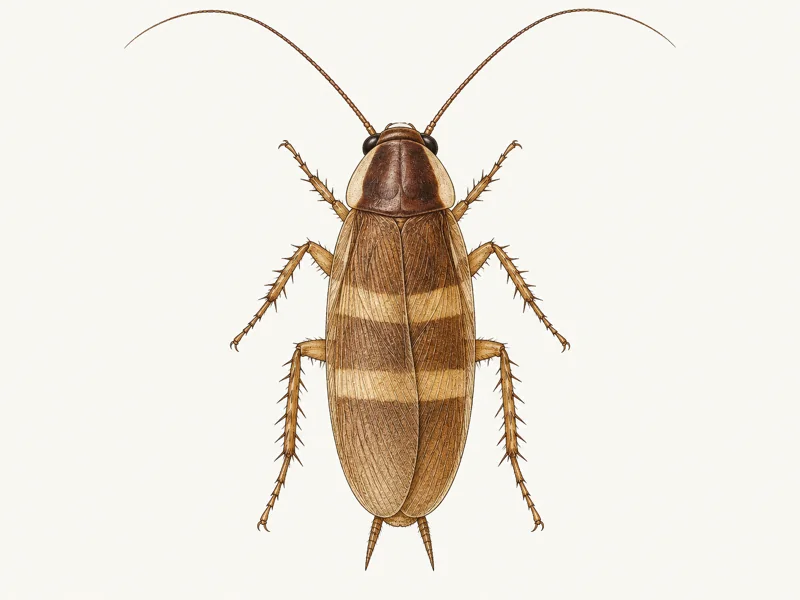
Annotated Anatomy Key (Cockroach)
- Long whip antennae: Thread-like filiform feelers sweeping wider than the entire body length.
- Pale-edged pronotum: Dark mahogany shield with translucent margins (lacks German roach's twin bars).
- Two pale wing bands: Unmistakable pair of light golden-tan bands crossing the tawny-brown folded wings.
- Spiny legs & cerci: Six bristled running legs and twin rear sensory cerci; prefers warm dry upper cabinets.
Cockroaches Field Checklist
- Flattened oval body with a shield-like pronotum partly covering the head
- Very long, whip-like antennae and spiny legs built for rapid running
- Two tail-like cerci protruding from the rear of the abdomen
- Nocturnal scavengers that trigger indoor asthma and contaminate food surfaces
Side-by-Side Look-Alike Comparisons
- Cockroach vs Water Bug
- Cockroach vs Palmetto Bug
- Bed Bug vs Cockroach
- Cockroach vs Earwig
- Cockroach vs Termite
- Cockroach vs Honey Bee
- Centipede vs Cockroach
- Cockroach vs Silverfish
- Cockroach vs German Cockroach
- Cockroach vs Wasp
- Cockroach vs Flea
- Camel Cricket vs Cockroach
- Carpet Beetle vs Cockroach
- American Cockroach vs Cockroach
- Cockroach vs Hornet
- Cockroach vs Tick
- Cockroach vs House Centipede
Cockroaches Size at True Relative Scale
Where Cockroaches Live in Indiana
So, are there cockroaches in Indiana? Yes. Verified records cluster around Indianapolis (Marion County), Bloomington (Monroe), Terre Haute (Vigo), Lafayette (Tippecanoe), and Evansville (Vanderburgh). These counties combine dense housing, universities, and river corridors, which means both more roaches and more people reporting them.
Each recorded species favors a different habitat:
- American cockroach (Periplaneta americana): The largest species in the state, about 1.5 inches long and reddish-brown with a pale, figure-eight pattern behind the head. It prefers warm, damp spaces such as sewers, steam tunnels, boiler rooms, and commercial basements.
- Common or Oriental cockroach (Blatta orientalis): Glossy, dark brown to black, and about 1 inch long. Wings are short in females and cover most of the body in males, and neither sex flies. It thrives in cool, wet areas like crawl spaces, floor drains, and leaf litter near foundations.
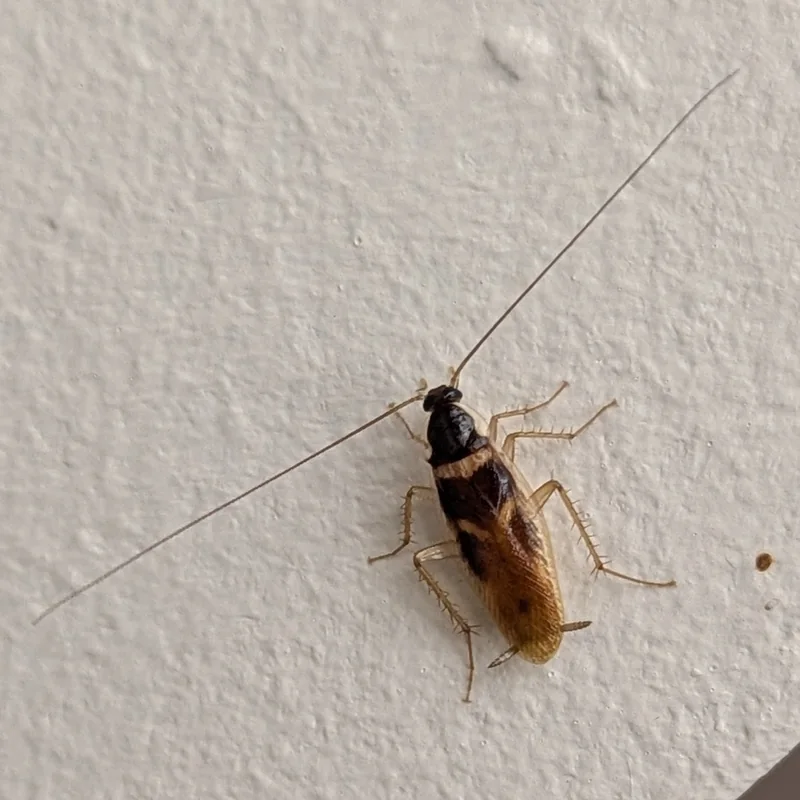
- Pennsylvanian wood cockroach (Parcoblatta pennsylvanica): A native outdoor species found under bark, in woodpiles, and in forest edges. Males are winged and drawn to porch lights. Indoors it rarely breeds, so it is usually an accidental visitor brought in on firewood.
Indiana's humid continental climate, with muggy summers and chilly winters (USDA zones 5b–6b), pushes outdoor roaches toward heated, moist structures as temperatures drop.
When Cockroaches Are Most Active in Indiana
Indiana cockroach season shows two clear peaks in GBIF records. The first runs from April through June, when warming soil and spring rain bring wood and Oriental cockroaches out of overwintering sites. The second comes in September, as late-summer populations peak and insects begin seeking shelter ahead of cold weather.
Male Pennsylvanian wood cockroaches often fly to lights on warm May and June nights. Oriental cockroaches tend to show up in basements during wet spring stretches. Indoor-adapted species in heated buildings can stay active year-round, regardless of the outdoor season.
Look-Alikes Frequently Mistaken for Cockroaches
Accurate Indiana cockroach identification matters, because treatment depends on the species. These insects are often confused locally:
- Water bugs: True water bugs, such as giant water bugs, are aquatic insects with grasping front legs and a flattened, oval shape. They sometimes land near lights by ponds. Many Hoosiers also call Oriental or American cockroaches "water bugs," which adds to the confusion.
- German cockroaches: Small (about 1/2 inch), light brown, with two dark parallel stripes behind the head. This is the classic indoor kitchen and bathroom pest that breeds rapidly in apartments and restaurants. A German roach indoors almost always means an established infestation rather than a stray visitor.
- American cockroaches: Often mistaken for wood cockroaches because both are brown and winged. The American cockroach is larger, and the wood cockroach has pale edges on the thorax and wings.
- Oriental cockroaches: Sometimes mistaken for beetles because of their dark, shiny bodies. Unlike beetles, they have long antennae and lack a hard wing case meeting in a straight line down the back.
How to Keep Cockroaches Out of Your Indiana Home
Knowing how to prevent cockroaches in Indiana starts with Integrated Pest Management (IPM). Cooperative extension guidance from land-grant universities recommends tackling food, water, and entry points before turning to pesticides.
Exclusion
- Seal gaps around pipes, utility lines, and foundation cracks with caulk or copper mesh.
- Install door sweeps and repair torn window and vent screens.
- Fit floor drains with screens or keep traps filled with water.
- Store firewood off the ground and away from the house, and inspect it before bringing it inside.
Sanitation and Moisture Control
- Fix leaky faucets and run a dehumidifier in damp basements and crawl spaces.
- Store food in sealed containers and clean crumbs and grease daily.
- Rake leaf litter and mulch back several inches from the foundation.
- Switch porch lights to yellow or LED bulbs that attract fewer flying males.
Targeted Treatment
If roaches persist, gel baits and bait stations placed in cracks are usually more effective than sprays. Sticky monitoring traps help show where activity is concentrated. Always read and follow the EPA-registered product label exactly, and keep products away from children and pets.
When to Call a Licensed Indiana Pest Professional
- You see German cockroaches, especially in daytime or in multiple rooms.
- You find egg cases, droppings resembling pepper, or a musty odor.
- Roaches keep appearing after several weeks of sanitation and baiting.
- You manage a multi-unit building where roaches move between apartments.
Choose a pest control company licensed through the Office of Indiana State Chemist, which regulates pesticide applicators in the state.
IPM Prevention Checklist for Indiana Homes
- Store all pantry foods in airtight glass/plastic containers and never leave dirty dishes overnight
- Fix leaking under-sink traps and dry wet counters/pet bowls before bed
- Seal gaps around plumbing pipes, baseboards, and exterior door sweeps
 EXCLUSION BLUEPRINT
Inspect eaves, screens, door sweeps, foundation cracks, and utility penetrations around Indiana homes before peak season.
Cockroaches in Indiana: Frequently Asked Questions
What is the most common cockroach in Indiana?
GBIF records include American, Oriental, and Pennsylvanian wood cockroaches. Wood cockroaches are frequently seen outdoors, while German cockroaches are the most common breeding pest inside homes and businesses.
Are cockroaches in Indiana dangerous?
They are rated a nuisance. They do not bite people in normal circumstances, but they can contaminate food and their droppings may aggravate allergies, so consult a doctor about any health concerns.
Why do I see cockroaches in my Indiana basement in spring?
Spring rains and warming temperatures from April through June drive Oriental and wood cockroaches toward damp foundations. Reducing moisture and sealing cracks usually solves the problem.
Can wood cockroaches infest my house?
Rarely. Pennsylvanian wood cockroaches usually wander in from outside or on firewood and do not survive long indoors. Remove them by hand and seal entry points.
Sources & Verification
Data refreshed · Editorial & GBIF Methodology