Cockroach vs Palmetto Bug: How to Tell the Difference and What It Means for Your Home
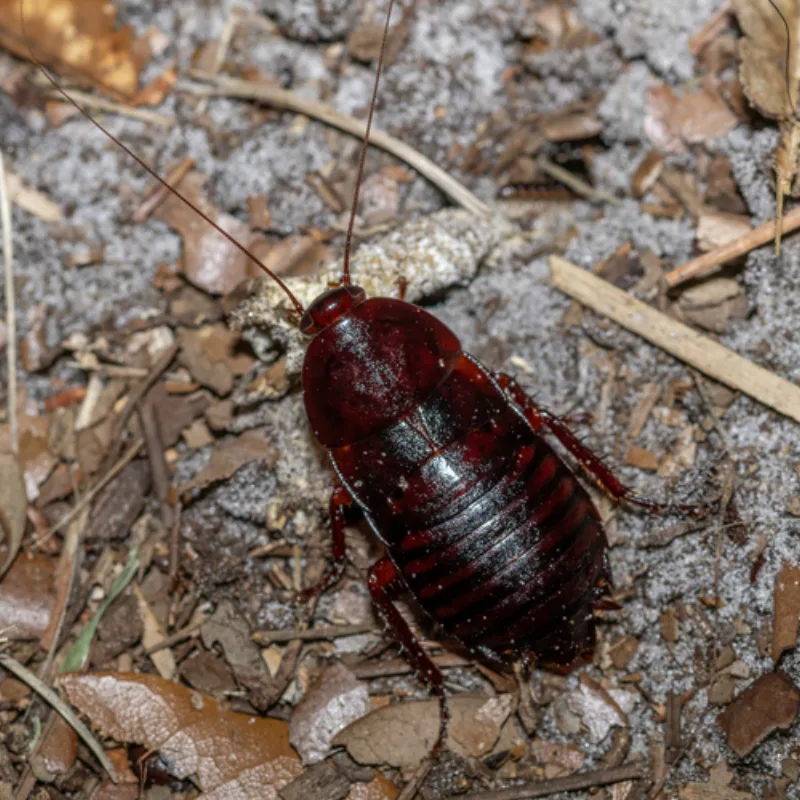
Quick ID Verdict: A large, dark insect darts across a Florida kitchen floor at midnight, and the homeowner wonders: cockroach or palmetto bug? Here's the 3-second answer. Every palmetto bug is a cockroach, but not every cockroach is a palmetto bug. A broad, shiny, reddish-brown to black roach around 30-40 mm with short wing stubs is almost certainly a Florida woods cockroach, the true "palmetto bug."
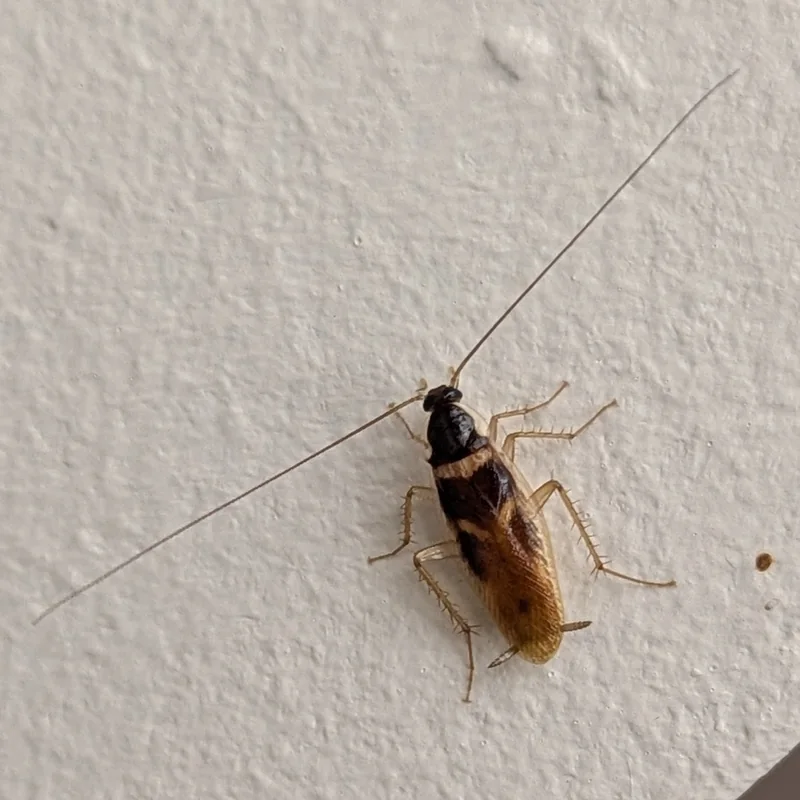
Cockroach
Palmetto Bug
Side-by-Side Comparison Table
| Trait | Cockroach | Palmetto Bug |
|---|---|---|
| Scientific Group | Blattodea | Eurycotis floridana |
| Category | Insect | Insect |
| Typical Size | 12–50 mm | 30–40 mm |
| Danger Level | Nuisance | Nuisance |
| Bites or Stings? | No | No |
| Peak US Months | May, June, July, September | May, September, October, November |
| Key ID Trait | Flattened oval body with a shield-like pronotum partly covering the head | Large, broad, shiny dark reddish-brown to black wood cockroach (Florida woods cockroach) |
Cockroach vs. Palmetto Bug: True Size Comparison
Side-by-Side Anatomy Blueprint
Compare body segments, antennae, leg count, and key markings directly before treating or removing either species.
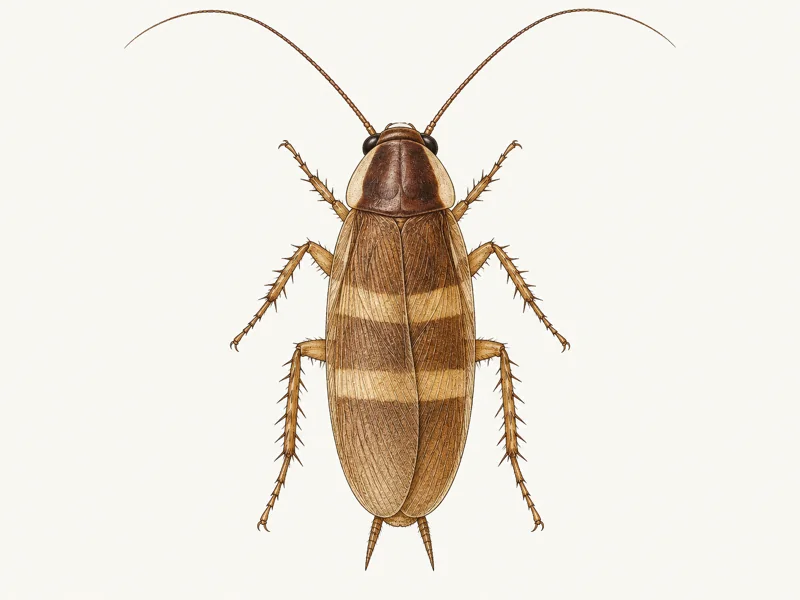
- Long whip antennae: Thread-like filiform feelers sweeping wider than the entire body length.
- Pale-edged pronotum: Dark mahogany shield with translucent margins (lacks German roach's twin bars).
- Two pale wing bands: Unmistakable pair of light golden-tan bands crossing the tawny-brown folded wings.
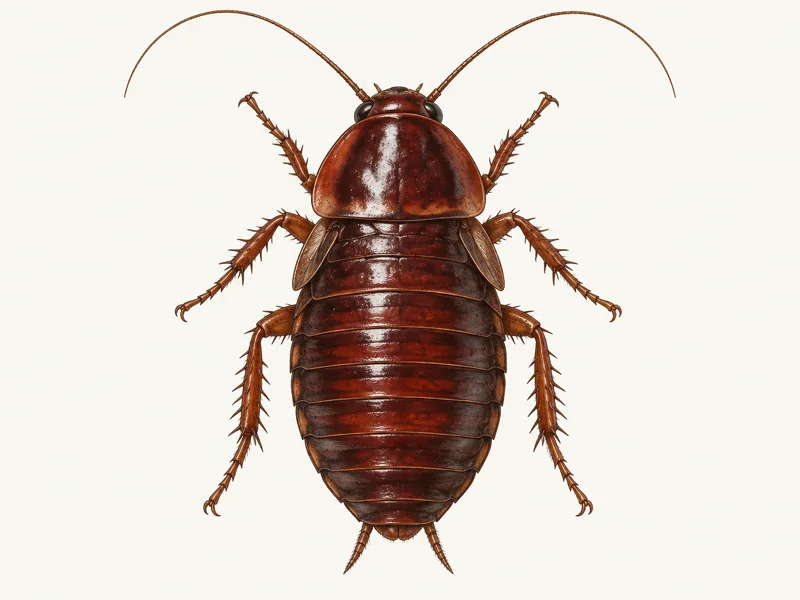
- Sweeping whip antennae: Long sensitive antennae on a broad, heavy-bodied 30–40 mm outdoor roach.
- Domed mahogany shield: Wide smooth reddish-mahogany thorax—solid glossy dark chestnut without bands.
- Heavy spiny legs: Six thick reddish-brown spiny legs built for mulch, palm fronds, and crawlspaces.
Is a Palmetto Bug Actually a Cockroach?
Yes. "Palmetto bug" is a regional nickname, mostly used across the Southeast, for the Florida woods cockroach (Eurycotis floridana). It belongs to the order Blattodea, the same group that includes every cockroach species found in US homes.
The confusion comes from how loosely people use the name. Many Southerners call any big roach a palmetto bug, including the American cockroach, partly because it sounds less unpleasant. So the real difference between cockroach and palmetto bug isn't cockroach versus non-cockroach. It's one specific outdoor species compared with the broader cockroach family.
Cockroach vs Palmetto Bug Identification: Key Physical Differences
Both insects share the classic cockroach build: a flattened oval body with a shield-like pronotum that partly covers the head. That plate is the fastest way to confirm a roach of any kind. Beyond that, a few traits separate the palmetto bug from its relatives.
Size, Color, and Wings
TraitCockroaches (Blattodea)Palmetto Bug (Eurycotis floridana)Length12-50 mm30-40 mmColorTan, light brown, reddish-brown, or black, depending on speciesShiny dark reddish-brown to blackBody shapeFlattened oval, varies from slim to broadLarge and noticeably broadWingsMany species have full wingsShort wing pads: adults don't flyA German cockroach, at roughly half an inch with two dark stripes behind the head, looks nothing like a palmetto bug. The American cockroach comes closer in size but is lighter reddish-brown with long, functional wings covering the abdomen.
Habitat and Behavior Clues
Where the insect turns up says a lot. Palmetto bugs are slow, somewhat clumsy outdoor roaches that wander inside by accident. German cockroaches, by contrast, breed inside kitchens and bathrooms and scatter fast when a light comes on.
Palmetto bugs also have a distinctive defense. When disturbed, they release a foul-smelling spray, which is why some locals call them "stinking cockroaches."
Where Palmetto Bugs Live and When They're Most Active
The Florida woods cockroach is most common in Florida and extends into nearby Gulf Coast areas with warm, humid conditions. Outdoors, it shelters in:
- Leaf litter and mulch beds
- Under loose bark, logs, and woodpiles
- Palmetto fronds and palm tree bases
- Tree holes, sheds, and crawl spaces
Activity rises during warm, wet months, typically late spring through early fall. Heavy rains, flooding, or sudden cold snaps often push them indoors looking for drier or warmer shelter. They're nocturnal, so sightings usually happen at night near doors, garages, and bathrooms.
Health Risks and Signs of an Infestation
Both are rated as nuisance pests. Neither carries venom, and palmetto bugs rarely bite. Still, indoor cockroaches can contaminate food surfaces, and their droppings and shed skins are known household allergens that may worsen asthma symptoms in sensitive people.
Which One Is Worse for Homeowners?
Indoor-breeding cockroaches, especially German cockroaches, are the bigger problem. They reproduce rapidly inside walls and cabinets, while palmetto bugs usually arrive one or two at a time and struggle to establish indoors. A palmetto bug sighting is unsettling: a steady stream of small roaches signals a true infestation.
Watch for these signs:
- Pepper-like droppings in drawers or under sinks
- Egg cases (oothecae) in cracks and corners
- A musty or oily odor
- Live roaches seen during daylight, which often means a crowded population
Safe IPM Strategies to Control Cockroaches and Palmetto Bugs
Integrated Pest Management (IPM) starts with making the home less inviting, not with sprays. For palmetto bugs especially, exclusion and moisture control solve most problems.
Exclusion
- Seal gaps around pipes, vents, and utility lines
- Install door sweeps and repair torn screens
- Caulk cracks along foundations and window frames
Moisture and habitat control
- Fix leaky faucets and AC drip lines
- Pull mulch and leaf litter a foot or more back from the foundation
- Store firewood off the ground and away from exterior walls
Sanitation
- Wipe up crumbs and grease nightly
- Keep food and pet food in sealed containers
- Take trash out regularly and use lidded bins
If roaches persist, gel baits and bait stations placed in cracks are lower-risk options than broadcast sprays. Always read and follow the EPA product label exactly, keep products away from children and pets, and call US Poison Control at 1-800-222-1222 for any accidental exposure. A licensed pest professional is the right next step for established German cockroach infestations.
Frequently Asked Questions
Is a palmetto bug the same thing as a cockroach?
No, but all palmetto bugs are cockroaches. 'Palmetto bug' is a regional nickname for the Florida woods cockroach (Eurycotis floridana). Many people use the term loosely to describe any large roach, but it technically refers to one specific outdoor species within the broader cockroach family.
What are the main physical differences between a cockroach and palmetto bug?
Palmetto bugs are 30-40 mm with shiny, dark reddish-brown bodies and short wing pads that don't allow flight. Other cockroaches vary in size (12-50 mm), color, and wing length. German cockroaches are smaller with stripes; American cockroaches are lighter with functional wings.
Why do palmetto bugs enter homes, and when do they come indoors?
Palmetto bugs are outdoor insects that wander indoors accidentally, especially during warm, wet months (late spring through early fall). Heavy rains, flooding, or cold snaps push them inside seeking shelter. Unlike German cockroaches, they don't breed indoors.
Can palmetto bugs bite or transmit diseases to humans?
Palmetto bugs rarely bite and don't carry venom. However, like indoor cockroaches, they can contaminate food surfaces. Their droppings and shed skins are known allergens that may worsen asthma symptoms in sensitive individuals.
How do you identify a cockroach infestation versus a palmetto bug sighting?
A single or occasional palmetto bug is likely accidental entry. Signs of a true cockroach infestation include pepper-like droppings in drawers, egg cases in cracks, musty odor, and live roaches seen during daylight hours, indicating a crowded population indoors.
What's the best way to prevent cockroaches and palmetto bugs from entering your home?
Seal gaps around pipes, vents, and foundations with caulk. Install door sweeps and repair screens. Control moisture by fixing leaky faucets. Remove mulch and leaf litter away from your foundation. Keep food sealed and maintain regular sanitation to eliminate attractants.