Cockroaches in New York: Species, Season, and Prevention Guide
Quick Answer: Yes, cockroaches in New York are common, with 1,673 verified GBIF sightings concentrated in New York, Suffolk, Kings, Queens, and Tompkins counties. Activity peaks from June through September, and recorded species include the American cockroach (Periplaneta americana) and the tawny cockroach (Ectobius pallidus).
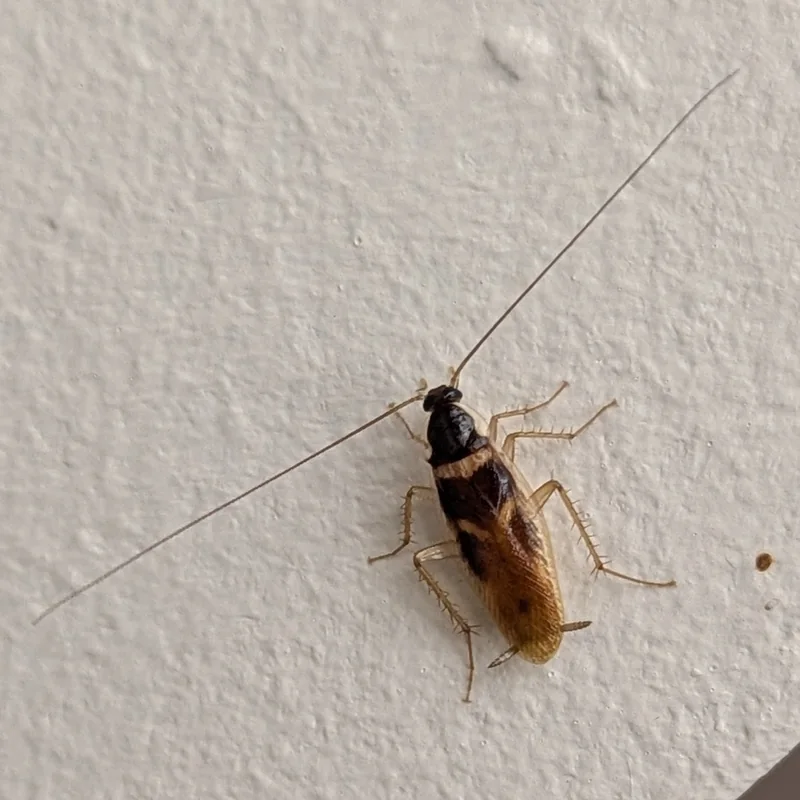
When Cockroaches Are Most Active in New York
Now (November): Moderate ActivityVerified New York Counties, Species & US Range
Counties with Verified Observations
- New York
- Suffolk
- Kings
- Queens
- Tompkins
- Nassau
- Broome
- Erie
- Onondaga
- Westchester
Species Recorded in New York
| Species | Scientific Name | GBIF Records |
|---|---|---|
| American Cockroach | Periplaneta americana | 446 |
| Tawny Cockroach | Ectobius pallidus | 310 |
| Eastern Subterranean Termite | Reticulitermes flavipes | 202 |
How New York Compares to Neighboring States
Note: Wildlife does not follow state or county lines. GBIF totals reflect verified citizen and museum records, so low counts in a neighboring county do not guarantee absence.
How to Identify Cockroaches
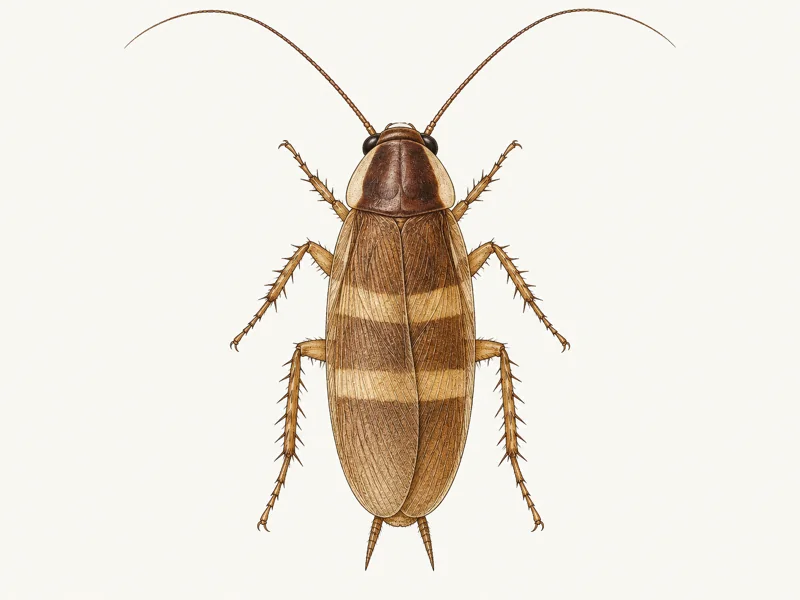
Annotated Anatomy Key (Cockroach)
- Long whip antennae: Thread-like filiform feelers sweeping wider than the entire body length.
- Pale-edged pronotum: Dark mahogany shield with translucent margins (lacks German roach's twin bars).
- Two pale wing bands: Unmistakable pair of light golden-tan bands crossing the tawny-brown folded wings.
- Spiny legs & cerci: Six bristled running legs and twin rear sensory cerci; prefers warm dry upper cabinets.
Cockroaches Field Checklist
- Flattened oval body with a shield-like pronotum partly covering the head
- Very long, whip-like antennae and spiny legs built for rapid running
- Two tail-like cerci protruding from the rear of the abdomen
- Nocturnal scavengers that trigger indoor asthma and contaminate food surfaces
Side-by-Side Look-Alike Comparisons
- Cockroach vs Water Bug
- Cockroach vs Palmetto Bug
- Bed Bug vs Cockroach
- Cockroach vs Earwig
- Cockroach vs Termite
- Cockroach vs Honey Bee
- Centipede vs Cockroach
- Cockroach vs Silverfish
- Cockroach vs German Cockroach
- Cockroach vs Wasp
- Cockroach vs Flea
- Camel Cricket vs Cockroach
- Carpet Beetle vs Cockroach
- American Cockroach vs Cockroach
- Cockroach vs Hornet
- Cockroach vs Tick
- Cockroach vs House Centipede
Cockroaches Size at True Relative Scale
Quick Answer: Yes, cockroaches in New York are common, with 1,673 verified GBIF sightings concentrated in New York, Suffolk, Kings, Queens, and Tompkins counties. Activity peaks from June through September, and recorded species include the American cockroach (Periplaneta americana) and the tawny cockroach (Ectobius pallidus). They are a nuisance pest, and sanitation, moisture control, and sealing entry points are the best first defenses.
Where Cockroaches Live in New York
Anyone asking whether there are cockroaches in New York only needs to look at the sighting data. Records cluster heavily in New York County (Manhattan), Kings (Brooklyn), and Queens, where dense housing, steam heat, and extensive sewer systems give roaches warmth, water, and food all year. Suffolk County on Long Island and Tompkins County in the Finger Lakes region also rank among the top counties for verified sightings.
The state spans USDA zones 3b to 7b, with a humid continental climate inland and a milder humid subtropical influence near New York City and Long Island. That climate gap shapes where roaches thrive. Outdoors, cold upstate winters limit survival, so most indoor problems in colder areas trace back to heated buildings, basements, and items carried in from elsewhere.
Common Hiding Spots
- American cockroaches: Sewers, steam tunnels, basements, boiler rooms, and floor drains.
- Tawny cockroaches: An introduced outdoor species found in leaf litter, gardens, and wooded edges. It may wander indoors but rarely establishes there.
- Indoor hotspots: Kitchens, bathrooms, behind appliances, under sinks, and inside wall voids near plumbing.
GBIF records filed under this group also include the Eastern subterranean termite (Reticulitermes flavipes). Modern taxonomy places termites within the order Blattodea, but termites damage wood and require different control methods than roaches.
When Cockroaches Are Most Active in New York
New York cockroach season peaks in June, July, August, and September. Warm, humid summer weather speeds roach development and increases outdoor movement. Large American cockroaches are most often spotted near sidewalk grates, drains, and building foundations on muggy nights.
In heated apartment buildings, indoor populations can stay active through winter. As temperatures fall in autumn, roaches living outdoors or in sewers may move toward warmer basements and lower floors. Homeowners often notice more sightings in late summer and early fall.
Look-Alikes Frequently Mistaken for Cockroaches
Good New York cockroach identification starts with sorting out common nicknames from real species. Several of the names New Yorkers use refer to the same insects.
- Water bugs: Many New Yorkers use this name for American or Oriental cockroaches found near drains. True giant water bugs are aquatic insects with grasping front legs and are rarely found indoors.
- Palmetto bugs: A regional nickname, usually for the American cockroach. It is not a separate pest.
- German cockroaches: Small (about 1/2 inch), tan, with two dark stripes behind the head. They are the most common kitchen infester in apartments.
- American cockroaches: Large (1.5 to 2 inches), reddish-brown, with a yellowish band behind the head. They are strong runners and can fly short distances.
- Oriental cockroaches: Shiny, dark brown to black, about 1 inch long, and sluggish. They favor cool, damp basements.
Beetles also cause confusion. Beetles have hard wing covers that meet in a straight line down the back and short antennae, while cockroaches have flattened bodies and long, threadlike antennae.
How to Keep Cockroaches Out of Your New York Home
Learning how to prevent cockroaches in New York begins with Integrated Pest Management (IPM). University cooperative extension IPM guidance consistently ranks exclusion, sanitation, and moisture control ahead of chemical treatments.
Exclusion
- Seal gaps around pipes, radiators, and utility lines with caulk or copper mesh.
- Install door sweeps and repair torn window screens.
- Fit floor drains with tight covers or one-way drain valves.
- Inspect grocery bags, cardboard boxes, and secondhand appliances before bringing them inside.
Sanitation and Moisture Control
- Store food in sealed containers and clean crumbs and grease daily.
- Take out trash nightly and keep bins lidded.
- Fix leaky faucets and pipes, and run a dehumidifier in damp basements.
- Remove clutter such as paper bags, newspapers, and cardboard stacks.
Targeted Treatments
If roaches persist, gel baits and bait stations placed in cracks are more targeted than sprays. Always read and follow the EPA-registered product label exactly, and keep products away from children and pets. If anyone swallows a pesticide, contact US Poison Control at 1-800-222-1222.
When to Call a Licensed New York Pest Professional
- You see roaches during the day, which often signals a heavy infestation.
- Droppings, egg cases, or a musty odor keep appearing despite cleaning.
- Roaches are entering through shared walls in a multi-unit building.
- You find signs of termites, such as mud tubes or damaged wood.
Choose an applicator certified by the New York State Department of Environmental Conservation. Renters should notify their landlord in writing, since building-wide treatment is often needed.
IPM Prevention Checklist for New York Homes
- Store all pantry foods in airtight glass/plastic containers and never leave dirty dishes overnight
- Fix leaking under-sink traps and dry wet counters/pet bowls before bed
- Seal gaps around plumbing pipes, baseboards, and exterior door sweeps
 EXCLUSION BLUEPRINT
Inspect eaves, screens, door sweeps, foundation cracks, and utility penetrations around New York homes before peak season.
Cockroaches in New York: Frequently Asked Questions
Are there cockroaches in New York?
Yes. Cockroaches are common statewide, with 1,673 verified GBIF sightings led by New York, Suffolk, Kings, Queens, and Tompkins counties.
What is the most common large cockroach in New York City?
The American cockroach (Periplaneta americana) is the large, reddish-brown roach that New Yorkers often call a "water bug." It lives in sewers, basements, and steam tunnels.
When is cockroach season in New York?
Sightings peak from June through September. Indoor populations in heated buildings can remain active year-round.
Are New York cockroaches dangerous?
They are classified as a nuisance pest. They can contaminate food and surfaces, so prompt sanitation and IPM-based control are recommended.
Sources & Verification
Data refreshed · Editorial & GBIF Methodology