Water Bugs in New York: Identification, Season and Prevention
Quick Answer: True water bugs (family Belostomatidae) are considered rare in New York, with only 2 verified GBIF sightings, both from Tompkins County and both of the species Belostoma flumineum. Records peak in September and October. Most "water bugs" New Yorkers find indoors are actually cockroaches, especially American and Oriental cockroaches.
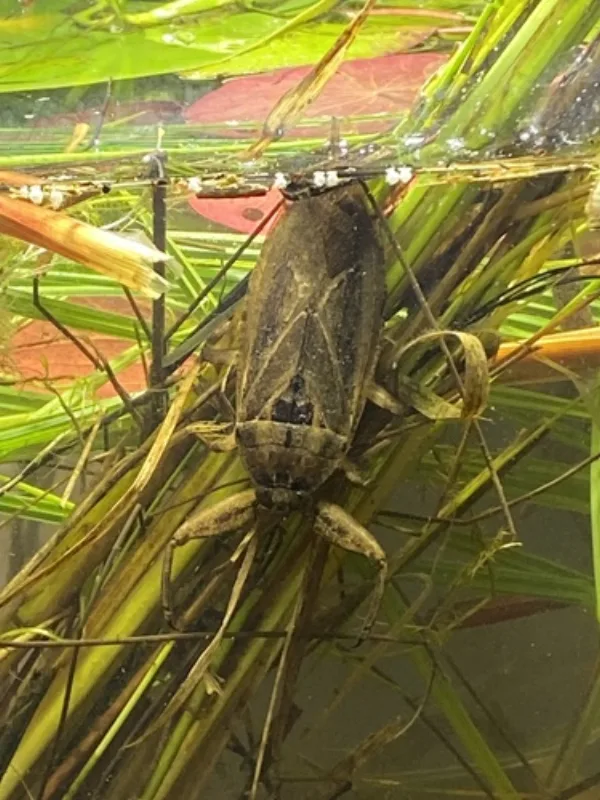
When Water Bugs Are Most Active in New York
Now (November): Lower Outdoor ActivityVerified New York Counties, Species & US Range
Counties with Verified Observations
- Tompkins
Species Recorded in New York
| Species | Scientific Name | GBIF Records |
|---|---|---|
| Belostoma flumineum | Belostoma flumineum | 2 |
How New York Compares to Neighboring States
Note: Wildlife does not follow state or county lines. GBIF totals reflect verified citizen and museum records, so low counts in a neighboring county do not guarantee absence.
How to Identify Water Bugs
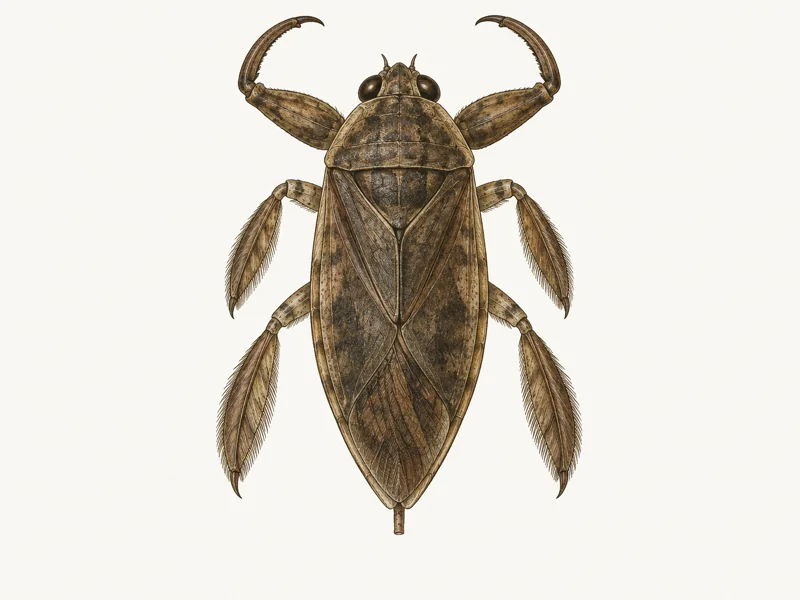
Annotated Anatomy Key (Water Bug)
- Raptorial front claws: Massive curved pincer-like forelegs grasp prey—cockroaches never have these claws.
- Pointed piercing beak: Short stout rostrum tucked under the head can deliver a painful defensive bite.
- Flat olive wing covers: Broad oval leathery-brown wings (45–65 mm) drawn to porch lights at night.
- Oar-like swimming legs: Broad, flattened, hair-fringed middle and hind legs act as aquatic paddles.
Water Bugs Field Checklist
- True giant water bugs have flattened oval brown bodies with powerful grasping front legs and short piercing beaks
- Strong swimmers and night fliers attracted to bright parking-lot and porch lights
- Can deliver a painfully sharp defensive bite ('toe-biter') if handled
- NOTE: Many homeowners mistakenly call Oriental or American cockroaches 'water bugs'
Water Bugs Size at True Relative Scale
Where Water Bugs Live in New York
Giant water bugs are aquatic insects. They live in ponds, marshes, slow streams, and weedy lake margins, where they ambush tadpoles, snails, small fish, and other insects. Belostoma flumineum, the only species verified in New York's GBIF records, is a smaller member of the family, typically about three-quarters of an inch to an inch long.
Both verified New York sightings come from Tompkins County in the Finger Lakes region, an area rich in gorges, wetlands, and lake shallows. That doesn't mean the insects are absent elsewhere. Aquatic insects are often underreported, but documented evidence statewide remains limited.
New York's climate ranges from humid continental inland to humid subtropical near New York City and Long Island, spanning USDA zones 3b to 7b. Water bugs need permanent or semi-permanent fresh water. They do not breed in homes, sewers, or basements.
New York Water Bug Identification
- Body: Flat, oval, and brown to olive-brown, built for swimming.
- Front legs: Thick, grasping "raptorial" legs, like a praying mantis, held forward.
- Mouthparts: A short, pointed beak used for piercing prey, not chewing.
- Antennae: Very short and tucked out of sight, unlike the long antennae of cockroaches.
- Eggs: In Belostoma, females glue eggs onto the male's back, and he carries them until they hatch.
When Water Bugs Are Most Active in New York
New York's verified water bug records fall in September and October. Late summer and early fall is when many adults disperse by flying between bodies of water, especially on warm nights. That is also when they are most likely to be noticed by people.
Adults are attracted to bright lights during these flights. That explains occasional finds on porches, under streetlights, or near lit windows close to ponds and wetlands. During New York's cold months, water bugs overwinter in mud or debris underwater and are rarely seen.
For practical purposes, the New York water bug season runs from late summer into mid-fall. A large brown insect found indoors in January is almost certainly a cockroach, not a water bug.
Look-Alikes Frequently Mistaken for Water Bugs
In everyday New York speech, "water bug" often refers to large cockroaches that appear around drains, basements, and damp areas. Knowing the difference helps homeowners choose the right response.
- American cockroaches: Reddish-brown, about 1.5 inches long, with a pale yellowish band behind the head. Common in steam tunnels, sewers, and building basements in New York City.
- Oriental cockroaches: Glossy, dark brown to black, about an inch long, with short wings. Favor cool, damp basements, crawl spaces, and floor drains.
- Palmetto bugs: A nickname, not a separate species, often used for American cockroaches and other large roaches.
- Other cockroaches: Smaller roaches in kitchens and bathrooms are sometimes lumped under the "water bug" label as well.
The quickest way to tell them apart is to look at the legs and antennae. Cockroaches have long, thread-like antennae and slender running legs. Giant water bugs have hidden antennae and thick, clawed front legs for grabbing prey.
How to Keep Water Bugs Out of Your New York Home
True water bugs don't infest homes. Indoor sightings are accidental, usually from bugs drawn to lights. Prevention focuses on lighting and exclusion. For cockroach look-alikes, add sanitation and moisture control.
Non-Chemical Steps First
- Adjust outdoor lighting: Use yellow "bug" bulbs or warm LEDs and turn off porch lights during September and October nights.
- Seal entry points: Repair torn screens, add door sweeps, and caulk gaps around pipes and utility lines.
- Control moisture: Fix leaks, run a dehumidifier in damp basements, and keep gutters clear.
- Cover drains: Use drain covers and run water in unused floor drains so traps stay filled.
- Remove food and clutter: Store food in sealed containers and reduce cardboard and debris where roaches hide.
A stray water bug indoors can be gently scooped into a container and released near water. If insecticides are needed for cockroaches, use products registered for that use and always follow the EPA product label exactly.
When to Call a Licensed New York Pest Professional
- You see large insects indoors repeatedly, especially in daylight.
- You find droppings, egg cases, or shed skins in cabinets, basements, or near drains.
- Roaches appear in multiple rooms or units of an apartment building.
- Do-it-yourself sealing and sanitation haven't reduced sightings within a few weeks.
A pest professional licensed by the New York State Department of Environmental Conservation can confirm the species and build an IPM plan suited to your building.
IPM Prevention Checklist for New York Homes
- Switch bright white outdoor lights near pools/patios to warm yellow bulbs
- Keep swimming pools skimmed and covered at night
 EXCLUSION BLUEPRINT
Inspect eaves, screens, door sweeps, foundation cracks, and utility penetrations around New York homes before peak season.
Water Bugs in New York: Frequently Asked Questions
Are there water bugs in New York?
Yes, but true giant water bugs are rare in New York's verified records. GBIF lists 2 sightings, both Belostoma flumineum from Tompkins County. Most indoor "water bugs" are cockroaches.
Do water bugs bite in New York?
Giant water bugs can deliver a painful bite if handled, but they are considered a nuisance, not a serious threat. Avoid picking them up bare-handed. If you have concerns after a bite, contact a doctor or US Poison Control at 1-800-222-1222.
Why are water bugs in my New York City apartment?
The large insects in city apartments are almost always American or Oriental cockroaches traveling through drains, pipes, and wall voids. Sealing gaps, fixing leaks, and contacting building management or a licensed professional work best.
What month are water bugs most common in New York?
New York's verified water bug records peak in September and October, when adults fly between ponds and wetlands and are drawn to lights.
Sources & Verification
Data refreshed · Editorial & GBIF Methodology