Water Bugs in South Carolina: Identification, Season, and Prevention
Quick Answer: Yes, giant water bugs (family Belostomatidae) are common in South Carolina, with 215 verified GBIF sightings statewide. They are aquatic insects that live in ponds and slow water, and they usually reach homes only when drawn by outdoor lights. They are a nuisance, not a household infestation pest.
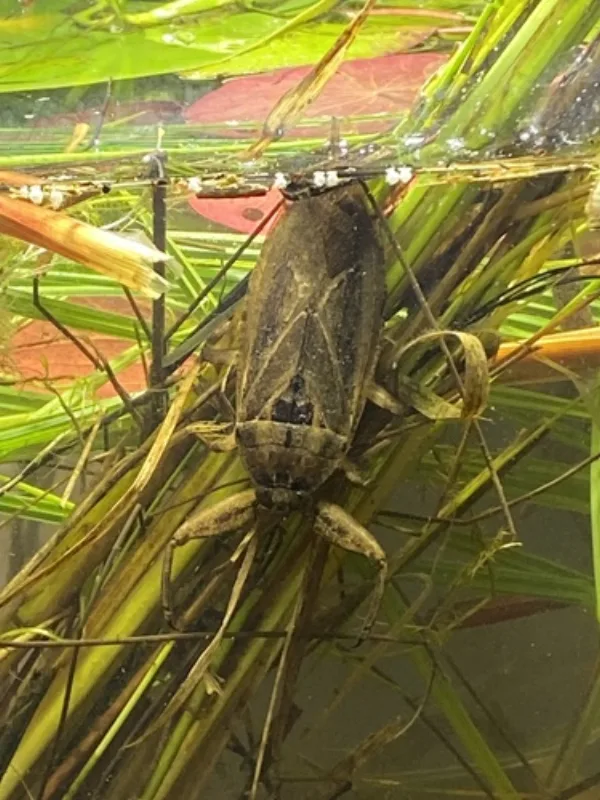
When Water Bugs Are Most Active in South Carolina
Now (November): Lower Outdoor ActivityVerified South Carolina Counties, Species & US Range
Counties with Verified Observations
- Richland
- Beaufort
- Horry
- Charleston
- Spartanburg
- Greenwood
- Lexington
- Aiken
- Cherokee
- Jasper
Species Recorded in South Carolina
| Species | Scientific Name | GBIF Records |
|---|---|---|
| Eastern Toe-biter | Benacus griseus | 75 |
| Uhler's Giant Water Bug | Lethocerus uhleri | 68 |
| Belostoma lutarium | Belostoma lutarium | 11 |
How South Carolina Compares to Neighboring States
Note: Wildlife does not follow state or county lines. GBIF totals reflect verified citizen and museum records, so low counts in a neighboring county do not guarantee absence.
How to Identify Water Bugs
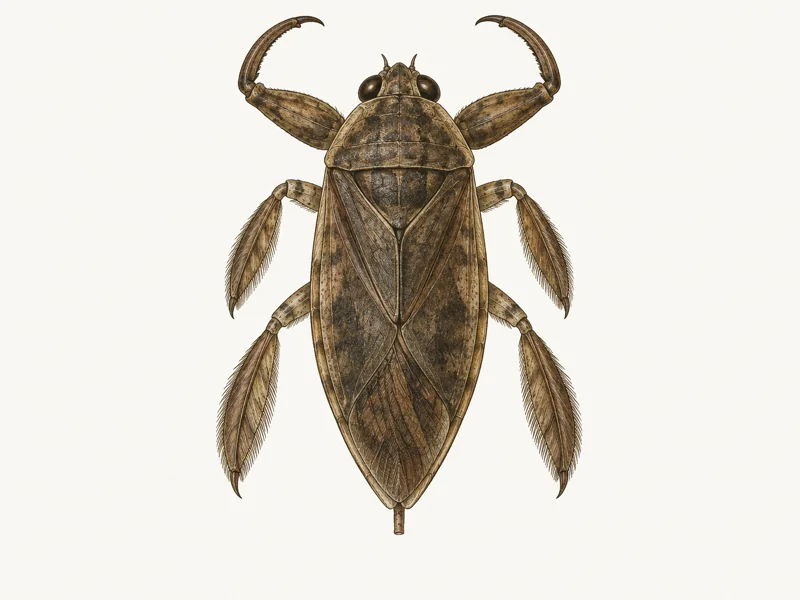
Annotated Anatomy Key (Water Bug)
- Raptorial front claws: Massive curved pincer-like forelegs grasp prey—cockroaches never have these claws.
- Pointed piercing beak: Short stout rostrum tucked under the head can deliver a painful defensive bite.
- Flat olive wing covers: Broad oval leathery-brown wings (45–65 mm) drawn to porch lights at night.
- Oar-like swimming legs: Broad, flattened, hair-fringed middle and hind legs act as aquatic paddles.
Water Bugs Field Checklist
- True giant water bugs have flattened oval brown bodies with powerful grasping front legs and short piercing beaks
- Strong swimmers and night fliers attracted to bright parking-lot and porch lights
- Can deliver a painfully sharp defensive bite ('toe-biter') if handled
- NOTE: Many homeowners mistakenly call Oriental or American cockroaches 'water bugs'
Water Bugs Size at True Relative Scale
Quick Answer: Yes, giant water bugs (family Belostomatidae) are common in South Carolina, with 215 verified GBIF sightings statewide. They are aquatic insects that live in ponds and slow water, and they usually reach homes only when drawn by outdoor lights. They are a nuisance, not a household infestation pest.
Where Water Bugs Live in South Carolina
Water bugs are freshwater predators. They live in ponds, marsh edges, slow streams, ditches, and retention basins, where they hunt insects, tadpoles, and small fish. South Carolina's humid subtropical climate (USDA zones 7a to 9a) keeps this habitat available for much of the year.
GBIF records show the most sightings in Richland, Beaufort, Horry, Charleston, and Spartanburg counties. That spread covers the Midlands, the Lowcountry coast, the Grand Strand, and the Upstate. Three species appear in the records:
- Eastern Toe-biter (Benacus griseus): a large, flat, brown bug, often over two inches long.
- Uhler's Giant Water Bug (Lethocerus uhleri): another large species with strong, grasping front legs.
- Belostoma lutarium: a smaller relative, generally more modest in size.
When Water Bugs Are Most Active in South Carolina
For anyone asking about South Carolina water bug season, GBIF records peak in April. Warming spring weather sends adults flying between ponds and wetlands, and they are often seen at night.
Water bugs are strong fliers and are drawn to bright lights. Porch lights, gas station canopies, and pool lights near water can attract them, and they are sometimes found on pavement the next morning. Sightings continue through the warm months but are most noticeable in spring.
Handle them carefully. The common name "toe-biter" is earned: a large water bug can deliver a painful bite if grabbed or stepped on. The bite is not considered dangerous, but if you have a strong reaction, call US Poison Control at 1-800-222-1222 or see a doctor.
Look-Alikes Frequently Mistaken for Water Bugs
South Carolina water bug identification starts with a simple question: was it near water or near the kitchen? Giant water bugs have flattened oval bodies, raptorial front legs, a short beak, and a pair of short breathing straps at the tail end. Cockroaches have long, whip-like antennae and spiny legs built for running.
Several local insects get called "water bugs" by mistake:
- American cockroaches: reddish-brown, often 1.5 inches long, with a pale marking behind the head.
- Oriental cockroaches: shiny, dark brown to black, and found in damp basements, drains, and crawl spaces.
- Palmetto bugs: a regional nickname for large cockroaches, usually American cockroaches.
- Other cockroaches: many are called "water bugs" in homes, but they are a different insect group entirely.
The distinction matters because control differs. A giant water bug on the porch needs no treatment. A cockroach indoors points to moisture, food, or entry problems.
How to Keep Water Bugs Out of Your South Carolina Home
If you are wondering how to prevent water bugs in South Carolina, start with non-chemical steps. Because true water bugs are drawn to light and water, small changes outdoors do the most.
- Switch exterior lights to yellow "bug" bulbs or warm LEDs, and turn off unneeded lights near ponds and pools.
- Use motion sensors instead of all-night lighting.
- Seal gaps around doors, windows, and utility lines, and install door sweeps.
- Repair leaky pipes and outdoor faucets, and keep gutters draining.
- Clear standing water, leaf piles, and clutter near the foundation.
- Keep pool and fountain areas clean, and cover pools when not in use.
- Store food and pet food in sealed containers, and take out trash regularly.
To remove a stray water bug, scoop it with a cup and card or a shovel and release it near a pond. Avoid bare hands. Pesticides are rarely warranted for giant water bugs, and they should not be applied in or near ponds. If you do use any product, follow the EPA-approved label exactly.
When to Call a Licensed South Carolina Pest Professional
- You see large roach-like insects indoors repeatedly, especially in kitchens, bathrooms, or basements.
- You find droppings, egg cases, or a musty odor suggesting cockroaches.
- You cannot identify the insect and want a confirmed ID.
- Moisture problems or entry points persist after you have sealed and cleaned.
IPM Prevention Checklist for South Carolina Homes
- Switch bright white outdoor lights near pools/patios to warm yellow bulbs
- Keep swimming pools skimmed and covered at night
 EXCLUSION BLUEPRINT
Inspect eaves, screens, door sweeps, foundation cracks, and utility penetrations around South Carolina homes before peak season.
Water Bugs in South Carolina: Frequently Asked Questions
Are there water bugs in South Carolina?
Yes. Giant water bugs are common, with 215 verified GBIF sightings, including Eastern Toe-biter, Uhler's Giant Water Bug, and Belostoma lutarium.
Do water bugs bite people?
They can bite if handled or stepped on, and the bite may be painful. They are considered a nuisance. For a severe reaction, contact US Poison Control at 1-800-222-1222 or a doctor.
Why are water bugs near my porch light?
Giant water bugs fly at night and are attracted to bright lights. Swapping to warm or yellow bulbs and using motion sensors reduces visits.
Is a palmetto bug the same as a water bug?
No. Palmetto bug is a regional name for large cockroaches, while true water bugs are aquatic insects in the family Belostomatidae.
Sources & Verification
Data refreshed · Editorial & GBIF Methodology