Water Bug vs Centipede: How to Tell Them Apart Fast
Quick ID Verdict: A centipede has a long, flattened, segmented body with exactly one pair of legs per segment, so it looks like a fast-moving strip of legs. A true giant water bug (family Belostomatidae) has a flattened, oval brown body with only six legs, including powerful grasping front legs and a short piercing beak. If you can count dozens of legs, it's a centipede.
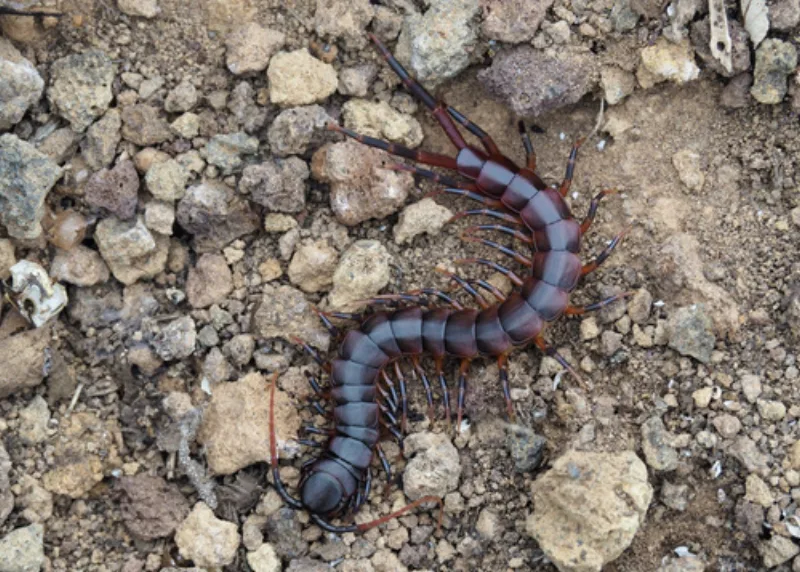
Centipede
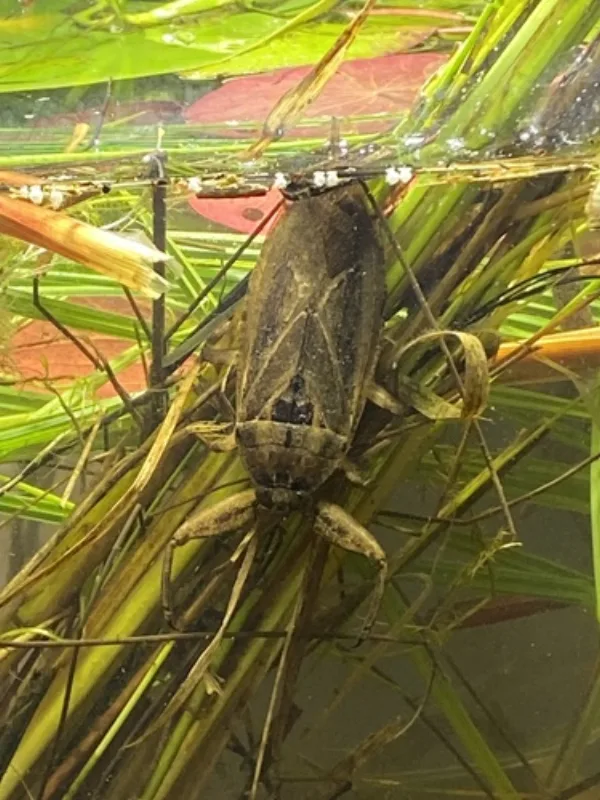
Water Bug
Side-by-Side Comparison Table
| Trait | Centipede | Water Bug |
|---|---|---|
| Scientific Group | Chilopoda | Belostomatidae |
| Category | Myriapod | Insect |
| Typical Size | 25–180 mm | 20–65 mm |
| Danger Level | Nuisance | Nuisance |
| Bites or Stings? | Yes | Yes |
| Peak US Months | April, May, June, October | July, August, September, October |
| Key ID Trait | Flattened, elongated segmented body with exactly ONE pair of legs per body segment | True giant water bugs have flattened oval brown bodies with powerful grasping front legs and short piercing beaks |
Centipede vs. Water Bug: True Size Comparison
Side-by-Side Anatomy Blueprint
Compare body segments, antennae, leg count, and key markings directly before treating or removing either species.
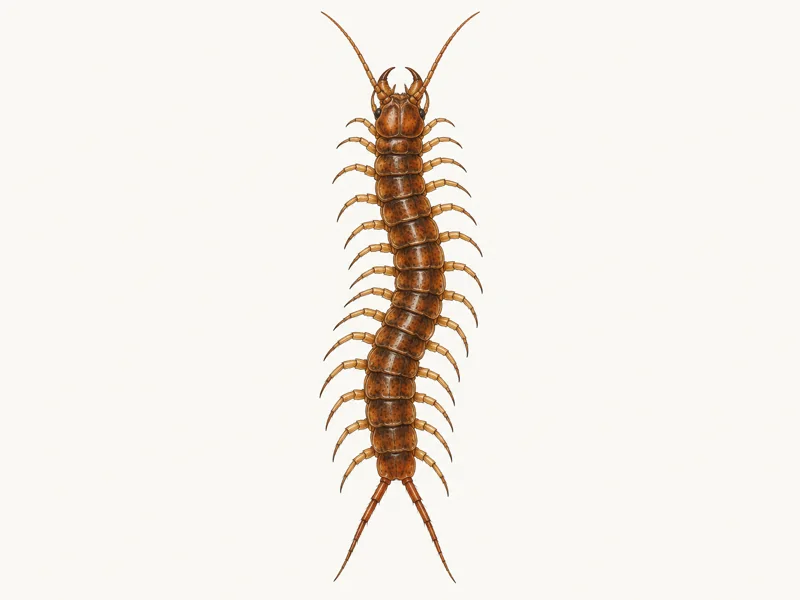
- Antennae & forcipules: Long segmented antennae and modified front venom claws (forcipules) behind the head.
- Flattened segments: Flat, flexible segmented trunk built for fast sprinting—never coils into a tight spiral.
- 1 leg pair / segment: EXACTLY ONE pair of legs extending outward per body segment (millipedes have two pairs).
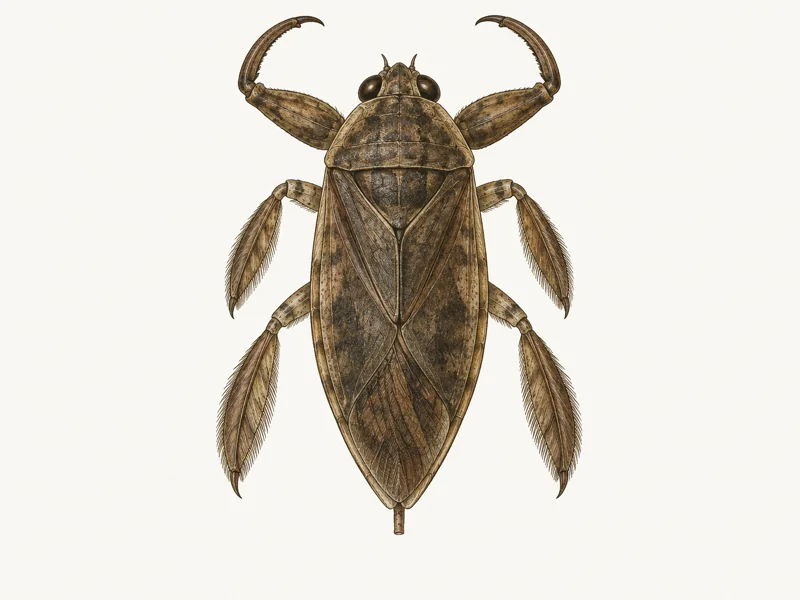
- Raptorial front claws: Massive curved pincer-like forelegs grasp prey—cockroaches never have these claws.
- Pointed piercing beak: Short stout rostrum tucked under the head can deliver a painful defensive bite.
- Flat olive wing covers: Broad oval leathery-brown wings (45–65 mm) drawn to porch lights at night.
Quick Answer: A centipede has a long, flattened, segmented body with exactly one pair of legs per segment, so it looks like a fast-moving strip of legs. A true giant water bug (family Belostomatidae) has a flattened, oval brown body with only six legs, including powerful grasping front legs and a short piercing beak. If you can count dozens of legs, it's a centipede. If you see six legs and a beetle-like oval shape, it's a water bug.
Key Visual & Physical Differences
The fastest way to separate these two is to look at body shape and leg count. Centipedes belong to the class Chilopoda and are not insects at all. Giant water bugs are true insects in the order Hemiptera, which is why they share the six-legged body plan of other insects.
Body Shape and Size
- Centipedes: Flattened, elongated, and clearly segmented. Verified size range runs from 25 to 180 mm, so some species are much longer than any water bug.
- Giant water bugs: Flattened and oval, usually brown, and wider relative to their length. Verified size range is 20 to 65 mm.
Legs and Mouthparts
- Centipedes: Exactly one pair of legs per body segment, which gives them many legs in total. The first pair is modified into venom-bearing claws behind the head.
- Giant water bugs: Six legs. The front pair is thick and built for grasping prey, and the rear legs are flattened for swimming. They feed through a short, piercing beak instead of jaws.
A Common Mix-Up
Many homeowners in the US call large cockroaches "water bugs," which adds to the confusion. A true giant water bug has the grasping front legs and the beak described above. A cockroach has long antennae and spiny running legs without the raptorial front pair.
Behavior, Habitat & Danger Comparison
Both animals are rated as a nuisance rather than a serious health threat. Their habits and the places they turn up are quite different, though, and that helps with identification too.
Centipedes
Centipedes are fast, nocturnal predators that hunt insects, spiders, and other small arthropods. Indoors they favor damp basements, bathrooms, crawl spaces, and floor drains. Outdoors they hide under mulch, stones, leaf litter, and logs. Seeing them indoors often means moisture problems and a supply of other pests for them to eat.
Giant Water Bugs
Giant water bugs are aquatic predators found in ponds, marshes, slow streams, and similar freshwater habitats. They ambush insects, tadpoles, and small fish with their grasping front legs. Adults can fly and are attracted to outdoor lights at night, which is usually how they end up on porches, pool decks, or near doorways.
Bite Risk
- Centipedes can bite if handled, causing localized pain similar to a bee sting in most cases.
- Giant water bugs can deliver a painful jab with their beak if picked up, which is why they are sometimes called "toe-biters."
Neither species is aggressive toward people, and bites almost always happen when someone handles one. If a bite causes severe swelling, trouble breathing, or symptoms that worsen, contact US Poison Control at 1-800-222-1222 and see a doctor. Do not rely on home remedies for bite reactions.
Which One Is Worse for Homeowners?
For most households, centipedes are the bigger ongoing issue. They can live and reproduce indoors in damp areas, while giant water bugs are accidental visitors that cannot survive long away from water. A water bug on the patio is usually a one-night event tied to lighting and a nearby pond.
Non-Chemical IPM for Centipedes
- Run a dehumidifier in basements and crawl spaces, and fix leaky pipes.
- Seal cracks in foundations, gaps around doors, and openings around utility lines.
- Move mulch, firewood, and stones away from the foundation.
- Reduce the other insects they feed on through sanitation and exclusion.
Non-Chemical IPM for Water Bugs
- Switch outdoor bulbs to yellow "bug" lights or LEDs, or turn lights off when not needed.
- Keep pool covers on and skim pools regularly.
- Install tight-fitting screens and door sweeps.
Chemical control is rarely needed for either species. If you choose a product, use one labeled for that pest and site, and always follow the EPA product label directions exactly.
Frequently Asked Questions
What is the quickest difference between a centipede and a water bug?
Count the legs. A centipede has one pair of legs per body segment and many legs overall, while a giant water bug has only six legs and an oval body.
Are water bugs or centipedes dangerous?
Both are considered nuisance pests. Either can bite if handled, so avoid picking them up, and call Poison Control at 1-800-222-1222 if a reaction seems severe.
Why do giant water bugs show up near my house?
Adults fly at night and are drawn to bright outdoor lights, especially near ponds, wetlands, or pools. Reducing lighting is the most effective fix.
Can centipedes live inside my home?
Yes. Centipedes can survive indoors in damp spaces with plenty of prey. Controlling moisture and sealing entry points usually solves the problem.