Tick vs Water Bug: How to Tell Them Apart Fast
Quick ID Verdict: A tick is a tiny arachnid, only 1-6 mm long, with eight legs and a flat, teardrop-shaped body. A giant water bug is a large insect, 20-65 mm long, with six legs and powerful grasping front legs. If it fits on a pencil eraser and clings to skin, it's a tick. If it's thumb-sized and came from water or near a porch light, it's a water bug.
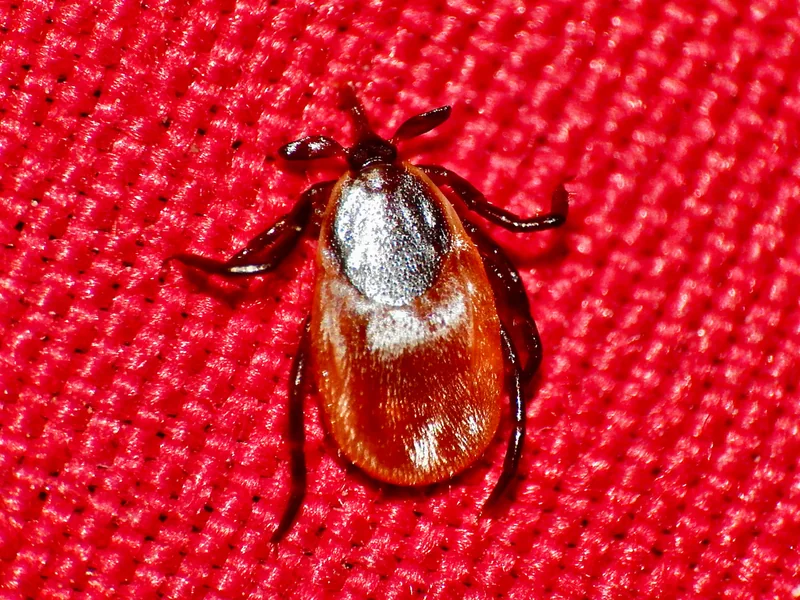
Tick
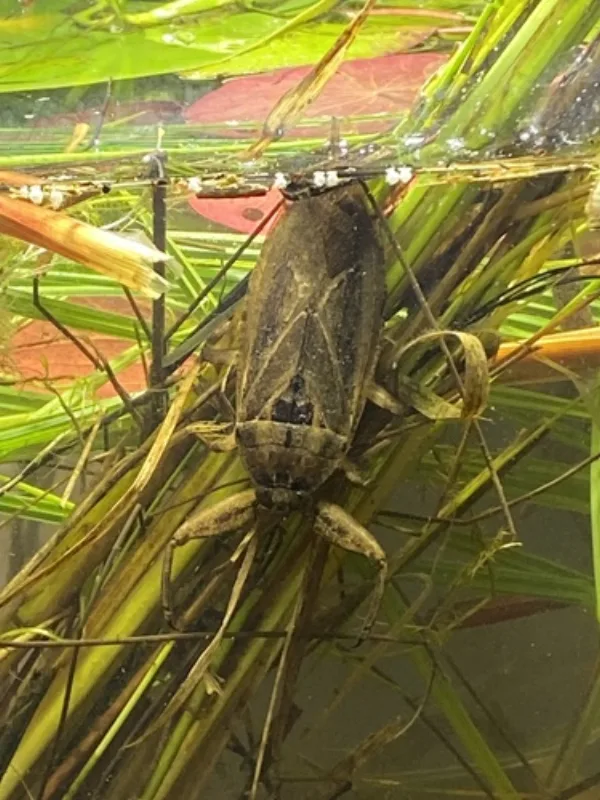
Water Bug
Side-by-Side Comparison Table
| Trait | Tick | Water Bug |
|---|---|---|
| Scientific Group | Ixodidae | Belostomatidae |
| Category | Arachnid | Insect |
| Typical Size | 1–6 mm | 20–65 mm |
| Danger Level | Medically Significant | Nuisance |
| Bites or Stings? | Yes | Yes |
| Peak US Months | April, May, June, July | July, August, September, October |
| Key ID Trait | Flat, oval, teardrop-shaped arachnid with eight legs (six in larval stage) | True giant water bugs have flattened oval brown bodies with powerful grasping front legs and short piercing beaks |
Tick vs. Water Bug: True Size Comparison
Side-by-Side Anatomy Blueprint
Compare body segments, antennae, leg count, and key markings directly before treating or removing either species.
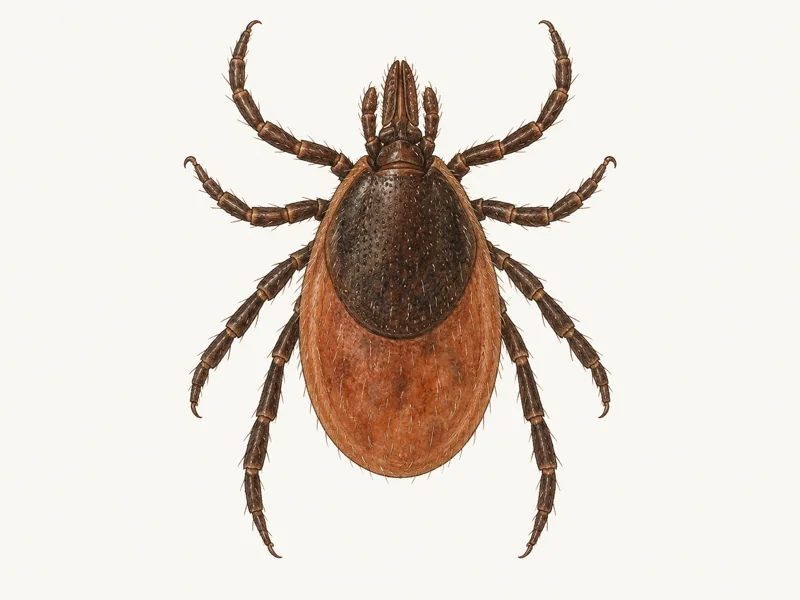
- Piercing mouthparts: Forward-projecting capitulum and barbed hypostome at the front tip—no antennae or wings.
- Hardened scutum: Distinct dark dorsal shield plate behind the head (varies by deer, dog, and lone star ticks).
- Eight jointed legs: Adults and nymphs have 8 legs (tiny seed-tick larvae have 6 legs).
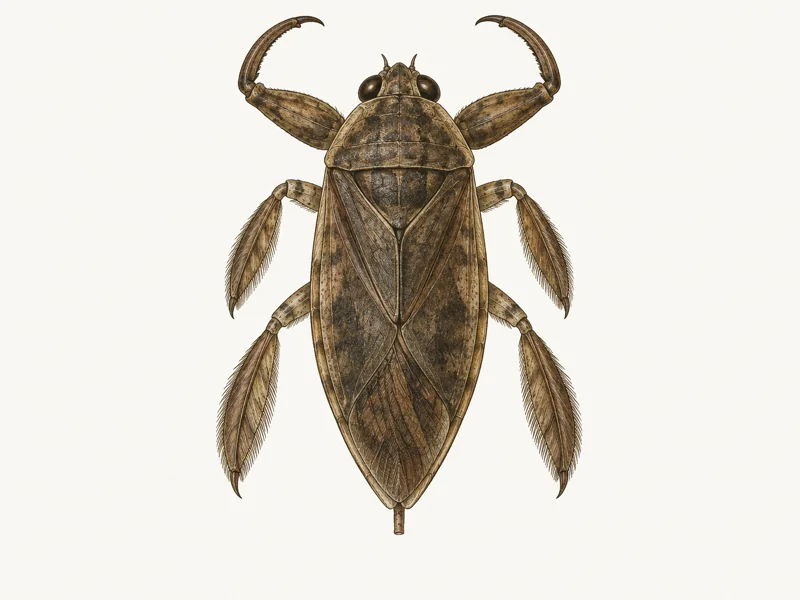
- Raptorial front claws: Massive curved pincer-like forelegs grasp prey—cockroaches never have these claws.
- Pointed piercing beak: Short stout rostrum tucked under the head can deliver a painful defensive bite.
- Flat olive wing covers: Broad oval leathery-brown wings (45–65 mm) drawn to porch lights at night.
Quick Answer: A tick is a tiny arachnid, only 1-6 mm long, with eight legs and a flat, teardrop-shaped body. A giant water bug is a large insect, 20-65 mm long, with six legs and powerful grasping front legs. If it fits on a pencil eraser and clings to skin, it's a tick. If it's thumb-sized and came from water or near a porch light, it's a water bug.
Quick ID Verdict: Tick or Water Bug in 3 Seconds
Size settles most cases instantly, since even the smallest giant water bug is several times longer than the largest tick. Then count the legs and look for pincer-like front legs. Ticks have eight short legs (six in the larval stage) and no grasping limbs, while water bugs have six legs with a front pair built for seizing prey.
Key Visual & Physical Differences
The difference between a tick and a water bug goes beyond size. Ticks belong to the family Ixodidae, the hard ticks, and are arachnids related to spiders and mites. Giant water bugs belong to the family Belostomatidae and are true insects in the order Hemiptera.
Ticks (Ixodidae)
- Size: 1-6 mm unfed, swelling larger after a blood meal
- Shape: Flat, oval, teardrop-shaped body
- Legs: Eight in nymphs and adults; six in larvae
- Body plan: No antennae, no wings, and no visible separation between head and abdomen
- Mouthparts: Forward-projecting feeding structure used to anchor into skin
Giant Water Bugs (Belostomatidae)
- Size: 20-65 mm, among the largest true bugs in North America
- Shape: Flattened, oval, brown body
- Legs: Six, with powerful grasping front legs and paddle-like hind legs
- Body plan: Wings folded flat over the back, short antennae tucked under the head
- Mouthparts: Short, piercing beak used to inject digestive saliva into prey
One source of confusion is that a fully engorged tick can look like a small, swollen, brownish bean. Even so, it stays far smaller than any adult giant water bug and never has grasping forelegs.
Behavior, Habitat & Danger Comparison
Where They Live
Ticks live on land, waiting on grass tips, leaf litter, brush, and wooded edges for a host to brush past. Giant water bugs live in ponds, marshes, slow streams, and even swimming pools. Adults fly at night and are strongly attracted to lights, which is why homeowners often find them on porches, patios, and driveways.
How They Feed
Ticks are parasites that feed on the blood of mammals, birds, and reptiles, including people and pets. Giant water bugs are predators that ambush fish, tadpoles, frogs, and aquatic insects. They do not seek out humans or feed on blood.
Danger Level
- Ticks: Medically significant. Their bites can transmit disease-causing pathogens, and attachment often goes unnoticed for hours.
- Water bugs: Nuisance. They may bite painfully if handled or stepped on in water, but they are not disease vectors and pose little threat in normal encounters.
If a tick has been attached, remove it promptly with fine-tipped tweezers by grasping close to the skin and pulling straight up. Contact a doctor if a rash, fever, or other symptoms develop. For any severe reaction to a bite, call US Poison Control at 1-800-222-1222 or seek medical care. Do not rely on home remedies.
Which One Is Worse for Homeowners?
In any tick vs water bug comparison, the tick is the bigger concern. A giant water bug is startling and can deliver a sharp bite, but the tick's ability to spread illness to families and pets makes it the more serious household pest.
Non-Chemical Tick Control (IPM First)
- Keep lawns mowed and remove leaf litter and tall brush near the house.
- Place a 3-foot gravel or wood-chip barrier between lawns and wooded areas.
- Discourage deer and rodents by securing bird feeders and trash.
- Check people and pets after outdoor activity, and use veterinarian-approved pet tick prevention.
Non-Chemical Water Bug Control
- Switch porch lights to yellow "bug" bulbs or motion-activated fixtures.
- Cover pools at night and skim out any bugs found in the water.
- Seal gaps around doors, windows, and screens to keep wandering adults out.
- Reduce standing water and debris around the home.
If pesticides become necessary, choose a product registered for the specific pest and site, and always follow the EPA product label exactly. For heavy tick pressure, a licensed pest professional can target yard edges safely.
Frequently Asked Questions
Can a giant water bug be mistaken for a tick?
Rarely by an adult, since giant water bugs are 20-65 mm long compared with a tick's 1-6 mm. Small immature water bugs can cause confusion, but they have six legs and live in water.
Do giant water bugs carry disease like ticks?
No. Giant water bugs are considered a nuisance, not a disease vector. Ticks are medically significant because their bites can transmit pathogens.
Why do water bugs show up near my house?
Adults fly at night and are drawn to bright outdoor lights. Swapping bulbs and turning off unneeded lights usually reduces sightings.
How many legs does a tick have?
Nymph and adult ticks have eight legs, which marks them as arachnids. Larval ticks have only six legs, but their tiny size still sets them apart from water bugs.