Pests & Insects in South Dakota
Continental plains climate with hot summers and cold windy winters.
South Dakota Overview: South Dakota's wide-open plains host a surprisingly busy insect community. Monitoring records document 50 pest species statewide, led by bumble bees, spiders, flying ants, fleas, jumping spiders, Asian lady beetles, honey bees, paper wasps, orb weaver spiders, and boxelder bugs. This guide helps homeowners identify the most common pests and insects in South Dakota, understand when each one is active, and respond with safe, practical Integrated Pest Management (IPM).
South Dakota Overall Pest Activity Calendar
Now (November): Lower Outdoor ActivityActive in South Dakota During November
Understanding the South Dakota Pest Season
South Dakota has a continental plains climate with hot summers and cold, windy winters, spanning USDA Zones 4a to 5b. That sharp seasonal swing shapes nearly everything about local pest behavior. The South Dakota pest season is short but intense, and activity tends to come in distinct waves.
- Spring (April–May): Overwintering insects wake up inside walls and attics, and bumble bee queens begin searching for nest sites.
- Summer (June–August): Mosquitoes, ticks, wasps, and ants peak, especially near water and tall grass.
- Fall (September–October): Boxelder bugs and lady beetles cluster on sunny walls, looking for a way inside.
- Winter: Most insects go dormant, but rodents and hidden overwinterers remain active indoors.
Because winters are so harsh, many bugs in South Dakota survive by moving into homes rather than staying outdoors.
South Dakota Household Pests That Invade Homes
Most South Dakota household pests aren't dangerous. They're nuisances that exploit gaps, warmth, and food. Knowing which ones arrive in which season makes prevention far easier.
Boxelder Bugs, Asian Lady Beetles, and Cluster Flies
These are classic fall invaders. Boxelder bugs are black with red-orange markings and gather by the hundreds on south- and west-facing siding. Asian lady beetles vary from yellow to deep orange and can be told apart from native ladybugs by a black "M" or "W" mark behind the head. Cluster flies look like sluggish house flies and often appear on warm winter days near attic windows.
None of them breed indoors or damage structures. But they can stain fabrics, give off odors when crushed, and return year after year. A vacuum with a disposable bag is the simplest removal tool.
Ants, Cockroaches, and Mice
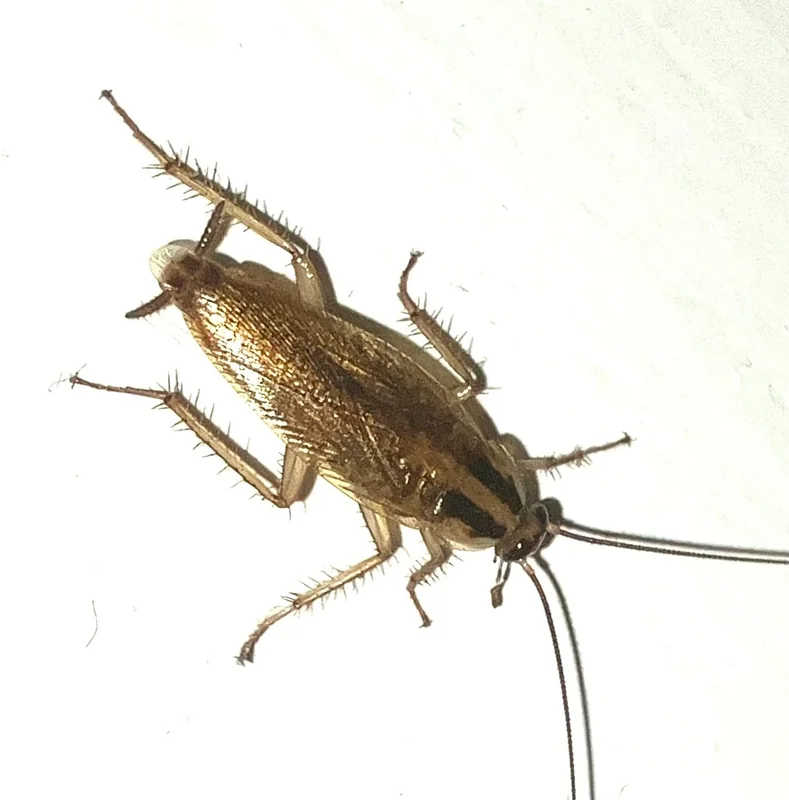
Flying ants are among the most frequently recorded pests in the state. Winged swarms indoors in spring may signal an established colony nearby, and large black ants around damp wood may indicate carpenter ants. Cockroaches are less common in South Dakota than in southern states, but German cockroaches can hitchhike into apartments, restaurants, and homes in boxes or groceries.
House mice and deer mice aren't insects, but they're a major cold-season concern. They can squeeze through gaps about the width of a pencil, and deer mice can carry hantavirus, so avoid sweeping or vacuuming their droppings: wet the area with disinfectant and wipe it up while wearing gloves.
Venomous Insects and Biting Bugs in South Dakota
Several venomous insects in South Dakota, along with a handful of biting arthropods, are considered medically significant. The documented list includes paper wasps, other wasps, yellow jackets, ticks, mosquitoes, black widows, and scorpions.
Stinging Insects, Spiders, Ticks, and Mosquitoes
- Paper wasps and yellow jackets: Paper wasps build open, umbrella-shaped nests under eaves. Yellow jackets often nest in the ground or wall voids and grow aggressive in late summer. Bumble bees and honey bees are important pollinators and generally sting only when disturbed.
- Black widows: Glossy black females with a red hourglass hide in woodpiles, window wells, and garages. Commonly seen orb weavers and jumping spiders pose little risk to people.
- Scorpions: Documented in the state, they tend to stay hidden under rocks and debris.
- Ticks: Found in tall grass and wooded edges. People should check themselves, children, and pets after time outdoors.
- Mosquitoes: Peak near standing water during warm summer evenings and can transmit West Nile virus.
- Fleas: Frequently recorded, typically arriving on pets or wildlife.
For any serious sting or bite, or signs of an allergic reaction such as swelling of the face or trouble breathing, call US Poison Control at 1-800-222-1222 and contact a doctor or 911 immediately. Home remedies are not a substitute for medical care.
Safe Integrated Pest Management Tips for South Dakota Homes
IPM puts non-chemical prevention first and treats pesticides as a last resort. For South Dakota homes, three priorities do most of the work:
- Exclusion: Seal cracks around windows, siding, utility lines, and foundations. Repair screens and install door sweeps.
- Sanitation: Store food in sealed containers, manage garbage, and clear woodpiles away from the house.
- Moisture control: Fix leaks, clean gutters, and empty standing water from buckets, birdbaths, and tires.
A simple seasonal calendar keeps homeowners ahead of the pests:
- Spring: Inspect for winter damage, reseal gaps, and watch for ant swarmers and early wasp nests.
- Summer: Dump standing water weekly, keep grass trimmed, and check for ticks after yard work.
- Late summer to early fall: Caulk and seal sunny exterior walls before boxelder bugs and lady beetles arrive.
- Winter: Check attics and basements for rodents and set snap traps where needed.
If chemical control becomes necessary, homeowners should choose targeted products and always follow the EPA product label exactly. For large wasp nests, heavy infestations, or rodent problems, a licensed pest professional is often the safest choice.
All 60 Pests Monitored in South Dakota
Species with dedicated South Dakota field guides link straight to their state distribution sheet; others link to their national species folio.
| Pest | SD Status | Risk Level | Peak Months |
|---|---|---|---|
| Bumble Bees | Common & Established | Nuisance Pest | Jul, Aug |
| Spiders | Common & Established | Nuisance Pest | Jun, Jul, Aug |
| Flying Ants | Common & Established | Nuisance Pest | Jun, Jul, Aug |
| Fleas | Common & Established | Nuisance Pest | Jun, Aug |
| Jumping Spiders | Common & Established | Harmless / Beneficial | May, Jun, Aug |
| Asian Lady Beetles | Common & Established | Nuisance Pest | May, Jun, Aug |
| Honey Bees | Common & Established | Nuisance Pest | May, Jun, Jul |
| Paper Wasps | Common & Established | Medically Significant | Sep |
| Orb Weaver Spiders | Common & Established | Harmless / Beneficial | Aug, Sep |
| Boxelder Bugs | Common & Established | Nuisance Pest | Feb |
| Wasps | Common & Established | Medically Significant | Aug, Sep |
| Cicadas | Common & Established | Harmless / Beneficial | Jul |
| Wolf Spiders | Common & Established | Nuisance Pest | Jun, Jul, Aug |
| Ticks | Common & Established | Medically Significant | May, Jun |
| Cicada Killers | Common & Established | Nuisance Pest | Jul, Aug |
| Pill Bugs (Roly-Polies) | Common & Established | Harmless / Beneficial | Apr, May |
| Yellow Jackets | Common & Established | Medically Significant | Sep |
| Carpenter Ants | Present | Structural Risk | Jun, Jul, Aug |
| Mud Daubers | Present | Nuisance Pest | Jun, Jul, Aug |
| Water Bugs | Present | Nuisance Pest | Jul, Aug, Sep |
| Japanese Beetles | Present | Nuisance Pest | Jul |
| Mosquitoes | Present | Medically Significant | Aug, Sep |
| Black Widows | Present | Medically Significant | Sep |
| Camel Crickets (Spider Crickets) | Present | Nuisance Pest | Jul, Aug, Sep |
| June Bugs (May Beetles) | Present | Nuisance Pest | May, Jun |
| Centipedes | Present | Nuisance Pest | Apr, Jun, Jul |
| Pavement Ants | Present | Nuisance Pest | May, Jun, Jul |
| Earwigs | Present | Nuisance Pest | Jun, Jul, Sep |
| Sugar Ants (Odorous House Ants) | Present | Nuisance Pest | May, Jun |
| Cellar Spiders | Present | Harmless / Beneficial | Jun |
| House Centipedes | Present | Harmless / Beneficial | Apr, Jul, Sep |
| Drain Flies (Moth Flies) | Present | Nuisance Pest | Jun, Jul, Aug |
| Chiggers | Present | Nuisance Pest | Jul |
| Pantry Moths (Indianmeal Moths) | Present | Nuisance Pest | Apr, Jul, Aug |
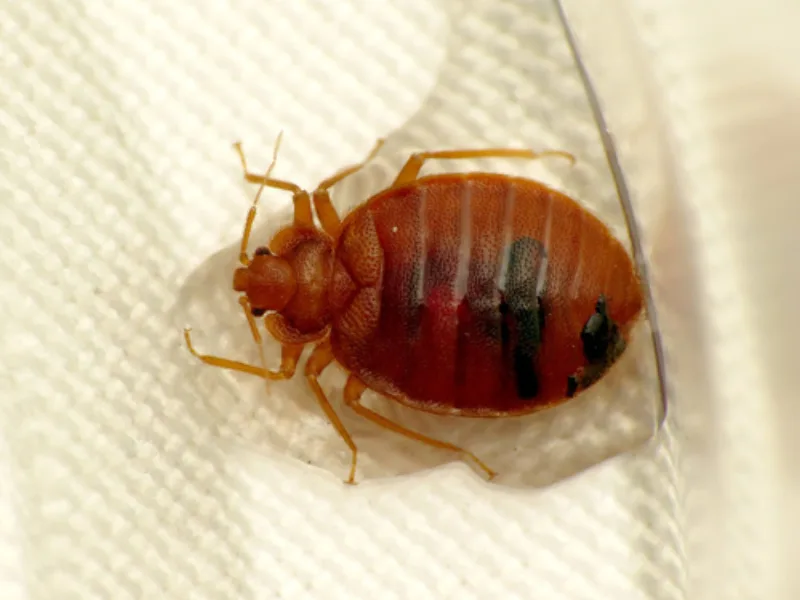
| Bed Bugs | Present | Nuisance Pest | May, Jul, Oct |
| Fruit Flies | Present | Nuisance Pest | Apr, Jun, Jul |
| Silverfish | Present | Nuisance Pest | Mar, Apr, May |
| Carpet Beetles | Present | Nuisance Pest | Mar, Apr, May |
| German Cockroaches | Present | Nuisance Pest | Jul, Sep, Oct |
| Pharaoh Ants | Present | Nuisance Pest | Aug, Sep, Oct |
| Clothes Moths | Present | Nuisance Pest | Feb, Mar, May |
| Fungus Gnats | Present | Nuisance Pest | May, Jun, Jul |
| Stink Bugs | Rare / Localized | Nuisance Pest | Oct |
| Cockroaches | Rare / Localized | Nuisance Pest | May, Jun |
| Millipedes | Rare / Localized | Harmless / Beneficial | Jun, Sep |
| Carpenter Bees | Rare / Localized | Structural Risk | May, Jul, Sep |
| Termites | Rare / Localized | Structural Risk | Mar, Jun |
| Scorpions | Rare / Localized | Medically Significant | Jul |
| Oriental Cockroaches | Rare / Localized | Nuisance Pest | Jun |
| Mole Crickets | Rare / Localized | Nuisance Pest | Mar, Apr, May |
| Brown Recluse Spiders | Not Established | Medically Significant | Oct |
| Tarantulas | Not Established | Nuisance Pest | — |
| Fire Ants | Not Established | Medically Significant | — |
| Kissing Bugs | Not Established | Medically Significant | — |
| Hornets | Not Established | Medically Significant | — |
| Spotted Lanternflies | Not Established | Nuisance Pest | — |
| Hobo Spiders | Not Established | Nuisance Pest | — |
| American Cockroaches | Not Established | Nuisance Pest | — |
| Palmetto Bugs | Not Established | Nuisance Pest | — |
| Clover Mites | Not Established | Nuisance Pest | — |
Frequently Asked Questions
What are the most common pests and insects in South Dakota?
South Dakota's most common pests include bumble bees, spiders, flying ants, fleas, Asian lady beetles, honey bees, paper wasps, orb weaver spiders, and boxelder bugs. Many are nuisances rather than threats, with seasonal activity patterns tied to the region's continental climate and cold winters.
When is pest season in South Dakota?
South Dakota's pest season varies by species. Spring (April–May) brings overwintering insects and bumble bee queens; summer peaks mosquitoes and ticks near water; fall (September–October) sees boxelder bugs and lady beetles clustering on walls; winter keeps most insects dormant but rodents active indoors.
How can I prevent pests from entering my South Dakota home?
Use Integrated Pest Management (IPM) by sealing cracks around windows, siding, and foundations; repairing screens and door sweeps; storing food in sealed containers; managing garbage; fixing leaks; and clearing woodpiles. These exclusion, sanitation, and moisture-control steps prevent most common pests.
What venomous insects and biting pests are found in South Dakota?
South Dakota hosts paper wasps, yellow jackets, black widows, scorpions, ticks, mosquitoes, and fleas. While generally non-aggressive, paper wasps and yellow jackets can sting when threatened. Black widows hide in woodpiles and garages. Ticks and mosquitoes peak in summer and can transmit disease.
Are Asian lady beetles harmful to South Dakota homes?
Asian lady beetles are not harmful—they don't breed indoors or damage structures. However, they're fall invaders that cluster on sunny walls and can stain fabrics and emit odors when crushed. They're easily removed with a vacuum and disposable bag.
What should I do if I find deer mouse droppings in my South Dakota home?
Avoid sweeping or vacuuming deer mouse droppings, as they can carry hantavirus. Instead, wet the area with disinfectant, wipe it up while wearing gloves, and dispose of materials safely. For large infestations, contact a licensed pest professional immediately.