Pests & Insects in New Hampshire
Humid continental with forested warm summers and cold snowy winters.
New Hampshire Overview: New Hampshire's forests, lakes, and long winters shape which bugs end up on porches and in basements. Among the 50 species monitored statewide, the most frequently recorded include spiders, mosquitoes, orb weavers, Asian lady beetles, jumping spiders, flying ants, honey bees, wasps, ticks, and paper wasps. This guide covers the common pests and insects in New Hampshire, when they're active, and how homeowners can manage them safely.
New Hampshire Overall Pest Activity Calendar
Now (November): Lower Outdoor ActivityActive in New Hampshire During November
New Hampshire Pest Season: When Bugs Are Most Active
New Hampshire has a humid continental climate, with warm, forested summers and cold, snowy winters across USDA Zones 3b to 6a. That range matters. Pests in the southern Seacoast and Merrimack Valley wake up weeks earlier than those in the White Mountains or the North Country.
The New Hampshire pest season generally follows this rhythm:
- Early spring (April–May): Ticks become active as soon as snow melts, and overwintering insects emerge from wall voids.
- Late spring to summer (May–August): Mosquitoes, black flies, wasps, and flying ant swarms peak.
- Fall (September–October): Lady beetles, stink bugs, and cluster flies hunt for warm shelter indoors.
- Winter: Outdoor activity drops, but rodents and hidden overwinterers stay busy inside.
New Hampshire Household Pests That Invade Homes
Most New Hampshire household pests come indoors for one of three reasons: food, moisture, or warmth. Knowing which one is driving an infestation makes control far easier.
Ants, Cockroaches, and Rodents
Carpenter ants are a major concern in a state this heavily wooded. They don't eat wood, but they excavate damp, softened timber for nests, so winged swarmers (often reported as flying ants) indoors in spring can signal a moisture problem. Pavement and odorous house ants raid kitchens in summer.
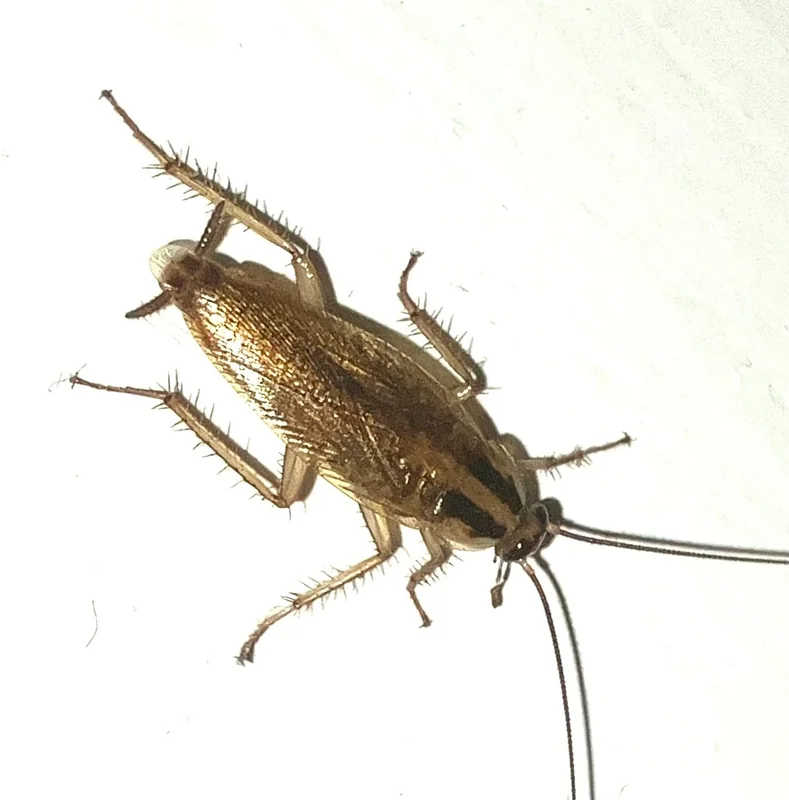
Cockroaches are less common here than in southern states, but German cockroaches can turn up in apartments and multi-unit buildings, usually arriving in boxes or used appliances. Mice, meanwhile, are a near-universal fall problem. A house mouse can squeeze through a gap about the width of a pencil.
Overwintering Invaders: Stink Bugs, Cluster Flies, and Lady Beetles
Asian lady beetles rank among the most recorded insects in the state. They cluster on sunny south- and west-facing walls in fall, then slip through gaps around windows and siding. Brown marmorated stink bugs and cluster flies follow the same pattern.
None of these bite seriously or breed indoors over winter. But they stain surfaces, release odors when crushed, and reappear on warm winter days, which surprises many homeowners. Vacuuming them up, rather than swatting, is the cleanest approach.
Venomous and Biting Insects in New Hampshire
The venomous insects in New Hampshire that cause the most trouble are stinging wasps. Paper wasps build open, umbrella-shaped nests under eaves. Yellow jackets often nest in the ground or wall voids and turn aggressive in late summer. Bald-faced hornets hang large, gray paper nests in trees and shrubs.
Honey bees are important pollinators and generally sting only when defending a hive. If a swarm settles on a property, a local beekeeper can often relocate it.
Black widow spiders have been documented in the state, typically in woodpiles, sheds, and undisturbed corners. Most other spiders homeowners encounter, including orb weavers and jumping spiders, are harmless and help control insects.
For any sting or bite causing swelling beyond the site, difficulty breathing, or a suspected black widow bite, call US Poison Control at 1-800-222-1222 and contact a doctor or emergency services right away.
Ticks, Mosquitoes, and Health Risks Outdoors
Ticks are the most significant health concern among bugs in New Hampshire. Blacklegged (deer) ticks can transmit Lyme disease, anaplasmosis, and babesiosis, and the state consistently reports high Lyme rates. American dog ticks are also common along grassy edges.
Mosquitoes can carry West Nile virus and Eastern equine encephalitis (EEE), both of which have been detected in New Hampshire. Activity peaks from dusk to dawn in mid to late summer.
Practical outdoor habits include:
- Wearing long sleeves and tucking pants into socks in wooded or brushy areas
- Using an EPA-registered repellent, applied according to its label
- Running full tick checks after yard work or hikes
- Dumping standing water from buckets, tarps, and gutters weekly
Anyone who develops a rash, fever, or flu-like symptoms after a tick bite should see a doctor.
Safe Integrated Pest Management Tips for Bugs in New Hampshire
Integrated Pest Management (IPM) starts with prevention, not sprays. Most infestations shrink dramatically once pests lose access, food, and moisture.
Seasonal prevention calendar:
- Spring: Repair window screens, clear gutters, and check for damp or rotting wood that attracts carpenter ants.
- Summer: Eliminate standing water, keep grass short, and create a wood-chip or gravel barrier between lawns and woods to discourage ticks.
- Late summer to fall: Seal cracks around windows, siding, and utility lines before lady beetles and stink bugs arrive. Install door sweeps and fix gaps where mice enter.
- Winter: Store firewood away from the house, keep food in sealed containers, and run dehumidifiers in damp basements.
If chemical control becomes necessary, choose targeted products and always follow the EPA product label exactly. Large wasp nests, structural carpenter ant damage, or persistent rodent problems are best handled by a licensed pest professional.
All 60 Pests Monitored in New Hampshire
Species with dedicated New Hampshire field guides link straight to their state distribution sheet; others link to their national species folio.
| Pest | NH Status | Risk Level | Peak Months |
|---|---|---|---|
| Spiders | Common & Established | Nuisance Pest | Jun, Jul, Aug |
| Mosquitoes | Common & Established | Medically Significant | Jun, Jul, Aug |
| Orb Weaver Spiders | Common & Established | Harmless / Beneficial | Jul, Aug, Sep |
| Asian Lady Beetles | Common & Established | Nuisance Pest | May, Jun, Aug |
| Jumping Spiders | Common & Established | Harmless / Beneficial | Jun, Jul |
| Flying Ants | Common & Established | Nuisance Pest | Jun, Jul |
| Honey Bees | Common & Established | Nuisance Pest | Jul, Aug, Sep |
| Wasps | Common & Established | Medically Significant | Aug, Sep |
| Ticks | Common & Established | Medically Significant | May, Jun |
| Paper Wasps | Common & Established | Medically Significant | Aug, Sep |
| Japanese Beetles | Common & Established | Nuisance Pest | Jul |
| Carpenter Ants | Common & Established | Structural Risk | May, Jun, Jul |
| Yellow Jackets | Common & Established | Medically Significant | Aug, Sep, Oct |
| Wolf Spiders | Common & Established | Nuisance Pest | Apr, May, Jun |
| Carpenter Bees | Common & Established | Structural Risk | Aug, Sep |
| Stink Bugs | Common & Established | Nuisance Pest | Sep, Oct |
| Drain Flies (Moth Flies) | Common & Established | Nuisance Pest | Jun, Jul, Aug |
| Cockroaches | Common & Established | Nuisance Pest | Jun |
| Fleas | Common & Established | Nuisance Pest | Oct |
| Fruit Flies | Common & Established | Nuisance Pest | Apr, Jun, Jul |
| Millipedes | Common & Established | Harmless / Beneficial | May, Jul, Aug |
| Boxelder Bugs | Common & Established | Nuisance Pest | Jun, Oct |
| Water Bugs | Common & Established | Nuisance Pest | Apr, May, Sep |
| Earwigs | Common & Established | Nuisance Pest | Jul |
| Cicada Killers | Common & Established | Nuisance Pest | Jul, Aug |
| Pavement Ants | Present | Nuisance Pest | Jun, Jul |
| Mud Daubers | Present | Nuisance Pest | Jul, Aug |
| Cicadas | Present | Harmless / Beneficial | Aug |
| Cellar Spiders | Present | Harmless / Beneficial | Oct |
| Pill Bugs (Roly-Polies) | Present | Harmless / Beneficial | Apr, May |
| Hornets | Present | Medically Significant | Jun, Sep, Oct |
| Centipedes | Present | Nuisance Pest | May, Jul, Sep |
| Sugar Ants (Odorous House Ants) | Present | Nuisance Pest | Apr, Jun |
| House Centipedes | Present | Harmless / Beneficial | May, Jul, Sep |
| Carpet Beetles | Present | Nuisance Pest | Mar, Apr, May |
| Fungus Gnats | Present | Nuisance Pest | May, Jun, Jul |
| Pantry Moths (Indianmeal Moths) | Present | Nuisance Pest | Apr, Jul, Aug |
| Camel Crickets (Spider Crickets) | Present | Nuisance Pest | Jul, Aug, Sep |
| Silverfish | Present | Nuisance Pest | Mar |
| Black Widows | Present | Medically Significant | Aug |
| June Bugs (May Beetles) | Present | Nuisance Pest | May, Jun |
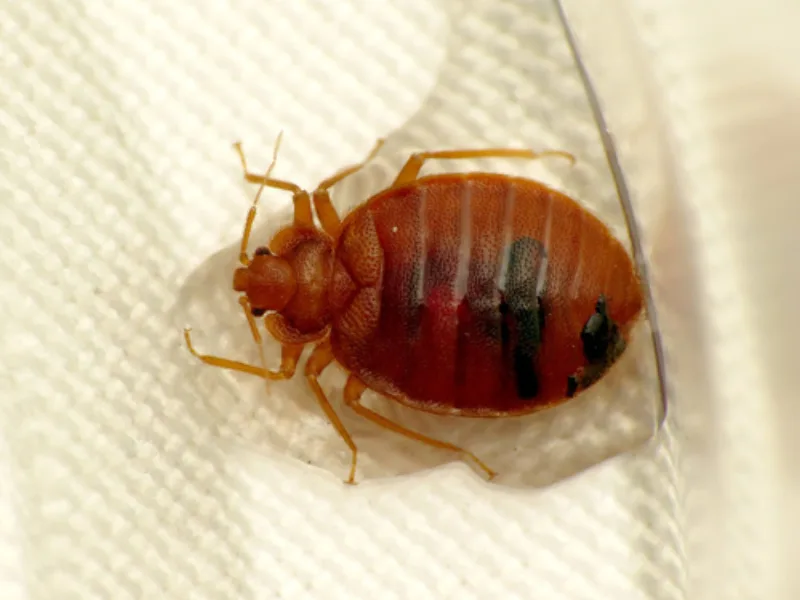
| Bed Bugs | Present | Nuisance Pest | May, Jul, Oct |
| Pharaoh Ants | Present | Nuisance Pest | Aug, Sep, Oct |
| German Cockroaches | Present | Nuisance Pest | Jul, Sep, Oct |
| Clothes Moths | Present | Nuisance Pest | Feb, Mar, May |
| Termites | Rare / Localized | Structural Risk | May, Jun |
| Spotted Lanternflies | Rare / Localized | Nuisance Pest | Sep, Oct |
| American Cockroaches | Rare / Localized | Nuisance Pest | Sep |
| Bumble Bees | Rare / Localized | Nuisance Pest | Jul |
| Mole Crickets | Rare / Localized | Nuisance Pest | Mar, Apr, May |
| Scorpions | Not Established | Medically Significant | — |
| Tarantulas | Not Established | Nuisance Pest | — |
| Fire Ants | Not Established | Medically Significant | — |
| Brown Recluse Spiders | Not Established | Medically Significant | — |
| Kissing Bugs | Not Established | Medically Significant | — |
| Chiggers | Not Established | Nuisance Pest | — |
| Hobo Spiders | Not Established | Nuisance Pest | — |
| Oriental Cockroaches | Not Established | Nuisance Pest | — |
| Palmetto Bugs | Not Established | Nuisance Pest | — |
| Clover Mites | Not Established | Nuisance Pest | — |
Frequently Asked Questions
What are the most common pests and insects in New Hampshire?
The most common pests and insects in New Hampshire include spiders, mosquitoes, Asian lady beetles, jumping spiders, wasps, ticks, and ants. The state monitors 50 species statewide. Many enter homes in fall and spring seeking food, moisture, or warmth during seasonal transitions.
When is pest season in New Hampshire?
New Hampshire's pest season varies by region and time: ticks emerge in early spring (April–May), mosquitoes and wasps peak from May–August, lady beetles and stink bugs seek shelter in fall (September–October), and rodents remain active indoors during winter.
How can I prevent carpenter ants in New Hampshire homes?
Repair window screens and gutters in spring, eliminate damp or rotting wood that attracts carpenter ants, and ensure proper drainage. Winged carpenter ants indoors signal moisture problems. Address water issues promptly to prevent nest excavation in wood.
What ticks in New Hampshire transmit disease?
Blacklegged (deer) ticks are the primary health concern, transmitting Lyme disease, anaplasmosis, and babesiosis. New Hampshire reports consistently high Lyme rates. American dog ticks are also common. Use EPA-registered repellents and perform full tick checks after outdoor activities in wooded areas.
Why do lady beetles, stink bugs, and cluster flies invade New Hampshire homes in fall?
These insects cluster on sunny south- and west-facing walls in fall, then slip through gaps around windows and siding seeking warmth for overwintering. They don't breed indoors or bite seriously, but they stain surfaces and release odors when crushed. Vacuuming is the cleanest removal method.
What integrated pest management strategies work best for New Hampshire insects?
IPM prioritizes prevention: seal cracks around windows, eliminate standing water, keep gutters clear, maintain short grass, install door sweeps, and store firewood away from homes. Use targeted products only if necessary, and contact licensed pest professionals for complex infestations like carpenter ant damage or large wasp nests.