Palmetto Bug vs Water Bug: How to Tell Them Apart Fast
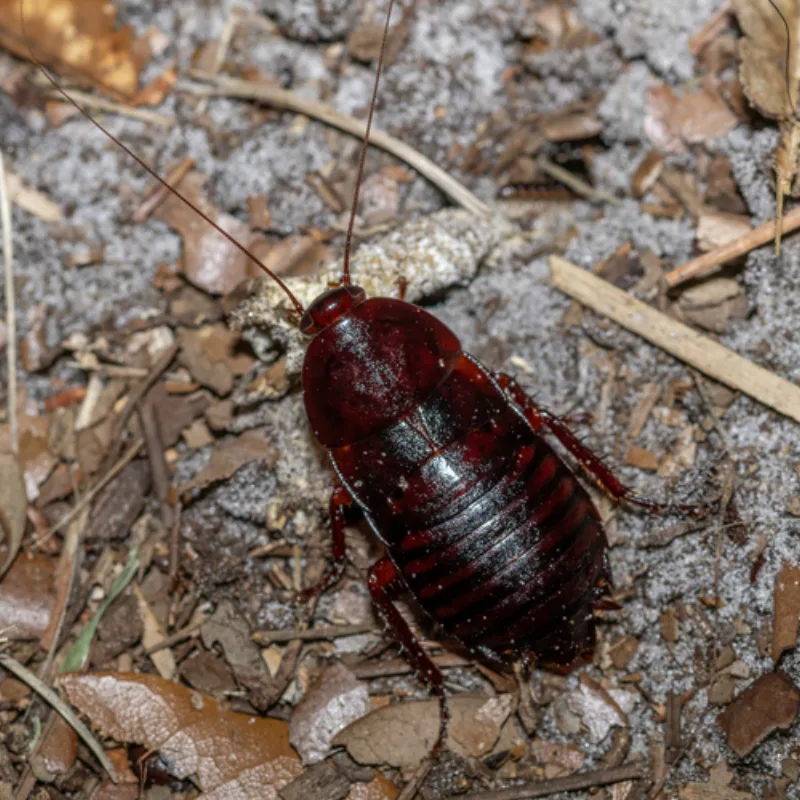
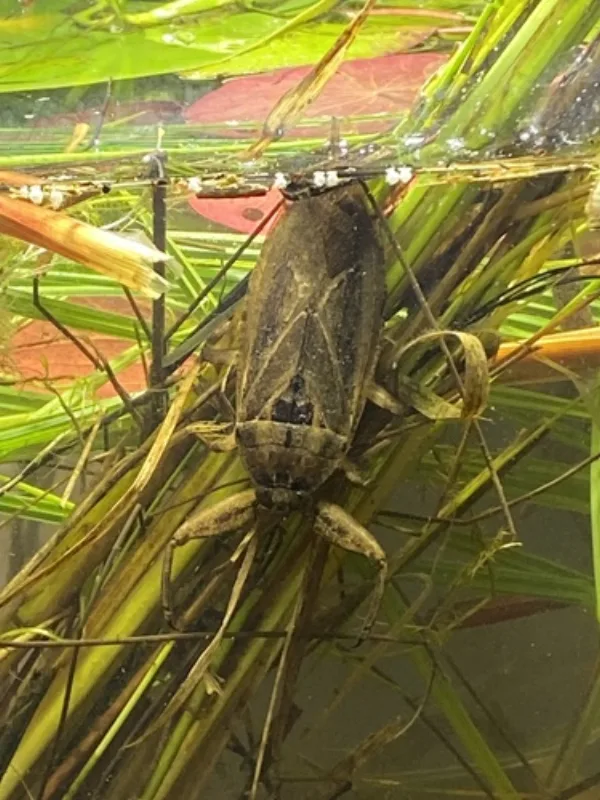
Quick ID Verdict: A palmetto bug (Eurycotis floridana, the Florida woods cockroach) is a shiny, dark reddish-brown to black cockroach with long antennae and running legs. A true water bug (family Belostomatidae) has a flattened, oval brown body, thick grasping front legs like pincers, and a short piercing beak instead of chewing mouthparts.
Palmetto Bug
Water Bug
Side-by-Side Comparison Table
| Trait | Palmetto Bug | Water Bug |
|---|---|---|
| Scientific Group | Eurycotis floridana | Belostomatidae |
| Category | Insect | Insect |
| Typical Size | 30–40 mm | 20–65 mm |
| Danger Level | Nuisance | Nuisance |
| Bites or Stings? | No | Yes |
| Peak US Months | May, September, October, November | July, August, September, October |
| Key ID Trait | Large, broad, shiny dark reddish-brown to black wood cockroach (Florida woods cockroach) | True giant water bugs have flattened oval brown bodies with powerful grasping front legs and short piercing beaks |
Palmetto Bug vs. Water Bug: True Size Comparison
Side-by-Side Anatomy Blueprint
Compare body segments, antennae, leg count, and key markings directly before treating or removing either species.
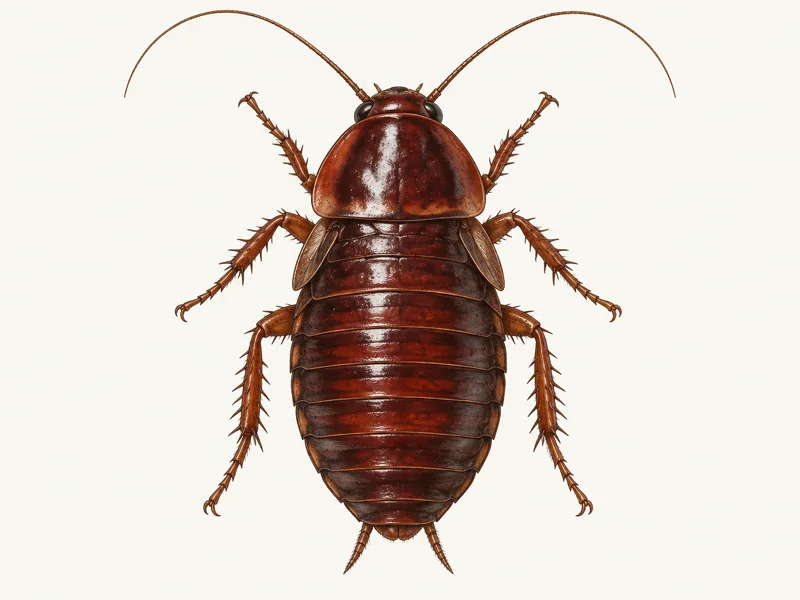
- Sweeping whip antennae: Long sensitive antennae on a broad, heavy-bodied 30–40 mm outdoor roach.
- Domed mahogany shield: Wide smooth reddish-mahogany thorax—solid glossy dark chestnut without bands.
- Heavy spiny legs: Six thick reddish-brown spiny legs built for mulch, palm fronds, and crawlspaces.
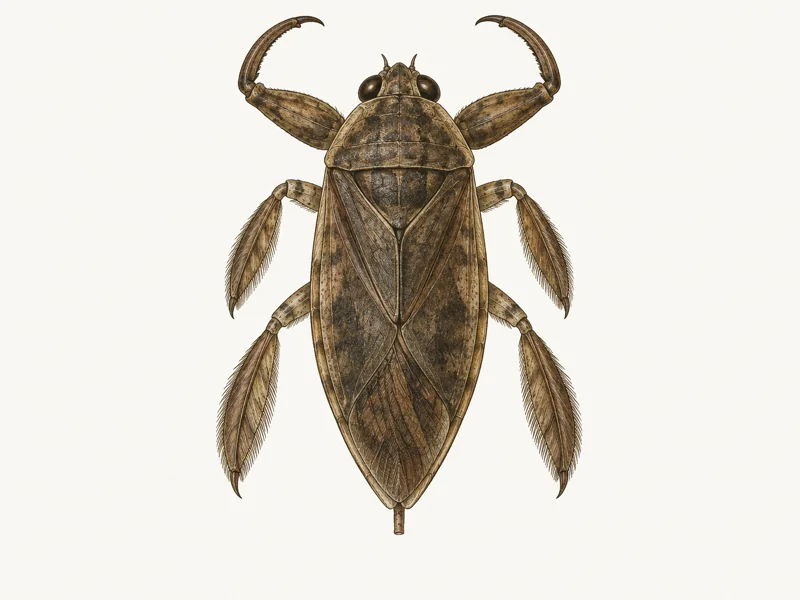
- Raptorial front claws: Massive curved pincer-like forelegs grasp prey—cockroaches never have these claws.
- Pointed piercing beak: Short stout rostrum tucked under the head can deliver a painful defensive bite.
- Flat olive wing covers: Broad oval leathery-brown wings (45–65 mm) drawn to porch lights at night.
Quick Answer: A palmetto bug (Eurycotis floridana, the Florida woods cockroach) is a shiny, dark reddish-brown to black cockroach with long antennae and running legs. A true water bug (family Belostomatidae) has a flattened, oval brown body, thick grasping front legs like pincers, and a short piercing beak instead of chewing mouthparts. Look for the beak and grabbing forelegs, and you can tell a palmetto bug from a water bug in about three seconds.
Key Visual & Physical Differences
Many people use "water bug" as slang for any large cockroach, which causes most of the confusion. The two are separate insects from separate orders. Palmetto bugs are cockroaches, while true giant water bugs are aquatic predators related to other true bugs.
Palmetto Bug (Florida Woods Cockroach)
- Size: 30-40 mm (about 1.2-1.6 inches).
- Color: Shiny dark reddish-brown to black.
- Shape: Large and broad, with a classic cockroach profile and a head tucked under a shield-like pronotum.
- Antennae: Long and threadlike, often as long as the body.
- Legs: Spiny legs built for running, with no grasping front legs.
- Mouthparts: Chewing jaws.
Giant Water Bug (Belostomatidae)
- Size: 20-65 mm, so larger species can be much bigger than a palmetto bug.
- Color: Brown, often dull or mottled.
- Shape: Flattened and oval, like a leaf or shield.
- Antennae: Very short and hidden under the head, so they are hard to see.
- Legs: Powerful raptorial front legs for seizing prey, and flattened hind legs for swimming.
- Mouthparts: A short, stout piercing beak.
For quick palmetto bug vs water bug identification, check the antennae and front legs first. Long antennae and running legs point to a cockroach. Hidden antennae and pincer-like forelegs point to a true water bug.
Behavior, Habitat & Danger Comparison
The biggest difference between palmetto bug and water bug behavior is where each one lives. Palmetto bugs are land insects. Giant water bugs spend most of their lives in ponds, marshes, and slow streams.
Where They Live
- Palmetto bugs: Leaf litter, mulch, woodpiles, tree holes, palm fronds, and damp outdoor debris. They wander indoors through gaps, especially near moisture.
- Water bugs: Freshwater habitats with vegetation. Adults fly at night and are often drawn to porch lights and pool areas, which is why they sometimes show up near homes.
How They Behave
Florida woods cockroaches move slowly compared with smaller roaches and are poor fliers. When disturbed, they can release a strong-smelling defensive spray, which is why some people call them "stinking cockroaches." Giant water bugs are ambush predators that grab insects, tadpoles, and small fish, then inject digestive saliva through their beak.
Danger Level
Both insects are rated as nuisances, not serious health threats. A palmetto bug does not bite people in any meaningful way, though its spray can irritate skin or eyes. A giant water bug can deliver a painful bite if handled, so it is best moved with a container or net rather than bare hands. If a bite causes significant swelling or an unusual reaction, contact a doctor or US Poison Control at 1-800-222-1222.
Which One Is Worse for Homeowners?
For most households, the palmetto bug is the bigger nuisance. It is more likely to come inside, hide in damp spots, and return when outdoor conditions favor it. Water bugs usually arrive by accident, attracted by lights, and rarely stay long away from water.
Non-Chemical Control First
- Exclusion: Seal gaps around doors, windows, pipes, and utility lines. Add door sweeps and repair torn screens.
- Moisture control: Fix leaks, run dehumidifiers in damp areas, and keep gutters draining away from the foundation.
- Habitat reduction: Pull mulch, leaf litter, and woodpiles back from the foundation by at least a foot or two.
- Lighting: Switch to yellow or warm LED outdoor bulbs, or use motion-activated lights, to attract fewer night fliers like water bugs.
- Sanitation: Store food in sealed containers and clean up crumbs and pet food.
When to Use Products
If palmetto bugs keep coming inside after exclusion and moisture fixes, baits or perimeter treatments may help. Always read and follow the EPA product label exactly, including placement and safety directions. Avoid treating ponds or water features for water bugs, since they are native predators that help control other aquatic insects.
Frequently Asked Questions
Is a palmetto bug the same as a water bug?
No. A palmetto bug is the Florida woods cockroach, while a true water bug is an aquatic insect in the family Belostomatidae. The terms get mixed up because "water bug" is common slang for large roaches.
How can someone tell if it's a palmetto bug or water bug?
Check the antennae and front legs. Long antennae and running legs mean a cockroach, while short hidden antennae, grasping forelegs, and a piercing beak mean a water bug.
Do palmetto bugs or water bugs bite?
Palmetto bugs are not known for biting people, though they may release an irritating spray. Giant water bugs can bite painfully if handled, so avoid picking them up.
Why do water bugs show up near houses?
Adult giant water bugs fly at night and are attracted to bright lights. Homes near ponds, lakes, or pools see them most often, and changing outdoor lighting usually reduces visits.