Hornets in South Carolina: Identification, Season, and Prevention
Quick Answer: Yes, hornets are common in South Carolina. GBIF records show 237 verified sightings, with the European hornet (Vespa crabro) the recorded species. Activity peaks in August and September, and the most reports come from Greenville, Pickens, York, Spartanburg, and Anderson counties.
When Hornets Are Most Active in South Carolina
Now (November): Lower Outdoor ActivityVerified South Carolina Counties, Species & US Range
Counties with Verified Observations
- Greenville
- Pickens
- York
- Spartanburg
- Anderson
- Chester
- Oconee
- Abbeville
- McCormick
Species Recorded in South Carolina
| Species | Scientific Name | GBIF Records |
|---|---|---|
| European Hornet | Vespa crabro | 237 |
How South Carolina Compares to Neighboring States
Note: Wildlife does not follow state or county lines. GBIF totals reflect verified citizen and museum records, so low counts in a neighboring county do not guarantee absence.
How to Identify Hornets
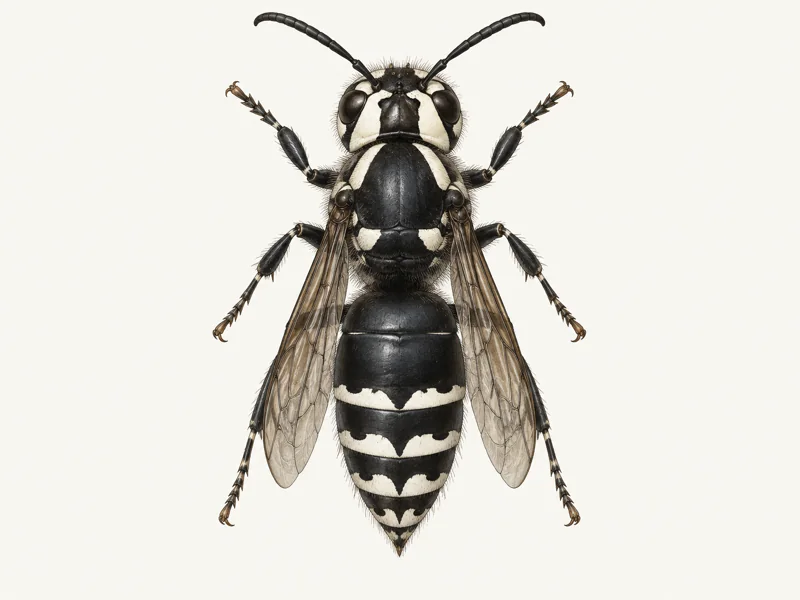
Annotated Anatomy Key (Hornet)
- Ivory-white face: Bold creamy-white face and thorax-side markings distinguish it from yellow jackets.
- Stout black thorax: Heavy-bodied glossy jet-black aerial wasp measuring 15–20 mm.
- Smoky veined wings: Dark-veined translucent wings powering rapid defense around aerial paper nests.
- White rear bands: Crisp ivory-white stripes strictly on the final three jet-black abdominal segments.
Hornets Field Checklist
- Notably larger and stouter than typical yellow jackets or paper wasps
- European hornet has reddish-brown head/thorax with yellow-and-brown striped abdomen
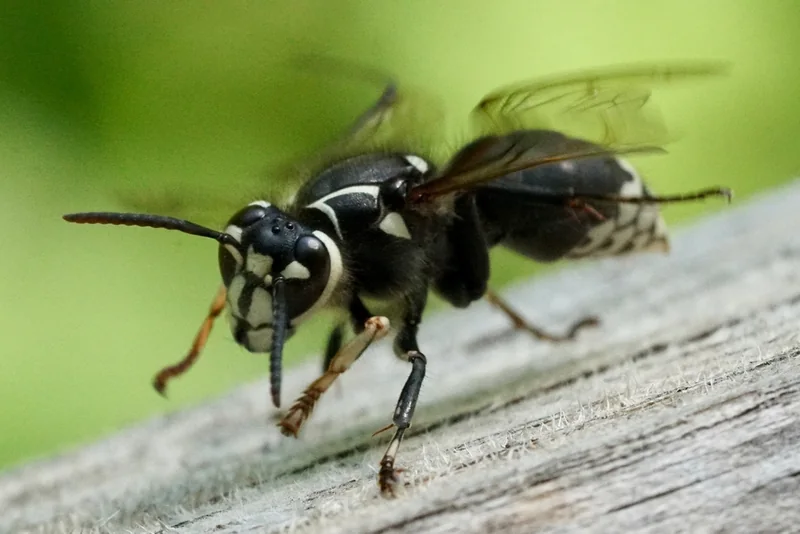
- Bald-faced hornet (an aerial yellow jacket) is stark black with ivory-white face and tail markings
- Constructs large football-shaped gray paper nests in trees, shrubs, or hollow cavities
Side-by-Side Look-Alike Comparisons
Hornets Size at True Relative Scale
Quick Answer: Yes, hornets are common in South Carolina. GBIF records show 237 verified sightings, with the European hornet (Vespa crabro) the recorded species. Activity peaks in August and September, and the most reports come from Greenville, Pickens, York, Spartanburg, and Anderson counties.
Where Hornets Live in South Carolina
Hornet sightings cluster in the Upstate. Greenville, Pickens, York, Spartanburg, and Anderson counties lead the verified GBIF records. The state's humid subtropical climate (USDA zones 7a to 9a) with hot, muggy summers gives colonies a long growing season.
The European hornet typically nests in sheltered cavities. Hollow trees, wall voids, attics, sheds, and barns are common sites. Colonies are built from chewed wood fiber, which gives the paper nest its tan, papery look.
Nests can also appear in dense shrubs or under eaves, though cavity sites are more typical. Workers often forage near porch lights at night, which is unusual among stinging insects and a useful clue.
When Hornets Are Most Active in South Carolina
The South Carolina hornet season follows the colony cycle. A single overwintered queen starts a nest in spring, and the first workers emerge in early summer. Colonies grow steadily through the warm months.
- Spring: Queens search for cavities and build small starter nests.
- Summer: Worker numbers climb and foraging increases.
- August and September: Colonies reach peak size and GBIF sightings peak. Defensive behavior near the nest is strongest.
- Late fall: New queens mate and shelter for winter. The old colony dies off and does not reuse its nest.
Hornet Identification and Look-Alikes
South Carolina hornet identification starts with size and color. European hornets are large, often over an inch long, with reddish-brown heads and thoraxes and a yellow-striped abdomen. Many people confuse them with other stinging insects that share the state.
Look-Alikes Frequently Mistaken for Hornets
- Cicada killers: Large, solitary ground-nesting wasps. They dig burrows in sandy or bare soil and are rarely aggressive.
- Yellow jackets: Smaller, bright yellow and black, and often nest in the ground. They are a frequent cause of late-summer stings.
- Paper wasps and other wasps: Slimmer bodies with dangling legs. They build open, umbrella-shaped comb nests.
- Honey bees: Fuzzy, golden-brown, and rounder. They are valuable pollinators and should not be sprayed. Contact a local beekeeper for swarms.
Correct identification matters because treatment and risk differ. If you are unsure, photograph the insect from a distance and compare it with university extension guides.
How to Keep Hornets Out of Your South Carolina Home
Knowing how to prevent hornets in South Carolina comes down to exclusion and sanitation. Start in late winter or early spring, before queens choose a site.
- Seal gaps in siding, soffits, attic vents, and roof edges with caulk or fine mesh.
- Screen chimney openings and repair damaged window screens.
- Fill or cover hollow cavities in sheds, fences, and outbuildings.
- Keep trash cans tightly lidded and rinse recyclables. Pick up fallen fruit.
- Fix leaks and standing moisture, which attract foraging workers.
- Swap bright outdoor bulbs for yellow or LED lights, which attract fewer insects at night.
- Inspect eaves and shrubs weekly in summer so small nests are found early.
Never block the entrance of an active nest inside a wall. Trapped hornets can chew into living areas. If you use any insecticide, choose a product labeled for the site and pest, and follow the EPA label exactly.
When to Call a Licensed South Carolina Pest Professional
- The nest is inside a wall, attic, or chimney.
- The nest is higher than you can safely reach, or larger than a softball.
- Anyone in the household has a known sting allergy.
- Hornets show aggressive behavior near doors, walkways, or play areas.
- You have been stung several times or removal attempts have failed.
Safety note: Hornet stings can be medically significant, especially for people with allergies. This article is general information, not medical advice. For stings or a possible allergic reaction, call US Poison Control at 1-800-222-1222 and contact a doctor. Call 911 for breathing trouble, swelling of the face or throat, or dizziness.
IPM Prevention Checklist for South Carolina Homes
- Leave high, out-of-the-way tree nests undisturbed—colonies die naturally after hard frost
- Turn off bright exterior lights near doorways in late summer (European hornets fly at night)
- Seal barn, shed, and attic openings in early spring
 EXCLUSION BLUEPRINT
Inspect eaves, screens, door sweeps, foundation cracks, and utility penetrations around South Carolina homes before peak season.
Hornets in South Carolina: Frequently Asked Questions
Are there hornets in South Carolina?
Yes. GBIF has 237 verified sightings in the state, and the recorded species is the European hornet (Vespa crabro). They are most reported in the Upstate.
When is hornet season in South Carolina?
Colonies start in spring and grow through summer. Sightings peak in August and September, when nests are largest.
Do hornets reuse their nests?
No. The colony dies in late fall, and new queens overwinter alone. Old nests can be removed after a hard freeze, once they are inactive.
Should I remove a hornet nest myself?
Only a small, easily reached nest is a reasonable DIY job, and only with protective gear and a calm approach. For nests in walls, high places, or near people with allergies, hire a licensed professional.
Sources & Verification
- Penn State Extension — European Hornet
- Virginia Cooperative Extension — Hornets and Wasps
- GBIF Global Biodiversity Occurrence Records
Data refreshed · Editorial & GBIF Methodology