Cicadas in South Carolina: Species, Season, and Yard Tips
Quick Answer: Yes, cicadas are common in South Carolina, with 1,281 verified GBIF sightings statewide. Recorded species include the Black-back Cicada (Neotibicen tibicen), the Hieroglyphic Cicada (Neocicada hieroglyphica), and Diceroprocta grossa. They pose no danger to people or pets, and sightings peak in May, July, and August.
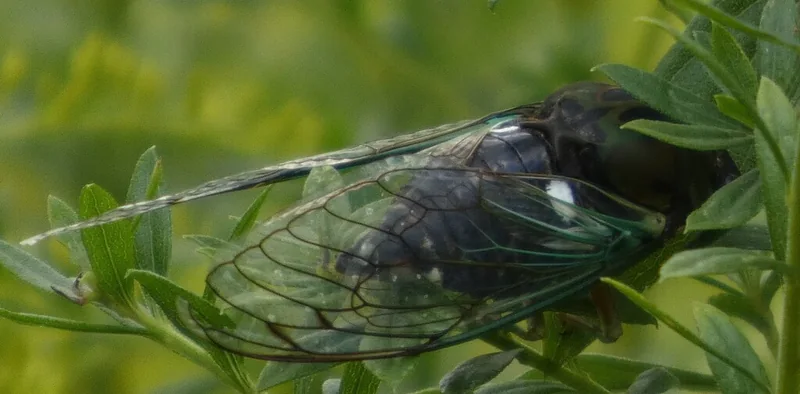
When Cicadas Are Most Active in South Carolina
Now (November): Lower Outdoor ActivityVerified South Carolina Counties, Species & US Range
Counties with Verified Observations
- Charleston
- Greenville
- Richland
- York
- Horry
- Georgetown
- Lexington
- Beaufort
- Berkeley
- Dorchester
Species Recorded in South Carolina
| Species | Scientific Name | GBIF Records |
|---|---|---|
| Diceroprocta grossa | Diceroprocta grossa | 253 |
| Hieroglyphic Cicada | Neocicada hieroglyphica | 186 |
| Black-back Cicada | Neotibicen tibicen | 175 |
How South Carolina Compares to Neighboring States
Note: Wildlife does not follow state or county lines. GBIF totals reflect verified citizen and museum records, so low counts in a neighboring county do not guarantee absence.
How to Identify Cicadas
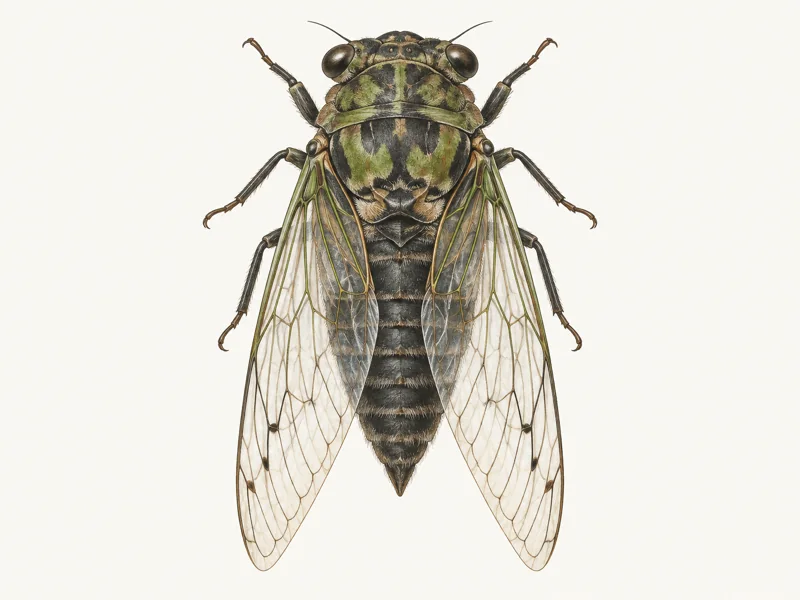
Annotated Anatomy Key (Cicada)
- Widely spaced eyes: Two huge prominent compound eyes set far apart on a broad blunt head.
- Patterned stout thorax: Thick black-and-moss-green thorax (black with red eyes in periodical cicadas).
- Clear veined roof wings: Large transparent heavily veined wings extend far past the abdomen at rest.
- Tapered singing abdomen: Males vibrate ribbed tymbal organs on the abdomen to create loud summer songs.
Cicadas Field Checklist
- Stout, broad body with large wide-set compound eyes (black, green, or red in periodical broods)
- Two pairs of long, heavily veined transparent wings held roof-like over the body
- Loud buzzing mating chorus produced by male abdominal tymbals
- Leaves hollow tan nymphal exoskeletons clinging to tree trunks
Side-by-Side Look-Alike Comparisons
Cicadas Size at True Relative Scale
Quick Answer: Yes, cicadas are common in South Carolina, with 1,281 verified GBIF sightings statewide. Recorded species include the Black-back Cicada (Neotibicen tibicen), the Hieroglyphic Cicada (Neocicada hieroglyphica), and Diceroprocta grossa. They pose no danger to people or pets, and sightings peak in May, July, and August.
Where Cicadas Live in South Carolina
Cicadas (family Cicadidae) occur across the state wherever trees grow. Nymphs live underground and feed on xylem fluid from tree roots for years, so any yard with mature oaks, maples, or other hardwoods can host them. South Carolina's humid subtropical climate (USDA zones 7a to 9a) suits them well.
GBIF records are densest in these counties:
- Charleston
- Greenville
- Richland
- York
- Horry
These counties also have the most residents and observers, so the numbers reflect where people report sightings as well as where cicadas live. Expect them in suburbs, parks, wooded lots, and coastal neighborhoods alike.
Species Recorded in the State
South Carolina cicada identification starts with size, color, and song. The three recorded species differ in useful ways:
- Black-back Cicada (Neotibicen tibicen): a large, bulky species with a dark back and green-edged markings, often called a dog-day cicada for its late-summer timing.
- Hieroglyphic Cicada (Neocicada hieroglyphica): a smaller species with wing and body markings that resemble tiny glyphs.
- **Diceroprocta grossa:** a robust species also documented in GBIF records for the state.
When Cicadas Are Most Active in South Carolina
South Carolina cicada season runs through the warm months. GBIF sightings peak in May, July, and August. Adults emerge from the soil, climb a trunk or fence post, and shed their nymphal skins, leaving behind papery shells called exuviae.
Males produce the loud buzzing or clicking calls on hot afternoons to attract females. The sound is usually loudest in the heat of the day and fades in the evening. Adults live only a few weeks, so the noise in any one spot is temporary.
After mating, females cut slits in thin twigs to lay eggs. The hatched nymphs drop to the ground and burrow in, restarting the cycle.
Look-Alikes Frequently Mistaken for Cicadas
Several insects found in South Carolina get confused with cicadas. Check these features before assuming what is in your yard:
- Cicada Killers: large solitary wasps with yellow-and-black banded abdomens and narrow waists. They hunt cicadas to feed their young and are rarely aggressive toward people. Cicadas have stocky bodies and clear, veined wings held like a roof.
- June Bugs (May Beetles): chunky brown beetles that bump into porch lights at night. They have hard wing covers and chewing mouthparts, and they do not sing.
- Spotted Lanternflies: patterned planthoppers with gray-and-red wings and black spots. They are far smaller and more colorful than any local cicada. If you believe you have found one, report it to your state agriculture department or Clemson Cooperative Extension.
The quickest field check is the combination of a wide head, large bulging eyes, and clear membranous wings. Few other insects share all three.
How to Keep Cicadas Out of Your South Carolina Home
Cicadas do not bite, sting, or infest houses. They feed on plants, not on structures, food, or fabric. The real concerns are noise, shed skins, and egg-laying damage to young trees. Anyone asking how to prevent cicadas in South Carolina should focus on protecting plants rather than eliminating the insects.
Non-Chemical Steps First
- Net young trees: cover saplings with fine mesh (about 1/4 inch or smaller) before egg-laying begins, and secure it at the trunk.
- Delay new plantings: if heavy activity is expected, wait to plant small ornamental trees until the season passes.
- Prune and clean up: remove flagged, damaged twigs and rake up shed skins and dead adults.
- Seal entry points: keep window screens and door sweeps intact so the occasional stray adult stays outside.
- Rinse them off: a firm spray of water knocks adults from shrubs and siding.
Insecticides are rarely worthwhile against cicadas, since adults are short-lived and new ones keep arriving. If you consider any product, read the label, confirm it is registered for your site and use, and follow EPA label directions exactly.
When to Call a Licensed Pro
Contact a licensed South Carolina pest professional or a certified arborist if:
- Many young or high-value trees show widespread twig dieback.
- You cannot confirm whether the insect is a cicada or a wood-boring or stinging pest.
- Large wasp activity near walkways or play areas concerns you.
Cicadas themselves are harmless. If anyone has a serious reaction to a sting from a look-alike wasp, call US Poison Control at 1-800-222-1222 and seek medical care.
IPM Prevention Checklist for South Carolina Homes
- Cover young newly planted saplings (<4 years old) with fine 1/4-inch mesh netting during periodical emergence years
- Delay planting thin-barked ornamentals until after major brood emergences
 EXCLUSION BLUEPRINT
Inspect eaves, screens, door sweeps, foundation cracks, and utility penetrations around South Carolina homes before peak season.
Cicadas in South Carolina: Frequently Asked Questions
Are there cicadas in South Carolina?
Yes. GBIF has 1,281 verified sightings statewide, with the most records in Charleston, Greenville, Richland, York, and Horry counties.
When is cicada season in South Carolina?
Records peak in May, July, and August. Adults appear during warm weather and live only a few weeks.
Are cicadas dangerous to people or pets?
No. They do not bite or sting. Pets that eat several may get an upset stomach, so call your veterinarian if symptoms persist.
Do cicadas damage trees?
Mature trees usually tolerate them well. Females' egg-laying slits can break twigs and stress young saplings, which is why netting small trees helps.
Sources & Verification
- University of Connecticut — Periodical Cicadas
- Ohio State University Extension — Cicadas
- GBIF Global Biodiversity Occurrence Records
Data refreshed · Editorial & GBIF Methodology