Mosquitoes in South Carolina: Species, Season, and Prevention
Quick Answer: Yes, mosquitoes (family Culicidae) occur in South Carolina, and the humid subtropical climate suits them well. The GBIF record set used for this guide is thin, with just 1 verified sighting (Culex restuans, Horry County, July), so it reflects limited reporting rather than true scarcity. Standing water control is the most effective homeowner step.
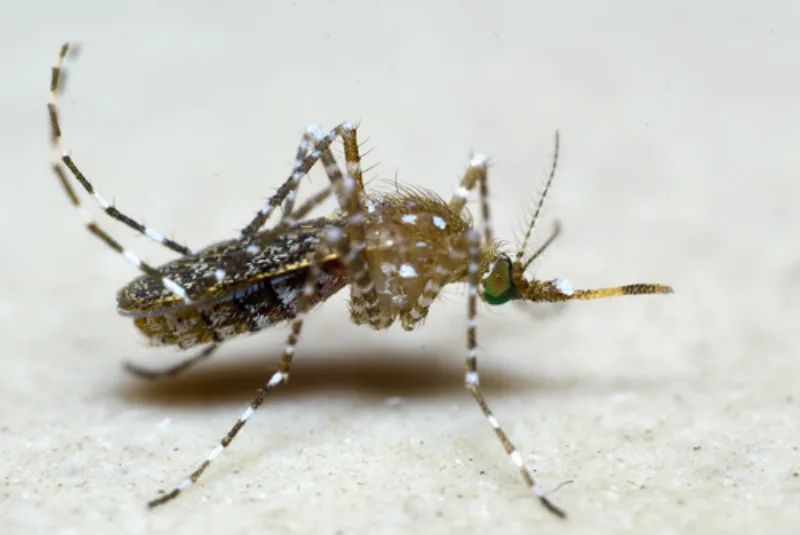
When Mosquitoes Are Most Active in South Carolina
Now (November): Lower Outdoor ActivityVerified South Carolina Counties, Species & US Range
Counties with Verified Observations
- Horry
Species Recorded in South Carolina
| Species | Scientific Name | GBIF Records |
|---|---|---|
| Culex restuans | Culex restuans | 1 |
How South Carolina Compares to Neighboring States
Note: Wildlife does not follow state or county lines. GBIF totals reflect verified citizen and museum records, so low counts in a neighboring county do not guarantee absence.
How to Identify Mosquitoes
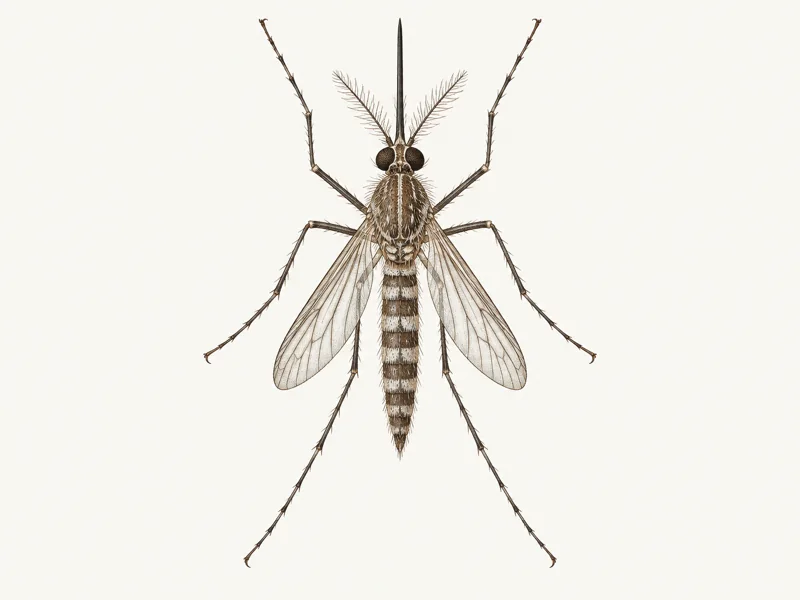
Annotated Anatomy Key (Mosquito)
- Needle proboscis: Long straight piercing-sucking mouthpart projecting straight ahead (only females bite).
- Narrow scaled wings: Single pair of delicate translucent veined wings edged with microscopic fringe scales.
- Six long spindly legs: Three pairs of delicate trailing legs (marked with crisp white bands on Aedes tiger species).
- Slender banded abdomen: Narrow segmented abdomen extending behind the humped thorax; breeds in standing water.
Mosquitoes Field Checklist
- Slender, fragile fly with long spindly legs and a single pair of scaly wings
- Elongated needle-like proboscis used by females for blood meals
- Distinctive high-pitched whine in flight
- Some species (Aedes) display bold black-and-white stripes on legs and thorax
Side-by-Side Look-Alike Comparisons
Mosquitoes Size at True Relative Scale
Quick Answer: Yes, mosquitoes (family Culicidae) occur in South Carolina, and the humid subtropical climate suits them well. The GBIF record set used for this guide is thin, with just 1 verified sighting (Culex restuans, Horry County, July), so it reflects limited reporting rather than true scarcity. Standing water control is the most effective homeowner step.
Where Mosquitoes Live in South Carolina
Mosquitoes need standing water to complete their life cycle. South Carolina's warm, muggy summers, coastal wetlands, and mild winters (USDA zones 7a to 9a) provide plenty of it. Eggs hatch into aquatic larvae, then pupae, then flying adults, often in under two weeks in hot weather.
The single verified GBIF record is Culex restuans in Horry County, on the northern coast. This species is a common container and ground-pool breeder in the eastern US. One record is a data point, not a map of where mosquitoes occur. Many more species almost certainly live across the state but are not documented in this dataset.
Common breeding sites around homes include:
- Clogged gutters and downspout extensions
- Bird baths, pet bowls, and flowerpot saucers
- Old tires, buckets, tarps, and toys that hold rainwater
- Neglected pools, ornamental ponds without circulation, and low spots in the yard
- Roadside ditches and drainage areas
When Mosquitoes Are Most Active in South Carolina
The one GBIF record falls in July, which matches the general pattern for the South Carolina mosquito season. Activity builds through spring as temperatures rise, peaks in the hot, wet months of summer, and tapers in fall. Mild coastal winters can allow occasional activity on warm days.
Most mosquitoes are active at dawn and dusk. Rain followed by heat often triggers a surge, since new puddles can produce adults within about a week. Checking the yard after storms is a practical habit.
Health Note
Mosquito bites are usually just itchy, but some mosquito species can carry disease-causing germs. This guide does not offer medical diagnosis or treatment advice. If you develop fever, severe headache, or other worrying symptoms after bites, contact a doctor. For urgent questions about exposure or reactions, call US Poison Control at 1-800-222-1222.
Look-Alikes Frequently Mistaken for Mosquitoes
South Carolina mosquito identification starts with a few traits: slender body, long legs, scale-covered wings, and a long piercing mouthpart (proboscis). Several small flies found indoors are often mistaken for them but do not bite.
- Fungus gnats: Small, dark, weak fliers hovering around houseplants and damp potting soil.
- Drain flies (moth flies): Fuzzy, moth-like, with rounded wings. They breed in the slime inside drains.
- Fruit flies: Tan, with red eyes, drawn to ripe produce, trash, and recycling.
If the insect bites you, has a visible needle-like proboscis, or is found outdoors near dusk, a mosquito is more likely. Flies clustered at a sink, plant, or fruit bowl are almost always one of the look-alikes.
How to Keep Mosquitoes Out of Your South Carolina Home
For how to prevent mosquitoes in South Carolina, start with non-chemical Integrated Pest Management (IPM). General guidance from university extension programs emphasizes removing larval habitat first.
- Dump and drain: Empty containers weekly and scrub bird baths to remove eggs.
- Fix moisture problems: Clean gutters, regrade low spots, and repair leaking outdoor spigots.
- Exclude adults: Repair window and door screens and keep door sweeps tight.
- Circulate water: Use pumps or fountains in ponds, and keep pools filtered and covered.
- Use fans and repellents: A porch fan helps. Apply skin repellents exactly as the EPA-registered label directs.
- Use larvicides carefully: Products containing Bti can treat water that cannot be drained. Follow the EPA label.
When to Call a Licensed South Carolina Pest Professional
- Mosquitoes remain heavy after you remove all standing water you can find
- Breeding sites are large, hidden, or on property you cannot access
- Bites make outdoor use of your yard impractical during peak months
- You are considering yard-wide sprays, which should be applied by a licensed applicant following label directions
IPM Prevention Checklist for South Carolina Homes
- Tip and toss any standing water container once per week
- Keep window and patio door screens intact with no gaps
- Use EPA-registered repellents (DEET, picaridin, IR3535, oil of lemon eucalyptus) per label
 EXCLUSION BLUEPRINT
Inspect eaves, screens, door sweeps, foundation cracks, and utility penetrations around South Carolina homes before peak season.
Mosquitoes in South Carolina: Frequently Asked Questions
Are there mosquitoes in South Carolina?
Yes. The climate is warm and wet, and mosquitoes breed wherever water stands. The GBIF data here includes only one record, Culex restuans in Horry County, so it understates how common they are.
When is South Carolina mosquito season?
Activity typically rises in spring, peaks in summer, and fades in fall. The verified record is from July.
How do I tell a mosquito from a fungus gnat?
Mosquitoes have a long proboscis, scaled wings, and bite. Fungus gnats are tiny, dark, and hover near houseplants without biting.
Are mosquito bites dangerous?
Most cause only itching, but some mosquitoes can transmit disease. See a doctor for concerning symptoms, and call US Poison Control at 1-800-222-1222 for urgent exposure questions.
Sources & Verification
Data refreshed · Editorial & GBIF Methodology