Millipedes in South Carolina: Identification, Season, and Prevention
Quick Answer: Yes, millipedes are common in South Carolina, with 1,224 verified GBIF sightings statewide. They are harmless to people and pets, feeding mostly on decaying plant matter. They become a nuisance mainly when they wander indoors after heavy rain or during dry spells.
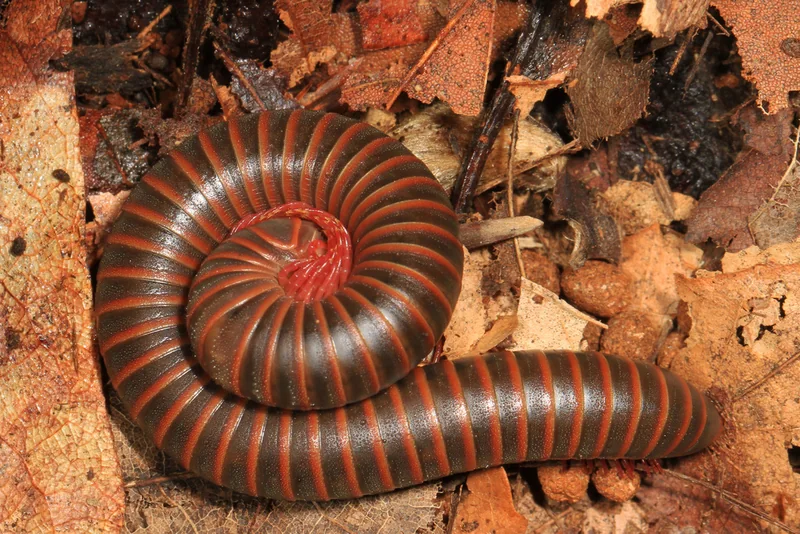
When Millipedes Are Most Active in South Carolina
Now (November): Lower Outdoor ActivityVerified South Carolina Counties, Species & US Range
Counties with Verified Observations
- Greenville
- Richland
- Pickens
- York
- Horry
- Spartanburg
- Oconee
- Beaufort
- Colleton
- Lexington
Species Recorded in South Carolina
| Species | Scientific Name | GBIF Records |
|---|---|---|
| Garden Millepede | Oxidus gracilis | 482 |
| Canadian Flat-back Millipede | Pseudopolydesmus canadensis | 84 |
| Cherokia georgiana | Cherokia georgiana | 40 |
How South Carolina Compares to Neighboring States
Note: Wildlife does not follow state or county lines. GBIF totals reflect verified citizen and museum records, so low counts in a neighboring county do not guarantee absence.
How to Identify Millipedes
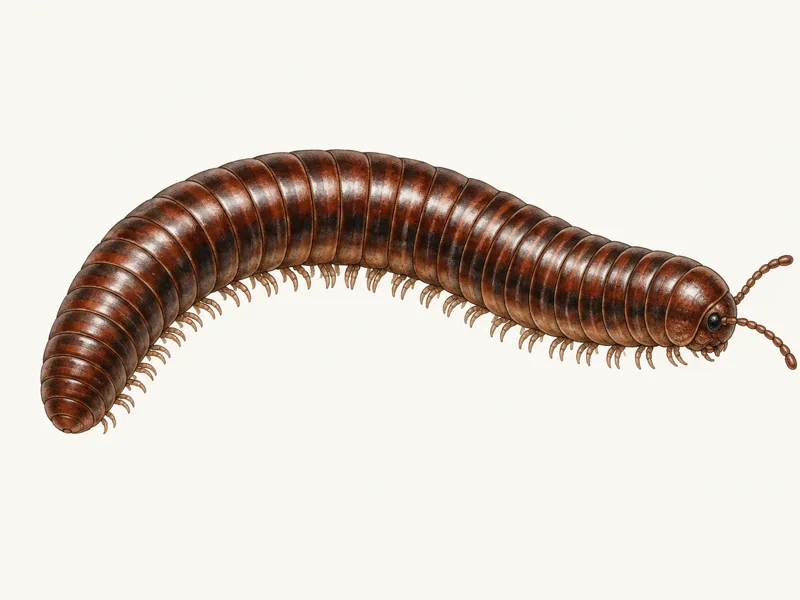
Annotated Anatomy Key (Millipede)
- Cylindrical armor rings: Smooth, rounded, tubular body segments (unlike flattened centipedes); curls into a tight spiral.
- Short clubbed antennae: Compact, gently bent antennae on a rounded head with NO venomous pincers or biting fangs.
- 2 leg pairs / segment: TWO pairs of very short delicate legs tucked directly underneath each trunk ring.
- Slow harmless detritivore: Rounded non-biting head; glides slowly over damp mulch feeding strictly on decaying plant matter.
Millipedes Field Checklist
- Rounded cylindrical segmented body with TWO pairs of short legs per body segment
- Moves slowly and coils tightly into a spiral when disturbed
- Does not bite or sting; some species secrete a mildly irritating defensive fluid
- Harmless detritivores that break down decaying leaves outdoors
Side-by-Side Look-Alike Comparisons
Millipedes Size at True Relative Scale
Quick Answer: Yes, millipedes are common in South Carolina, with 1,224 verified GBIF sightings statewide. They are harmless to people and pets, feeding mostly on decaying plant matter. They become a nuisance mainly when they wander indoors after heavy rain or during dry spells.
Where Millipedes Live in South Carolina
Millipedes (class Diplopoda) thrive in damp, dark places rich in decaying leaves and wood. South Carolina's humid subtropical climate (USDA zones 7a-9a), with hot, muggy summers and mild coastal winters, suits them well. People who ask whether there are millipedes in South Carolina will find them in nearly every part of the state.
GBIF records show the most sightings in Greenville, Richland, Pickens, York, and Horry counties. That spread covers the Upstate, the Midlands, and the Grand Strand, so no single region has a monopoly.
Species Recorded in the State
- Garden Millepede (Oxidus gracilis): a shiny, dark brown, flattened-looking species often found near homes, greenhouses, and mulched beds.
- Canadian Flat-back Millipede (Pseudopolydesmus canadensis): a flat-backed woodland species found in leaf litter and under logs.
- Cherokia georgiana: a native forest millipede recorded in the state.
Typical Hiding Spots
- Leaf litter, mulch, and pine straw
- Under flowerpots, stones, and firewood stacks
- Damp crawl spaces, basements, and garages
- Compost piles and the edges of irrigated lawns
When Millipedes Are Most Active in South Carolina
For South Carolina millipede season, GBIF sightings peak in June, August, September, and October. Warm, wet weather keeps them moving, and fall rains often push them out of saturated soil and toward foundations.
Indoor invasions tend to follow heavy rain or sudden dry spells, when millipedes search for moisture. They usually die indoors within a day or two because dry air dehydrates them.
Look-Alikes Frequently Mistaken for Millipedes
South Carolina millipede identification starts with the legs. Millipedes have two pairs of short legs on most body segments, a rounded or slightly flattened body, and a slow, wave-like walk. They often curl into a tight coil when disturbed.
- Centipedes: one pair of legs per segment, a flatter body, and fast movement. They are predators and can bite.
- House Centipedes: long, banded legs and quick, darting runs across floors and walls. They hunt other household insects.
- Pill Bugs (Roly-Polies): gray, oval crustaceans with seven pairs of legs that roll into a ball. They also favor damp mulch.
Millipedes pose no danger to people. Some species release a mild defensive fluid that can irritate skin or eyes, so wash hands after handling them. If irritation persists or someone swallows one, contact US Poison Control at 1-800-222-1222 or a doctor.
How to Keep Millipedes Out of Your South Carolina Home
Learning how to prevent millipedes in South Carolina comes down to moisture control and exclusion. General entomology guidance from US university extension programs puts non-chemical steps first, because millipedes breed outdoors and wander in by accident.
Non-Chemical Steps First
- Pull mulch, pine straw, and leaf litter 12 inches back from the foundation.
- Fix leaking spigots, clogged gutters, and downspouts that dump water near the house.
- Grade soil so water drains away from walls, and run a dehumidifier in damp basements or crawl spaces.
- Seal gaps around doors, utility penetrations, and foundation cracks, and install door sweeps.
- Reduce outdoor lighting near doors, or switch to yellow bulbs, since lights attract the insects millipedes follow.
- Sweep or vacuum indoor strays and dispose of them. Do not crush them, which can leave stains and odor.
If You Use a Pesticide
Treat only after moisture and exclusion fixes are in place. Choose a product labeled for millipedes and outdoor perimeter use, and follow the EPA-approved label exactly for rates, placement, and safety precautions. Keep children and pets away from treated areas.
When to Call a Licensed South Carolina Pest Professional
- Dozens or hundreds of millipedes appear indoors repeatedly, even after sealing and moisture fixes.
- Large numbers gather on patios, walls, or entryways every season.
- You cannot tell whether the pest is a millipede, centipede, or something else.
- Persistent moisture or wood decay near the foundation suggests a larger structural problem.
IPM Prevention Checklist for South Carolina Homes
- Pull mulch back 12 inches from foundations and dethatch overly wet lawns
- Install tight door sweeps and seal basement foundation cracks
 EXCLUSION BLUEPRINT
Inspect eaves, screens, door sweeps, foundation cracks, and utility penetrations around South Carolina homes before peak season.
Millipedes in South Carolina: Frequently Asked Questions
Are there millipedes in South Carolina?
Yes. They are common, with 1,224 verified GBIF sightings, including the Garden Millepede, the Canadian Flat-back Millipede, and Cherokia georgiana.
Are millipedes dangerous to people or pets?
No. They do not bite or sting, and the danger level is none. Some release a mild irritating fluid, so wash your hands after contact and call Poison Control at 1-800-222-1222 with concerns.
Why do millipedes come inside my house?
Heavy rain, drought, or saturated mulch near the foundation drives them toward shelter. Most die indoors from dry air within a day or two.
Do millipedes damage my yard or home?
Rarely. They mainly eat decaying organic matter and help break down leaf litter. Large numbers can occasionally nibble seedlings, but structural damage is not a concern.
Sources & Verification
Data refreshed · Editorial & GBIF Methodology