Stink Bugs in South Carolina: Identification, Season, and Prevention
Quick Answer: Yes, stink bugs are common in South Carolina. The brown marmorated stink bug (Halyomorpha halys) has 836 verified GBIF sightings in the state, with activity peaking in August, September, and October. They are a nuisance pest, not a danger to people, and exclusion is the best first defense.
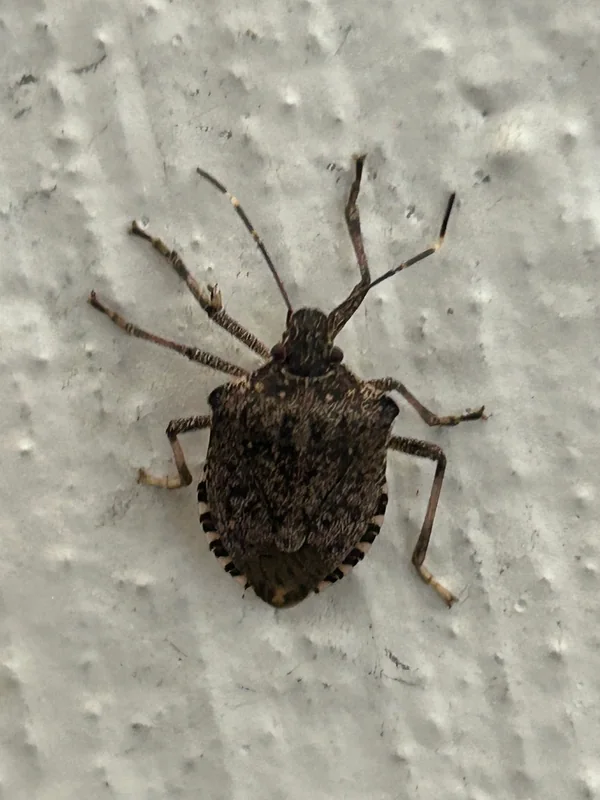
When Stink Bugs Are Most Active in South Carolina
Now (November): Moderate ActivityVerified South Carolina Counties, Species & US Range
Counties with Verified Observations
- Greenville
- Richland
- Spartanburg
- Lexington
- York
- Florence
- Pickens
- Greenwood
- Orangeburg
- Cherokee
Species Recorded in South Carolina
| Species | Scientific Name | GBIF Records |
|---|---|---|
| Marmorated brown stink bug, Yellow-brown stink bug | Halyomorpha halys | 836 |
How South Carolina Compares to Neighboring States
Note: Wildlife does not follow state or county lines. GBIF totals reflect verified citizen and museum records, so low counts in a neighboring county do not guarantee absence.
How to Identify Stink Bugs
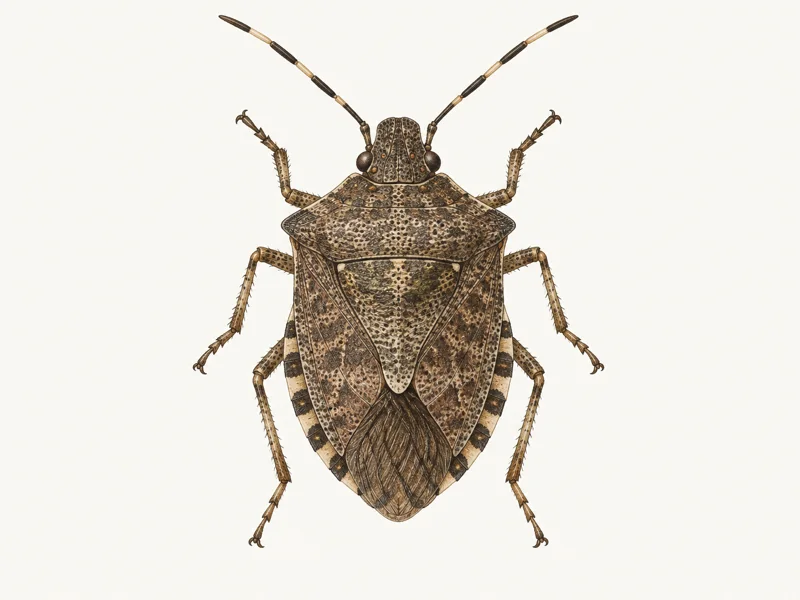
Annotated Anatomy Key (Stink Bug)
- White-banded antennae: Distinct alternating light-white and dark bands on the last two antennae segments.
- Smooth shield shoulders: Broad angular shield-shaped pronotum with smooth (non-spined) outer shoulder edges.
- Six mottled legs: Three pairs of brown walking legs; emits a sharp cilantro-like defensive odor if crushed.
- Banded abdomen rim: Alternating cream-and-dark rectangles along the outer edge of the mottled shield back.
Stink Bugs Field Checklist
- Broad shield-shaped mottled brown body (brown marmorated stink bug)
- Alternating light and dark bands along the antennae and outer edge of the abdomen
- Releases a sharp cilantro-like defensive odor when crushed or startled
- Harmless to humans and structures; feeds on fruits and ornamental plants outdoors
Side-by-Side Look-Alike Comparisons
Stink Bugs Size at True Relative Scale
Quick Answer: Yes, stink bugs are common in South Carolina. The brown marmorated stink bug (Halyomorpha halys) has 836 verified GBIF sightings in the state, with activity peaking in August, September, and October. They are a nuisance pest, not a danger to people, and exclusion is the best first defense.
Where Stink Bugs Live in South Carolina
Anyone asking whether there are stink bugs in South Carolina can expect a clear yes. GBIF records place the most sightings in Greenville, Richland, Spartanburg, Lexington, and York counties. Those are the state's more populated Upstate and Midlands areas, where homes, gardens, and ornamental plantings give the bugs plenty of habitat.
Recorded names include the marmorated brown stink bug and the yellow-brown stink bug, both listed under Halyomorpha halys. The state's humid subtropical climate (USDA zones 7a to 9a) features hot, muggy summers and mild coastal winters, which suits the species well.
South Carolina Stink Bug Identification
Adults are about 5/8 inch long with a shield-shaped body and a mottled brown, gray, and tan look. Several features help separate them from other bugs:
- Alternating light and dark bands on the outer edge of the abdomen
- White bands on the antennae
- Smooth shoulders without sharp spines
- A distinct odor when crushed or disturbed
Outdoors, they feed on fruits, vegetables, and ornamental plants. Indoors, they do not breed or damage structures, but they can be a persistent annoyance.
When Stink Bugs Are Most Active in South Carolina
The South Carolina stink bug season builds through summer and peaks from August through October, based on GBIF occurrence records. Late-season feeding on garden crops and fruit is common. As nights cool in autumn, adults look for sheltered spots to overwinter.
That fall movement is when homeowners notice them clustering on sunny exterior walls, around windows, and near door frames. In mild winters, especially in warmer coastal areas, a few may appear indoors on warm days. In spring, overwintered adults move back outside to feed and lay eggs.
Look-Alikes Frequently Mistaken for Stink Bugs
Several insects found in South Carolina are confused with stink bugs. Careful identification keeps you from treating the wrong pest.
- Kissing bugs: These have a cone-shaped head and a longer, narrower body. They are blood-feeders, unlike stink bugs, which feed on plants. If you think you have found one, avoid handling it with bare hands, place it in a container, and have it identified by a professional.
- Boxelder bugs: Slimmer, black insects with red-orange markings along the wings. They also gather on warm walls in fall.
- Asian lady beetles: Round, domed beetles in orange to red, often with dark spots. They also invade homes in autumn.
The shield shape and banded antennae are the quickest ways to confirm a stink bug. If you have a suspected kissing bug bite and develop symptoms such as swelling, hives, or breathing trouble, contact US Poison Control at 1-800-222-1222 and see a doctor.
How to Keep Stink Bugs Out of Your South Carolina Home
Anyone wondering how to prevent stink bugs in South Carolina should start with exclusion, since it works better than spraying. Do the work in late summer, before the August to October rush.
- Seal gaps around windows, doors, utility lines, and siding with caulk.
- Repair or replace torn window and door screens, and add door sweeps.
- Screen attic vents, chimneys, and soffits.
- Reduce moisture around the foundation with gutter repair and proper drainage.
- Turn off unnecessary exterior lights at night, which attract insects.
- Clear leaf litter and woodpiles away from the foundation.
For bugs already inside, use a vacuum or sweep them into a container of soapy water. Avoid crushing them, since that releases the odor. Empty vacuum bags promptly.
If you consider an insecticide, choose a product labeled for the site and pest, and follow the EPA label directions exactly. Spraying bugs after they are indoors is rarely effective and can leave dead insects that attract other pests.
When to Call a Licensed South Carolina Pest Professional
- Dozens or hundreds of bugs appear indoors repeatedly, even after sealing.
- Large clusters gather in wall voids, attics, or soffits you cannot reach.
- You cannot identify the insect and suspect a kissing bug.
- Garden or orchard crops show ongoing feeding damage.
A licensed pest professional can inspect entry points, recommend exclusion work, and apply labeled products safely when needed.
IPM Prevention Checklist for South Carolina Homes
- Caulk window trim, siding seams, and utility penetrations before September
- Repair window screens and install tight sweeps on exterior and attic doors
- Remove window AC units promptly in fall
 EXCLUSION BLUEPRINT
Inspect eaves, screens, door sweeps, foundation cracks, and utility penetrations around South Carolina homes before peak season.
Stink Bugs in South Carolina: Frequently Asked Questions
Are there stink bugs in South Carolina year-round?
They are most visible from August to October. Adults overwinter in sheltered spots and can appear indoors on warm winter days, then return outside in spring.
Are stink bugs dangerous?
No. They are considered a nuisance. They do not bite or sting, though the odor is unpleasant and some people may react to handling them.
Which South Carolina counties report the most stink bugs?
GBIF records show the most sightings in Greenville, Richland, Spartanburg, Lexington, and York counties.
Do stink bugs damage my house?
No. They do not eat wood, fabric, or food stores, and they do not reproduce indoors. They can damage garden fruits and vegetables outdoors.
Sources & Verification
- Penn State Extension — Brown Marmorated Stink Bug
- StopBMSB.org — USDA Specialty Crop Research
- GBIF Global Biodiversity Occurrence Records
Data refreshed · Editorial & GBIF Methodology