Centipedes in Alabama: Species, Seasons, and Prevention
Quick Answer: Yes, centipedes are common in Alabama, with 797 verified GBIF sightings statewide. Three species appear in the records: the Eastern Bark Centipede, Scolopocryptops sexspinosus, and the House Centipede. They are considered a nuisance, and moisture control and sealing entry points are the best ways to keep them out.
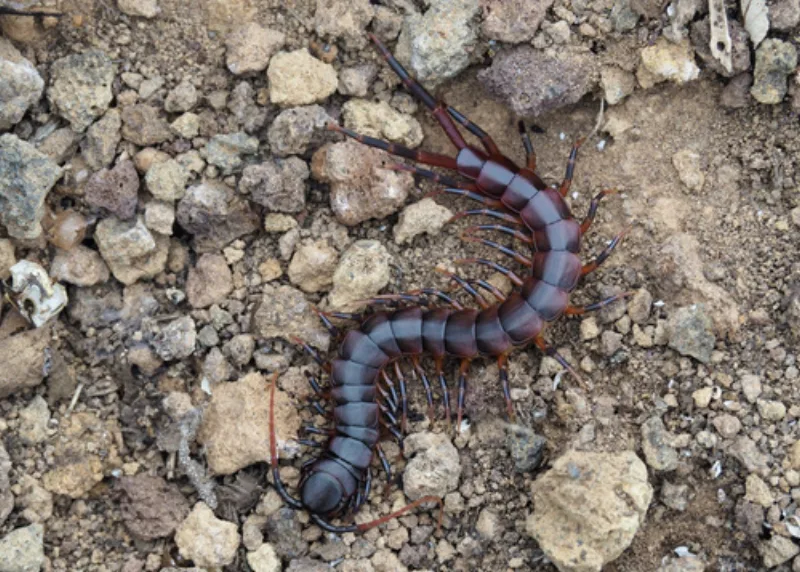
When Centipedes Are Most Active in Alabama
Now (November): Moderate ActivityVerified Alabama Counties, Species & US Range
Counties with Verified Observations
- Lawrence
- Lee
- Madison
- Jefferson
- Lauderdale
- Shelby
- Calhoun
- Morgan
- Blount
- Winston
Species Recorded in Alabama
| Species | Scientific Name | GBIF Records |
|---|---|---|
| Eastern Bark Centipede | Hemiscolopendra marginata | 281 |
| Scolopocryptops sexspinosus | Scolopocryptops sexspinosus | 164 |
| House Centipede | Scutigera coleoptrata | 164 |
How Alabama Compares to Neighboring States
Note: Wildlife does not follow state or county lines. GBIF totals reflect verified citizen and museum records, so low counts in a neighboring county do not guarantee absence.
How to Identify Centipedes
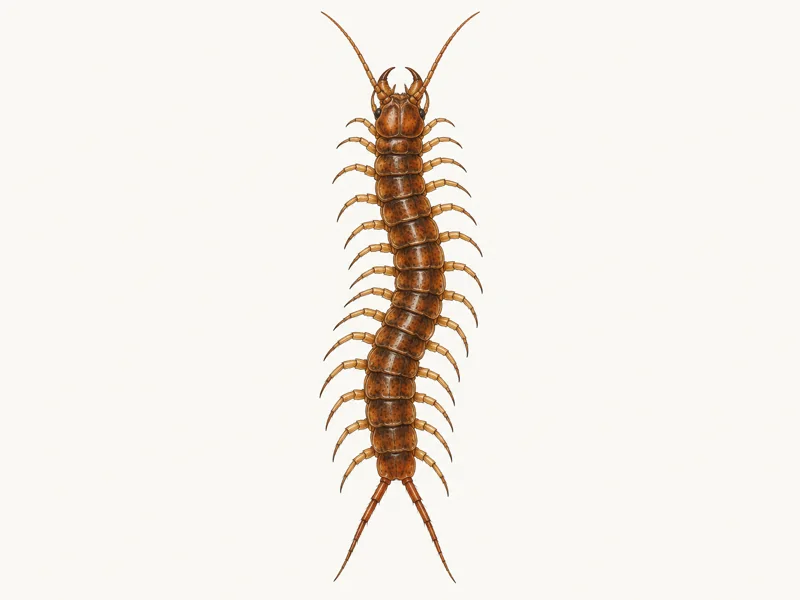
Annotated Anatomy Key (Centipede)
- Antennae & forcipules: Long segmented antennae and modified front venom claws (forcipules) behind the head.
- Flattened segments: Flat, flexible segmented trunk built for fast sprinting—never coils into a tight spiral.
- 1 leg pair / segment: EXACTLY ONE pair of legs extending outward per body segment (millipedes have two pairs).
- Trailing rear legs: Elongated sensory rear leg pair projecting backward like antennae to confuse predators.
Centipedes Field Checklist
- Flattened, elongated segmented body with exactly ONE pair of legs per body segment
- Long antennae and modified front venom claws (forcipules) used to subdue insect prey
- Moves very rapidly when exposed to light
- Large desert species (Scolopendra) deliver painful pinches; smaller garden centipedes are harmless
Centipedes Size at True Relative Scale
Quick Answer: Yes, centipedes are common in Alabama, with 797 verified GBIF sightings statewide. Three species appear in the records: the Eastern Bark Centipede, Scolopocryptops sexspinosus, and the House Centipede. They are considered a nuisance, and moisture control and sealing entry points are the best ways to keep them out.
Where Centipedes Live in Alabama
People often ask, are there centipedes in Alabama? The answer is a clear yes. GBIF records show the most sightings in Lawrence, Lee, Madison, Jefferson, and Lauderdale counties, though the humid subtropical climate (USDA zones 7a-9a) suits them statewide.
Centipedes (class Chilopoda) are predators that hunt insects, spiders, and other small prey at night. They need damp shelter, so they gather wherever moisture and hiding places overlap.
Species Recorded in Alabama
- Eastern Bark Centipede (Hemiscolopendra marginata): found under bark, logs, and stones outdoors.
- Scolopocryptops sexspinosus: a slender, fast-moving species of leaf litter and rotting wood.
- House Centipede (Scutigera coleoptrata): the long-legged species that most often turns up indoors.
Common Hiding Spots
- Mulch, leaf piles, and firewood stacks
- Under flower pots, stepping stones, and landscape timbers
- Crawl spaces, basements, and bathrooms
- Garages and laundry rooms with damp floors
When Centipedes Are Most Active in Alabama
Alabama centipede season is long because winters are mild. GBIF sightings peak in April, July, September, and October, matching spring warmth, humid midsummer, and the return of cooler, damper fall weather.
Heavy rain or drought can push centipedes toward buildings. Wet soil floods their outdoor shelters, while dry spells send them looking for moisture. Expect more indoor sightings after those weather swings.
Look-Alikes Frequently Mistaken for Centipedes
Alabama centipede identification starts with leg count: centipedes have one pair of legs per body segment, and their bodies are flattened. Several other household pests get confused with them.
- House Centipedes: technically a centipede, but often mistaken for a different pest because of 15 pairs of very long legs and quick, darting movement.
- Millipedes: rounder bodies, two pairs of legs per segment, slow movement, and a habit of curling into a coil. They feed on decaying plant matter.
- Silverfish: silvery, teardrop-shaped, with three tail-like bristles and no long leg fringe.
- Earwigs: shorter, with a pair of pincers at the rear and only six legs.
If the animal is long, flat, and very fast with many legs, it is most likely a centipede. A slow, cylindrical, coiling animal is almost certainly a millipede.
How to Keep Centipedes Out of Your Alabama Home
For anyone asking how to prevent centipedes in Alabama, the approach is Integrated Pest Management (IPM). Centipedes follow their prey and moisture, so removing both works better than spraying. University extension IPM guidance consistently emphasizes exclusion, sanitation, and moisture control first.
Non-Chemical Steps First
- Run dehumidifiers in basements and crawl spaces, and fix leaky pipes and dripping faucets.
- Direct gutters and downspouts away from the foundation.
- Pull mulch, leaf litter, and woodpiles back at least a foot from the house.
- Seal gaps around doors, windows, utility lines, and foundation cracks, and add door sweeps.
- Reduce clutter in garages and storage areas, where they hide and hunt.
- Control other household insects, since those are the centipede's food supply.
- Place sticky traps along baseboards to monitor activity.
Using Pesticides Carefully
If you add a residual product around the foundation, choose one labeled for centipedes and follow all EPA label directions on rates, placement, and safety. Keep products away from children, pets, and water sources.
When to Call a Licensed Alabama Pest Professional
- You see centipedes daily indoors despite moisture and sealing fixes.
- You find many of them, which suggests a large prey population such as roaches or other insects.
- Crawl space moisture or structural gaps seem beyond DIY repair.
- Someone in the home is anxious about repeated encounters or has had a reaction to a bite.
Centipedes can bite if handled, and the bite is typically painful but minor. For a bite with severe pain, swelling, or an allergic reaction, contact US Poison Control at 1-800-222-1222 and a doctor.
IPM Prevention Checklist for Alabama Homes
- Run a dehumidifier in damp basements and fix foundation moisture leaks
- Pull mulch, firewood, and compost piles back at least 12–18 inches from foundation walls
- Seal exterior cracks and install tight door sweeps
 EXCLUSION BLUEPRINT
Inspect eaves, screens, door sweeps, foundation cracks, and utility penetrations around Alabama homes before peak season.
Centipedes in Alabama: Frequently Asked Questions
Are there centipedes in Alabama?
Yes. GBIF holds 797 verified sightings, and centipedes are considered common statewide, especially in Lawrence, Lee, Madison, Jefferson, and Lauderdale counties.
Are Alabama centipedes dangerous?
They are rated a nuisance. They rarely bite and usually flee, but a bite can hurt. For concerning symptoms, call Poison Control at 1-800-222-1222 and see a doctor.
What time of year are centipedes most common?
Records peak in April, July, September, and October. Rainy or very dry spells can increase indoor sightings.
Do house centipedes mean my home has a pest problem?
Not necessarily, but they often indicate damp areas and other insects for them to eat. Fix moisture, seal entry points, and reduce other pests to discourage them.
Sources & Verification
- Texas A&M AgriLife Extension — Centipedes
- Penn State Extension — Centipedes and Millipedes
- GBIF Global Biodiversity Occurrence Records
Data refreshed · Editorial & GBIF Methodology