How to Get Rid of Centipedes: Safe Centipede Control and Prevention for US Homeowners
Quick Action Plan: You flip on the basement light and something with far too many legs sprints across the floor. That's almost always a house centipede, and while it's unsettling, it's a nuisance pest, not a danger to your home.
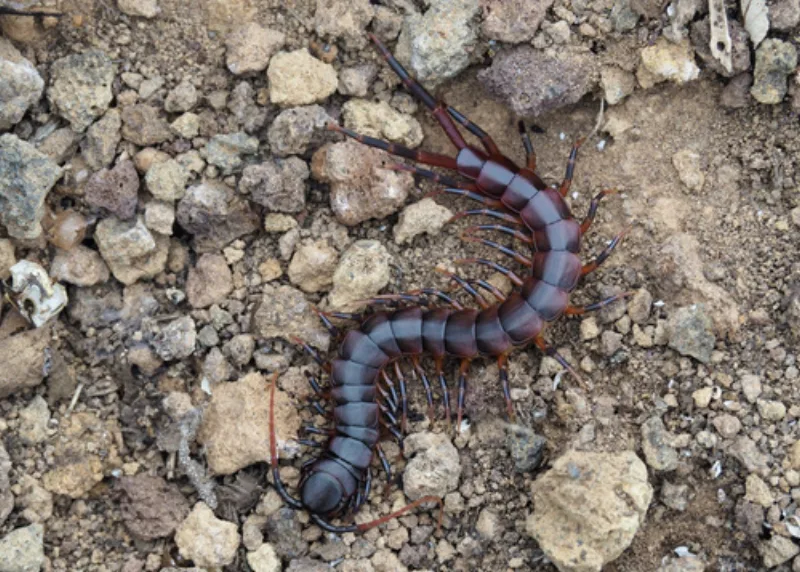
4-Step Visual IPM Removal & Exclusion Protocol
Follow Integrated Pest Management in order—verify the species, remove active individuals mechanically, seal indoor entry points, and modify outdoor habitat before considering any EPA-registered product.
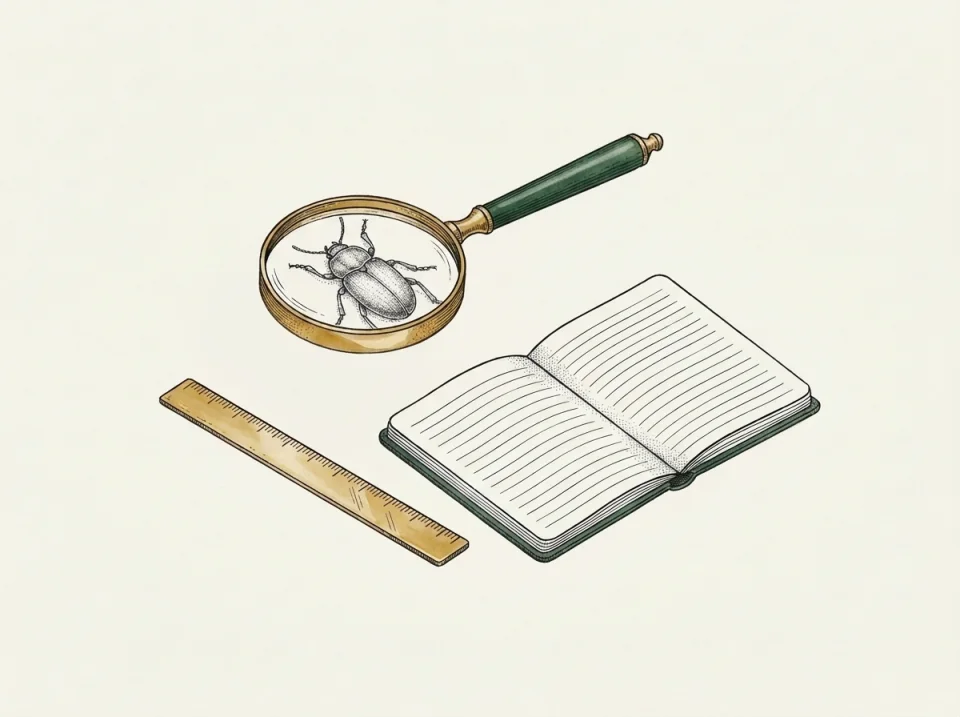 STEP 01
Confirm Species & Signs
Verify centipedes (25–180 mm) before choosing a treatment.
- Flattened, elongated segmented body with exactly ONE pair of legs per body segment
- Long antennae and modified front venom claws (forcipules) used to subdue insect prey
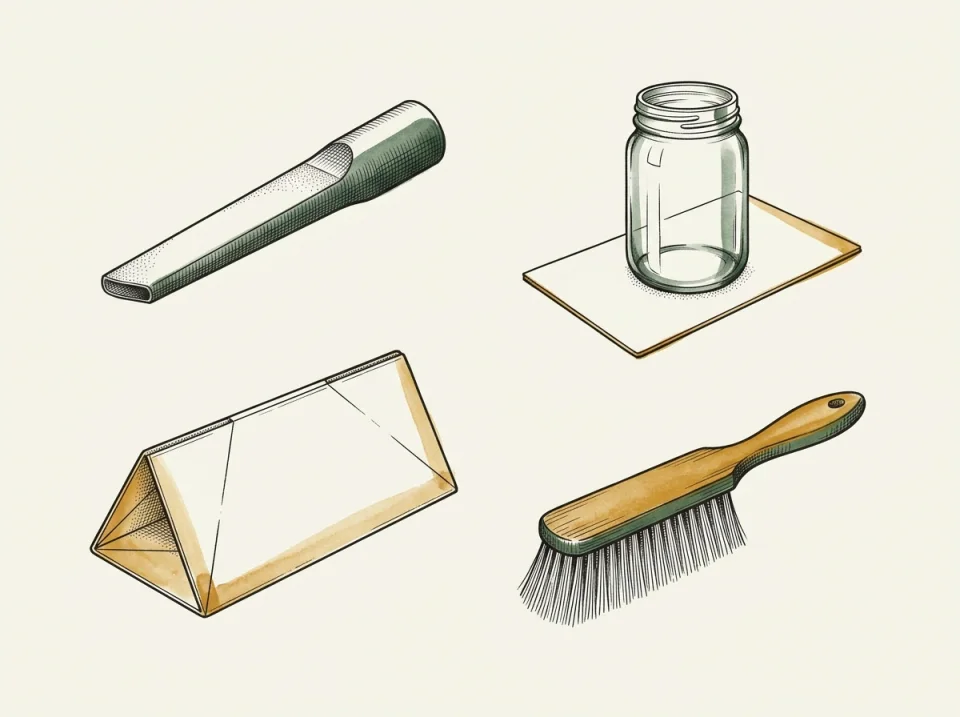 STEP 02
Non-Chemical Removal First
Start with mechanical removal, vacuuming, and traps to cut active numbers safely.
- Sticky glue boards along basement walls to reduce both centipedes and their prey insects
- Remove damp clutter, cardboard boxes, and wet rags from floors
 STEP 03
Home Exclusion Blueprint
Target indoor hiding spots: Damp basements, bathrooms, laundry rooms, and crawlspaces; Under floor mats and near foundation drains.
- Run a dehumidifier in damp basements and fix foundation moisture leaks
- Pull mulch, firewood, and compost piles back at least 12–18 inches from foundation walls
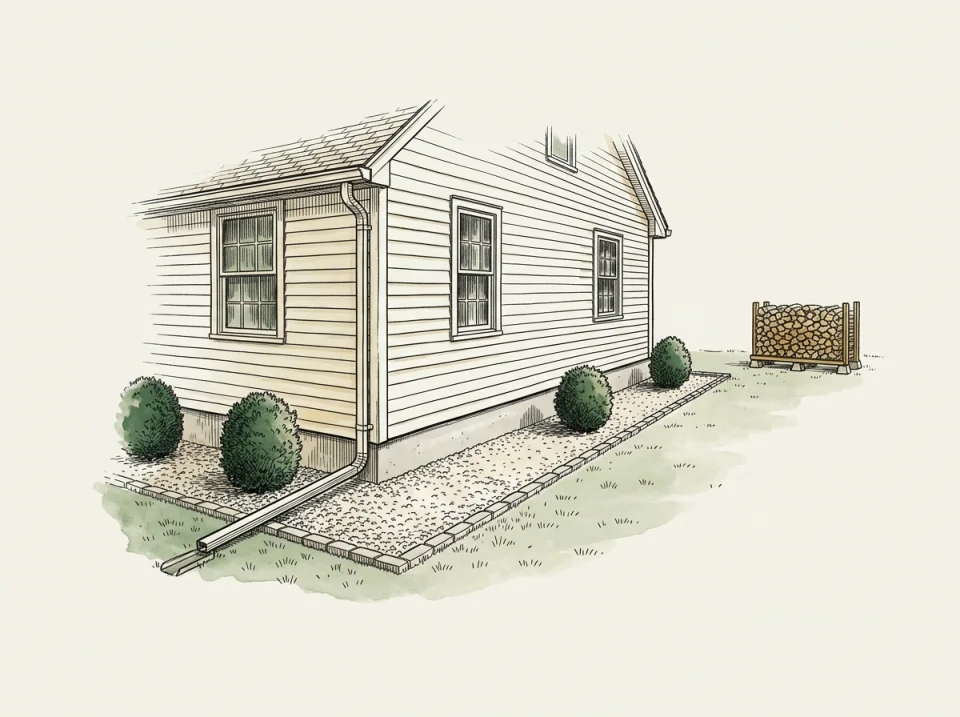 STEP 04
Outdoor Perimeter & Moisture
Inspect outdoor harboring zones: Under rocks, rotting logs, thick mulch, leaf litter, and damp soil.
- Seal exterior cracks and install tight door sweeps
Non-Chemical Control First: Detailed Checklist
- Sticky glue boards along basement walls to reduce both centipedes and their prey insects
- Remove damp clutter, cardboard boxes, and wet rags from floors
Long-Term Prevention & Exclusion
- Run a dehumidifier in damp basements and fix foundation moisture leaks
- Pull mulch, firewood, and compost piles back at least 12–18 inches from foundation walls
- Seal exterior cracks and install tight door sweeps
Confirm Centipedes Size Before Treating
Quick Action Plan: Dry out damp rooms, clear clutter where centipedes hide, and set sticky glue boards along basement walls. Then seal entry points and pull mulch back from your foundation so they don't return.
Identify the Centipedes in Your Home and When They're Most Active
Good centipede control starts with knowing what you're dealing with and where it hides. Centipedes (class Chilopoda) have one pair of legs per body segment, move quickly, and hunt other insects. Millipedes, by contrast, have two pairs per segment and move slowly.
Common US Species, Where They Live, and Seasonal Activity
- House centipede (Scutigera coleoptrata): Yellowish-gray with 15 pairs of long, banded legs. Found in homes across much of the US.
- Soil and stone centipedes: Small, brown, and short-legged. They live outdoors and wander inside by accident.
- Giant desert centipede (Scolopendra heros): Large and found mainly in the Southwest and south-central states.
Indoors, check damp basements, bathrooms, laundry rooms, and crawlspaces, plus under floor mats and near foundation drains. Outdoors, they shelter under rocks, rotting logs, thick mulch, leaf litter, and damp soil. House centipedes can stay active year-round indoors, but you'll often notice more when outdoor conditions turn hot and dry or cool in fall.
Most bites are rare and minor. If a large species bites you or someone has a reaction, call US Poison Control at 1-800-222-1222 and contact a doctor.
Fix the Moisture Problems That Attract Centipedes
Centipedes dry out easily, so they go where the humidity is. Take away the moisture and your home stops being a good place to live.
- Run a dehumidifier in damp basements and crawlspaces.
- Fix foundation moisture leaks, dripping pipes, and sweating water lines.
- Make sure gutters and downspouts carry water away from the house.
- Use bathroom and laundry exhaust fans, and vent your dryer outside.
This step alone often makes a noticeable difference within a few weeks. It also cuts down on the silverfish, spiders, and other insects centipedes feed on.
Remove Centipedes Safely With Natural Methods
Before reaching for any product, try the natural ways to get rid of centipedes. They're effective, inexpensive, and safe around kids and pets.
- Place sticky glue boards along basement walls, behind appliances, and in corners. They catch centipedes and the prey insects that draw them in.
- Remove damp clutter, including cardboard boxes, wet rags, and piles of laundry on floors. Store items in sealed plastic bins instead.
- Vacuum visible centipedes and empty the canister outside.
- Lift floor mats and check under them regularly.
Check your glue boards weekly. Where you catch the most is a useful map of your problem areas.
Use Targeted Treatments When Natural Centipede Removal Isn't Enough
If moisture control and sanitation haven't solved things, a targeted treatment can support your centipede removal efforts. Treat it as a supplement, not a substitute, for fixing the conditions that attract them.
- Use EPA-registered products labeled for centipedes or crawling insects.
- Apply perimeter treatments to foundation cracks, entry gaps, and door thresholds, not open living spaces.
- Always follow the EPA product label exactly. The label is the law, and it covers dose, placement, and safety precautions.
Keep children and pets away from treated areas until the label says it's safe. Skip broadcast spraying indoors: it rarely reaches hidden centipedes and adds unnecessary exposure.
How to Prevent Centipedes Year-Round With IPM Best Practices
Knowing how to prevent centipedes keeps you from repeating this process every season. Integrated Pest Management (IPM) focuses on exclusion, sanitation, and moisture control first.
- Pull mulch, firewood, and compost piles back at least 12–18 inches from foundation walls.
- Seal exterior cracks around foundations, windows, and utility lines with caulk.
- Install tight door sweeps and repair damaged weatherstripping.
- Rake leaf litter and move rocks or logs away from the house.
- Keep the dehumidifier running during humid months.
A quick seasonal walk-around in spring and fall helps you catch new gaps or wet spots early. Guidance from Texas A&M AgriLife Extension and Penn State Extension supports this same habitat-first approach.
Next Steps: When to Call a Pest Control Professional
Most homeowners can handle centipedes on their own. But call a licensed pest management professional if:
- You're still seeing many centipedes after several weeks of IPM steps.
- You suspect hidden moisture problems in walls or crawlspaces.
- You have a large or venomous species, such as the giant desert centipede.
- A broader insect problem is feeding the centipedes.
A good pro will inspect for moisture and entry points, not just spray. Start today with a dehumidifier and a few glue boards, and you'll likely see fewer unwanted visitors soon.
Getting Rid of Centipedes: FAQs
What's the best way to get rid of centipedes in your home?
The most effective approach combines three steps: reduce moisture by running a dehumidifier, remove clutter where centipedes hide, and use sticky glue boards along basement walls. Seal entry points and pull mulch back from your foundation to prevent their return.
Why do centipedes come into houses?
Centipedes are attracted to damp environments because they dry out easily. They seek basements, bathrooms, and crawlspaces with high humidity, plus the other insects they hunt for food. Fixing moisture leaks and reducing clutter removes the conditions that draw them inside.
How can you tell the difference between centipedes and millipedes?
Centipedes have one pair of legs per body segment and move quickly, while millipedes have two pairs per segment and move slowly. House centipedes are yellowish-gray with 15 pairs of long, banded legs and are common indoors across the US.
Are house centipedes dangerous or venomous?
House centipedes are nuisance pests, not dangerous to your home. Most bites are rare and minor. For large species or allergic reactions, contact Poison Control at 1-800-222-1222 and a doctor. Generally, they're harmless to humans.
What's the best natural remedy to eliminate centipedes without chemicals?
Natural methods include placing sticky glue boards along walls, vacuuming visible centipedes, removing damp clutter, and checking under floor mats regularly. These are safe, inexpensive, and effective for controlling centipedes without using chemical treatments.
When should you call a pest control professional for centipedes?
Contact a licensed pest management professional if you still see many centipedes after several weeks of DIY efforts, suspect hidden moisture in walls, have a large or venomous species like the giant desert centipede, or face a broader insect problem feeding them.
Extension & EPA Sources
- Texas A&M AgriLife Extension — Centipedes
- Penn State Extension — Centipedes and Millipedes
- GBIF Global Biodiversity Occurrence Records
Always read and follow the label directions on any EPA-registered pest control product.