Centipede vs Silverfish: How to Tell These Household Pests Apart Fast
Quick ID Verdict: A fast, leggy creature darts across the bathroom floor at night. Is it a centipede or silverfish? The quick verdict: if it has many long legs (exactly one pair per body segment) and a flattened, segmented body, it's a centipede. If it's a small, wingless, carrot-shaped insect with a shiny silver-gray, scaly body, it's a silverfish.
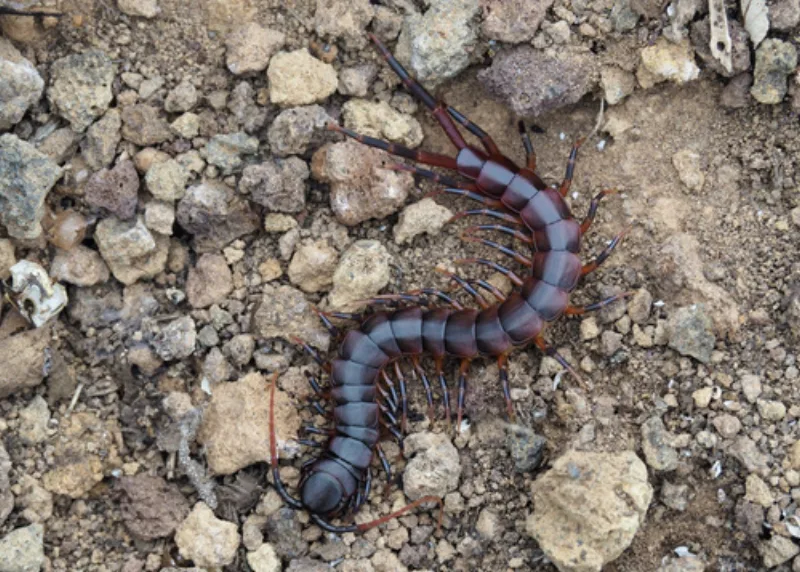
Centipede
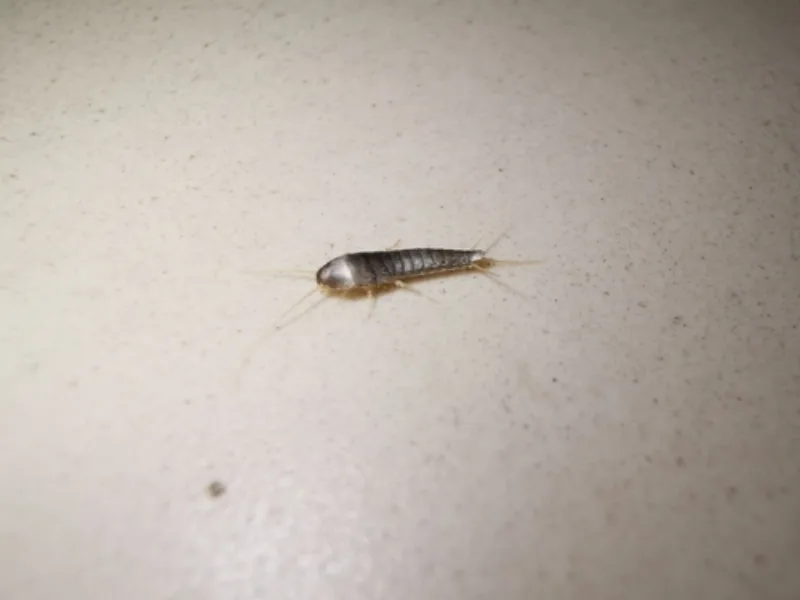
Silverfish
Side-by-Side Comparison Table
| Trait | Centipede | Silverfish |
|---|---|---|
| Scientific Group | Chilopoda | Lepisma saccharinum |
| Category | Myriapod | Insect |
| Typical Size | 25–180 mm | 10–19 mm |
| Danger Level | Nuisance | Nuisance |
| Bites or Stings? | Yes | No |
| Peak US Months | April, May, June, October | March, April, May, July |
| Key ID Trait | Flattened, elongated segmented body with exactly ONE pair of legs per body segment | Wingless, carrot-shaped metallic silver-gray body covered in fine scales |
Centipede vs. Silverfish: True Size Comparison
Side-by-Side Anatomy Blueprint
Compare body segments, antennae, leg count, and key markings directly before treating or removing either species.
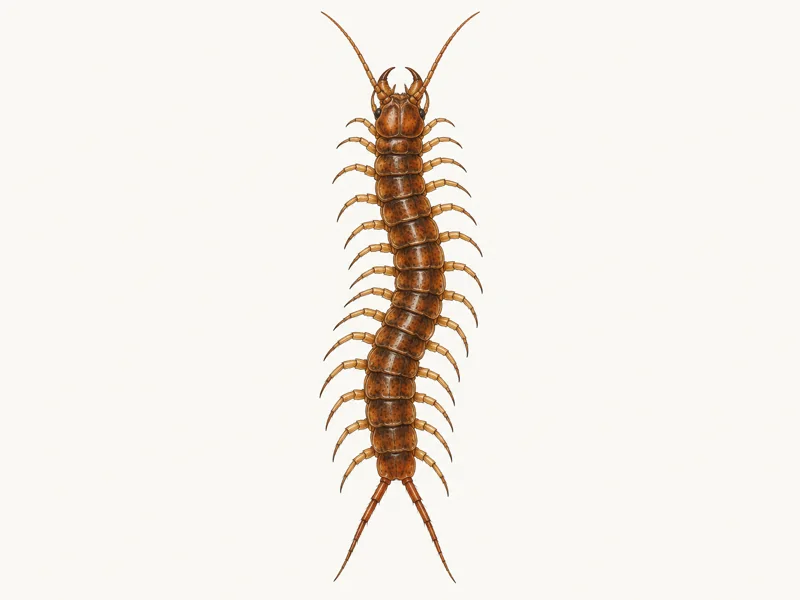
- Antennae & forcipules: Long segmented antennae and modified front venom claws (forcipules) behind the head.
- Flattened segments: Flat, flexible segmented trunk built for fast sprinting—never coils into a tight spiral.
- 1 leg pair / segment: EXACTLY ONE pair of legs extending outward per body segment (millipedes have two pairs).
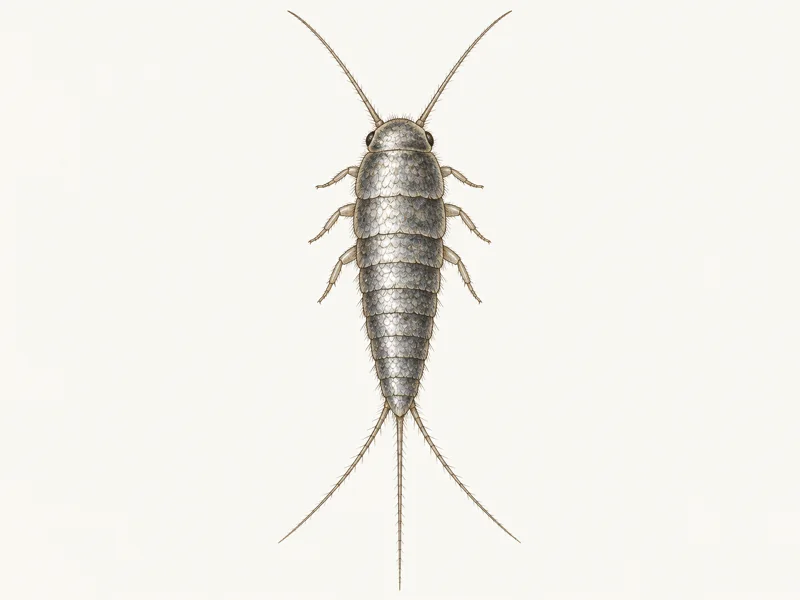
- Long thin antennae: Sweeping thread-like feelers guiding nocturnal foraging in damp paper and baths.
- Carrot-shaped body: Flat, wingless teardrop profile broad at the head and tapering smoothly backward.
- Metallic silver scales: Shimmering pewter-silver scales give a fluid, fish-like wriggling crawl.
This guide covers the full centipede vs silverfish comparison, including identification, habitat, risks, and safe control.
Centipede or Silverfish? Key Identification Differences
The difference between centipede and silverfish comes down to size, legs, and body texture. Both are classed as nuisance pests by verified GBIF data, but they belong to entirely different groups. Centipedes are arthropods in the class Chilopoda, while silverfish (Lepisma saccharinum) are primitive insects.
Body Shape, Legs, and Color
For accurate centipede vs silverfish identification, start with these features:
FeatureCentipede (Chilopoda)Silverfish (Lepisma saccharinum)Length25–180 mm10–19 mmBodyFlattened, elongated, segmentedCarrot-shaped, tapering toward the tailLegsExactly one pair per body segmentSix legs, like all insectsSurfaceSmooth, often yellowish to brownCovered in fine metallic silver-gray scalesWingsNoneNoneSilverfish also carry three bristly tail filaments at the rear. The common house centipede, by contrast, looks almost feathery because its long legs fan out around the body.
Movement and Behavior Clues
Centipedes are hunters. They run in quick, smooth bursts, often stopping abruptly before vanishing under a baseboard. Silverfish wiggle in a side-to-side, fish-like motion, which is where they get their name.
When disturbed, a silverfish tends to dart for a crack or the nearest piece of clutter. A centipede may freeze for a moment, then sprint away faster than most homeowners expect.
Where They Live and When They're Most Active
Both pests occur across the United States and share one major weakness: they need moisture. That's why homeowners usually find them in the same rooms.
- Centipedes: basements, crawl spaces, bathrooms, and floor drains. Outdoors, they live under mulch, stones, and leaf litter.
- Silverfish: bathrooms, laundry rooms, attics, closets, and bookshelves. They thrive in humid areas, especially those above roughly 75% relative humidity.
Both are nocturnal. Centipede sightings often rise in spring and fall, when outdoor conditions push them indoors. Silverfish stay active year-round inside heated homes. Spotting both together isn't unusual, since centipedes actively hunt silverfish.
Diet, Damage, and Health Risks Compared
Centipedes are predators. They feed on spiders, cockroaches, silverfish, and other small arthropods. They don't damage wood, fabric, or food.
Silverfish eat carbohydrates and proteins, including:
- Paper, book bindings, and wallpaper paste
- Cardboard boxes and stored photos
- Cotton, linen, and starched fabrics
- Cereal, flour, and other dry foods
Health risks: Silverfish don't bite or sting and aren't known to spread disease. Centipedes have venomous claws used to subdue prey. Bites on people are uncommon and typically happen only when one is handled or trapped against skin. If someone has a severe or unusual reaction to any bite, contact US Poison Control at 1-800-222-1222 and see a doctor.
Which one is worse for homeowners? It depends on the concern. Silverfish cause more property damage, quietly ruining books, documents, and clothing. Centipedes cause more alarm but little harm, and their presence often signals another pest population they're feeding on.
Safe IPM Strategies to Control Both Pests
Integrated Pest Management (IPM) works well here because both pests depend on the same conditions. Fix the environment first, and populations usually drop on their own.
Moisture control
- Run a dehumidifier in basements and keep humidity below 50%.
- Repair leaky pipes, faucets, and AC condensate lines.
- Vent bathrooms, dryers, and crawl spaces properly.
Exclusion
- Seal cracks around foundations, windows, and pipe penetrations.
- Install door sweeps and repair torn screens.
- Keep mulch and leaf litter a foot or more away from the foundation.
Sanitation
- Store papers, photos, and dry foods in sealed plastic containers.
- Reduce cardboard clutter in basements and closets.
- Vacuum baseboards and shelves regularly.
Sticky traps help monitor activity in both cases. If a product is still needed, choose one labeled for the specific pest and always follow the EPA product label directions exactly.
When to Call a Pest Control Professional
A single centipede or silverfish isn't cause for concern. Consider calling a licensed professional when:
- Sightings continue for weeks even though moisture and exclusion efforts.
- Silverfish damage appears on books, documents, or clothing.
- Many centipedes appear, suggesting a larger hidden insect population.
- Moisture problems seem structural, such as wall leaks or poor crawl space drainage.
A qualified technician can pinpoint entry points, identify the moisture source, and recommend targeted treatments that follow IPM principles and EPA label requirements.
Frequently Asked Questions
What's the main difference between a centipede and silverfish?
Centipedes are arthropods with one leg pair per body segment, a flattened shape, and smooth texture. Silverfish are small insects with six legs, a carrot-shaped body, and shiny silver-gray scales. Centipedes are hunters; silverfish eat paper, fabrics, and stored foods.
How can I identify a silverfish by its appearance?
Silverfish are small (10–19 mm), carrot-shaped insects with shiny silver-gray, scaly bodies. They have six legs, three bristly tail filaments, and move in a side-to-side, fish-like motion. They're wingless and often found in bathrooms and humid areas.
Can centipedes or silverfish bite or sting humans?
Silverfish don't bite, sting, or spread disease. Centipedes have venomous claws but rarely bite humans unless handled or trapped. Bites are uncommon and usually minor; call US Poison Control (1-800-222-1222) for severe reactions.
What do silverfish eat, and how much damage can they cause?
Silverfish eat carbohydrates and proteins: paper, book bindings, cardboard, cotton fabrics, flour, and dry foods. They cause significant property damage by quietly destroying books, documents, photos, and clothing over time.
Why do centipedes and silverfish appear together in homes?
Both pests thrive in moist environments and prefer bathrooms, basements, and crawl spaces. Centipedes actively hunt silverfish and other small arthropods. Finding both together indicates moisture problems and potential food sources for centipedes.
What's the best way to prevent centipedes and silverfish infestations?
Use Integrated Pest Management: control moisture (run dehumidifiers, fix leaks, keep humidity below 50%), seal cracks and gaps, store foods in sealed containers, reduce clutter, and vacuum regularly. These strategies eliminate conditions both pests depend on.