Centipede vs Millipede: How to Tell Them Apart and Protect Your Home
Quick ID Verdict: A long, leggy creature darting across the bathroom floor at midnight raises one urgent question: centipede or millipede? The quick verdict is simple. If it's flat, fast, and has one pair of legs per body segment, it's a centipede: if it's rounded, slow, and has two pairs of short legs per segment, it's a millipede. This guide covers the full centipede vs millipede identification picture, plus safe, practical steps for keeping both outdoors.
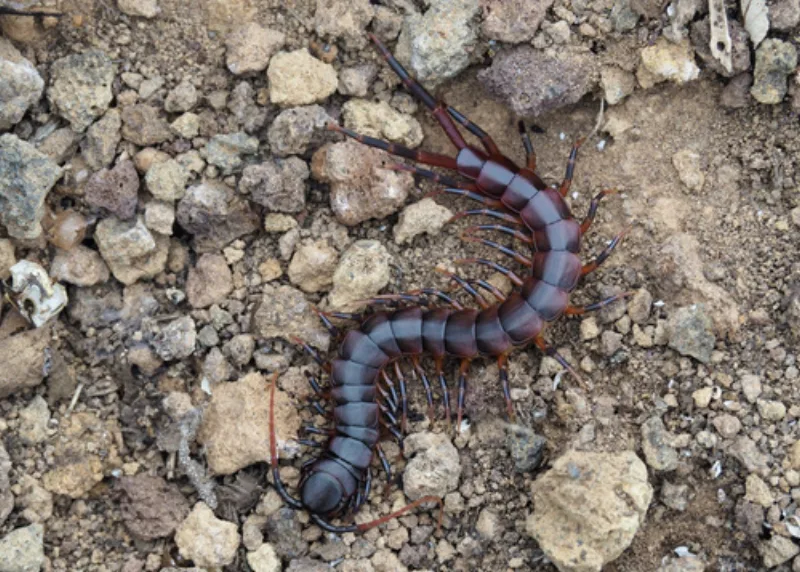
Centipede
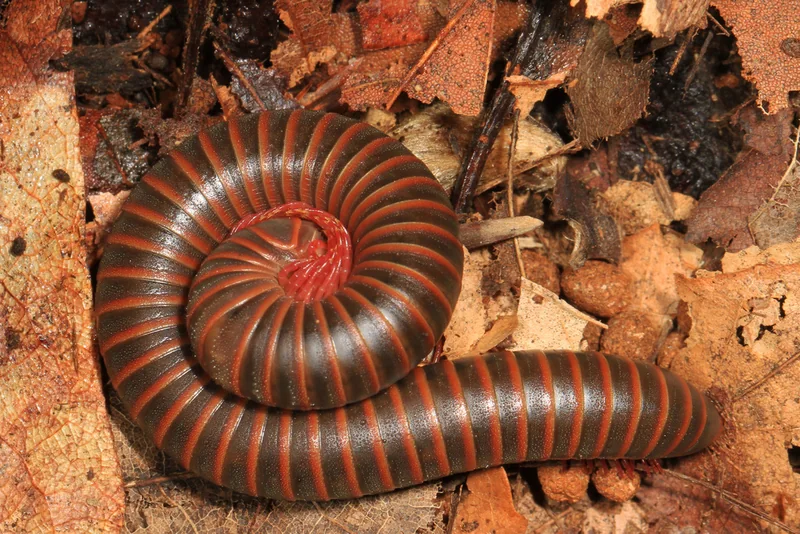
Millipede
Side-by-Side Comparison Table
| Trait | Centipede | Millipede |
|---|---|---|
| Scientific Group | Chilopoda | Diplopoda |
| Category | Myriapod | Myriapod |
| Typical Size | 25–180 mm | 15–100 mm |
| Danger Level | Nuisance | None |
| Bites or Stings? | Yes | No |
| Peak US Months | April, May, June, October | April, May, June, July |
| Key ID Trait | Flattened, elongated segmented body with exactly ONE pair of legs per body segment | Rounded cylindrical segmented body with TWO pairs of short legs per body segment |
Centipede vs. Millipede: True Size Comparison
Side-by-Side Anatomy Blueprint
Compare body segments, antennae, leg count, and key markings directly before treating or removing either species.
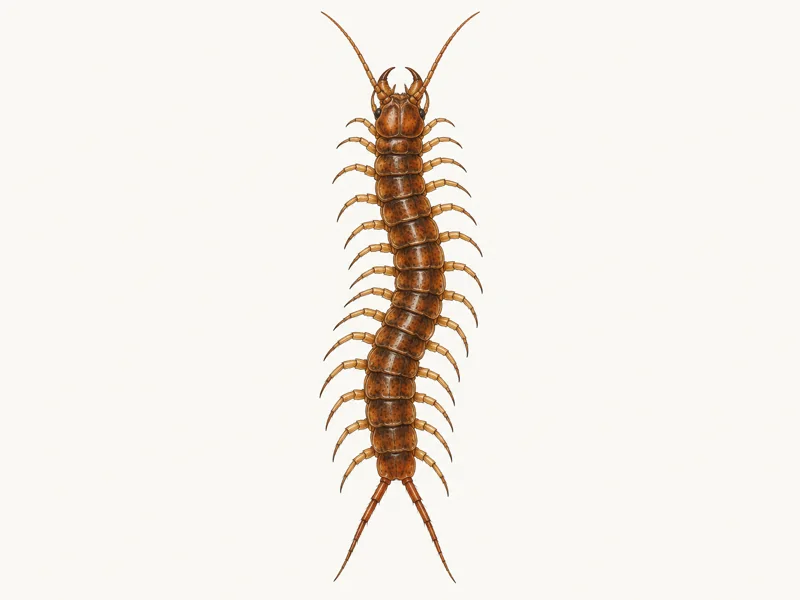
- Antennae & forcipules: Long segmented antennae and modified front venom claws (forcipules) behind the head.
- Flattened segments: Flat, flexible segmented trunk built for fast sprinting—never coils into a tight spiral.
- 1 leg pair / segment: EXACTLY ONE pair of legs extending outward per body segment (millipedes have two pairs).
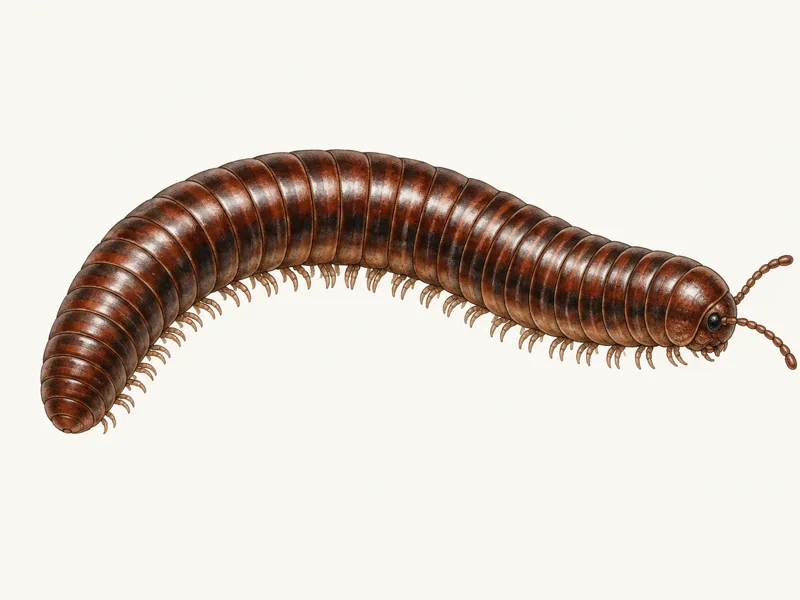
- Cylindrical armor rings: Smooth, rounded, tubular body segments (unlike flattened centipedes); curls into a tight spiral.
- Short clubbed antennae: Compact, gently bent antennae on a rounded head with NO venomous pincers or biting fangs.
- 2 leg pairs / segment: TWO pairs of very short delicate legs tucked directly underneath each trunk ring.
Key Physical Differences for Quick Identification
Both animals are arthropods, but they belong to separate classes. Centipedes are in Chilopoda, while millipedes are in Diplopoda. Once a homeowner knows what to look for, the difference between centipede and millipede is easy to spot in about three seconds.
Legs, Body Shape, and Movement
Leg arrangement is the most reliable clue.
- Centipedes: A flattened, elongated, segmented body with exactly one pair of legs per body segment. The legs are long and stick out to the sides.
- Millipedes: A rounded, cylindrical, segmented body with two pairs of short legs per body segment. The legs sit underneath the body.
Movement confirms the ID. Centipedes sprint, often faster than expected, and change direction quickly. Millipedes glide slowly in a steady wave of legs, and many curl into a tight coil when disturbed.
Color, Size, and Antennae
Centipedes range from 25 to 180 mm long, so some species get surprisingly large. The common house centipede is yellowish-gray with dark stripes and very long legs that make it look bigger than it is. Most have long, slender antennae.
Millipedes run 15 to 100 mm and tend to be brown, black, or reddish, sometimes with orange or yellow markings. Their antennae are short and slightly clubbed. A smooth, shiny, tube-shaped body is a strong sign of a millipede.
Behavior, Diet, and Risk to People and Pets
Centipedes are predators. They hunt spiders, silverfish, cockroaches, and other small insects, using modified front legs to deliver venom to prey. That's partly good news, since a centipede indoors often signals another pest problem worth investigating.
Millipedes are scavengers. They feed on decaying leaves, mulch, and other damp organic matter, and they don't hunt anything.
Here's how the risks compare:
- Centipedes: nuisance. Large species can bite if handled, which may cause pain and local swelling. They don't seek out people.
- Millipedes: no danger. They don't bite or sting. Some release a smelly defensive fluid, so it's wise to wash hands after handling one.
If anyone, including a pet, shows a strong or unusual reaction after contact, contact US Poison Control at 1-800-222-1222 and a doctor or veterinarian. Don't rely on home remedies.
Where and When You'll Find Them in US Homes
Both animals depend on moisture, which is why they show up in the same parts of a house. Common hot spots include:
- Basements and crawl spaces
- Bathrooms, especially near drains and tubs
- Laundry rooms and utility closets
- Garages and ground-floor rooms next to mulched beds
Timing differs a bit. House centipedes can live indoors year-round if they find steady food and humidity. Millipedes typically live outdoors and wander inside by accident, often in large numbers during fall migrations or after heavy rain soaks the soil. Indoors, most millipedes dry out and die within a few days.
Both groups occur across the United States, though species and peak activity vary by region and climate.
Safe IPM Strategies to Prevent and Control Both Pests
Integrated Pest Management (IPM) works well here because both animals share the same weakness: they need damp shelter. Non-chemical steps should always come first.
Moisture control
- Run a dehumidifier in basements and crawl spaces.
- Fix leaky pipes, faucets, and AC condensate lines.
- Clean gutters and point downspouts away from the foundation.
Exclusion
- Seal foundation cracks and gaps around pipes with caulk.
- Install door sweeps and repair torn window screens.
- Check weatherstripping on basement and garage doors.
Sanitation and landscaping
- Pull mulch, leaf litter, and woodpiles back from the foundation.
- Store boxes off basement floors.
- Reduce other indoor insects, which removes the centipede's food supply.
Sticky traps can help monitor activity. A vacuum handles stray millipedes easily. If a pesticide becomes necessary, choose a product labeled for these pests and follow the EPA product label exactly, since the label is the law.
When to Call a Pest Professional
Most homeowners can manage a few strays on their own. Professional help makes sense when:
- Millipedes enter by the hundreds even though sealing and moisture fixes
- Centipedes appear regularly, suggesting a larger hidden insect population
- Moisture problems in crawl spaces or foundations need expert repair
- Someone in the home is sensitive to bites or uncomfortable handling pests
A licensed pro can inspect the structure, pinpoint entry points, and apply targeted treatments that follow IPM principles and label directions. Whether the culprit turns out to be a centipede or millipede, the long-term fix always comes back to drier, tighter, cleaner living spaces.
Frequently Asked Questions
What's the easiest way to tell a centipede from a millipede?
The quickest difference: centipedes are flat with one pair of long legs per body segment and move fast, while millipedes are rounded with two pairs of short legs per segment and move slowly. A centipede will also typically curl and sprint when disturbed.
Can centipedes or millipedes bite or sting?
Centipedes can bite if handled and may cause minor pain or swelling, though they rarely seek out people. Millipedes don't bite or sting; some release a smelly defensive fluid. If a strong reaction occurs, contact Poison Control at 1-800-222-1222.
Why are centipedes and millipedes found in my house?
Both animals need moisture and are attracted to damp areas like basements, bathrooms, and laundry rooms. Centipedes hunt indoor insects, while millipedes wander in by accident, especially during fall or after heavy rain. They typically thrive when humidity is high.
How do you get rid of centipedes and millipedes naturally?
Start with moisture control: use dehumidifiers, fix leaks, and clean gutters. Seal cracks and gaps, install door sweeps, and move mulch away from foundations. Remove clutter and reduce other indoor insects that attract centipedes. These IPM steps address the root cause.
What do centipedes and millipedes eat?
Centipedes are predators that hunt spiders, silverfish, cockroaches, and other small insects using venomous front legs. Millipedes are scavengers that feed on decaying leaves, mulch, and damp organic matter. This key difference reflects their opposite roles in nature.
When should I call a pest control professional for centipedes or millipedes?
Contact a pro if hundreds of millipedes enter despite sealing efforts, centipedes appear regularly (signaling a hidden pest problem), foundation moisture issues need expert repair, or someone in your home is sensitive to bites or uncomfortable handling pests.