Wasps in Louisiana: Identification, Season, and Prevention Guide
Quick Answer: Yes, there are wasps in Louisiana, and they are common across the state, with 1,088 verified GBIF sightings on record. The most frequently documented species include the Brotherly Potter Wasp, Southern Yellowjacket, and Eastern Yellowjacket. Recorded activity peaks in April, October, and November.
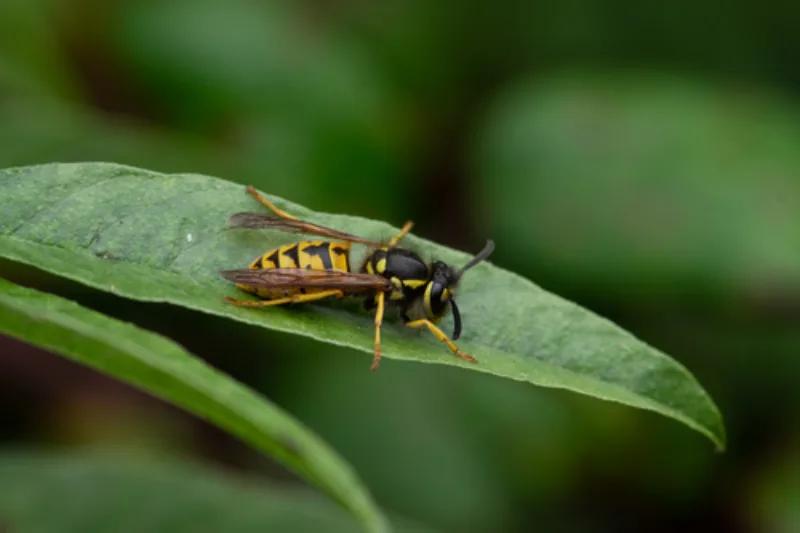
When Wasps Are Most Active in Louisiana
Now (November): Peak ActivityVerified Louisiana Counties, Species & US Range
Counties with Verified Observations
- East Baton Rouge
- Saint Tammany
- Lafourche
- Lafayette
- Terrebonne
- Bossier
- Tangipahoa
- West Feliciana
- Ouachita
- Rapides
Species Recorded in Louisiana
| Species | Scientific Name | GBIF Records |
|---|---|---|
| Brotherly Potter Wasp | Eumenes fraternus | 363 |
| Southern Yellowjacket | Vespula squamosa | 293 |
| Eastern Yellowjacket | Vespula maculifrons | 83 |
How Louisiana Compares to Neighboring States
Note: Wildlife does not follow state or county lines. GBIF totals reflect verified citizen and museum records, so low counts in a neighboring county do not guarantee absence.
How to Identify Wasps
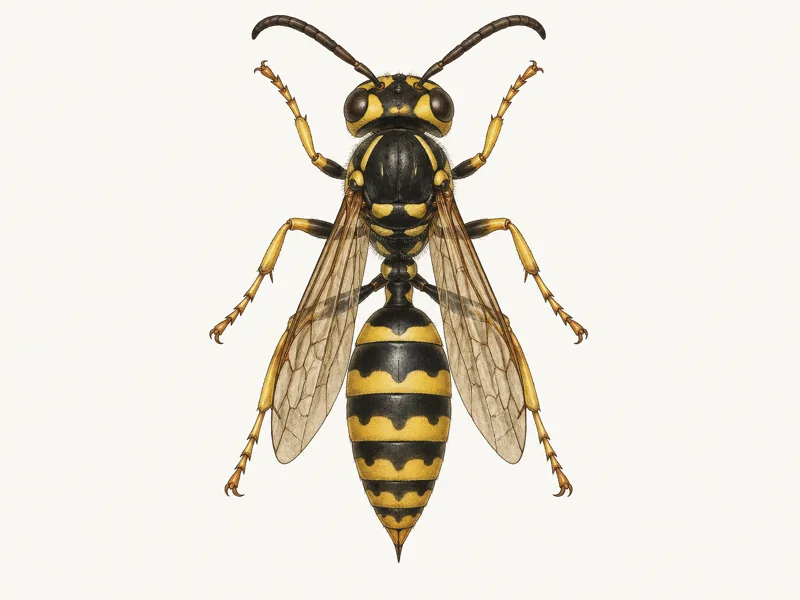
Annotated Anatomy Key (Wasp)
- Curved dark antennae: Segmented dark antennae and strong chewing mandibles for wood pulp nests.
- Smoky folded wings: Two pairs of narrow veined wings that fold lengthwise along the back at rest.
- Pinched waist: Sharp slender constriction separating the smooth hairless thorax from abdomen.
- Tapered banded abdomen: Glossy yellow-and-black striped gaster armed with a smooth multi-use stinger.
Wasps Field Checklist
- Slender, smooth, nearly hairless body with a very narrow pinched waist
- Two pairs of wings that fold lengthwise when at rest in social vespids
- Bold yellow-and-black, reddish-brown, or black-and-white warning coloration
- Smooth stinger capable of stinging multiple times
Wasps Size at True Relative Scale
Where Wasps Live in Louisiana
Louisiana's humid subtropical climate, with very wet, hot summers and mild, frost-light winters (USDA zones 8a-10a), gives wasps a long season to build nests and forage. Verified GBIF records are most concentrated in East Baton Rouge, Saint Tammany, Lafourche, Lafayette, and Terrebonne parishes. Higher numbers there partly reflect where people live and report sightings, so wasps should be expected statewide.
Each recorded species chooses a different kind of nest site:
- Brotherly Potter Wasp (Eumenes fraternus): A solitary wasp that builds small, jug-shaped mud cells on twigs, stems, and walls. It hunts caterpillars and is rarely aggressive.
- Southern Yellowjacket (Vespula squamosa): A social wasp that usually nests underground or in hidden cavities. In the mild Deep South, colonies sometimes survive the winter and grow very large.
- Eastern Yellowjacket (Vespula maculifrons): Another ground-nesting social species, common in lawns, flower beds, and around old stumps or rodent burrows.
Around homes, wasps often nest under eaves, in shrubs, inside wall voids, and in sheltered corners of sheds, porches, and play equipment.
When Wasps Are Most Active in Louisiana
Louisiana wasp season starts early and ends late. GBIF records peak in April, when overwintered queens emerge, search for nest sites, and start new colonies. Mild spring weather makes wasps highly visible as they gather nesting material and early food.
A second peak in October and November reflects mature yellowjacket colonies at their largest. As natural food declines, workers forage aggressively for sugary drinks, fruit, and garbage, which brings them into frequent contact with people at tailgates, picnics, and outdoor trash cans. Because winters are frost-light, some activity can continue through much of the year, especially in southern parishes.
Look-Alikes Frequently Mistaken for Wasps
Accurate Louisiana wasp identification helps homeowners decide whether an insect needs to be managed or can be left alone. These local insects are often confused with one another:
- Hornets: Larger wasps that build enclosed, gray paper nests, often in trees or shrubs. They can defend nests vigorously.
- Yellow Jackets: Compact, shiny, bright yellow and black, with a fast, darting flight. They are most troublesome around food in fall.
- Paper Wasps: Slender, long-legged wasps that build open, umbrella-shaped comb nests under eaves and railings. They fly with legs dangling.
- Mud Daubers: Thin-waisted solitary wasps that build mud tubes on walls and ceilings. They seldom sting unless handled.
- Honey Bees: Fuzzy, golden-brown, and less glossy than wasps. They are important pollinators, so swarms or hives should be referred to a local beekeeper rather than treated.
How to Keep Wasps Out of Your Louisiana Home
Learning how to prevent wasps in Louisiana starts with non-chemical Integrated Pest Management (IPM). Cooperative extension guidance across the US recommends removing food, shelter, and entry points before turning to pesticides.
Exclusion and Sanitation
- Seal gaps around eaves, soffits, vents, utility lines, and siding with caulk or fine mesh.
- Repair torn window and door screens and add covers to attic and dryer vents.
- Keep trash cans tightly lidded and rinse out sugary drink containers.
- Pick up fallen fruit and cover food and drinks outdoors, especially in fall.
- Fill abandoned rodent burrows and inspect lawns for ground-nest entrances in spring.
- Knock down small, empty starter nests early in the season, wearing protective clothing.
Careful Use of Products
If treatment is needed, choose a product registered for wasps and follow the EPA product label exactly, including timing, protective gear, and safety directions. Treat at dusk when wasps are less active, and never seal a nest entrance in a wall void, as wasps may chew into living spaces.
When to Call a Licensed Louisiana Pest Professional
- A yellowjacket or hornet nest is large, underground, or inside a wall, attic, or ceiling.
- The nest is near doorways, play areas, or high-traffic spots.
- Anyone in the household has a known sting allergy.
- Wasps keep returning after DIY efforts.
Safety note: This guide is for general information and is not medical advice. Wasp stings can cause serious reactions in some people. For sting concerns, call US Poison Control at 1-800-222-1222 or contact a doctor. Call 911 for trouble breathing, facial swelling, or dizziness.
IPM Prevention Checklist for Louisiana Homes
- Seal exterior siding gaps, soffit vents, and attic screens in early spring
- Keep outdoor trash cans tightly lidded and clean sweet drink spills promptly
- Inspect eaves in April–May to remove starter nests before colonies grow
 EXCLUSION BLUEPRINT
Inspect eaves, screens, door sweeps, foundation cracks, and utility penetrations around Louisiana homes before peak season.
Wasps in Louisiana: Frequently Asked Questions
Are there wasps in Louisiana year-round?
Wasps are most active from spring through late fall, with peaks in April, October, and November. Because Louisiana winters are mild, some wasps remain active in cooler months, particularly in southern parishes.
Which wasps sting most often in Louisiana?
Southern and Eastern Yellowjackets cause many stings because they defend ground nests and forage around food. Solitary wasps like the Brotherly Potter Wasp rarely sting.
Why are wasps so aggressive in the fall?
By October and November, yellowjacket colonies are at peak size and natural food is scarce. Workers seek sugar and protein around people, which increases encounters.
Should mud dauber nests be removed?
Mud daubers are generally harmless and help control spiders. Old nests can be scraped off and gaps sealed if they are in unwanted spots.
Sources & Verification
- UC IPM — Yellowjackets and Other Social Wasps
- Penn State Extension — Social Wasps and Bees
- GBIF Global Biodiversity Occurrence Records
Data refreshed · Editorial & GBIF Methodology