Mosquitoes in Louisiana: Species, Season, and Prevention Guide
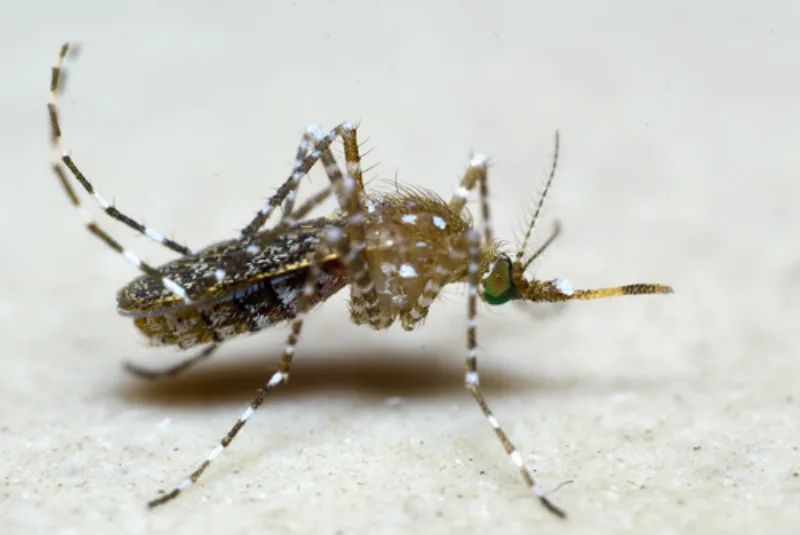
Quick Answer: Yes, mosquitoes are common in Louisiana. GBIF records hold 2,136 verified sightings statewide, with activity peaking in April, May, and June. Recorded species include the Asian tiger mosquito (Aedes albopictus), the Vexans mosquito (Aedes vexans), and the white-footed woods mosquito (Psorophora ferox).
When Mosquitoes Are Most Active in Louisiana
Now (November): Lower Outdoor ActivityVerified Louisiana Counties, Species & US Range
Counties with Verified Observations
- East Baton Rouge
- Saint Tammany
- Orleans
- Iberville
- Lafayette
- Calcasieu
- West Feliciana
- Saint Martin
- Jefferson
- Ouachita
Species Recorded in Louisiana
| Species | Scientific Name | GBIF Records |
|---|---|---|
| Asian tiger mosquito, Forest day mosquito | Aedes albopictus | 262 |
| Vexans Mosquito | Aedes vexans | 142 |
| White-footed Woods Mosquito | Psorophora ferox | 75 |
How Louisiana Compares to Neighboring States
Note: Wildlife does not follow state or county lines. GBIF totals reflect verified citizen and museum records, so low counts in a neighboring county do not guarantee absence.
How to Identify Mosquitoes
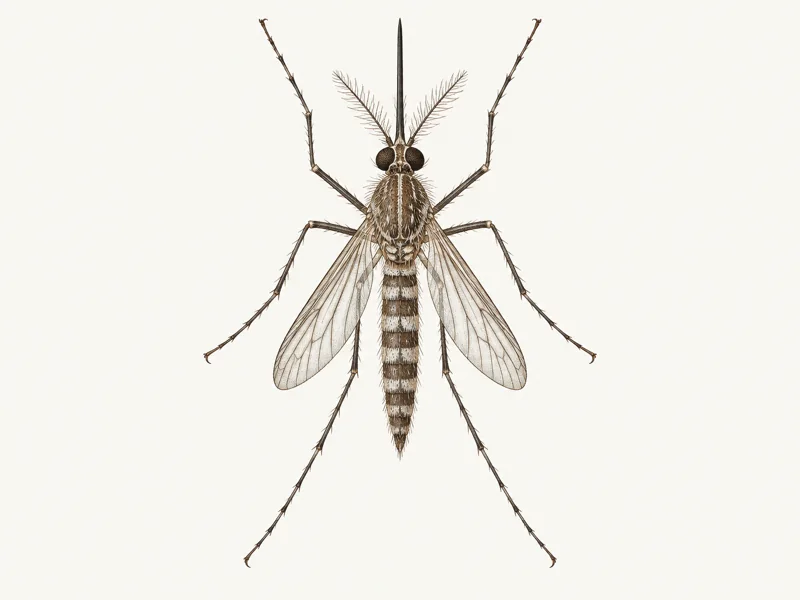
Annotated Anatomy Key (Mosquito)
- Needle proboscis: Long straight piercing-sucking mouthpart projecting straight ahead (only females bite).
- Narrow scaled wings: Single pair of delicate translucent veined wings edged with microscopic fringe scales.
- Six long spindly legs: Three pairs of delicate trailing legs (marked with crisp white bands on Aedes tiger species).
- Slender banded abdomen: Narrow segmented abdomen extending behind the humped thorax; breeds in standing water.
Mosquitoes Field Checklist
- Slender, fragile fly with long spindly legs and a single pair of scaly wings
- Elongated needle-like proboscis used by females for blood meals
- Distinctive high-pitched whine in flight
- Some species (Aedes) display bold black-and-white stripes on legs and thorax
Side-by-Side Look-Alike Comparisons
Mosquitoes Size at True Relative Scale
Quick Answer: Yes, mosquitoes are common in Louisiana. GBIF records hold 2,136 verified sightings statewide, with activity peaking in April, May, and June. Recorded species include the Asian tiger mosquito (Aedes albopictus), the Vexans mosquito (Aedes vexans), and the white-footed woods mosquito (Psorophora ferox).
Where Mosquitoes Live in Louisiana
Louisiana's humid subtropical climate, with very wet, hot summers and mild winters (USDA zones 8a-10a), suits mosquitoes almost perfectly. Standing water is plentiful in bayous, swamps, roadside ditches, and backyards. That steady moisture lets populations build quickly after rain.
Verified GBIF sightings cluster in these parishes:
- East Baton Rouge
- Saint Tammany
- Orleans
- Iberville
- Lafayette
These numbers partly reflect where people live and report observations, so mosquitoes are likely present in every parish. Each recorded species favors slightly different habitat.
Louisiana Mosquito Identification
- Asian tiger mosquito (Aedes albopictus): Small and black with bright white bands on the legs and a single white stripe down the back. It bites aggressively during the day and breeds in small containers like buckets, tires, and plant saucers.
- Vexans mosquito (Aedes vexans): Brownish with pale bands on the abdomen. It lays eggs in floodwater areas and often surges after heavy rain, biting most at dusk.
- White-footed woods mosquito (Psorophora ferox): Dark with distinctly white hind-leg tips. It favors wooded floodplains and temporary pools and will bite during daylight in shaded areas.
When Mosquitoes Are Most Active in Louisiana
GBIF records show Louisiana mosquito season peaking in April, May, and June. Warm spring temperatures and frequent rain create ideal conditions for eggs to hatch and larvae to develop, sometimes in about a week.
Because winters are frost-light, activity can continue well beyond the peak months. Mosquitoes often stay active into fall, and some bite on warm winter days. Expect sharp increases after tropical storms or flooding, when floodwater species like Aedes vexans hatch in large numbers.
Biting times vary by species. Asian tiger mosquitoes bite through the day, while many others are most active at dawn and dusk.
Look-Alikes Frequently Mistaken for Mosquitoes
Several small flies found in Louisiana homes get confused with mosquitoes. None of them bite people, and each points to a different moisture problem.
- Fungus gnats: Tiny, dark, delicate flies with long legs, often seen around houseplants. They breed in damp potting soil and lack the long, piercing mouthpart mosquitoes have.
- Drain flies (moth flies): Fuzzy, gray, moth-like flies with rounded wings held roof-like over the body. They rest on bathroom walls and breed in the slimy film inside drains.
- Fruit flies: Small tan flies, usually with red eyes, that hover around ripe produce, trash, and recycling bins. They are stockier than mosquitoes and have no proboscis.
A quick check helps: true mosquitoes have a long, needle-like proboscis, scales on the wings, and slender bodies.
How to Keep Mosquitoes Out of Your Louisiana Home
Integrated Pest Management (IPM) guidance from university cooperative extension programs recommends starting with non-chemical steps. Removing breeding water gives the biggest return for the least effort.
Remove Standing Water
- Empty and scrub birdbaths, pet bowls, and plant saucers at least weekly.
- Drill drainage holes in tire swings and store buckets upside down.
- Clean gutters and fix low spots where rainwater pools.
- Cover rain barrels with fine mesh and keep tarps pulled tight.
Block Entry and Reduce Bites
- Repair torn window and door screens and seal gaps around doors.
- Run fans on porches, since mosquitoes are weak fliers.
- Wear long sleeves outdoors during peak biting times.
- Trim dense shrubs where adults rest during the day.
Targeted Treatments
If water can't be drained, such as in ornamental ponds, larvicides containing Bacillus thuringiensis israelensis (Bti) target mosquito larvae. When using any repellent or insecticide, always read and follow the EPA product label exactly. Choose EPA-registered repellents for skin protection.
Health Note
Mosquitoes can transmit diseases such as West Nile virus. This guide does not provide medical advice. If you have concerns about a bite, a reaction, or symptoms after mosquito exposure, contact a doctor. For questions about exposure to repellents or insecticides, call US Poison Control at 1-800-222-1222.
When to Call a Licensed Louisiana Pest Professional
- Bites continue daily despite removing standing water.
- Your property has drainage problems, ponds, or wooded flood areas you can't manage alone.
- You're considering yard-wide spraying and want it done safely and legally.
- Mosquitoes are breeding indoors or in crawl spaces.
Residents can also contact their parish mosquito control district to report heavy activity.
IPM Prevention Checklist for Louisiana Homes
- Tip and toss any standing water container once per week
- Keep window and patio door screens intact with no gaps
- Use EPA-registered repellents (DEET, picaridin, IR3535, oil of lemon eucalyptus) per label
 EXCLUSION BLUEPRINT
Inspect eaves, screens, door sweeps, foundation cracks, and utility penetrations around Louisiana homes before peak season.
Mosquitoes in Louisiana: Frequently Asked Questions
Are there mosquitoes in Louisiana year-round?
Activity peaks in April, May, and June, but Louisiana's mild winters allow mosquitoes to appear in most months, especially during warm spells.
Which mosquito bites during the day in Louisiana?
The Asian tiger mosquito is the most common daytime biter. Look for black and white banded legs and a white stripe on its back.
How to prevent mosquitoes in Louisiana yards most effectively?
Dump standing water weekly, clean gutters, and repair screens. These non-chemical steps cut breeding sites faster than spraying alone.
Are those tiny flies in my bathroom mosquitoes?
Probably not. Fuzzy flies near drains are usually drain flies, which don't bite and breed in drain buildup.
Sources & Verification
Data refreshed · Editorial & GBIF Methodology