Wasps in North Carolina: Identification, Season, and Prevention
Quick Answer: Yes, wasps in North Carolina are common, with 7,822 verified GBIF sightings recorded across the state. The most frequently documented species include the European Hornet, Eastern Yellowjacket, and Baldfaced Hornet, and activity peaks from July through October.
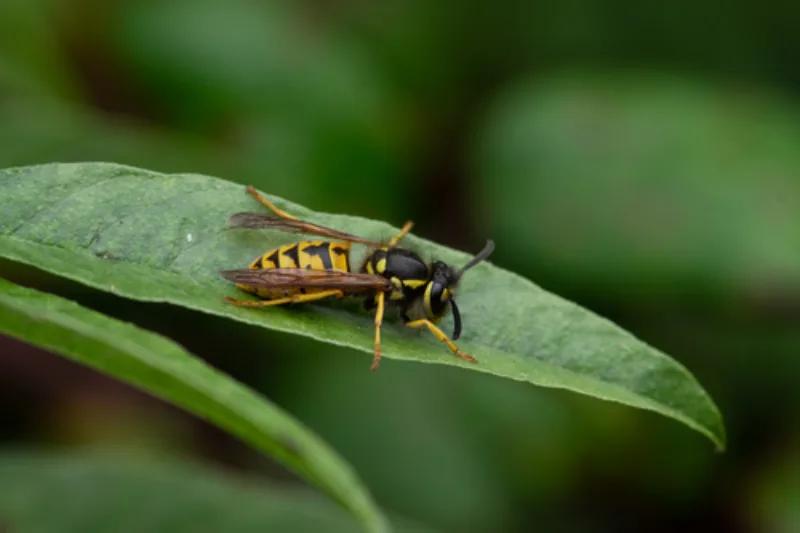
When Wasps Are Most Active in North Carolina
Now (November): Moderate ActivityVerified North Carolina Counties, Species & US Range
Counties with Verified Observations
- Wake
- Mecklenburg
- Watauga
- Orange
- Guilford
- Cumberland
- Durham
- Iredell
- New Hanover
- Macon
Species Recorded in North Carolina
| Species | Scientific Name | GBIF Records |
|---|---|---|
| European Hornet | Vespa crabro | 1,679 |
| Eastern Yellowjacket | Vespula maculifrons | 1,672 |
| Baldfaced Hornet | Dolichovespula maculata | 1,168 |
How North Carolina Compares to Neighboring States
Note: Wildlife does not follow state or county lines. GBIF totals reflect verified citizen and museum records, so low counts in a neighboring county do not guarantee absence.
How to Identify Wasps
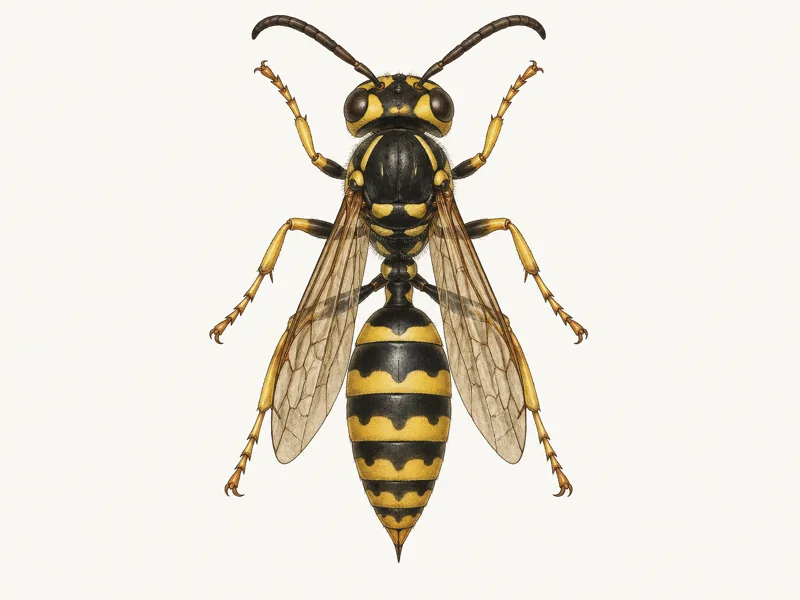
Annotated Anatomy Key (Wasp)
- Curved dark antennae: Segmented dark antennae and strong chewing mandibles for wood pulp nests.
- Smoky folded wings: Two pairs of narrow veined wings that fold lengthwise along the back at rest.
- Pinched waist: Sharp slender constriction separating the smooth hairless thorax from abdomen.
- Tapered banded abdomen: Glossy yellow-and-black striped gaster armed with a smooth multi-use stinger.
Wasps Field Checklist
- Slender, smooth, nearly hairless body with a very narrow pinched waist
- Two pairs of wings that fold lengthwise when at rest in social vespids
- Bold yellow-and-black, reddish-brown, or black-and-white warning coloration
- Smooth stinger capable of stinging multiple times
Wasps Size at True Relative Scale
Quick Answer: Yes, wasps in North Carolina are common, with 7,822 verified GBIF sightings recorded across the state. The most frequently documented species include the European Hornet, Eastern Yellowjacket, and Baldfaced Hornet, and activity peaks from July through October. Because their stings can be medically significant, homeowners should focus on prevention and call a professional for large or hard-to-reach nests.
Where Wasps Live in North Carolina
For anyone asking, "Are there wasps in North Carolina?" the data answers clearly. Wasps in the family Vespidae are found statewide, from the humid subtropical coastal plain and piedmont to the cooler Blue Ridge mountains. The state spans USDA hardiness zones 6a through 8b, giving wasps long warm seasons and plenty of nesting habitat.
Verified GBIF records are most concentrated in these counties:
- Wake County (Raleigh area)
- Mecklenburg County (Charlotte area)
- Watauga County (Boone and the High Country)
- Orange County (Chapel Hill and Hillsborough)
- Guilford County (Greensboro and High Point)
Higher sighting counts in populated counties partly reflect more observers, but they also show how well wasps adapt to suburban yards, parks, and buildings.
Common Species and Nesting Habits
Accurate North Carolina wasp identification starts with knowing the three recorded species and where each one builds its nest:
- European Hornet (Vespa crabro): Large, brown and yellow, and often active at night near lights. Nests in hollow trees, wall voids, attics, and barns.
- Eastern Yellowjacket (Vespula maculifrons): Small, bright yellow and black. Usually nests underground in old rodent burrows, but sometimes in wall cavities. Colonies grow large and defensive by late summer.
- Baldfaced Hornet (Dolichovespula maculata): Black with white facial markings. Builds gray, football-shaped paper nests in trees, shrubs, and under eaves.
When Wasps Are Most Active in North Carolina
North Carolina wasp season builds through spring and summer, with GBIF sightings peaking in July, August, September, and October. Queens emerge in spring to start new colonies, and worker numbers climb steadily through the warm months.
Late summer and early fall bring the most stings. Colonies reach their largest size, natural food sources decline, and yellowjackets begin scavenging sweets and proteins at picnics, trash cans, and outdoor dining areas. In the mountains, cooler temperatures may end activity a bit earlier than on the coastal plain.
After the first hard freezes, workers die off, and only mated queens overwinter in sheltered spots. Old nests are generally not reused the following year.
Look-Alikes Frequently Mistaken for Wasps
Several stinging insects in North Carolina are easy to confuse. Knowing the differences helps homeowners respond appropriately:
- Hornets: Technically a type of wasp, hornets like the European Hornet and Baldfaced Hornet are larger and build enclosed paper nests.
- Yellow Jackets: Compact and fast-flying with smooth, shiny bodies. They are the most common cause of late-season stings.
- Paper Wasps: Slender with dangling legs in flight. They build open, umbrella-shaped combs under eaves and railings and are usually less aggressive.
- Mud Daubers: Thin-waisted, solitary wasps that build tube-shaped mud nests. They rarely sting people.
- Honey Bees: Fuzzy, golden-brown, and important pollinators. Swarms should be referred to a local beekeeper rather than destroyed.
How to Keep Wasps Out of Your North Carolina Home
The best approach to how to prevent wasps in North Carolina follows Integrated Pest Management (IPM), as recommended by university cooperative extension programs. Start with non-chemical steps that remove food and nesting sites.
Exclusion and Sanitation
- Seal gaps around siding, soffits, vents, and utility lines with caulk or mesh.
- Repair torn window and door screens.
- Keep trash cans tightly lidded and rinse recycling containers.
- Cover food and sugary drinks outdoors, especially from July through October.
- Pick up fallen fruit and fill old rodent burrows in the lawn.
- Inspect eaves, decks, and sheds in spring to spot small starter nests early.
Using Products Safely
If a treatment is needed, choose a product labeled for wasps and follow the EPA product label exactly. Treat nests at dusk when wasps are less active, wear protective clothing, and never seal an active nest inside a wall, which can drive wasps indoors.
When to Call a Licensed North Carolina Pest Professional
- The nest is large, high, underground, or inside a wall void or attic.
- Anyone in the household has a known sting allergy.
- You see European Hornets or Baldfaced Hornets near entryways.
- Wasps are entering living spaces or nests keep returning.
Sting Safety
This guide does not provide medical advice. Wasp stings can cause serious allergic reactions. For sting concerns, contact US Poison Control at 1-800-222-1222 or a doctor, and call 911 for trouble breathing, facial swelling, or dizziness.
IPM Prevention Checklist for North Carolina Homes
- Seal exterior siding gaps, soffit vents, and attic screens in early spring
- Keep outdoor trash cans tightly lidded and clean sweet drink spills promptly
- Inspect eaves in April–May to remove starter nests before colonies grow
 EXCLUSION BLUEPRINT
Inspect eaves, screens, door sweeps, foundation cracks, and utility penetrations around North Carolina homes before peak season.
Wasps in North Carolina: Frequently Asked Questions
What is the most common wasp in North Carolina?
The Eastern Yellowjacket is one of the most frequently encountered, along with the European Hornet and Baldfaced Hornet, according to verified GBIF records.
When is wasp season in North Carolina?
Activity starts in spring, but sightings peak from July through October, when colonies are largest and most defensive.
Are European Hornets dangerous?
They are large and can sting repeatedly if their nest is disturbed. Keep a safe distance and have a licensed professional remove nests near the home.
Do wasps reuse old nests in North Carolina?
Generally no. Colonies die off in winter, and new queens build fresh nests each spring, though they may choose nearby sheltered sites.
Sources & Verification
- UC IPM — Yellowjackets and Other Social Wasps
- Penn State Extension — Social Wasps and Bees
- GBIF Global Biodiversity Occurrence Records
Data refreshed · Editorial & GBIF Methodology