Flying Ant vs Wasp: How to Tell Them Apart Fast
Quick ID Verdict: Flying ants (Formicidae alates) are 4-18 mm winged reproductive ants with elbowed antennae that show up in warm, humid swarms. Wasps (Vespidae) are larger at 12-28 mm, with slender, smooth, nearly hairless bodies and a very narrow pinched waist. Flying ants are a nuisance, but wasps are medically significant because they can sting repeatedly.
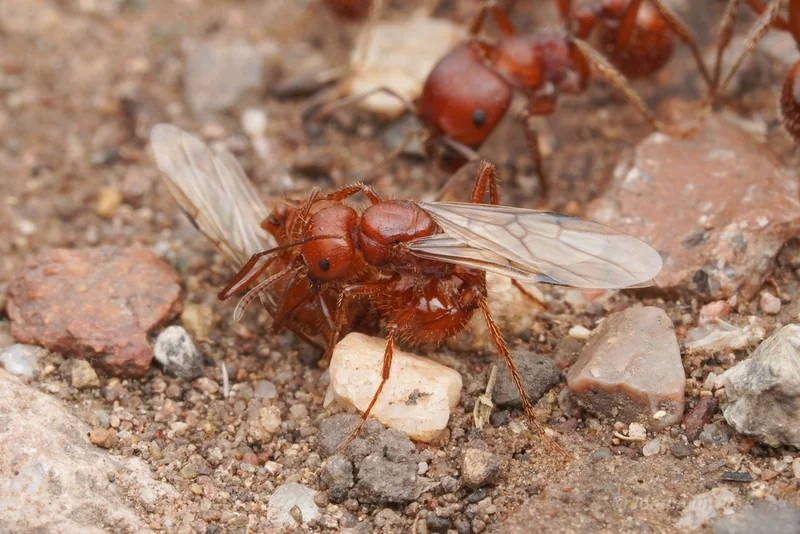
Flying Ant
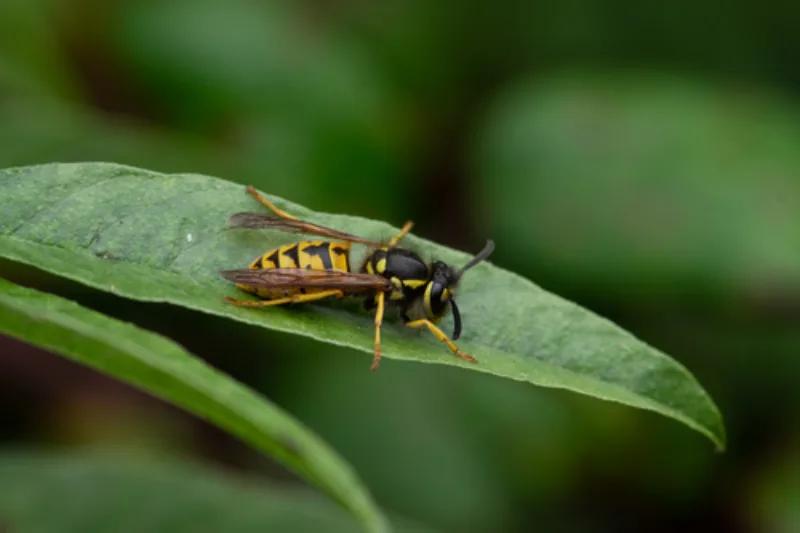
Wasp
Side-by-Side Comparison Table
| Trait | Flying Ant | Wasp |
|---|---|---|
| Scientific Group | Formicidae (Alates) | Vespidae |
| Category | Insect | Insect |
| Typical Size | 4–18 mm | 12–28 mm |
| Danger Level | Nuisance | Medically Significant |
| Bites or Stings? | No | Yes |
| Peak US Months | May, June, July, August | July, August, September, October |
| Key ID Trait | Winged reproductive ants (alates) emerging in warm humid swarms to establish new colonies | Slender, smooth, nearly hairless body with a very narrow pinched waist |
Flying Ant vs. Wasp: True Size Comparison
Side-by-Side Anatomy Blueprint
Compare body segments, antennae, leg count, and key markings directly before treating or removing either species.
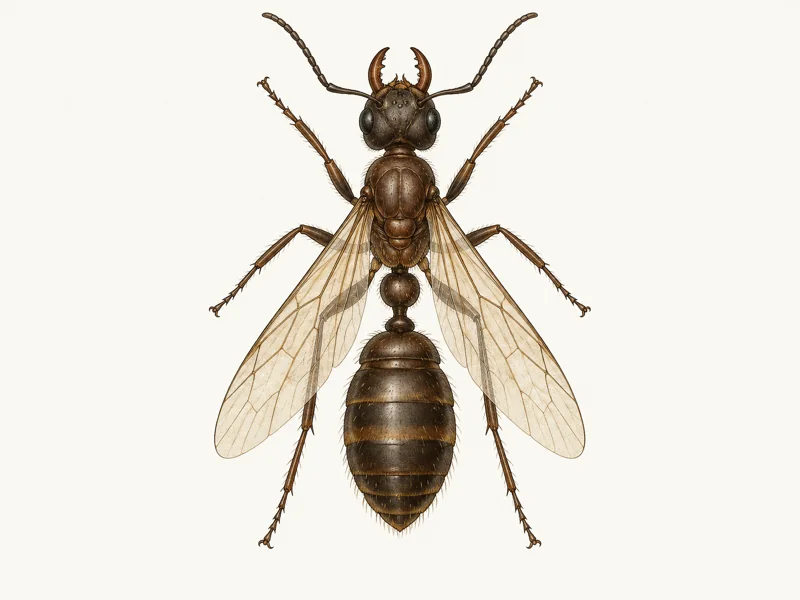
- Elbowed antennae: Sharply bent antennae on a distinct head with mandibles—termites always have straight antennae.
- Unequal wings: Front wings are noticeably longer and wider than hind wings (termites have 4 equal wings).
- Pinched waist: Sharp narrow constriction (1 or 2 tiny petiole nodes) separating thorax from abdomen.
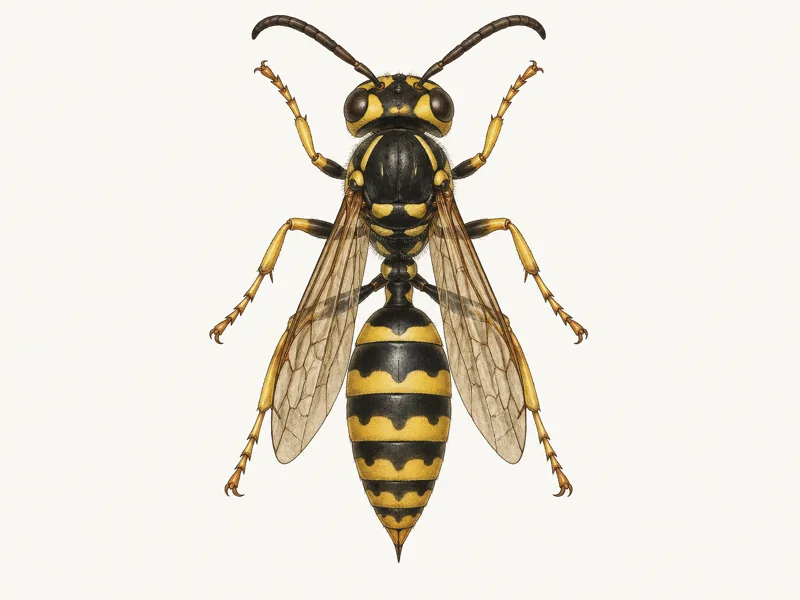
- Curved dark antennae: Segmented dark antennae and strong chewing mandibles for wood pulp nests.
- Smoky folded wings: Two pairs of narrow veined wings that fold lengthwise along the back at rest.
- Pinched waist: Sharp slender constriction separating the smooth hairless thorax from abdomen.
Quick Answer: Flying ants (Formicidae alates) are 4-18 mm winged reproductive ants with elbowed antennae that show up in warm, humid swarms. Wasps (Vespidae) are larger at 12-28 mm, with slender, smooth, nearly hairless bodies and a very narrow pinched waist. Flying ants are a nuisance, but wasps are medically significant because they can sting repeatedly.
In three seconds, look at the antennae and the swarm pattern. Bent, elbowed antennae on a crowd of small insects near a window or light point to flying ants. A single larger insect with bold coloring, straight antennae, and a sharply pinched waist that patrols eaves or food is almost certainly a wasp.
Key Visual & Physical Differences
The difference between a flying ant and a wasp is easiest to see up close. Both belong to the order Hymenoptera and both have narrow waists, so a quick glance can mislead homeowners. Focus on size, antennae, wings, and body texture.
Size and Body Shape
- Flying ants: 4-18 mm long. The waist has one or two small bumps (nodes), and the abdomen is usually rounded.
- Wasps: 12-28 mm long, with a slender, smooth, nearly hairless body and a very narrow pinched waist without nodes.
Antennae
- Flying ants: Elbowed antennae with a clear bend near the middle.
- Wasps: Straight or gently curved antennae with no sharp elbow.
Wings
- Flying ants: Front wings are noticeably larger than hind wings. The wings break off easily, so discarded wings often pile up on sills.
- Wasps: Wings stay attached and often fold lengthwise along the body when the insect rests.
Color
Flying ants are typically black, brown, or reddish, matching their worker caste. Many Vespidae, including yellowjackets and paper wasps, carry bright yellow, black, red, or white warning patterns, though some species are darker.
Behavior, Habitat & Danger Comparison
Behavior is often the most useful tool for flying ant vs wasp identification. Flying ants appear briefly and in numbers, while wasps are active and purposeful throughout the warm season.
Flying Ant Behavior
Flying ants are winged reproductive ants that emerge in warm, humid swarms to mate and start new colonies. Swarms often follow rain and may last from a few hours to a day or two. Afterward, mated queens shed their wings and seek a nesting site, while males soon die.
Wasp Behavior
Wasps forage individually for insects, nectar, sugary drinks, and protein. Paper wasps build open, umbrella-shaped combs under eaves and railings, while yellowjackets often nest in the ground or wall voids. Wasps defend nests aggressively, especially late in the season when colonies are largest.
Danger Level
- Flying ants: Nuisance. Most will not sting, and some species may give a minor bite if handled.
- Wasps: Medically significant. A wasp can sting multiple times, and stings may cause serious allergic reactions in sensitive people.
If someone is stung and shows trouble breathing, facial swelling, or dizziness, call 911 right away. For other questions about a sting, contact US Poison Control at 1-800-222-1222 or a doctor. Do not rely on home venom remedies.
Which One Is Worse for Homeowners?
The answer depends on whether the concern is safety or structure. Wasps pose the greater immediate health risk, while flying ants can signal a hidden colony that may cause long-term trouble.
When Flying Ants Are a Warning Sign
Swarms indoors, especially in late winter or spring, suggest a colony is nesting inside the structure. Carpenter ants, for example, excavate moist or damaged wood. Indoor swarms can also be confused with termites, so a careful look at the antennae and waist matters.
When Wasps Become a Problem
Wasp nests near doors, play areas, decks, or trash bins raise the chance of stings. Ground nests are easy to disturb with a mower, and wall-void nests can send wasps indoors.
IPM Steps for Both
- Exclusion: Seal cracks, gaps around pipes, and damaged screens. Keep vents covered with intact mesh.
- Moisture control: Fix leaks, clean gutters, and replace water-damaged wood that attracts ants.
- Sanitation: Use lidded trash cans, cover outdoor food, and clean up sweet spills.
- Removal: Vacuum indoor flying ant swarms. Leave active wasp nests to a licensed professional.
If pesticides are needed, choose products labeled for the specific pest and follow the EPA product label exactly. Never treat a wasp nest without proper protection, and call a professional for large, hidden, or hard-to-reach nests.
Frequently Asked Questions
Can a flying ant sting like a wasp?
Most flying ants are harmless nuisances. Some ant species can bite or sting, but they rarely do so during swarms, unlike defensive wasps.
Why do flying ants appear all at once?
Colonies release winged reproductives together during warm, humid conditions, often after rain. This timing helps them mate and start new colonies.
Is it a flying ant or wasp if it has a pinched waist?
Both have narrow waists. Check the antennae: elbowed antennae mean ant, while straight antennae and a smooth, slender 12-28 mm body suggest a wasp.
Should flying ants inside the house be a concern?
Indoor swarms may mean a colony is nesting in the home, often near moisture. An inspection can confirm the species and whether wood damage is possible.