Termite vs Wasp: How to Tell Them Apart and Which Is Worse
Quick ID Verdict: Check the waist and antennae. Termites (Blattodea, formerly Isoptera) are 4-12 mm with a thick, straight-sided body and straight, bead-like antennae. Wasps (Vespidae) are 12-28 mm with a slender, smooth, nearly hairless body and a very narrow pinched waist.
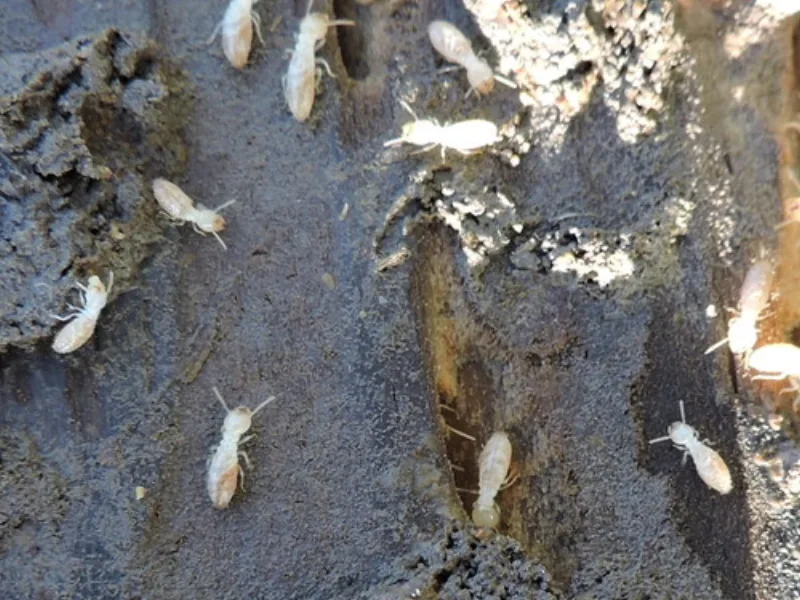
Termite
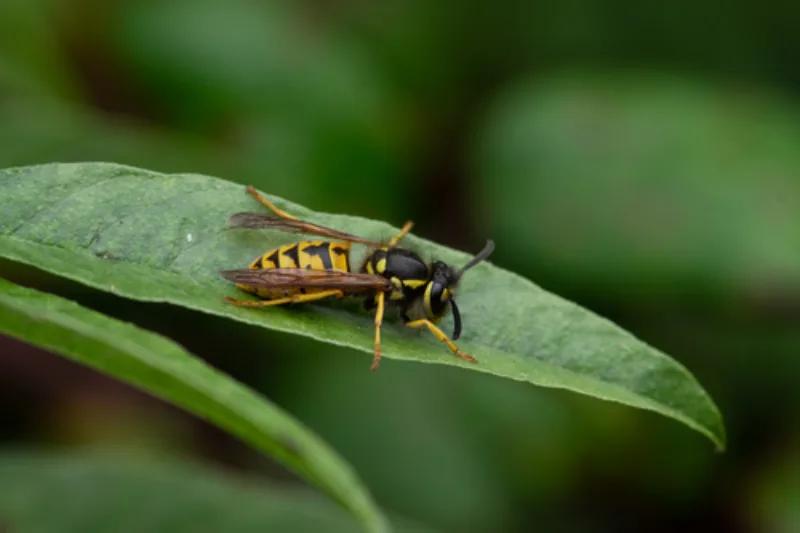
Wasp
Side-by-Side Comparison Table
| Trait | Termite | Wasp |
|---|---|---|
| Scientific Group | Blattodea (Isoptera) | Vespidae |
| Category | Insect | Insect |
| Typical Size | 4–12 mm | 12–28 mm |
| Danger Level | Structural | Medically Significant |
| Bites or Stings? | No | Yes |
| Peak US Months | April, May | July, August, September, October |
| Key ID Trait | Straight, bead-like antennae (unlike the elbowed antennae of ants) | Slender, smooth, nearly hairless body with a very narrow pinched waist |
Termite vs. Wasp: True Size Comparison
Side-by-Side Anatomy Blueprint
Compare body segments, antennae, leg count, and key markings directly before treating or removing either species.
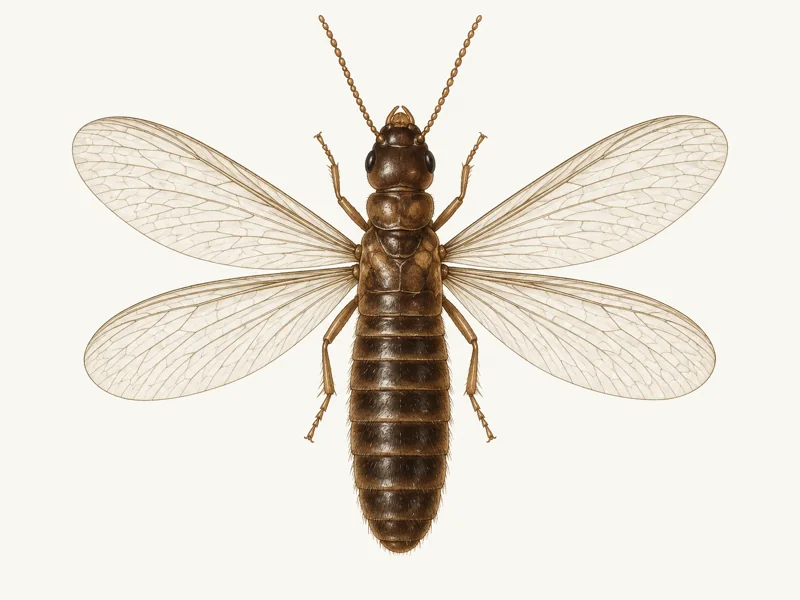
- Straight antennae: Straight, bead-like (moniliform) antennae—never sharply bent like ant antennae.
- Four equal wings: Two pairs of equal-length translucent veined wings extending far past the abdomen (shed easily).
- Six insect legs: Three pairs of slender crawling legs beneath the pale translucent wings.
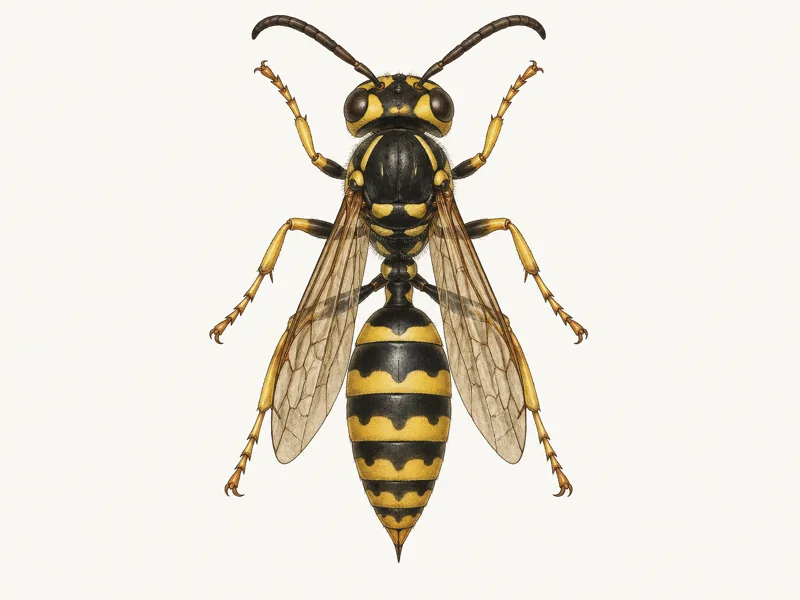
- Curved dark antennae: Segmented dark antennae and strong chewing mandibles for wood pulp nests.
- Smoky folded wings: Two pairs of narrow veined wings that fold lengthwise along the back at rest.
- Pinched waist: Sharp slender constriction separating the smooth hairless thorax from abdomen.
Quick Answer: Check the waist and antennae. Termites (Blattodea, formerly Isoptera) are 4-12 mm with a thick, straight-sided body and straight, bead-like antennae. Wasps (Vespidae) are 12-28 mm with a slender, smooth, nearly hairless body and a very narrow pinched waist.
The real difference between termite and wasp problems comes down to risk. Termites threaten the structure of a home, while wasps are medically significant because they can sting. Knowing which one you're looking at tells a homeowner whether to call for a structural inspection or keep people safely away from a nest.
Key Visual & Physical Differences
Termite vs wasp identification is easier than many people expect, especially when the insect is sitting still. Winged termite swarmers are sometimes mistaken for flying wasps, but the body shapes look nothing alike up close.
Body Shape and Waist
- Termites: Broad, uniform body with no visible narrowing between the thorax and abdomen. They look soft and almost rectangular.
- Wasps: Slender, smooth, nearly hairless body with a very narrow pinched waist. This "wasp waist" is the fastest field mark.
Antennae
- Termites: Straight, bead-like antennae, unlike the elbowed antennae of ants.
- Wasps: Longer antennae that are typically bent or curved, often moving constantly as the wasp searches.
Size
- Termites: 4-12 mm, small enough to slip into hairline cracks.
- Wasps: 12-28 mm, noticeably larger and easier to spot in flight.
Wings and Color
Termite swarmers have two pairs of wings of roughly equal length that extend well past the body and break off easily. Wasps have two pairs of unequal wings, usually folded alongside the body, and many species show bright yellow, black, red, or metallic markings that warn predators.
Behavior, Habitat & Danger Comparison
Termite Behavior and Habitat
Termites live in hidden colonies, feeding on cellulose in wood, paper, and other plant-based materials. Most homeowners only see them during a brief swarm, often near windows, doors, or light fixtures. Common signs include discarded wings, mud tubes on foundations, and wood that sounds hollow when tapped.
Wasp Behavior and Habitat
Wasps are active, visible flyers that build paper nests under eaves, in shrubs, inside wall voids, or in the ground. They hunt other insects and scavenge sugary foods, which brings them close to patios and trash cans. Colonies typically grow larger and more defensive as the season goes on.
Danger Profile
- Termites (structural): They do not sting and are not considered a health threat, but they can silently damage framing, subfloors, and trim.
- Wasps (medically significant): They can sting repeatedly, and some people experience severe allergic reactions.
If someone is stung and has trouble breathing, swelling of the face or throat, or dizziness, call 911 right away. For other sting concerns, contact US Poison Control at 1-800-222-1222 and follow up with a doctor. Do not rely on home remedies for venom reactions.
Which One Is Worse for Homeowners?
The answer depends on what's at stake. Termites are usually worse for the house, since damage can build for years before it's discovered and repairs may be costly. Wasps are worse for people, particularly anyone with a known sting allergy, young children, or pets.
Integrated Pest Management for Termites
- Fix leaks and redirect gutters and downspouts away from the foundation.
- Keep firewood, mulch, and lumber away from the home's exterior walls.
- Eliminate wood-to-soil contact around decks, porches, and siding.
- Schedule a professional inspection if swarmers, wings, or mud tubes appear.
Integrated Pest Management for Wasps
- Seal gaps around eaves, vents, and siding to prevent nesting in wall voids.
- Keep trash cans tightly lidded and clean up outdoor food and sweet drinks.
- Knock down small, empty starter nests early in the season while wearing protective clothing.
- Hire a professional for large, high, or hidden nests rather than disturbing them.
When chemical control is needed for either pest, use registered products and follow EPA product labels exactly. Termite treatments in particular are usually best handled by licensed professionals.
Frequently Asked Questions
How can I quickly tell if it's a termite or wasp?
Look for the waist. A very narrow pinched waist means wasp, while a thick, straight body with bead-like antennae points to a termite.
Can termites sting or bite people?
Termites do not sting, and they are not considered a medical threat. Their danger is structural damage to wood and other cellulose materials.
Why do flying termites look like wasps?
Both have wings and may appear around homes at the same time. Termite swarmers, however, have equal-length wings, no pinched waist, and are smaller at 4-12 mm.
Should I remove a wasp nest myself?
Small, inactive starter nests can sometimes be removed carefully. Large or active nests, or any situation involving a sting allergy, should be handled by a pest professional.