Ticks in West Virginia: Species, Season, and Prevention Guide
Quick Answer: Ticks in West Virginia are common, with 1,500 verified GBIF sightings concentrated in Preston, Monongalia, Hardy, Mason, and Tucker counties. Three species are recorded statewide: the Black Legged Tick (Ixodes scapularis), the American Dog Tick (Dermacentor variabilis), and the Lone Star Tick (Amblyomma americanum).
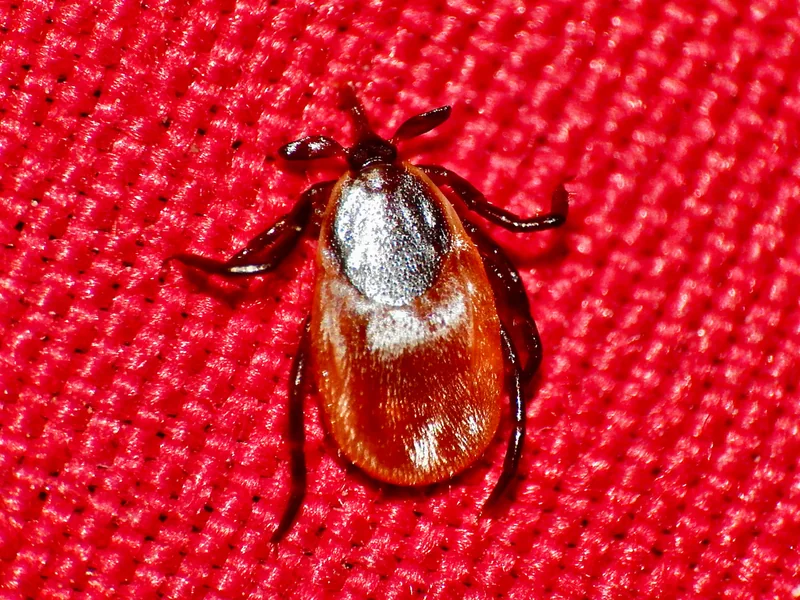
When Ticks Are Most Active in West Virginia
Now (November): Moderate ActivityVerified West Virginia Counties, Species & US Range
Counties with Verified Observations
- Preston
- Monongalia
- Hardy
- Mason
- Tucker
- Raleigh
- Fayette
- Nicholas
- Wood
- Boone
Species Recorded in West Virginia
| Species | Scientific Name | GBIF Records |
|---|---|---|
| Black Legged Tick | Ixodes scapularis | 1,175 |
| American Dog Tick | Dermacentor variabilis | 268 |
| Lone Star Tick | Amblyomma americanum | 48 |
How West Virginia Compares to Neighboring States
Note: Wildlife does not follow state or county lines. GBIF totals reflect verified citizen and museum records, so low counts in a neighboring county do not guarantee absence.
How to Identify Ticks
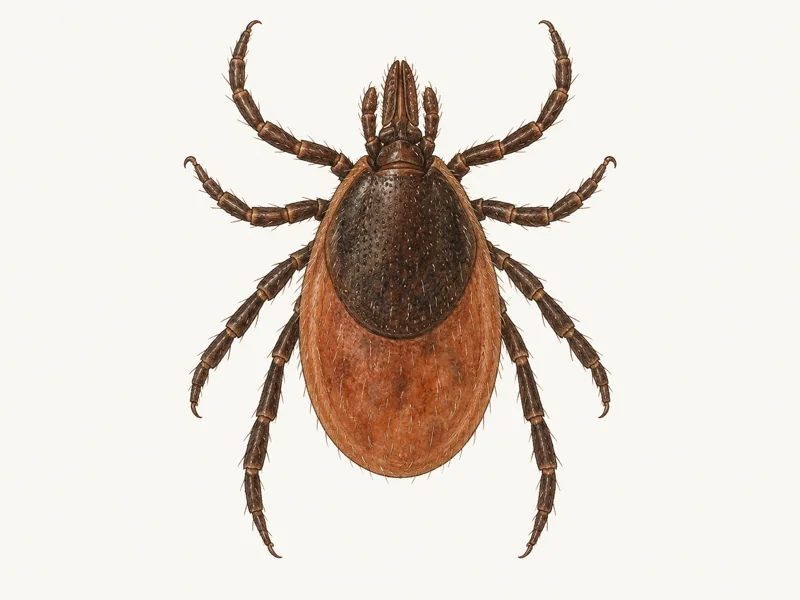
Annotated Anatomy Key (Tick)
- Piercing mouthparts: Forward-projecting capitulum and barbed hypostome at the front tip—no antennae or wings.
- Hardened scutum: Distinct dark dorsal shield plate behind the head (varies by deer, dog, and lone star ticks).
- Eight jointed legs: Adults and nymphs have 8 legs (tiny seed-tick larvae have 6 legs).
- Flat oval abdomen: Teardrop-shaped unfed body that swells into a smooth gray-brown bean shape after feeding.
Ticks Field Checklist
- Flat, oval, teardrop-shaped arachnid with eight legs (six in larval stage)
- No antennae or wings; piercing mouthparts project from the front
- Color varies by species (blacklegged deer tick, mottled dog tick, white-spotted lone star tick)
- Swells into a smooth gray-brown bean shape when engorged with blood
Side-by-Side Look-Alike Comparisons
Ticks Size at True Relative Scale
Quick Answer: Ticks in West Virginia are common, with 1,500 verified GBIF sightings concentrated in Preston, Monongalia, Hardy, Mason, and Tucker counties. Three species are recorded statewide: the Black Legged Tick (Ixodes scapularis), the American Dog Tick (Dermacentor variabilis), and the Lone Star Tick (Amblyomma americanum). Activity peaks in March and October, so prevention matters well beyond midsummer.
Where Ticks Live in West Virginia
So, are there ticks in West Virginia? Yes. All three recorded species belong to the hard tick family Ixodidae, and the state's humid continental and Appalachian highland climate suits them well. Moist forested valleys, leaf litter, and brushy field edges hold the humidity ticks need to avoid drying out.
The highest numbers of verified records come from five counties:
- Preston and Tucker: high-elevation forests, wet hollows, and recreation areas with heavy deer traffic.
- Monongalia: suburban edges around wooded lots and trails near Morgantown.
- Hardy: mixed farmland and forest in the Potomac Highlands.
- Mason: river bottomlands and grassy fields along the Ohio River.
Across USDA zones 5b to 7a, ticks favor the boundary where lawn meets woods. Tall grass, stone walls, woodpiles, and dense groundcover give them shelter and put them close to the mice, deer, and other hosts they feed on.
West Virginia Tick Identification
- Black Legged Tick: small, with dark legs and a dark shield; adult females have an orange-red body behind the shield. Nymphs are about the size of a poppy seed.
- American Dog Tick: larger and brown, with ornate whitish or gray markings on the shield.
- Lone Star Tick: reddish-brown; adult females carry a single white dot on the back.
When Ticks Are Most Active in West Virginia
West Virginia tick season does not follow a simple summer-only pattern. GBIF records show peaks in March and October, when adult ticks, especially Black Legged Ticks, quest for hosts during mild, damp weather.
Nymphs and other species stay active through late spring and summer, so the risk never fully disappears in warm months. Black Legged Ticks can even move on winter days above freezing. Hikers, hunters, and gardeners should check for ticks any time temperatures are mild.
Look-Alikes Frequently Mistaken for Ticks
Several small pests found in West Virginia are often confused with ticks. Correct identification helps homeowners choose the right control steps.
- Bed Bugs: flat, oval, and reddish-brown with six legs. They hide in mattress seams and furniture rather than outdoors, and they feed at night before retreating.
- Fleas: tiny, narrow-bodied, and dark, with six legs. They jump quickly and are usually found on pets or in carpets.
- Chiggers: mite larvae so small they are rarely seen. They cause itchy red welts around the waistline and ankles but do not stay attached the way ticks do.
Ticks have eight legs as nymphs and adults (larvae have six), no wings, and they stay firmly embedded while feeding. A magnifying glass can make the difference clear.
How to Keep Ticks Out of Your West Virginia Home
Knowing how to prevent ticks in West Virginia starts with non-chemical Integrated Pest Management. University cooperative extension IPM guidance consistently emphasizes habitat changes before any pesticide use.
Yard and Habitat Steps
- Keep grass mowed short and remove leaf litter, especially along wooded edges.
- Place a three-foot strip of wood chips or gravel between lawns and forest.
- Stack firewood neatly in a dry, sunny spot away from the house.
- Seal gaps in foundations and stone walls that shelter mice.
- Use fencing or plant choices that discourage deer from entering the yard.
Personal and Pet Protection
- Wear long, light-colored pants tucked into socks on trails.
- Do a full-body tick check after outdoor time, including the scalp, armpits, and behind the knees.
- Put outdoor clothes in a hot dryer for at least ten minutes to kill attached ticks.
- Ask a veterinarian about tick prevention for dogs and cats.
If repellents or yard treatments are needed, choose EPA-registered products and follow the EPA product label exactly. The label is the law and lists safe rates, timing, and precautions.
When to Call a Professional
Contact a licensed West Virginia pest professional if you:
- Find ticks on people or pets repeatedly despite habitat changes.
- Discover ticks indoors, particularly in kennels or pet bedding.
- Have a large wooded property with heavy deer or rodent activity.
Health note: Ticks are medically significant because they can transmit disease. This guide is not medical advice. If you are bitten and develop a rash, fever, or other symptoms, see a doctor promptly. For questions about exposure to pesticides or repellents, call US Poison Control at 1-800-222-1222.
IPM Prevention Checklist for West Virginia Homes
- Perform full-body tick checks after outdoor activity and tumble-dry clothes on high heat for 10 minutes
- Keep lawn grass mowed short and create a 3-foot woodchip or gravel barrier between woods and yard
- Use EPA-registered tick repellents per label and veterinarian-approved pet preventatives
 EXCLUSION BLUEPRINT
Inspect eaves, screens, door sweeps, foundation cracks, and utility penetrations around West Virginia homes before peak season.
Ticks in West Virginia: Frequently Asked Questions
Which tick is most common in West Virginia?
GBIF records include the Black Legged Tick, American Dog Tick, and Lone Star Tick. All three are present statewide, with the most records from Preston, Monongalia, Hardy, Mason, and Tucker counties.
What months are worst for ticks in West Virginia?
Verified sightings peak in March and October. Ticks remain active through spring and summer, and some species move on mild winter days.
How should a tick be removed?
Use fine-tipped tweezers to grasp the tick close to the skin and pull upward with steady pressure. Clean the area and contact a doctor if symptoms appear.
Can ticks infest a West Virginia house?
Most ticks here live outdoors and rarely establish indoors. Ticks found inside usually arrive on pets or clothing, so regular checks and laundering help prevent problems.
Sources & Verification
- CDC — Ticks & Tickborne Diseases
- University of Rhode Island — TickEncounter
- GBIF Global Biodiversity Occurrence Records
Data refreshed · Editorial & GBIF Methodology