Chigger vs Tick: How to Tell These Biting Pests Apart and Protect Your Yard
Quick ID Verdict: A summer afternoon in the yard can end with mysterious red bumps around the ankles or a small dark speck clinging behind a knee. Both point to tiny arachnids, but the chigger vs tick question matters, because one is mainly an itch and the other can carry disease.
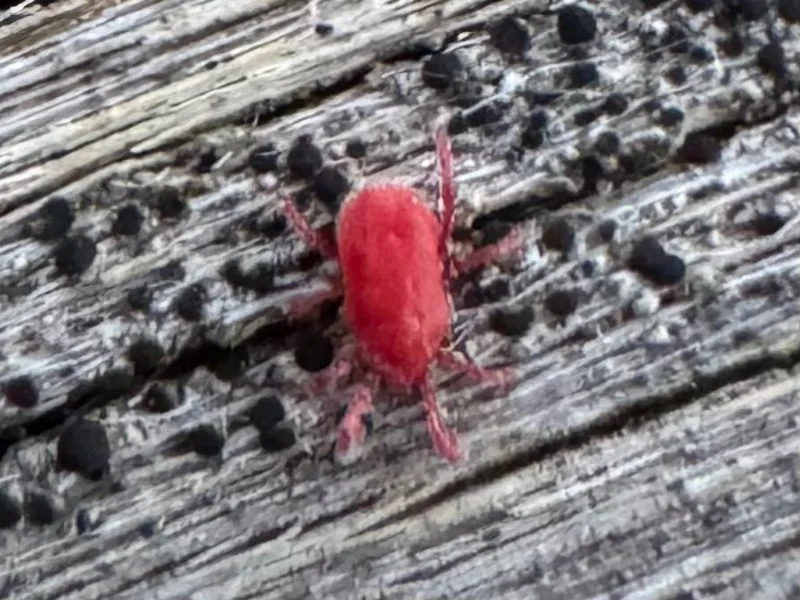
Chigger
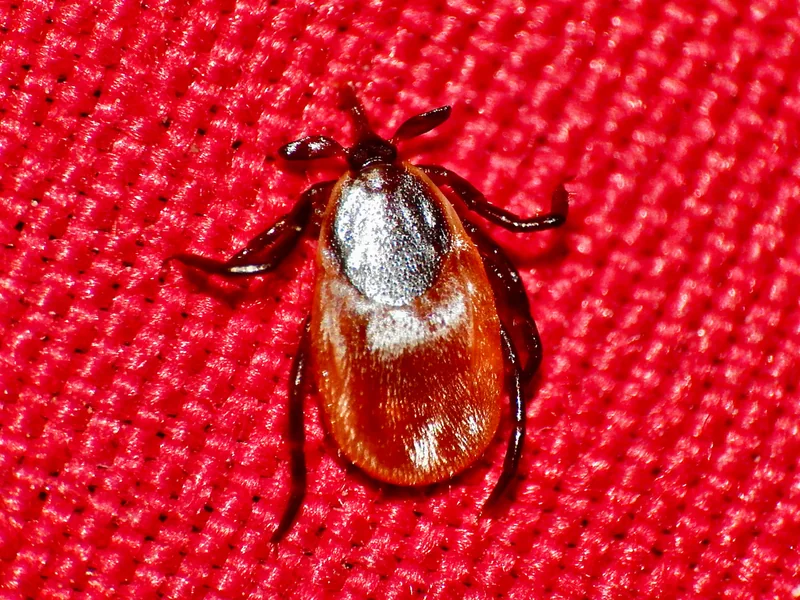
Tick
Side-by-Side Comparison Table
| Trait | Chigger | Tick |
|---|---|---|
| Scientific Group | Trombiculidae | Ixodidae |
| Category | Arachnid | Arachnid |
| Typical Size | 0.2–0.5 mm | 1–6 mm |
| Danger Level | Nuisance | Medically Significant |
| Bites or Stings? | Yes | Yes |
| Peak US Months | March, April, May, October | April, May, June, July |
| Key ID Trait | Microscopic bright-red six-legged mite larvae barely visible to the naked eye | Flat, oval, teardrop-shaped arachnid with eight legs (six in larval stage) |
Chigger vs. Tick: True Size Comparison
Side-by-Side Anatomy Blueprint
Compare body segments, antennae, leg count, and key markings directly before treating or removing either species.
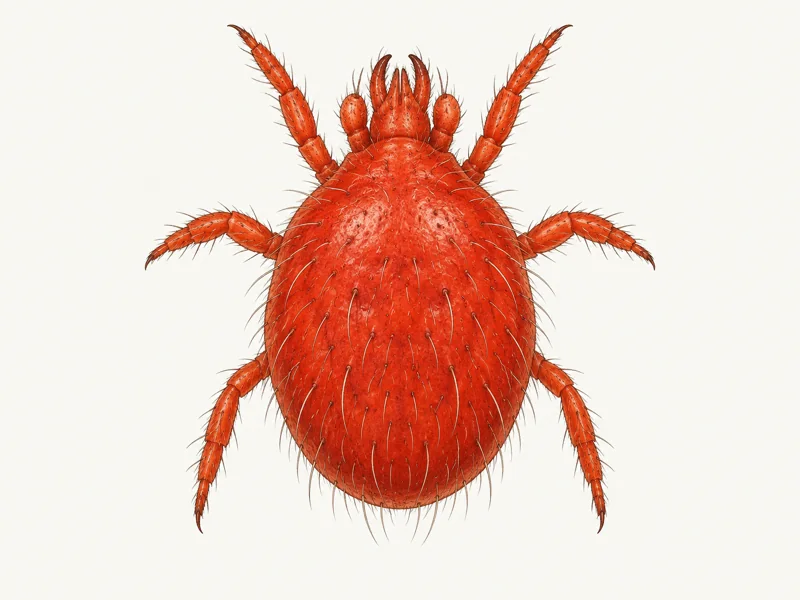
- Microscopic mouthparts: Tiny chelicerae inject digestive saliva into skin pores—chiggers do NOT burrow inside.
- Scarlet bristled body: Microscopic (<0.4 mm) bright crimson-red oval larva dusted in fine sensory setae.
- Six larval legs: Biting parasitic chigger larvae have STRICTLY 6 legs (adults are harmless 8-legged mites).
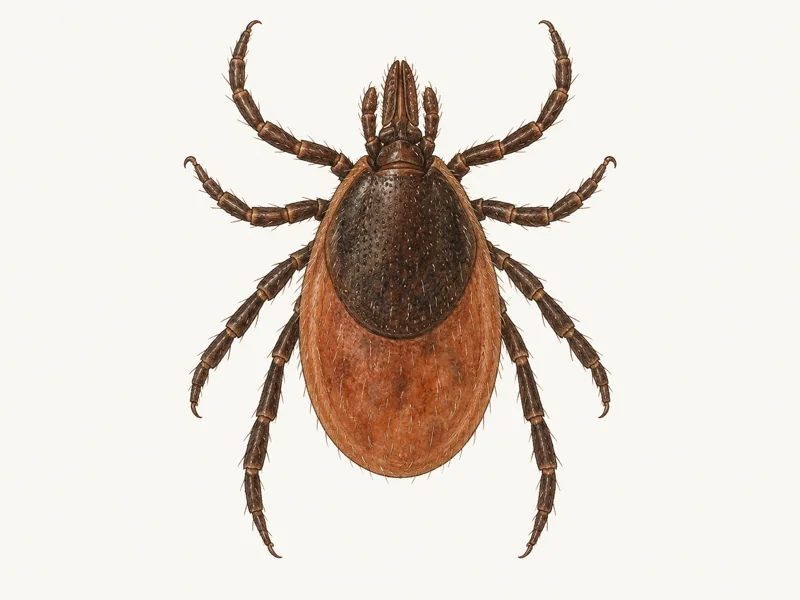
- Piercing mouthparts: Forward-projecting capitulum and barbed hypostome at the front tip—no antennae or wings.
- Hardened scutum: Distinct dark dorsal shield plate behind the head (varies by deer, dog, and lone star ticks).
- Eight jointed legs: Adults and nymphs have 8 legs (tiny seed-tick larvae have 6 legs).
Quick ID verdict: If the pest is a bright-red dot barely visible to the naked eye and gone before the itching starts, it's a chigger. If it's a flat, teardrop-shaped creature that stays attached to the skin, it's a tick.
Chigger or Tick? Key Differences at a Glance
Chiggers and ticks are both arachnids, which is why they get confused. But the difference between chigger and tick becomes obvious once size, behavior, and risk are compared side by side.
TraitChiggersTicksFamilyTrombiculidaeIxodidae (hard ticks)Size0.2–0.5 mm1–6 mmLegsSix (larvae)Eight (six in larval stage)Danger levelNuisanceMedically significant
Chigger vs Tick Identification by Size, Color, and Appearance
Chiggers are the larval stage of a mite. They're microscopic, bright red, and six-legged, usually seen only as a moving reddish dot on skin or a white surface. Most people never spot them at all.
Ticks are larger and far easier to see. They have a flat, oval, teardrop-shaped body that swells after feeding, and adults and nymphs carry eight legs. Tiny larval ticks ("seed ticks") have six legs, but they're still noticeably bigger and more shield-shaped than a chigger.
How Their Bites Look and Feel
Chiggers don't burrow or suck blood, even though the old myth. They attach briefly, inject digestive enzymes, and feed on dissolved skin cells, then drop off. Intense itching typically starts several hours later, with clusters of red welts where clothing fits snugly: sock lines, waistbands, and behind the knees.
Tick bites are usually painless, which is the problem. A tick can stay attached for days while it feeds, so the pest itself is often found still embedded in the skin.
Health Risks: Itchy Welts vs Disease Transmission
In the US, chiggers are a nuisance pest. Their welts can itch for a week or more, and scratching may lead to secondary skin infection, but North American chiggers aren't known to transmit disease.
Ticks are a different story. Hard ticks in the family Ixodidae are medically significant and can transmit pathogens including:
- Lyme disease (blacklegged or deer tick)
- Rocky Mountain spotted fever (American dog tick, others)
- Ehrlichiosis and anaplasmosis
- Alpha-gal syndrome, a red-meat allergy linked to lone star tick bites
Anyone who develops fever, rash, joint pain, or fatigue after a tick bite should see a doctor promptly. For concerns about any bite or sting reaction, US Poison Control is available at 1-800-222-1222.
Where and When Chiggers and Ticks Are Most Active in the US
Chiggers are most common across the Southeast, South Central states, and Midwest. They cluster in damp, shaded patches of tall grass, weeds, berry thickets, and woodland edges. Activity peaks from late spring through early fall, especially when temperatures sit between roughly 77°F and 86°F.
Ticks occur in every state, with especially heavy pressure in the Northeast, Upper Midwest, and Mid-Atlantic. They wait on grass tips and brush in a behavior called "questing," grabbing passing hosts. Nymphs peak in late spring and summer, while adult blacklegged ticks can stay active on mild days well into fall and even winter.
In a typical backyard, both favor the same zone: the overgrown border where lawn meets woods or tall vegetation.
Safe Integrated Pest Management for Chiggers and Ticks
Integrated Pest Management (IPM) starts with habitat changes, not sprays. Because chiggers and ticks both need humidity and cover, a drier, more open yard reduces both.
- Mow regularly and keep grass short, especially along paths and play areas.
- Clear brush, leaf litter, and tall weeds near the house and fence lines.
- Create a 3-foot barrier of wood chips or gravel between lawn and wooded areas to discourage tick migration.
- Improve sunlight and drainage by pruning low branches and fixing soggy spots.
- Discourage wildlife hosts such as deer and rodents with fencing, sealed trash, and tidy woodpiles stacked off the ground.
If pressure stays high, targeted perimeter treatments may help. Homeowners should always follow EPA product labels exactly, since the label is the law.
Personal Protection and Bite Care Tips
People heading into tall grass or wooded edges can reduce bites by wearing long pants tucked into socks and using an EPA-registered repellent such as DEET or picaridin, applied as directed on the label. Permethrin-treated clothing adds another layer, but it's meant for fabric, not skin.
After outdoor work, a prompt shower and a hot-water wash of clothing help remove unattached chiggers. A full-body tick check should cover the scalp, armpits, waistline, and behind the knees.
If a tick is attached, the CDC recommends grasping it close to the skin with fine-tipped tweezers and pulling upward with steady pressure. Avoid folk methods like matches or nail polish. Saving the tick in a sealed bag can help a doctor if symptoms appear later, and anyone with a worsening reaction should contact a physician.
Frequently Asked Questions
What's the main difference between a chigger and a tick?
Chiggers are microscopic, bright-red mite larvae (0.2–0.5 mm) that inject digestive enzymes and drop off quickly. Ticks are larger arachnids (1–6 mm) with flat, teardrop bodies that stay embedded in skin for days while feeding. Ticks can transmit disease; chiggers mainly cause itching.
How can I identify if I have a chigger or tick bite?
Chigger bites appear as clusters of intense red welts around tight clothing areas (sock lines, waistbands, behind knees), with itching starting hours later. Tick bites are usually painless with the pest visibly attached. If you see a small dark speck clinging to skin, it's a tick; if it's already gone, it was likely a chigger.
Can chiggers and ticks transmit diseases?
North American chiggers don't transmit disease but cause intense itching lasting a week or more. Ticks are medically significant and can transmit Lyme disease, Rocky Mountain spotted fever, ehrlichiosis, and alpha-gal syndrome. See a doctor if you develop fever, rash, or joint pain after a tick bite.
What's the best way to remove an attached tick?
Grasp the tick close to the skin with fine-tipped tweezers and pull upward with steady pressure. Avoid matches, nail polish, or other folk remedies. Wash the area with soap and water, and save the tick in a sealed bag for a doctor if symptoms develop later.
When and where are chiggers and ticks most active in the US?
Chiggers peak from late spring through early fall in warm, damp areas (Southeast, South Central, Midwest) when temperatures are 77–86°F. Ticks occur nationwide and are most active in spring and summer, though some stay active into winter. Both favor overgrown yard borders near wooded areas.
How can I prevent chigger and tick bites in my yard?
Use Integrated Pest Management: mow grass short, clear brush and leaf litter, create a 3-foot wood chip barrier between lawn and woods, improve drainage, and discourage wildlife hosts. For personal protection, wear long pants tucked into socks and use EPA-registered repellents like DEET or picaridin.