Bed Bug vs Tick: How to Tell These Biting Pests Apart Fast
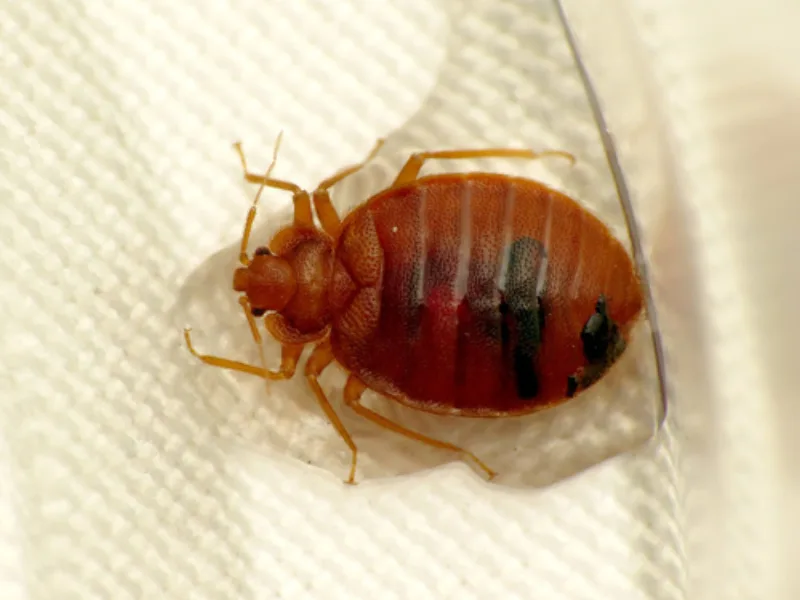
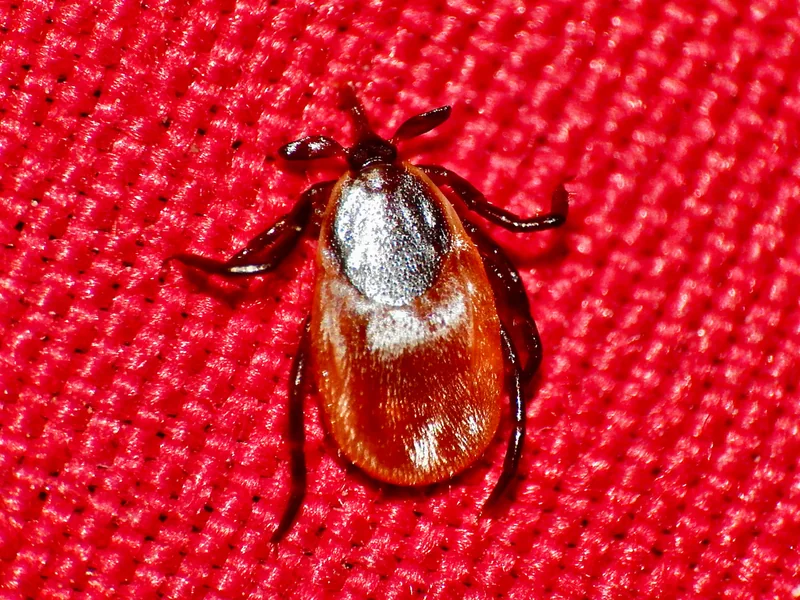
Quick ID Verdict: A small, flat, reddish-brown bug on a pillowcase or pant leg raises an immediate question for any homeowner: is it a bed bug or a tick? Quick ID verdict: count the legs. Bed bugs are insects with six legs and an apple-seed-shaped body, while adult ticks are arachnids with eight legs and a teardrop-shaped body.
Bed Bug
Tick
Side-by-Side Comparison Table
| Trait | Bed Bug | Tick |
|---|---|---|
| Scientific Group | Cimex lectularius | Ixodidae |
| Category | Insect | Arachnid |
| Typical Size | 4–7 mm | 1–6 mm |
| Danger Level | Nuisance | Medically Significant |
| Bites or Stings? | Yes | Yes |
| Peak US Months | May, July, October, November | April, May, June, July |
| Key ID Trait | Flat, oval, apple-seed-shaped reddish-brown body without wings | Flat, oval, teardrop-shaped arachnid with eight legs (six in larval stage) |
Bed Bug vs. Tick: True Size Comparison
Side-by-Side Anatomy Blueprint
Compare body segments, antennae, leg count, and key markings directly before treating or removing either species.
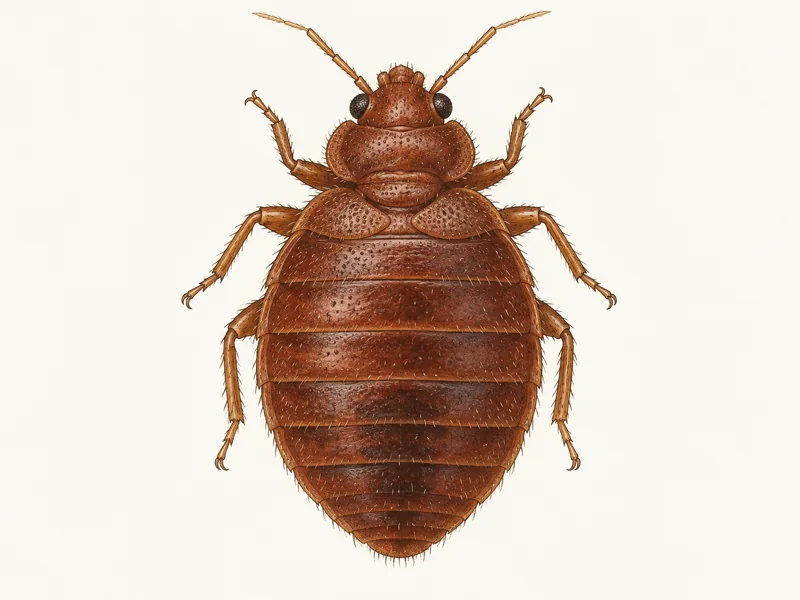
- Short 4-part antennae: Compact head with dark compound eyes and short 4-segmented antennae (shorter than roach feelers).
- Scalloped pronotum: Curved collar plate behind the head followed by tiny stubby wing pads—bed bugs cannot fly.
- Six short legs: Three pairs of short crawling legs suited for clinging to mattress piping and wood cracks.
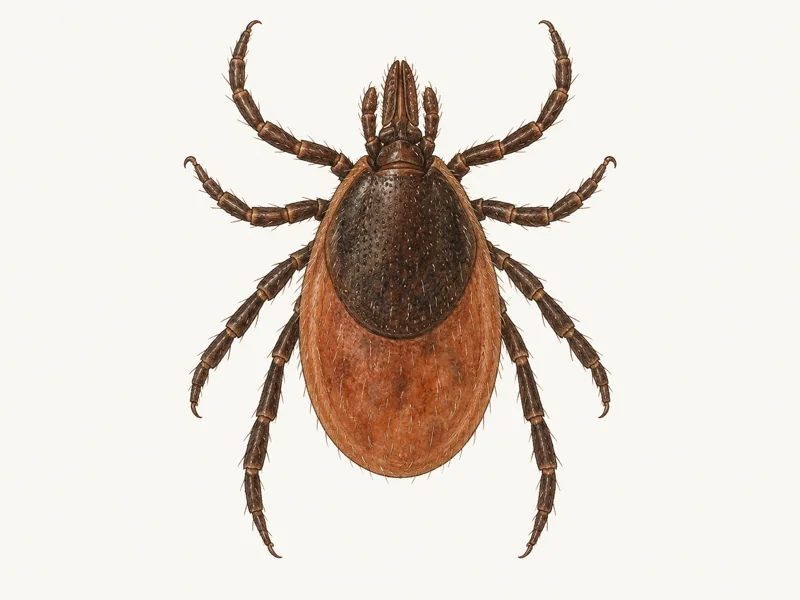
- Piercing mouthparts: Forward-projecting capitulum and barbed hypostome at the front tip—no antennae or wings.
- Hardened scutum: Distinct dark dorsal shield plate behind the head (varies by deer, dog, and lone star ticks).
- Eight jointed legs: Adults and nymphs have 8 legs (tiny seed-tick larvae have 6 legs).
That three-second check matters, because the bed bug vs tick distinction changes everything that follows, from where to search to how serious the risk is.
Bed Bug or Tick? Key Identification Differences
Both pests are flat, oval, and brownish, which is why they're so often confused. But a closer look reveals clear differences in structure, color, and how each one changes after a blood meal. A magnifying glass or a phone camera on zoom makes bed bug vs tick identification much easier.
Body Shape, Legs, and Color
- Bed bugs (Cimex lectularius): Flat, oval, apple-seed-shaped body. Reddish-brown and wingless, with six legs and visible antennae.
- Ticks (family Ixodidae): Flat, oval, teardrop-shaped body that narrows toward the head. Adults and nymphs have eight legs: larvae have six. No antennae.
Hard ticks also carry a small shield (scutum) behind the mouthparts, which often looks like a darker patch on the back. Bed bugs have a more evenly colored, segmented abdomen with faint banding.
Size Changes Before and After Feeding
Unfed adult bed bugs measure about 4–7 mm, roughly the size of an apple seed. After feeding, they swell, lengthen, and turn darker red, but they remain mobile and return to hiding within minutes.
Ticks range from about 1–6 mm unfed, depending on species and life stage. Unlike bed bugs, ticks stay attached for days while feeding and can swell dramatically, often turning gray or bluish and looking like a small bean.
Where You Find Them and When They're Active
Location is one of the most reliable clues to the difference between bed bug and tick sightings.
- Bed bugs live indoors near sleeping areas: mattress seams, box springs, headboards, couch cushions, and baseboard cracks. They feed mostly at night and are active year-round in heated homes. They're found in all 50 states and spread through luggage, used furniture, and shared housing.
- Ticks live outdoors in tall grass, leaf litter, brush, and wooded edges. They climb onto people and pets passing by. Activity peaks in spring through fall in most of the US, though some species stay active on mild winter days.
A tick found indoors almost always hitched a ride on a person or pet. Bed bugs, by contrast, establish colonies inside the home itself.
Comparing Bites and Health Risks
Bed bugs are classified as a nuisance pest. Their bites often appear as itchy red welts in lines or clusters on exposed skin, and some people show no reaction at all. They aren't known to transmit disease, but infestations cause sleep loss, anxiety, and secondary skin irritation from scratching.
Ticks are medically significant. Their bites are usually painless, so many go unnoticed while the tick remains attached. Certain species can transmit pathogens, including those that cause Lyme disease, Rocky Mountain spotted fever, and other illnesses.
Anyone who develops a rash, fever, body aches, or other symptoms after a tick bite should contact a doctor promptly. For urgent questions about any bite reaction, call US Poison Control at 1-800-222-1222. PestAlmanac does not provide medical diagnoses or home remedies.
Safe IPM Steps for Controlling Bed Bugs and Ticks
Integrated Pest Management starts with non-chemical methods. The approach differs by pest because one lives inside and the other outside.
For bed bugs:
- Inspect mattress seams, furniture joints, and cracks with a flashlight.
- Wash bedding and clothing in hot water, then dry on high heat for at least 30 minutes.
- Vacuum thoroughly and seal the vacuum bag in plastic before discarding.
- Install mattress and box spring encasements and reduce clutter.
- Check luggage and secondhand furniture before bringing them inside.
For ticks:
- Keep grass mowed and remove leaf litter and brush.
- Create a gravel or wood-chip barrier between lawns and wooded areas.
- Wear long pants tucked into socks outdoors, and check skin and pets afterward.
- Talk with a veterinarian about tick prevention for pets.
If a pesticide or repellent is needed, use EPA-registered products and always follow the label directions exactly. The label is the law.
When to Call a Pest Professional
Bed bugs are notoriously difficult to eliminate with DIY efforts alone. A licensed pest professional is the right call when bites continue after cleaning, live bugs or shed skins keep appearing, or the infestation spreads to multiple rooms. Many pros use heat treatments or targeted applications that reach hidden harborage.
For ticks, professional help makes sense when a yard borders woods, pets keep picking up ticks even though prevention, or someone in the household is at higher risk for tick-borne illness. A pro can assess habitat and recommend targeted perimeter treatments.
So which one is worse for homeowners? Bed bugs are harder to get rid of once inside. Ticks pose the greater health risk. Both deserve quick, informed action.
Frequently Asked Questions
What's the easiest way to tell a bed bug from a tick?
Count the legs: bed bugs have six legs and an apple-seed shape, while ticks have eight legs and a teardrop shape. Bed bugs lack antennae; ticks also have no antennae. Using a magnifying glass or phone zoom makes bed bug vs tick identification quick and accurate.
Where do bed bugs and ticks typically hide in homes?
Bed bugs live indoors near sleeping areas like mattress seams, box springs, and couch cushions. Ticks rarely establish indoors; they usually hitch rides on people and pets from outdoors. Finding a bug inside almost always means bed bug if it's near bedding.
Can bed bugs or ticks transmit disease?
Bed bugs are nuisance pests that don't transmit disease but cause itchy welts and anxiety. Ticks are medically significant and can transmit Lyme disease, Rocky Mountain spotted fever, and other illnesses. Seek medical attention if you develop symptoms after a tick bite.
How should I treat a bed bug infestation?
Start with non-chemical methods: inspect seams, wash bedding in hot water, vacuum thoroughly, and use mattress encasements. If bites continue or live bugs appear, call a licensed pest professional. Heat treatments and targeted applications by pros are highly effective for persistent infestations.
What's the best way to prevent tick bites outdoors?
Wear long pants tucked into socks, check your skin and pets after outdoor time, and talk to your veterinarian about tick prevention for pets. Maintain your yard by mowing grass, removing leaf litter, and creating barriers between lawns and wooded areas.
Why is it important to remove a tick quickly if found on skin?
Ticks feed while attached for days and can transmit pathogens during feeding. The longer a tick remains attached, the higher the disease transmission risk. Remove ticks promptly using tweezers, and contact a doctor if symptoms develop afterward.