Carpenter Ant vs Fire Ant: How to Tell Them Apart and Protect Your Home
Quick ID Verdict: A big black ant on the kitchen counter and a swarm of tiny red ants boiling out of a lawn mound are two very different problems. The carpenter ant vs fire ant question matters because one threatens a home's structure while the other threatens the people living in it.
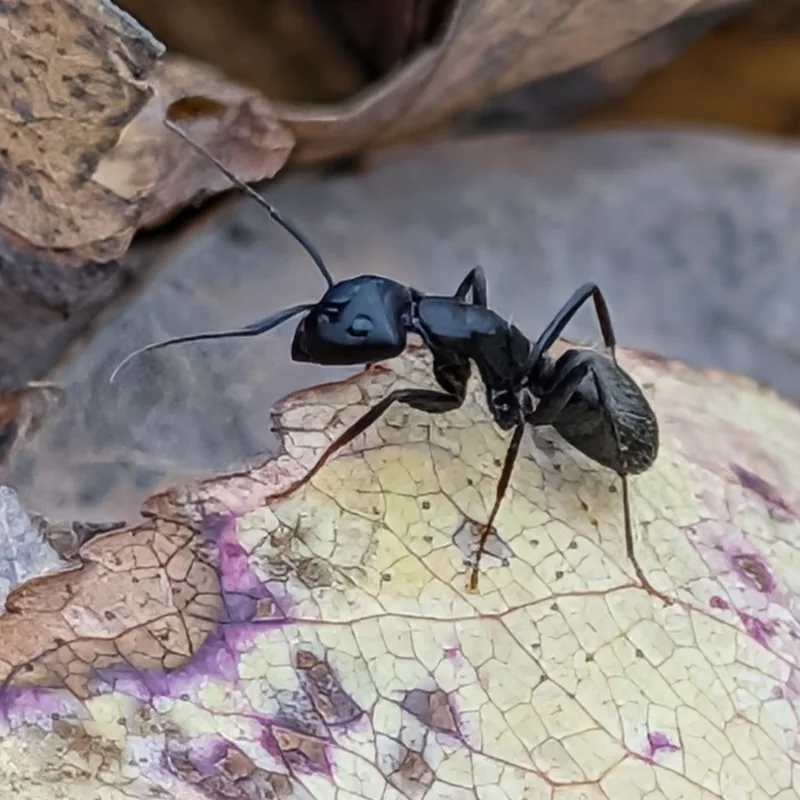
Carpenter Ant
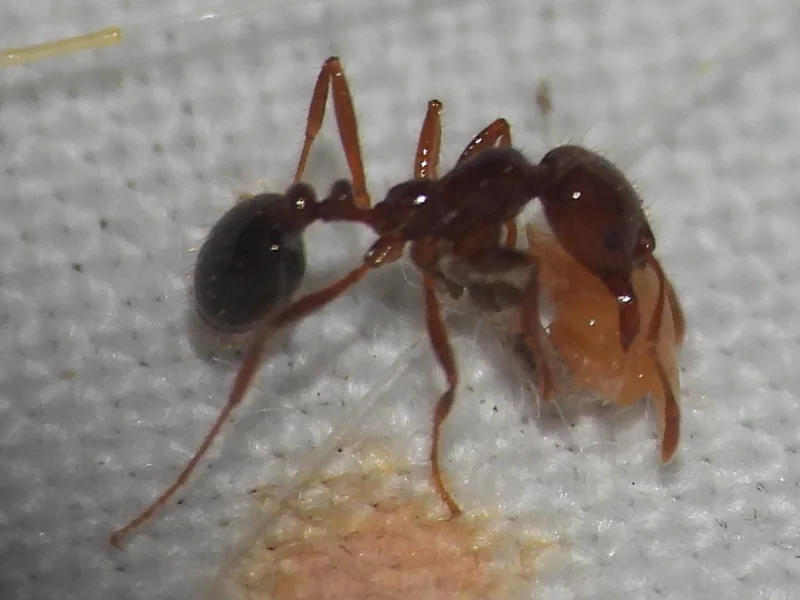
Fire Ant
Side-by-Side Comparison Table
| Trait | Carpenter Ant | Fire Ant |
|---|---|---|
| Scientific Group | Camponotus | Solenopsis invicta |
| Category | Insect | Insect |
| Typical Size | 6–16 mm | 2–6 mm |
| Danger Level | Structural | Medically Significant |
| Bites or Stings? | Yes | Yes |
| Peak US Months | April, May, June, July | January, March, April, May |
| Key ID Trait | Large black, red-and-black, or brown ant with a smoothly rounded thorax profile | Reddish-brown head and thorax with a darker shiny brown-black abdomen |
Carpenter Ant vs. Fire Ant: True Size Comparison
Side-by-Side Anatomy Blueprint
Compare body segments, antennae, leg count, and key markings directly before treating or removing either species.
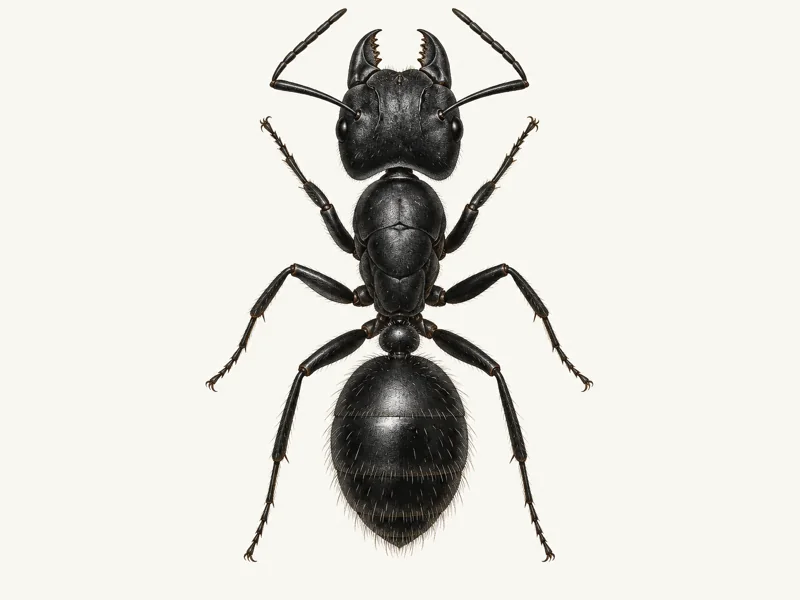
- Elbowed antennae: Sharply bent antennae on a broad heart-shaped black head (straight in termites).
- Rounded black thorax: Evenly arched wingless thorax without spines; workers vary widely in size (6–13 mm).
- Single waist node: EXACTLY ONE distinct small node (petiole) pinching the narrow waist.
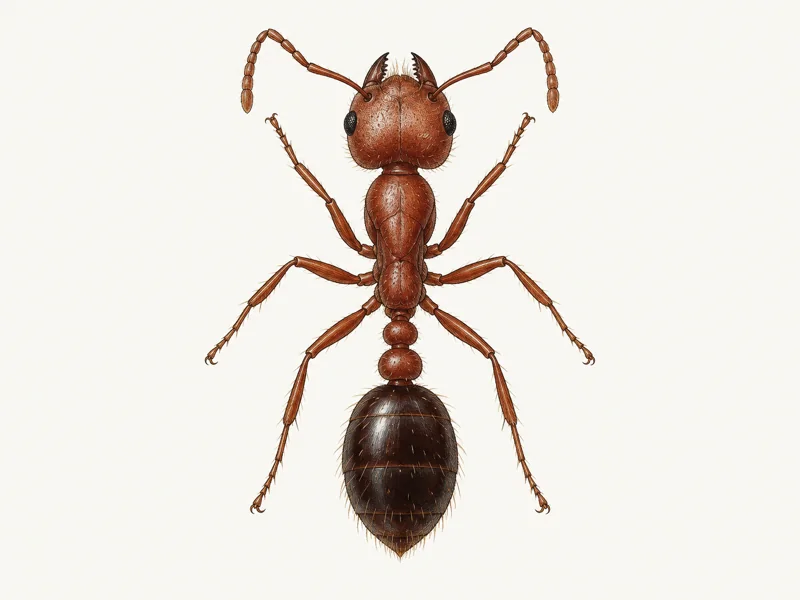
- Elbowed antennae: Sharply bent (elbowed) antennae ending in a 2-segmented club—key difference from termites.
- Copper-red thorax: Reddish-brown head and thorax contrasting against the darker abdomen; polymorphic worker sizes.
- Two waist nodes: Two distinct small bead-like segments (petiole + postpetiole) pinching the narrow waist.
Quick ID verdict: Carpenter ants are large (6-16 mm), black, red-and-black, or brown, with a smoothly rounded thorax. Fire ants are small (2-6 mm), with a reddish-brown head and thorax and a darker, shiny brown-black abdomen.
Carpenter Ant vs Fire Ant Identification at a Glance
Getting carpenter ant vs fire ant identification right takes only a few seconds once a homeowner knows what to look for. Size, color pattern, and nest location tell most of the story.
Size, Color, and Body Shape Differences
The clearest difference between carpenter ant and fire ant species is size. Carpenter ants (Camponotus) measure 6-16 mm, so the biggest workers are roughly the length of a pencil eraser or longer. Fire ants (Solenopsis invicta) run just 2-6 mm.
FeatureCarpenter AntFire AntSize6-16 mm2-6 mmColorBlack, red-and-black, or brownReddish-brown head and thorax, darker shiny brown-black abdomenThorax profileSmoothly rounded, evenly archedNot the defining trait: color contrast isMain dangerStructuralMedically significantThat smoothly rounded thorax is the carpenter ant's signature. Viewed from the side, the back curves in one clean arc. Some red-and-black carpenter ants get mistaken for fire ants, but their much larger size settles it.
Nests and Signs of Activity: Wood Damage vs Soil Mounds
Carpenter ants don't eat wood. They excavate galleries in damp or decaying lumber, pushing out piles of sawdust-like debris called frass, often mixed with insect parts. Faint rustling inside walls at night is another clue.
Fire ants build soil mounds in sunny, open areas such as lawns, pastures, and roadsides. The mounds often have no visible entrance hole on top, and they swell after rain. Disturb one and workers pour out within seconds.
Where They Live: State Presence and Seasonal Activity
Carpenter ants occur across the continental US, with especially heavy pressure in the Pacific Northwest, the Northeast, and the Great Lakes region, where moist wood is common. Winged swarmers typically appear in spring. Seeing swarmers indoors in late winter or early spring can point to a nest inside the structure.
Red imported fire ants are concentrated in the South, including:
- Texas, Louisiana, Mississippi, Alabama, Georgia, and Florida
- The Carolinas, Tennessee, Arkansas, and Oklahoma
- Scattered areas of Virginia, New Mexico, and California
Much of this range falls under federal quarantine rules for moving soil, sod, and nursery stock. Fire ants stay active most of the year in warm climates, with mound building peaking after spring and fall rains.
Which Is More Dangerous: Bites, Stings, and Property Damage
For people, fire ants are the bigger hazard. They grip skin with their jaws and sting repeatedly, and a disturbed colony attacks in numbers. Their venom is medically significant, and some people have severe allergic reactions. Anyone with trouble breathing, facial swelling, or widespread hives should call 911. For other questions about stings, contact US Poison Control at 1-800-222-1222 and see a doctor.
Carpenter ants can bite defensively, but they aren't considered a medical threat. Their danger is structural. A mature colony left alone for years can hollow out window frames, sill plates, porch posts, and roof eaves, especially where leaks keep wood wet. So is it a carpenter ant or fire ant problem? The answer determines whether the priority is protecting family members or protecting framing.
Safe IPM Strategies for Each Ant
Integrated Pest Management starts with non-chemical steps. Pesticides come last, and any product used must follow its EPA label exactly.
For carpenter ants:
- Fix roof, plumbing, and gutter leaks that soften wood
- Replace water-damaged or rotting lumber
- Trim branches touching the roofline and siding
- Store firewood off the ground and away from the house
- Seal gaps around utility lines and foundations
For fire ants:
- Avoid disturbing mounds, and teach children to recognize them
- Wear boots and gloves when gardening in infested areas
- Inspect sod, mulch, and potted plants before bringing them home
- Use label-approved baits broadcast in fall or spring, when ants forage actively
Baits work slowly but reach the queen. Pouring gasoline or other improvised chemicals on mounds is dangerous and often illegal, so it's best skipped entirely.
When to Call a Pest Professional
A licensed pro is worth calling when carpenter ants keep appearing indoors, frass piles return after cleanup, or swarmers emerge inside. These signs suggest a hidden nest in the structure that may require inspection behind walls.
For fire ants, professional help makes sense when mounds sit near play areas, entryways, or pet zones, or when anyone in the household has a known sting allergy. Professionals can also handle large properties where DIY baiting isn't practical.
Frequently Asked Questions
What is the main difference between carpenter ants and fire ants?
Carpenter ants are large (6-16 mm), black or reddish-brown with a smooth rounded thorax, and damage wood structures. Fire ants are tiny (2-6 mm), reddish-brown with a darker abdomen, and are medically dangerous due to their stings and venom.
How can I identify carpenter ant vs fire ant infestations by their nests?
Carpenter ants leave piles of sawdust-like debris (frass) in wood and cause rustling sounds at night. Fire ants build visible soil mounds in sunny, open areas like lawns, often with no top entrance hole, and become more active after rain.
Are carpenter ants dangerous to humans?
Carpenter ants can bite defensively but aren't medically dangerous. Their primary threat is structural damage to window frames, sill plates, roof eaves, and other wood, especially in damp areas where wood decays.
What should I do if I get stung by fire ants?
Wash the area with soap and water and apply ice. For severe reactions—facial swelling, difficulty breathing, or widespread hives—call 911 immediately. For other concerns, contact US Poison Control at 1-800-222-1222 and see a doctor.
What are the best ways to prevent carpenter ant and fire ant problems?
For carpenter ants: fix leaks, replace rotting wood, trim branches, and store firewood away from the house. For fire ants: avoid disturbing mounds, wear protective gear when gardening, inspect plants before bringing them home, and use EPA-approved baits in fall or spring.
When should I call a pest professional for carpenter ants or fire ants?
Contact a professional if carpenter ants repeatedly appear indoors, sawdust piles return, or winged swarmers emerge inside—signs of hidden nests. For fire ants, call pros when mounds are near play areas, entryways, or if household members have sting allergies.