Fire Ants in Louisiana: Identification, Season, and Prevention
Quick Answer: Yes, fire ants are common in Louisiana. The red imported fire ant (Solenopsis invicta) has 778 verified GBIF sightings in the state, with the most records in East Baton Rouge, Orleans, Saint Tammany, Calcasieu, and Jefferson parishes and counties. Sightings peak in March, April, and May.
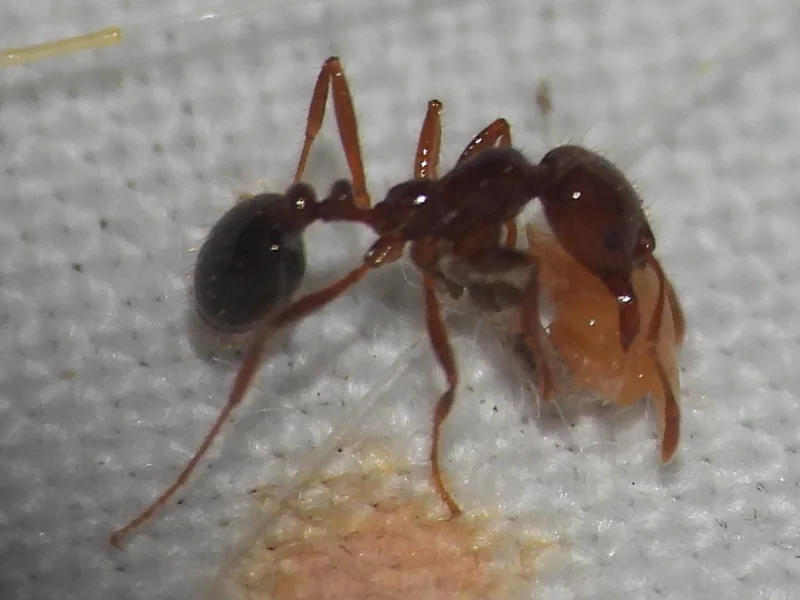
When Fire Ants Are Most Active in Louisiana
Now (November): Lower Outdoor ActivityVerified Louisiana Counties, Species & US Range
Counties with Verified Observations
- East Baton Rouge
- Orleans
- Saint Tammany
- Calcasieu
- Jefferson
- Lafayette
- Evangeline
- Tangipahoa
- Saint Landry
- Lafourche
Species Recorded in Louisiana
| Species | Scientific Name | GBIF Records |
|---|---|---|
| Red imported fire ant | Solenopsis invicta | 778 |
How Louisiana Compares to Neighboring States
Note: Wildlife does not follow state or county lines. GBIF totals reflect verified citizen and museum records, so low counts in a neighboring county do not guarantee absence.
How to Identify Fire Ants
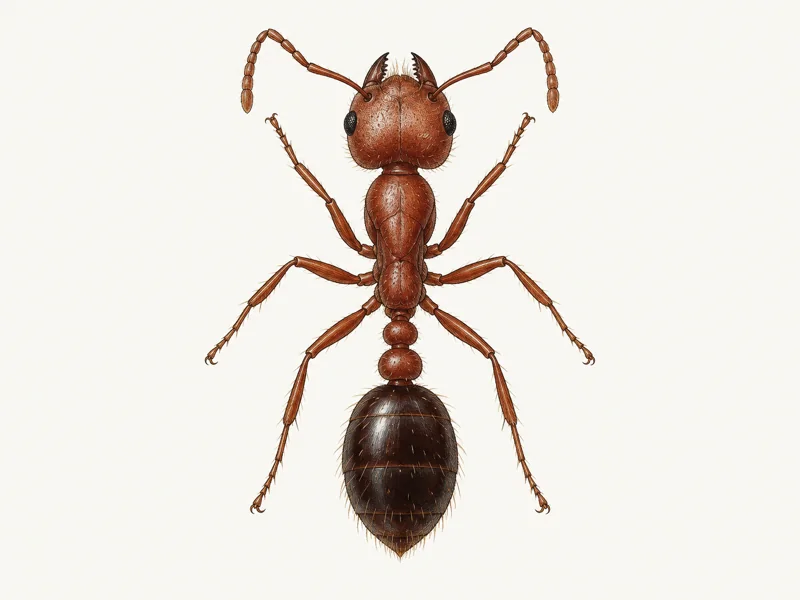
Annotated Anatomy Key (Fire Ant)
- Elbowed antennae: Sharply bent (elbowed) antennae ending in a 2-segmented club—key difference from termites.
- Copper-red thorax: Reddish-brown head and thorax contrasting against the darker abdomen; polymorphic worker sizes.
- Two waist nodes: Two distinct small bead-like segments (petiole + postpetiole) pinching the narrow waist.
- Dark glossy abdomen: Shiny dark brown-black gaster equipped with a painful venomous stinger at the rear tip.
Fire Ants Field Checklist
- Reddish-brown head and thorax with a darker shiny brown-black abdomen
- Workers vary noticeably in size within the same mound (polymorphic)
- Two distinct nodes (petiole segments) between thorax and abdomen
- Builds loose, dome-shaped dirt mounds without a visible central entry hole
Side-by-Side Look-Alike Comparisons
Fire Ants Size at True Relative Scale
Quick Answer: Yes, fire ants are common in Louisiana. The red imported fire ant (Solenopsis invicta) has 778 verified GBIF sightings in the state, with the most records in East Baton Rouge, Orleans, Saint Tammany, Calcasieu, and Jefferson parishes and counties. Sightings peak in March, April, and May.
Where Fire Ants Live in Louisiana
People often ask, "are there fire ants in Louisiana?" The answer is a firm yes. Louisiana's humid subtropical climate, with very wet, hot summers and mild, frost-light winters (USDA zones 8a to 10a), suits this species well.
GBIF occurrence records place the heaviest reporting around Baton Rouge, New Orleans, the Northshore, Lake Charles, and Jefferson. Reports cluster where more people live, so low counts elsewhere may reflect fewer observers rather than fewer ants.
Typical nesting sites
- Sunny lawns, pastures, and roadsides
- Soil near sidewalks, slabs, and foundations
- Around water meters, irrigation heads, and air conditioner pads
- Moist soil after heavy rain, where mounds appear quickly
- Occasionally inside wall voids or electrical boxes during floods or dry spells
When Fire Ants Are Most Active in Louisiana
The Louisiana fire ant season is longest in the south, but recorded sightings peak in March, April, and May. Warming soil and spring rain push colonies to expand and build visible mounds.
Activity continues through the hot, wet summer and often resumes on mild winter days, since hard freezes are brief. After flooding, colonies may raft together on floodwater, so use caution when wading through standing water.
Louisiana fire ant identification
Workers are reddish-brown and vary in size within one colony, roughly 1/16 to 1/4 inch. Mounds are loose, dome-shaped piles of soil with no obvious central opening. Disturb a mound and ants swarm out quickly and sting repeatedly.
- Reddish-brown body, often with a darker abdomen
- Two-segmented waist (pedicel) and a 10-segmented antenna ending in a two-segmented club
- Aggressive, fast response when a mound is disturbed
- Stings that cause a burning sensation, followed by a white pustule in many people
Look-Alikes Frequently Mistaken for Fire Ants
Two common Louisiana ants are often confused with fire ants. Checking behavior and nest type usually settles it.
Carpenter ants
Carpenter ants are larger, often black or part red, and have a single node at the waist and an evenly rounded thorax. They nest in damp or decayed wood rather than building soil mounds. Look for sawdust-like frass near wood.
Sugar ants (odorous house ants)
Odorous house ants are small, brown to blackish, and form long trails to sweets and moisture indoors. They emit a rotten-coconut smell when crushed. They do not build large mounds and are not aggressive stingers.
How to Keep Fire Ants Out of Your Louisiana Home
For anyone asking how to prevent fire ants in Louisiana, start with non-chemical steps. No method makes a yard fully immune, but these habits reduce problems.
- Moisture control: Fix leaking spigots, direct downspouts away from the foundation, and avoid overwatering.
- Exclusion: Seal gaps around pipes, utility lines, doors, and foundation cracks. Replace damaged weatherstripping.
- Sanitation: Store pet food in sealed containers, clean up food scraps, and keep trash cans closed.
- Yard care: Keep mulch thin near the foundation and trim vegetation touching the house.
- Early action: Treat new mounds in spring before colonies grow.
If you use a bait or mound treatment, choose a product labeled for fire ants and follow the EPA-approved label exactly. University cooperative extension IPM guidance generally recommends baits, often combined with individual mound treatments, and keeping products away from water and food areas.
When to call a licensed Louisiana pest professional
- Many mounds keep returning after label-directed treatment
- Ants are nesting inside walls, electrical equipment, or HVAC units
- Children, pets, or allergic family members are regularly stung
- Large infestations in play areas, schools, or care facilities
- You cannot confidently identify the ant
Stings and safety
Fire ant stings can be medically significant, especially for people with allergies. Move away from the mound and brush ants off quickly. For serious symptoms such as trouble breathing, swelling beyond the sting area, dizziness, or many stings, seek emergency care. For poisoning or sting questions, contact US Poison Control at 1-800-222-1222 and talk with a doctor. This guide does not offer medical diagnosis or home venom remedies.
IPM Prevention Checklist for Louisiana Homes
- Seal foundation gaps and utility conduits
- Inspect potted plants and mulch before bringing onto property
- Avoid stepping or kneeling near loose sandy lawn mounds
 EXCLUSION BLUEPRINT
Inspect eaves, screens, door sweeps, foundation cracks, and utility penetrations around Louisiana homes before peak season.
Fire Ants in Louisiana: Frequently Asked Questions
Are fire ants native to Louisiana?
No. The red imported fire ant (Solenopsis invicta) is an introduced species from South America. It is now common across Louisiana.
What time of year are fire ants worst in Louisiana?
GBIF sightings peak in March, April, and May. Activity stays high through the wet summer and can continue during mild winter weather.
Does heavy rain get rid of fire ants?
No. Rain and flooding often push colonies to new spots, and ants can float together on water. Mounds frequently reappear soon after soil drains.
Should I treat fire ant mounds myself?
Many homeowners can handle small problems with sanitation, moisture control, and a fire ant product used exactly as the EPA label directs. Call a licensed professional for persistent, indoor, or high-risk infestations.
Sources & Verification
- Texas A&M AgriLife — Imported Fire Ants
- UF/IFAS Extension — Red Imported Fire Ant
- USDA APHIS Imported Fire Ant Quarantine
Data refreshed · Editorial & GBIF Methodology