Mosquitoes in Montana: Species, Seasons, and Prevention Guide
Quick Answer: Yes, mosquitoes in Montana are common, with 20,448 verified GBIF sightings statewide. Activity peaks in July and August, and the most frequently recorded species are the Vexans Mosquito (Aedes vexans), Culex tarsalis, and the Ghost mosquito (Aedes dorsalis). Draining standing water and sealing entry points are the best first steps.
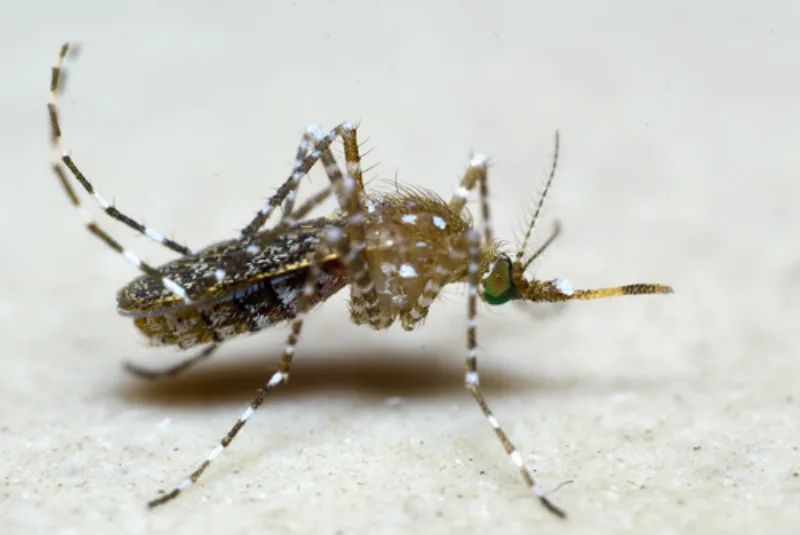
When Mosquitoes Are Most Active in Montana
Now (November): Lower Outdoor ActivityVerified Montana Counties, Species & US Range
Counties with Verified Observations
- Valley
- Missoula
- Ravalli
- Deer Lodge
- Meagher
- Yellowstone
Species Recorded in Montana
| Species | Scientific Name | GBIF Records |
|---|---|---|
| Vexans Mosquito | Aedes vexans | 3,089 |
| Culex tarsalis | Culex tarsalis | 3,007 |
| Ghost mosquito | Aedes dorsalis | 2,226 |
How Montana Compares to Neighboring States
Note: Wildlife does not follow state or county lines. GBIF totals reflect verified citizen and museum records, so low counts in a neighboring county do not guarantee absence.
How to Identify Mosquitoes
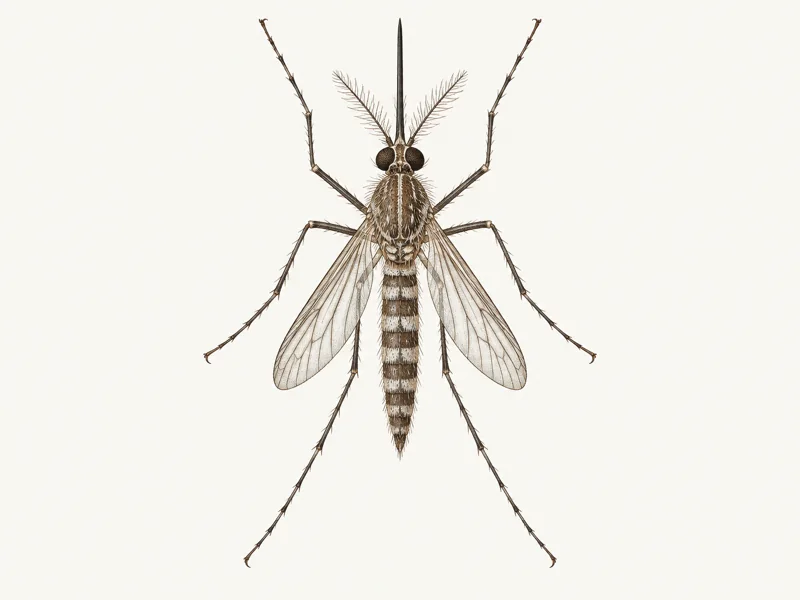
Annotated Anatomy Key (Mosquito)
- Needle proboscis: Long straight piercing-sucking mouthpart projecting straight ahead (only females bite).
- Narrow scaled wings: Single pair of delicate translucent veined wings edged with microscopic fringe scales.
- Six long spindly legs: Three pairs of delicate trailing legs (marked with crisp white bands on Aedes tiger species).
- Slender banded abdomen: Narrow segmented abdomen extending behind the humped thorax; breeds in standing water.
Mosquitoes Field Checklist
- Slender, fragile fly with long spindly legs and a single pair of scaly wings
- Elongated needle-like proboscis used by females for blood meals
- Distinctive high-pitched whine in flight
- Some species (Aedes) display bold black-and-white stripes on legs and thorax
Side-by-Side Look-Alike Comparisons
Mosquitoes Size at True Relative Scale
Quick Answer: Yes, mosquitoes in Montana are common, with 20,448 verified GBIF sightings statewide. Activity peaks in July and August, and the most frequently recorded species are the Vexans Mosquito (Aedes vexans), Culex tarsalis, and the Ghost mosquito (Aedes dorsalis). Draining standing water and sealing entry points are the best first steps.
Where Mosquitoes Live in Montana
Montana's semi-arid plains and cold alpine mountains might seem like poor mosquito habitat, but snowmelt, irrigation, and river floodplains create plenty of breeding water. Records cluster in Valley, Missoula, Ravalli, Deer Lodge, and Meagher counties. Female mosquitoes lay eggs in still or slow water, and larvae develop there before emerging as biting adults.
The three recorded species use different habitats:
- Vexans Mosquito (Aedes vexans): A floodwater species that hatches in large numbers after rain, irrigation, or river overflow in meadows and pastures.
- **Culex tarsalis:** Breeds in irrigated fields, ditches, ponds, and neglected water sources. It is active mostly from dusk to dawn.
- Ghost mosquito (Aedes dorsalis): Associated with temporary pools and wet areas that dry and refill.
Around homes, the usual sources are birdbaths, clogged gutters, buckets, old tires, stock tanks, and poorly drained yard corners.
When Mosquitoes Are Most Active in Montana
Montana mosquito season follows its short, warm summers. Records peak in July and August, when warm temperatures speed larval development and irrigation keeps water available. Activity usually begins after spring snowmelt and fades with the first hard frosts of fall.
Cold nights slow development at higher elevations, so mountain valleys often see a later and shorter season than lower river valleys. Pulses of new adults often follow heavy rain, flooding, or irrigation of pastures. Many mosquitoes feed most at dawn and dusk, though some floodwater species will bite during the day in shade.
Some mosquitoes, including Culex tarsalis, can carry viruses that affect people and animals. This guide is not medical advice. If you have concerns about bites or symptoms, contact a doctor, or call US Poison Control at 1-800-222-1222.
Look-Alikes Frequently Mistaken for Mosquitoes
Several small flies get mistaken for mosquitoes, especially indoors. For Montana mosquito identification, look for a slender body, long legs, and a needle-like mouthpart (proboscis) on the female. Mosquitoes also hold narrow, scaled wings flat over the body.
- Fungus gnats: Small, dark, weak fliers found around overwatered houseplants and damp soil. They do not bite.
- Drain flies (moth flies): Fuzzy, moth-shaped flies with rounded wings that breed in the film inside drains. They do not bite.
- Fruit flies: Tan-bodied, often red-eyed flies drawn to ripe produce and fermenting residue. They do not bite.
If the insects hover near plants, sinks, or fruit bowls and nobody is getting bitten, a look-alike is the likely culprit.
How to Keep Mosquitoes Out of Your Montana Home
For anyone asking how to prevent mosquitoes in Montana, start with non-chemical Integrated Pest Management (IPM). Removing breeding water does more than any spray.
Reduce Breeding Sites
- Empty or flip buckets, toys, planters, and tarps weekly.
- Change birdbath and pet water every few days.
- Clean gutters and fix irrigation leaks and low spots that hold water.
- Stock ornamental ponds with moving water or fish, and aerate them.
- Trim tall weeds and dense shrubs where adults rest.
Exclude and Protect
- Repair torn window and door screens and seal gaps around frames.
- Use fans on patios, since mosquitoes are weak fliers.
- Wear long sleeves at dawn and dusk, and use repellents according to the EPA-registered label.
Larvicides and Chemical Options
If standing water cannot be removed, products containing Bti (Bacillus thuringiensis israelensis) can treat it. Always follow the EPA product label for use, rates, and safety, and keep products away from fish ponds and drinking water unless the label allows it.
When to Call a Licensed Montana Pest Professional
- Mosquitoes remain heavy after you have removed nearby standing water.
- Your property borders wetlands, irrigated fields, or a floodplain that you cannot manage yourself.
- Breeding sources are on shared or hard-to-reach areas, such as large ponds or drainage ditches.
- You need a larger-scale treatment plan for a farm, ranch, or event space.
Local mosquito or vector control districts may also offer surveillance and guidance in your area.
IPM Prevention Checklist for Montana Homes
- Tip and toss any standing water container once per week
- Keep window and patio door screens intact with no gaps
- Use EPA-registered repellents (DEET, picaridin, IR3535, oil of lemon eucalyptus) per label
 EXCLUSION BLUEPRINT
Inspect eaves, screens, door sweeps, foundation cracks, and utility penetrations around Montana homes before peak season.
Mosquitoes in Montana: Frequently Asked Questions
Are there mosquitoes in Montana?
Yes. GBIF records show 20,448 verified mosquito sightings in Montana, and the insects are considered common, especially near water and irrigated land.
What is the peak month for mosquitoes in Montana?
July and August are the peak months in the records. Activity usually starts after snowmelt and drops off as fall frosts arrive.
Which mosquito species are recorded in Montana?
Commonly recorded species include the Vexans Mosquito (Aedes vexans), Culex tarsalis, and the Ghost mosquito (Aedes dorsalis).
Are the small flies in my kitchen or drains mosquitoes?
Probably not. Fungus gnats, drain flies, and fruit flies are the usual look-alikes indoors, and none of them bite. Remove their moisture or food source to stop them.
Sources & Verification
Data refreshed · Editorial & GBIF Methodology