Mosquitoes in North Carolina: Species, Seasons, and Prevention
Quick Answer: Mosquitoes in North Carolina are present statewide, but GBIF lists only 4 verified occurrence records, so the status is rare in that dataset. Those records, centered on Swain, Anson, and Wake counties, peak in May. Recorded species include Anopheles punctipennis, Anopheles quadrimaculatus, and Culex restuans.
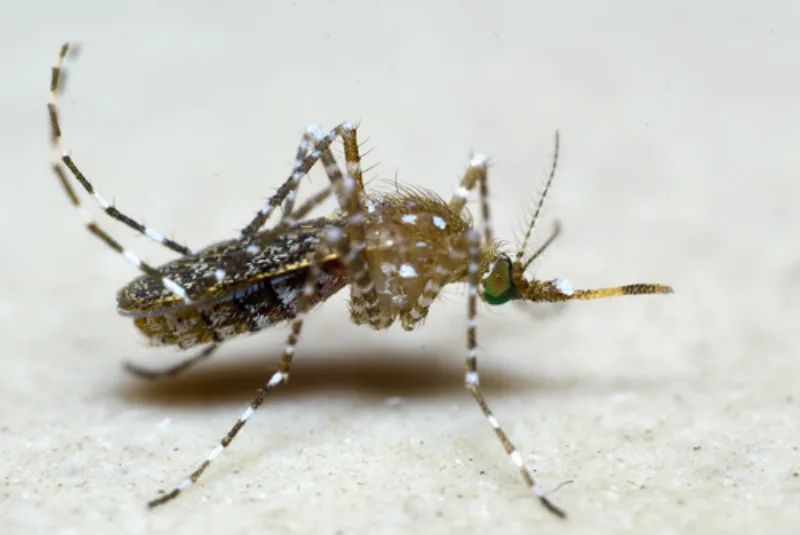
When Mosquitoes Are Most Active in North Carolina
Now (November): Lower Outdoor ActivityVerified North Carolina Counties, Species & US Range
Counties with Verified Observations
- Swain
- Anson
- Wake
Species Recorded in North Carolina
| Species | Scientific Name | GBIF Records |
|---|---|---|
| Woodland Malaria Mosquito | Anopheles punctipennis | 2 |
| common malaria mosquito | Anopheles quadrimaculatus | 1 |
| Culex restuans | Culex restuans | 1 |
How North Carolina Compares to Neighboring States
Note: Wildlife does not follow state or county lines. GBIF totals reflect verified citizen and museum records, so low counts in a neighboring county do not guarantee absence.
How to Identify Mosquitoes
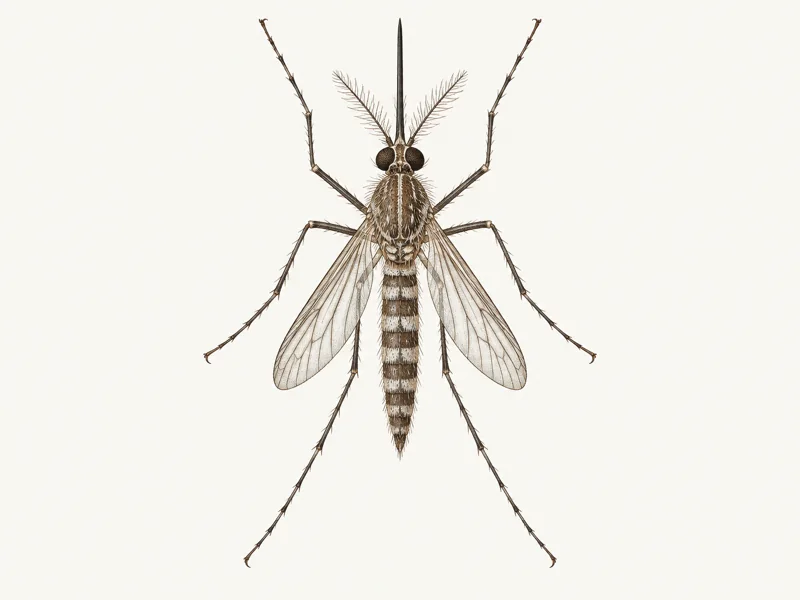
Annotated Anatomy Key (Mosquito)
- Needle proboscis: Long straight piercing-sucking mouthpart projecting straight ahead (only females bite).
- Narrow scaled wings: Single pair of delicate translucent veined wings edged with microscopic fringe scales.
- Six long spindly legs: Three pairs of delicate trailing legs (marked with crisp white bands on Aedes tiger species).
- Slender banded abdomen: Narrow segmented abdomen extending behind the humped thorax; breeds in standing water.
Mosquitoes Field Checklist
- Slender, fragile fly with long spindly legs and a single pair of scaly wings
- Elongated needle-like proboscis used by females for blood meals
- Distinctive high-pitched whine in flight
- Some species (Aedes) display bold black-and-white stripes on legs and thorax
Side-by-Side Look-Alike Comparisons
Mosquitoes Size at True Relative Scale
Where Mosquitoes Live in North Carolina
Anyone asking "are there mosquitoes in North Carolina" can answer yes. The state is humid subtropical across the coastal plain and piedmont, with cooler conditions in the Blue Ridge mountains (USDA zones 6a-8b). Warm, wet conditions suit mosquito larvae, which need standing water to develop.
The few GBIF records are a reflection of how few specimens get reported, not a measure of how many mosquitoes actually live here. Verified sightings come from three counties:
- Swain County in the western mountains
- Anson County in the south-central piedmont
- Wake County in the central piedmont
Species Recorded in the State
The woodland malaria mosquito (Anopheles punctipennis) and the common malaria mosquito (Anopheles quadrimaculatus) are both recorded. Culex restuans is the third. Anopheles larvae typically develop in clean, still water such as shaded pools and pond edges, while Culex often use stagnant, nutrient-rich water in containers, ditches, and clogged gutters.
For basic North Carolina mosquito identification, Anopheles adults often rest with the abdomen tilted upward from the surface. Culex adults tend to rest with the body parallel to it. Species-level identification usually requires a magnifier or an expert.
When Mosquitoes Are Most Active in North Carolina
GBIF records for the state peak in May, when warming temperatures and spring rain start larval development. The North Carolina mosquito season generally runs from spring through early fall in the piedmont and coastal plain. In the mountains, cooler nights shorten it.
Activity rises after heavy rain and warm spells. Many mosquitoes feed at dawn and dusk, and shaded yards can be active during the day.
Some mosquitoes can carry disease-causing agents, so they are considered medically significant. This article is general information, not medical advice. If you have a concerning bite reaction or symptoms after bites, contact a doctor. For urgent questions, call US Poison Control at 1-800-222-1222.
Look-Alikes Frequently Mistaken for Mosquitoes
Several small flies in North Carolina homes get mistaken for mosquitoes. None of them bite people.
- Fungus gnats: Small, dark, and weak-flying, usually hovering around overwatered houseplants and damp potting soil.
- Drain flies (moth flies): Fuzzy, moth-shaped wings, often found near sink and shower drains.
- Fruit flies: Tan to brown, with a habit of gathering around ripe produce, trash, and recycling bins.
A true mosquito has a long, slender proboscis, narrow scaled wings, and long legs. If the insect is near a drain, plant, or fruit bowl, it is probably one of the look-alikes.
How to Keep Mosquitoes Out of Your North Carolina Home
For anyone wondering how to prevent mosquitoes in North Carolina, the best approach is eliminating breeding water and blocking entry. Start with these non-chemical steps, based on general guidance from US university cooperative extension IPM programs:
- Empty standing water weekly from buckets, saucers, tarps, toys, and tires.
- Clean gutters and fix downspouts so water drains.
- Change birdbath water every few days and keep ornamental ponds circulating.
- Repair window and door screens and seal gaps around frames.
- Trim dense vegetation and mow regularly to cut down on resting spots.
- Use fans on patios, since mosquitoes are weak fliers.
Repellents and Treatments
Choose an EPA-registered repellent for skin, and follow the label directions. Larvicides containing Bti may suit water that cannot be drained, but use any product exactly as the EPA-approved label directs.
When to Call a Licensed Pest Professional
Call a licensed North Carolina pest professional if:
- Mosquitoes remain heavy after you remove standing water.
- You cannot find or reach the breeding source, such as a neighboring property, a wet crawl space, or a large pond.
- Biting continues indoors despite sound screens.
- You need help with a persistent problem on a large property.
IPM Prevention Checklist for North Carolina Homes
- Tip and toss any standing water container once per week
- Keep window and patio door screens intact with no gaps
- Use EPA-registered repellents (DEET, picaridin, IR3535, oil of lemon eucalyptus) per label
 EXCLUSION BLUEPRINT
Inspect eaves, screens, door sweeps, foundation cracks, and utility penetrations around North Carolina homes before peak season.
Mosquitoes in North Carolina: Frequently Asked Questions
Are there mosquitoes in North Carolina?
Yes. They occur across the state's humid coastal plain, piedmont, and mountain areas. GBIF lists only 4 verified records, which classifies them as rare in that dataset.
What mosquito species have been recorded in North Carolina?
GBIF records include Anopheles punctipennis, Anopheles quadrimaculatus, and Culex restuans. Records come mainly from Swain, Anson, and Wake counties.
When is mosquito season in North Carolina?
Verified records peak in May. Activity generally continues through early fall in warmer regions and is shorter in the mountains.
Are mosquito bites in North Carolina dangerous?
Mosquitoes can be medically significant because some carry pathogens. See a doctor for concerning symptoms, and call US Poison Control at 1-800-222-1222 with urgent questions.
Sources & Verification
Data refreshed · Editorial & GBIF Methodology