Chiggers in Louisiana: Identification, Season, and Prevention
Quick Answer: Yes, chiggers are present in Louisiana. GBIF records include 16 verified sightings, with Saint Helena Parish area records leading the list and the species Eutrombicula alfreddugesi documented. They are a nuisance pest, not a danger, and the larvae are the only biting stage.
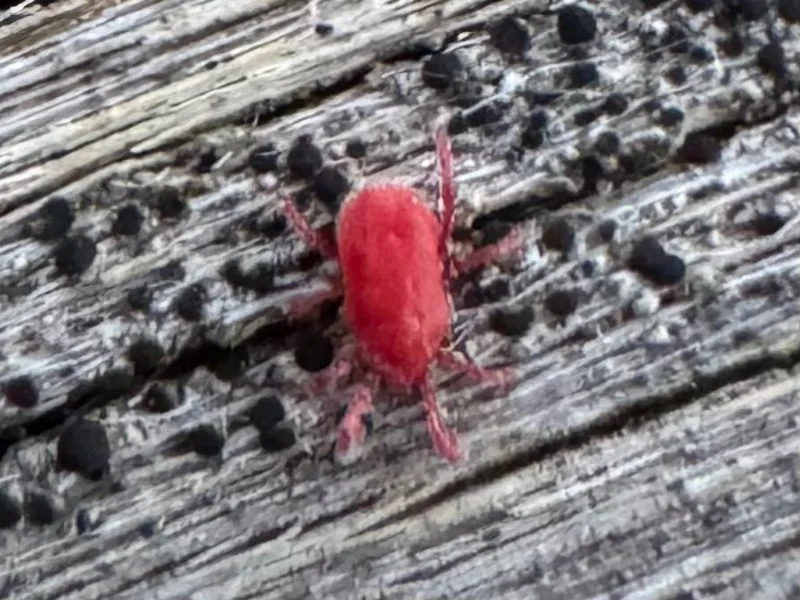
When Chiggers Are Most Active in Louisiana
Now (November): Lower Outdoor ActivityVerified Louisiana Counties, Species & US Range
Counties with Verified Observations
- Saint Helena
Species Recorded in Louisiana
| Species | Scientific Name | GBIF Records |
|---|---|---|
| Eutrombicula alfreddugesi | Eutrombicula alfreddugesi | 16 |
How Louisiana Compares to Neighboring States
Note: Wildlife does not follow state or county lines. GBIF totals reflect verified citizen and museum records, so low counts in a neighboring county do not guarantee absence.
How to Identify Chiggers
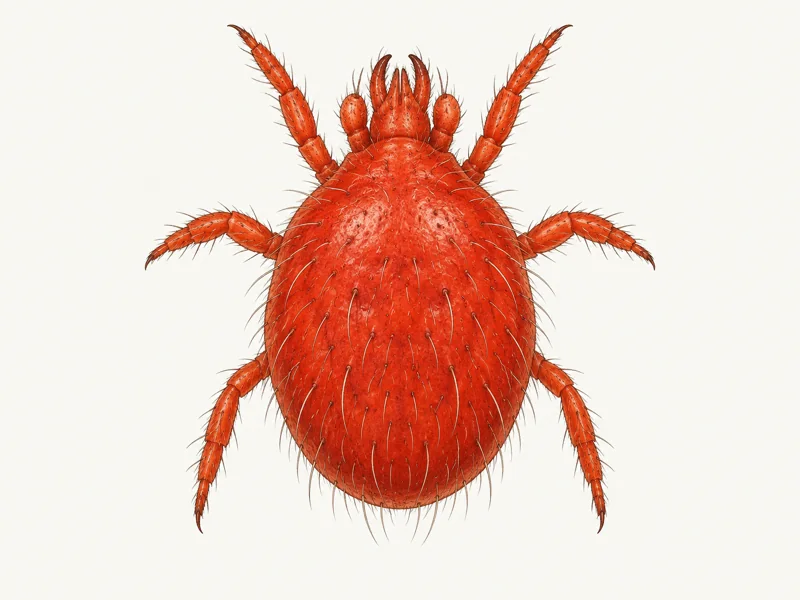
Annotated Anatomy Key (Chigger)
- Microscopic mouthparts: Tiny chelicerae inject digestive saliva into skin pores—chiggers do NOT burrow inside.
- Scarlet bristled body: Microscopic (<0.4 mm) bright crimson-red oval larva dusted in fine sensory setae.
- Six larval legs: Biting parasitic chigger larvae have STRICTLY 6 legs (adults are harmless 8-legged mites).
- Tall-grass hitchhiker: Waits on humid brush and tall grass tips; attaches near tight sock and waist bands.
Chiggers Field Checklist
- Microscopic bright-red six-legged mite larvae barely visible to the naked eye
- Do NOT burrow into skin; inject salivary enzymes that cause intensely itchy red welts
- Welts cluster under tight clothing bands (socks, waistbands, bra straps)
- Adults are harmless predatory soil mites
Side-by-Side Look-Alike Comparisons
Chiggers Size at True Relative Scale
Quick Answer: Yes, chiggers are present in Louisiana. GBIF records include 16 verified sightings, with Saint Helena Parish area records leading the list and the species Eutrombicula alfreddugesi documented. They are a nuisance pest, not a danger, and the larvae are the only biting stage.
Where Chiggers Live in Louisiana
Chiggers belong to the mite family Trombiculidae. Only the tiny larvae feed on animals, and they cluster on low vegetation, leaf litter, and shaded soil where hosts pass by. Louisiana's humid subtropical climate (USDA zones 8a-10a), with wet, hot summers and mild winters, suits them well.
The recorded Louisiana species, Eutrombicula alfreddugesi, is a widespread North American chigger. Typical habitats include:
- Tall grass and weedy field edges
- Brushy woodland margins and thickets
- Damp, shaded areas along streams and bayous
- Overgrown lots, fence lines, and unmowed yards
Most records are rural or semi-rural, which fits the pest's preference for undisturbed vegetation. Neatly kept, sunny lawns rarely hold large numbers.
When Chiggers Are Most Active in Louisiana
GBIF sightings peak in May, which lines up with warming soil and rising humidity. Anyone asking about Louisiana chigger season should expect activity to begin in spring and continue through the warm months into fall. Mild winters may let some activity linger longer than in northern states, though cold snaps slow it.
Larvae are most active on warm, humid days. Hot, dry midday conditions push them deeper into shade and soil.
Louisiana Chigger Identification
Chigger larvae measure about 1/150 inch, so they are nearly invisible without magnification. People usually notice the itchy red welts that appear hours after exposure, often around ankles, waistbands, sock lines, and behind the knees. The itch typically peaks within a day or two. Because the mites are so small, identification usually rests on where and when the exposure happened.
Chiggers in the U.S. do not burrow into skin or carry disease the way ticks can. If itching is severe, a wound looks infected, or you have concerns about symptoms, contact a doctor or pharmacist. For a severe reaction, call US Poison Control at 1-800-222-1222.
Look-Alikes Frequently Mistaken for Chiggers
Several Louisiana pests cause itchy bites that get blamed on chiggers. Location and bite pattern help tell them apart.
- Ticks: Much larger, attach and stay for days, and are visible to the naked eye. Remove them promptly and see a doctor if illness symptoms follow.
- Fleas: Cause clusters of itchy bites on ankles and lower legs, often tied to pets or infested yards.
- Bed bugs: Bite exposed skin at night, often in lines or groups, and leave dark spots or shed skins on bedding.
A useful rule: bites picked up after outdoor time in brush point toward chiggers, while bites that keep appearing indoors suggest fleas or bed bugs.
How to Keep Chiggers Out of Your Louisiana Home
People often ask how to prevent chiggers in Louisiana. Chiggers live outdoors and do not infest houses, so prevention is mostly about the yard and your clothing. Start with non-chemical steps:
- Mow regularly and trim shrubs, weeds, and brush to let sun and air dry out the soil.
- Clear leaf litter, tall grass, and debris along fences and wooded edges.
- Fix drainage problems and reduce standing moisture and shade near play areas.
- Wear long pants tucked into socks and closed shoes when working in brushy areas.
- Shower with soap soon after outdoor work and wash clothes in hot water.
- Limit wildlife attractants such as unsecured trash and pet food outdoors.
Repellents may help on skin and clothing. Choose an EPA-registered product and follow the label. If you use a yard treatment, apply it only as the EPA label directs, and treat it as a supplement to habitat changes.
When to Call a Licensed Louisiana Pest Professional
- Bites continue after you have mowed, cleared vegetation, and changed clothing habits.
- You cannot tell whether the culprit is chiggers, fleas, or bed bugs.
- You find fleas on pets or signs of bed bugs indoors.
- Large, overgrown, or wet properties need more than routine maintenance.
Hire a pest control company licensed in Louisiana, and ask for an inspection and an IPM-based plan before any treatment.
IPM Prevention Checklist for Louisiana Homes
- Wear long pants tucked into socks when walking through tall brush or overgrown fields
- Shower with warm soapy water immediately after outdoor exposure to wash off crawling larvae
- Wash outdoor clothes in hot water and apply EPA-registered repellents per label
 EXCLUSION BLUEPRINT
Inspect eaves, screens, door sweeps, foundation cracks, and utility penetrations around Louisiana homes before peak season.
Chiggers in Louisiana: Frequently Asked Questions
Are there chiggers in Louisiana?
Yes. GBIF has 16 verified Louisiana records of chiggers (Trombiculidae), including Eutrombicula alfreddugesi. They are considered a nuisance pest.
When is chigger season in Louisiana?
Recorded sightings peak in May. Activity generally runs from spring through fall, favoring warm, humid weather.
Do chiggers burrow under the skin?
No. Larvae attach to the skin surface and feed briefly, then drop off. The itching comes from the reaction to their feeding.
Can chiggers live inside my house?
Not in any lasting way. They need outdoor vegetation and soil. Indoor bites more likely come from fleas or bed bugs.
Sources & Verification
- Texas A&M AgriLife Extension — Chiggers
- University of Missouri Extension — Chiggers
- GBIF Global Biodiversity Occurrence Records
Data refreshed · Editorial & GBIF Methodology