Chigger vs Flea: How to Tell Which Pest Is Biting You (and What to Do About It)
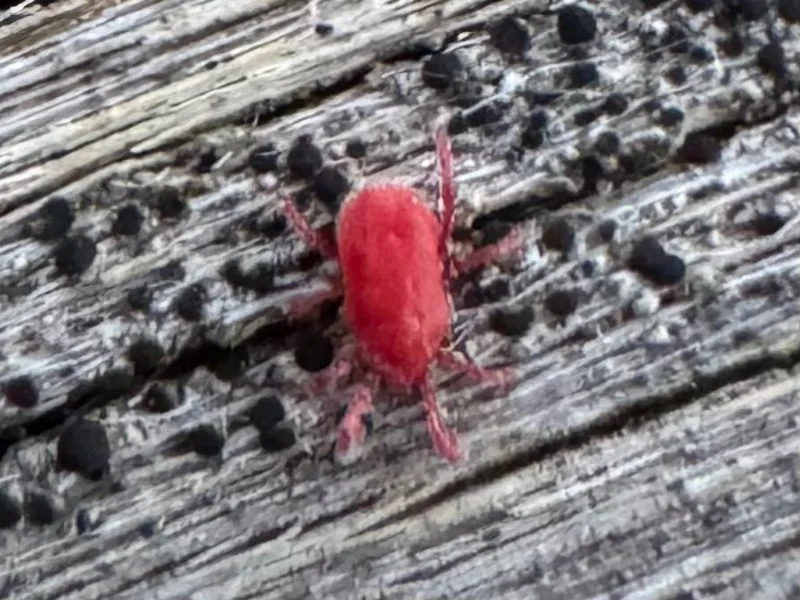
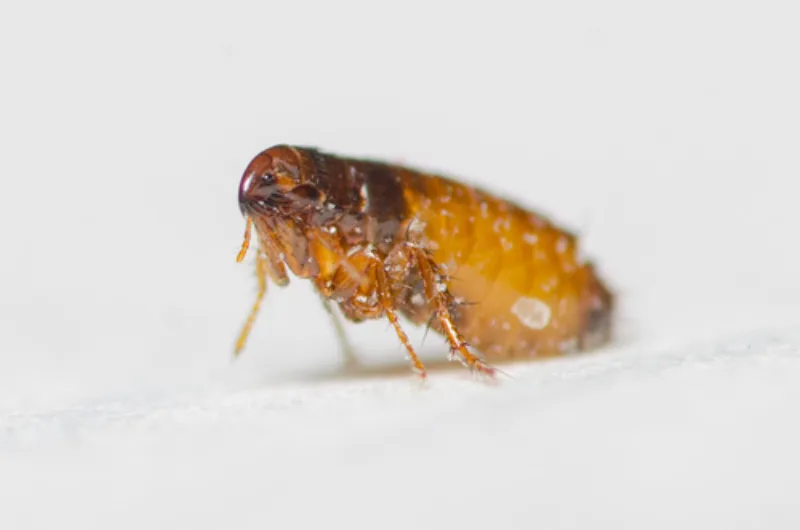
Quick ID Verdict: Itchy red welts after a weekend outdoors can send any homeowner searching for answers. Here's the 3-second verdict: chiggers are microscopic, bright-red, six-legged mite larvae you'll almost never see, while fleas are visible 1–3 mm, dark reddish-brown insects that jump and look flattened side-to-side. If the culprit leaps off a pet or bedding, it's a flea. If you see nothing but bites around your waistband, think chigger. The chigger vs flea question matters because each pest calls for a different control plan.
Chigger
Flea
Side-by-Side Comparison Table
| Trait | Chigger | Flea |
|---|---|---|
| Scientific Group | Trombiculidae | Siphonaptera |
| Category | Arachnid | Insect |
| Typical Size | 0.2–0.5 mm | 1–3 mm |
| Danger Level | Nuisance | Nuisance |
| Bites or Stings? | Yes | Yes |
| Peak US Months | March, April, May, October | June, July, August, September |
| Key ID Trait | Microscopic bright-red six-legged mite larvae barely visible to the naked eye | Tiny, wingless, dark reddish-brown insect compressed side-to-side |
Chigger vs. Flea: True Size Comparison
Side-by-Side Anatomy Blueprint
Compare body segments, antennae, leg count, and key markings directly before treating or removing either species.
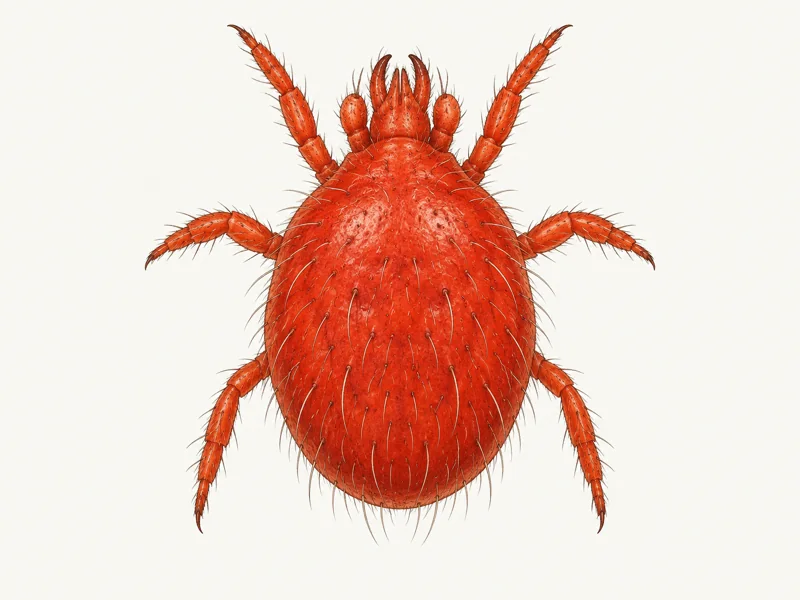
- Microscopic mouthparts: Tiny chelicerae inject digestive saliva into skin pores—chiggers do NOT burrow inside.
- Scarlet bristled body: Microscopic (<0.4 mm) bright crimson-red oval larva dusted in fine sensory setae.
- Six larval legs: Biting parasitic chigger larvae have STRICTLY 6 legs (adults are harmless 8-legged mites).
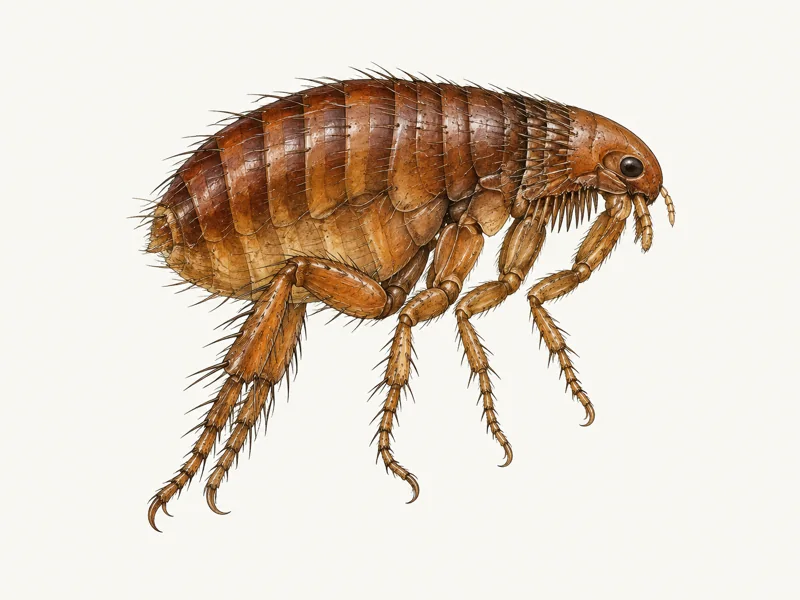
- Flattened armored plates: Laterally compressed wingless 1.5–3 mm glossy mahogany body glides effortlessly through fur.
- Head comb (ctenidia): Tiny eye, tucked antennae, and backward-pointing bristle comb anchor tightly in pet hair.
- Massive hind jumping legs: Powerfully enlarged muscular hind legs launch fleas up to 150× their body length.
Chigger or Flea? Key Differences at a Glance
Deciding between a chigger or flea starts with two clues: whether the pest can be seen, and where the bites show up. The table below sums up the verified basics.
FeatureChiggersFleasGroupTrombiculidae (mites)Siphonaptera (insects)Size0.2–0.5 mm1–3 mmColorBright redDark reddish-brownLegsSix (larval stage)Six, built for jumpingDanger levelNuisanceNuisance
Chigger vs Flea Identification: Size, Color, and Behavior
For chigger vs flea identification, size is the giveaway. Chiggers measure just 0.2–0.5 mm, so they're barely visible to the naked eye. Only the larval stage bites, and those larvae have six legs, while adult chiggers have eight and don't bother people.
Fleas are larger at 1–3 mm and easy to spot on white socks or a pet's belly. They're wingless, dark reddish-brown, and compressed side-to-side, which lets them slip through fur. Their signature move is jumping. Chiggers simply crawl.
Comparing the Bites: Location, Appearance, and Itch
Chigger bites cluster where clothing fits snugly: sock lines, behind the knees, the waistband, and the groin. The itch often peaks a day or two after exposure. Contrary to a popular myth, chiggers don't burrow into skin, so there's nothing left to "smother."
Flea bites usually appear as small red bumps in groups or lines on the ankles and lower legs. They tend to show up soon after contact with infested pets, carpets, or bedding.
Where and When You'll Encounter Each Pest
Chiggers are outdoor pests. They're common across much of the US, especially in the Southeast, South, and Midwest, where they wait in tall grass, brushy edges, berry patches, and damp, shaded spots. Activity generally runs from late spring through early fall and fades after hard frosts.
Fleas follow their hosts. Dogs, cats, raccoons, and opossums carry them into yards and homes, where eggs and larvae develop in carpets, pet bedding, and shaded soil. Outdoors they favor warm, humid months. Indoors, a heated home lets them breed year-round. That's a key difference between chigger and flea problems: chiggers rarely survive indoors, but fleas can establish a full infestation inside.
Health Risks and Bite Relief
Both pests are classified as nuisance biters rather than dangerous ones. Still, intense itching leads to scratching, and broken skin can become infected. Some people also react more strongly than others.
Sensible steps after exposure include:
- Showering and washing skin with soap and water soon after outdoor activity.
- Laundering clothing in hot water.
- Keeping fingernails short to limit scratching damage.
Anyone with spreading redness, swelling, pus, fever, or signs of an allergic reaction should see a doctor. PestAlmanac doesn't offer medical diagnoses. For urgent questions about a bite or a pesticide exposure, call US Poison Control at 1-800-222-1222. Pets with heavy flea loads or skin irritation should be checked by a veterinarian.
Safe IPM Strategies for Prevention and Control
Integrated Pest Management (IPM) puts habitat changes and exclusion ahead of chemicals. It's cheaper, safer for families and pets, and often enough on its own.
For chiggers, the goal is to avoid contact:
- Stay on mowed paths and avoid sitting directly on grass or logs.
- Tuck pants into socks and wear long sleeves in brushy areas.
- Use an EPA-registered repellent on clothing or skin according to its label.
For fleas, the focus is on the host and its environment. Breaking the life cycle (eggs, larvae, pupae, adults) is what ends an infestation.
Treating Your Yard, Home, and Pets
Yard: Keep grass mowed short, trim overgrown edges, and clear brush to let sunlight dry out chigger and flea habitat. Fix drainage problems and seal crawlspace gaps so wildlife can't den under decks or porches.
Home: Vacuum carpets, rugs, and upholstery every day or two during a flea problem, then empty the canister outdoors. Wash pet bedding weekly in hot water. Steam cleaning can help reach flea larvae deep in carpet fibers.
Pets: Talk with a veterinarian about a flea prevention product suited to each animal's species, age, and weight. Never use a dog product on a cat.
If chemical treatment becomes necessary, choose targeted products and follow the EPA label exactly. The label is the law. Spot-treat shaded yard areas instead of blanketing the lawn, and keep children and pets away until treated surfaces dry. For stubborn indoor flea infestations, a licensed pest professional can combine IPM methods with precise, label-compliant applications.
Frequently Asked Questions
What's the main difference between chiggers and fleas?
Chiggers are microscopic 0.2–0.5 mm bright-red mite larvae you barely see, while fleas are larger 1–3 mm dark reddish-brown insects that jump and are visible. Fleas leap from pets; chiggers cluster around tight clothing lines.
How can I tell if I have chigger or flea bites?
Chigger bites cluster where clothing fits tight—waistband, sock lines, knees, groin—with intense itching days later. Flea bites appear as small red bumps on ankles and lower legs soon after contact with infested pets or bedding.
Can chiggers and fleas survive indoors?
Chiggers rarely survive indoors; they're outdoor pests fading after hard frosts. Fleas thrive indoors year-round in heated homes, breeding in carpets, pet bedding, and furniture, making them harder to eradicate.
What's the best way to prevent chigger and flea bites?
Avoid chiggers by staying on mowed paths, tucking pants into socks in brushy areas, and using EPA-registered repellents. Prevent fleas by keeping pets on veterinarian-approved prevention products and maintaining a clean yard and home.
Do chiggers burrow into the skin?
No, chiggers don't burrow into skin—that's a myth. They inject saliva that causes intense itching, but they remain on the skin surface. Keeping fingernails short prevents infection from scratching.
When are chiggers and fleas most active?
Chiggers are active late spring through early fall in the Southeast, South, and Midwest, fading after hard frosts. Fleas peak in warm outdoor months but breed year-round indoors in heated homes.