Bed Bug vs Chigger: How to Tell the Difference and Stop the Itch
Quick ID Verdict: Waking up with a row of itchy red welts raises one urgent question: is it a bed bug or chigger problem? The answer changes everything. One pest may be living in the mattress, while the other likely came home from the backyard and is already gone. This guide covers bed bug vs chigger identification, bite patterns, seasonal activity, and safe IPM steps that work for both.
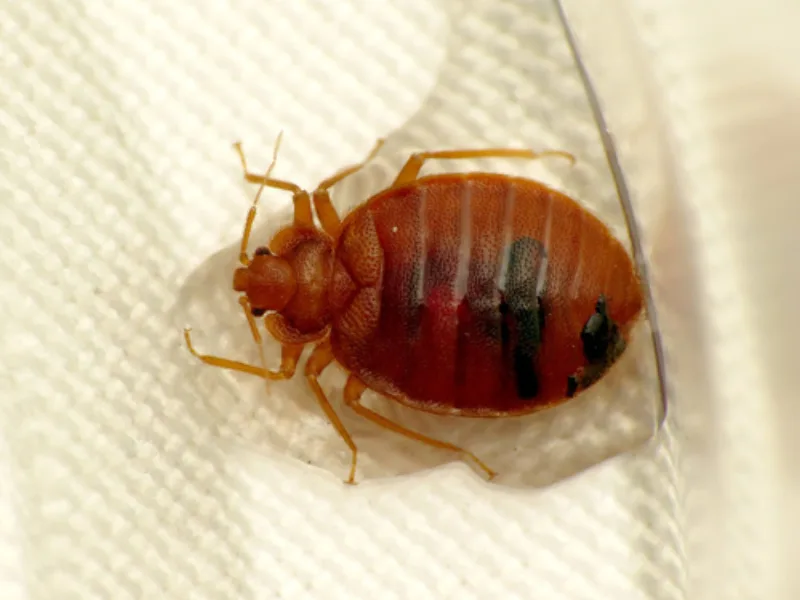
Bed Bug
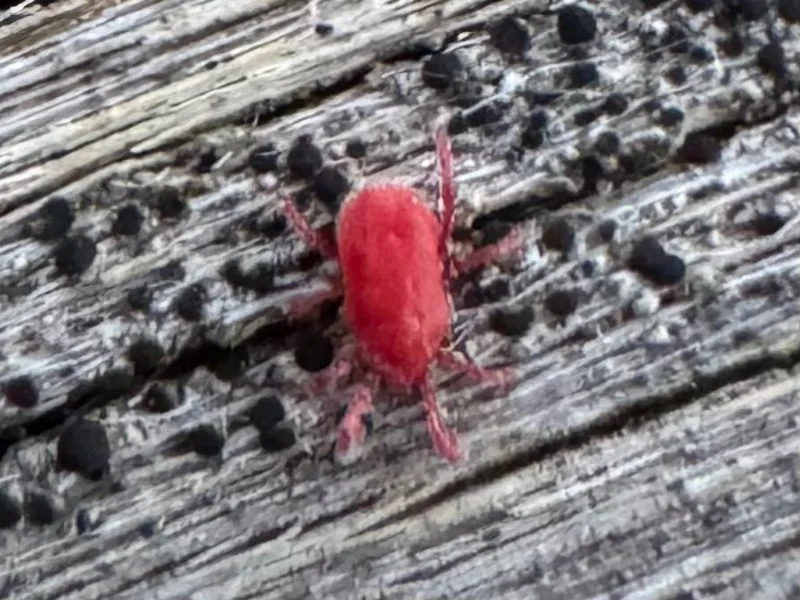
Chigger
Side-by-Side Comparison Table
| Trait | Bed Bug | Chigger |
|---|---|---|
| Scientific Group | Cimex lectularius | Trombiculidae |
| Category | Insect | Arachnid |
| Typical Size | 4–7 mm | 0.2–0.5 mm |
| Danger Level | Nuisance | Nuisance |
| Bites or Stings? | Yes | Yes |
| Peak US Months | May, July, October, November | March, April, May, October |
| Key ID Trait | Flat, oval, apple-seed-shaped reddish-brown body without wings | Microscopic bright-red six-legged mite larvae barely visible to the naked eye |
Bed Bug vs. Chigger: True Size Comparison
Side-by-Side Anatomy Blueprint
Compare body segments, antennae, leg count, and key markings directly before treating or removing either species.
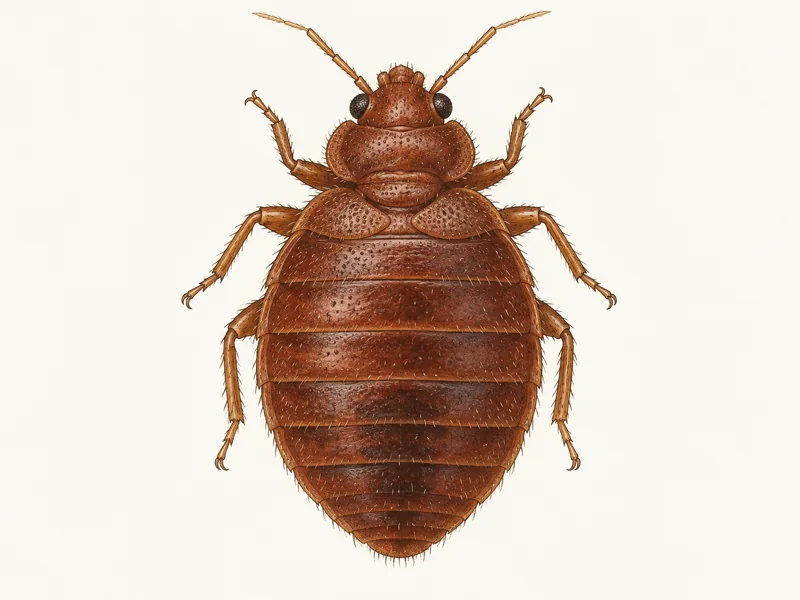
- Short 4-part antennae: Compact head with dark compound eyes and short 4-segmented antennae (shorter than roach feelers).
- Scalloped pronotum: Curved collar plate behind the head followed by tiny stubby wing pads—bed bugs cannot fly.
- Six short legs: Three pairs of short crawling legs suited for clinging to mattress piping and wood cracks.
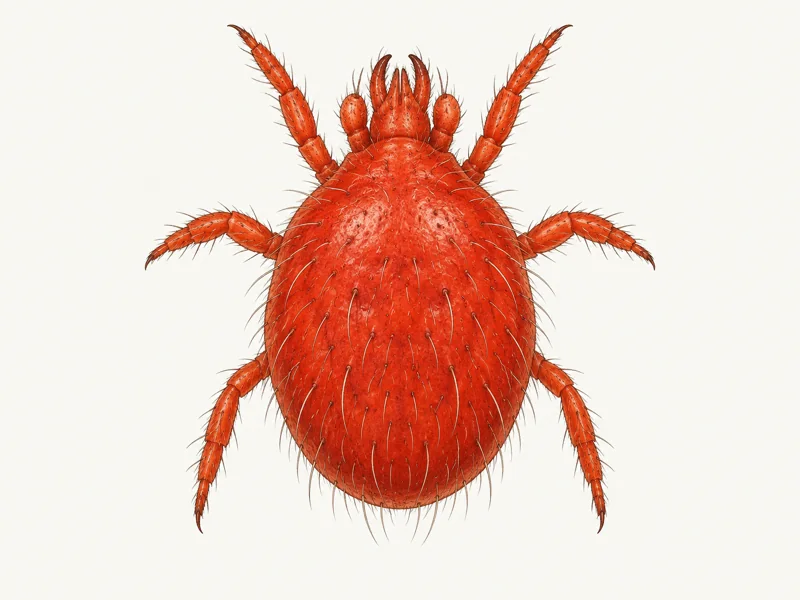
- Microscopic mouthparts: Tiny chelicerae inject digestive saliva into skin pores—chiggers do NOT burrow inside.
- Scarlet bristled body: Microscopic (<0.4 mm) bright crimson-red oval larva dusted in fine sensory setae.
- Six larval legs: Biting parasitic chigger larvae have STRICTLY 6 legs (adults are harmless 8-legged mites).
Bed Bug or Chigger? Quick Identification Guide
Quick verdict: If the pest can be seen, it's roughly apple-seed-sized, flat, and reddish-brown, it's a bed bug. If it's a nearly invisible red speck picked up outdoors, it's a chigger.
FeatureBed Bug (Cimex lectularius)Chigger (Trombiculidae)Size4–7 mm0.2–0.5 mmColorReddish-brownBright red to orangeLegsSix (adult insect)Six (larval mite)WingsNoneNoneDanger levelNuisanceNuisance
What Bed Bugs Look Like and Where They Hide
Adult bed bugs have a flat, oval, wingless body about the size and shape of an apple seed. After feeding, they swell and turn a deeper rusty red. Nymphs are smaller and paler, sometimes almost translucent.
They hide close to where people sleep or rest:
- Mattress seams, piping, and box spring corners
- Headboard cracks and bed frame joints
- Upholstered furniture, outlet covers, and loose wallpaper
Telltale signs include rusty or dark spots on sheets, shed skins, and tiny pale eggs.
What Chiggers Look Like and Where They Live
The chiggers that bite are microscopic, bright-red, six-legged mite larvae, barely visible to the naked eye. Most people never see one. They might spot a moving red dot on a white sock, at best.
Chiggers live outdoors in tall grass, weedy field edges, brushy woodland borders, and damp, shaded vegetation. They climb onto passing legs, feed, and drop off. They don't infest homes or beds.
Comparing the Bites: Patterns, Location, and Symptoms
The biggest difference between bed bug and chigger bites is where they show up on the body.
Bed bug bites:
- Appear on skin exposed during sleep: arms, shoulders, neck, and face
- Often form lines or small clusters of three or more
- May not itch for a day or more, and some people don't react at all
Chigger bites:
- Concentrate where clothing fits tightly: ankles, waistbands, behind the knees, and the groin area
- Itch intensely within hours, often peaking a day or two later
- Look like small red bumps, sometimes with a blister-like center
A common myth says chiggers burrow into skin. They don't. Larvae inject digestive saliva that breaks down skin cells, and the body's reaction to that saliva is what causes the itch. Both pests are considered a nuisance and aren't known to spread disease in the US.
Seasonal Activity and Where They Occur Across the US
Season is one of the easiest clues in any bed bug vs chigger investigation.
Bed bugs are found in all 50 states. Because they live indoors alongside people, they're active year-round, though infestations often spike in late summer after travel season. Apartments, hotels, dorms, and shelters see the most reports, but single-family homes aren't immune.
Chiggers are most common in the Southeast, South Central, and Midwest states, with lighter activity farther north and in drier western regions. They're seasonal, appearing in late spring and peaking through summer into early fall. Larvae become inactive when temperatures drop below roughly 60°F. So itchy bites in January almost certainly aren't chiggers.
Safe IPM Steps to Treat Bites and Prevent Infestations
For homeowners, bed bugs are the bigger headache. Chigger bites itch fiercely but end once the larvae drop off. Bed bugs reproduce indoors and can take weeks of persistent work to eliminate. Integrated Pest Management (IPM) starts with non-chemical steps.
For bed bugs:
- Wash bedding and clothing in hot water, then dry on high heat for at least 30 minutes
- Vacuum mattress seams and cracks, then seal and discard the vacuum bag outdoors
- Install encasements rated for bed bugs on mattresses and box springs
- Reduce clutter and seal cracks near beds
- Inspect luggage and secondhand furniture before bringing it inside
For chiggers:
- Keep lawns mowed and trim brush along yard edges
- Improve sunlight and drainage in damp, shaded areas
- Tuck pants into socks on hikes and shower soon after outdoor activity
- Wash outdoor clothes in hot water
If a pesticide or repellent is used, always read and follow the EPA product label exactly.
When to Call a Pest Professional or Doctor
Call a licensed pest professional if bed bug signs persist after cleanup or appear in multiple rooms. Professional heat treatment is often the most reliable fix. Chiggers rarely need professional yard treatment.
For bites, a doctor should evaluate any rash that spreads, shows signs of infection, or comes with swelling, fever, or trouble breathing. For questions about a possible serious reaction or exposure to a pest control product, contact US Poison Control at 1-800-222-1222.
Frequently Asked Questions
What's the main difference between bed bug and chigger bites?
Bed bug bites appear on skin exposed during sleep (arms, neck, face) and often form lines or clusters. Chigger bites concentrate on areas where clothing fits tightly (ankles, waistbands, groin) and itch intensely within hours. Chigger bites peak in itchiness a day or two later.
How can I identify if a pest is a bed bug or chigger?
If you see a reddish-brown, flat, apple seed-sized pest near your bed, it's a bed bug. Chiggers are nearly invisible red specks (0.2–0.5 mm) picked up outdoors. Bed bugs are 4–7 mm and visible to the naked eye; chiggers are microscopic and rarely seen.
Can chiggers infest your home or bed?
No, chiggers don't infest homes or beds. They live outdoors in tall grass and brushy areas, climb onto passing legs, feed, and drop off. Once removed from the host, they don't survive indoors. Bed bugs, however, infest mattresses and furniture year-round.
What's the best way to treat bed bug vs chigger bites?
For bed bugs, wash bedding in hot water, dry on high heat for 30+ minutes, vacuum mattress seams, and use mattress encasements. For chiggers, keep lawns mowed, trim brush, and shower after outdoor activity. Both benefit from non-chemical IPM steps before considering pesticides.
When should I call a pest professional for bed bugs or chiggers?
Call a licensed pest professional if bed bug signs persist after cleanup or appear in multiple rooms. Professional heat treatment is often most effective. Chiggers rarely need professional yard treatment. For bites showing infection, swelling, or fever, consult a doctor.
What time of year are chiggers most active?
Chiggers are seasonal, appearing in late spring and peaking through summer into early fall. They're most common in the Southeast, South Central, and Midwest. Larvae become inactive below 60°F, so winter bites are unlikely to be chiggers. Bed bugs, however, remain active year-round.