Scorpions in California: Where They Live, When They're Active, and How to Keep Them Out
Quick Answer: Yes, scorpions in California are common, with 17,817 verified GBIF sightings statewide. Recorded species include the California Forest Scorpion (Uroctonus mordax), Paravaejovis puritanus, and the California common scorpion (Paruroctonus silvestrii), and activity peaks in May, July, August, and September.
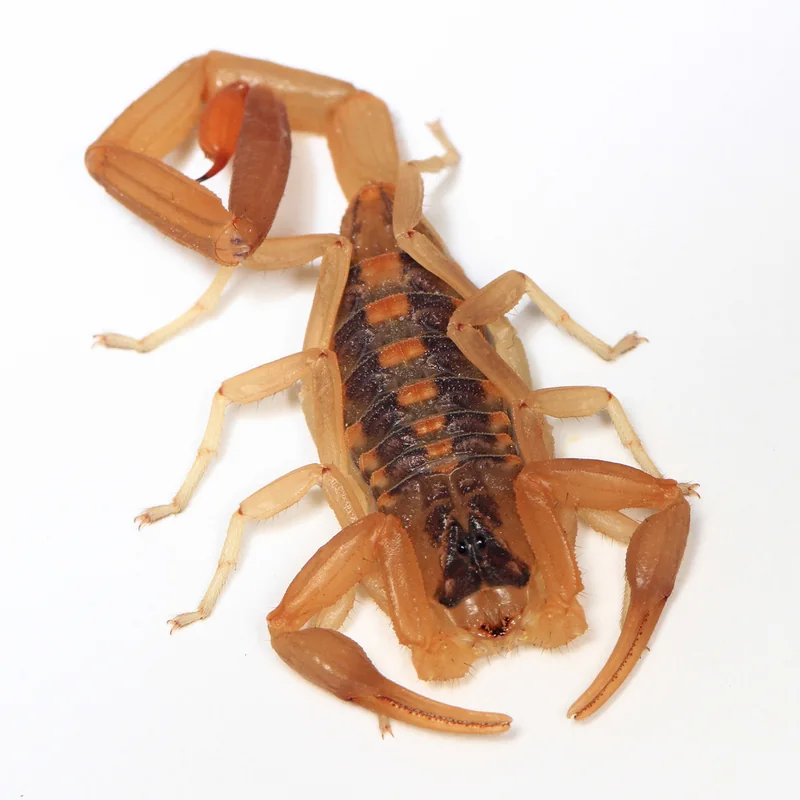
When Scorpions Are Most Active in California
Now (November): Lower Outdoor ActivityVerified California Counties, Species & US Range
Counties with Verified Observations
- Santa Clara
- Sonoma
- Marin
- San Diego
- Los Angeles
- San Luis Obispo
- Napa
- Monterey
- Inyo
- Santa Cruz
Species Recorded in California
| Species | Scientific Name | GBIF Records |
|---|---|---|
| California Forest Scorpion | Uroctonus mordax | 4,201 |
| Paravaejovis puritanus | Paravaejovis puritanus | 2,181 |
| California common scorpion | Paruroctonus silvestrii | 2,041 |
How California Compares to Neighboring States
Note: Wildlife does not follow state or county lines. GBIF totals reflect verified citizen and museum records, so low counts in a neighboring county do not guarantee absence.
How to Identify Scorpions
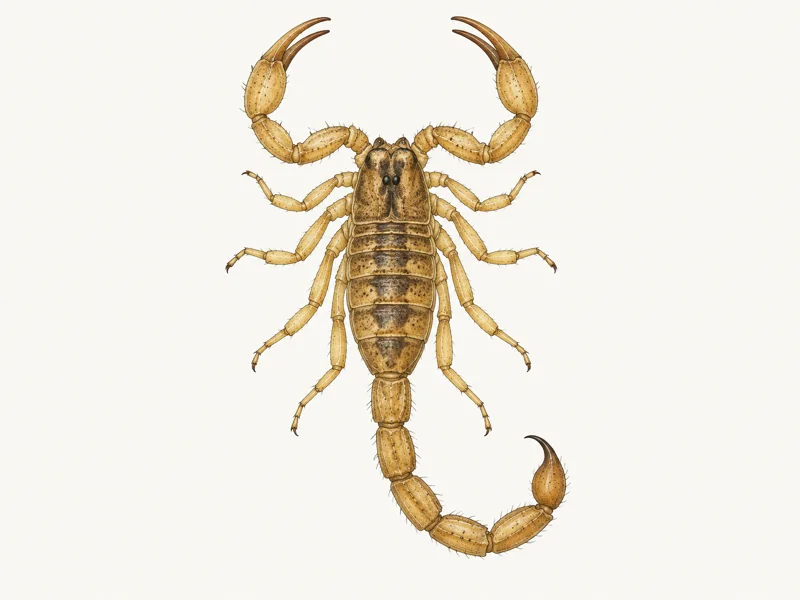
Annotated Anatomy Key (Scorpion)
- Front pincers: Two large curved pedipalps (pincers) used to grasp prey—slender in bark scorpions.
- Segmented trunk: Compact cephalothorax fused to a 7-segmented mesosoma that fluoresces under UV blacklight.
- Eight walking legs: Four pairs of jointed walking legs attached cleanly behind the front pincers.
- Tail & stinger: Five-segmented metasoma tail curving toward a bulbous venomous stinger (telson).
Scorpions Field Checklist
- Eight legs with two large front pincers (pedipalps)
- Segmented tail curving over the back ending in a venomous stinger
- Fluoresces bright blue-green under UV blacklight at night
- Color ranges from pale straw-yellow to dark brown or black
Side-by-Side Look-Alike Comparisons
Scorpions Size at True Relative Scale
Quick Answer: Yes, scorpions in California are common, with 17,817 verified GBIF sightings statewide. Recorded species include the California Forest Scorpion (Uroctonus mordax), Paravaejovis puritanus, and the California common scorpion (Paruroctonus silvestrii), and activity peaks in May, July, August, and September. Most stings cause local pain, but any sting with spreading or severe symptoms warrants a call to US Poison Control at 1-800-222-1222.
Where Scorpions Live in California
People often ask, "Are there scorpions in California?" The answer is a firm yes. The state's mix of Mediterranean coastal climates, arid inland deserts, and alpine mountain zones (USDA zones 5a-11a) supports scorpions in a wide range of habitats.
GBIF occurrence records show the most verified sightings in these counties:
- Santa Clara County
- Sonoma County
- Marin County
- San Diego County
- Los Angeles County
Sighting counts partly reflect where people live and report observations, so scorpions are also present well beyond these counties. In the Bay Area and North Coast, the California Forest Scorpion favors damp leaf litter, rotting logs, and loose bark in oak and conifer woodlands. In Southern California, species such as Paravaejovis puritanus and Paruroctonus silvestrii shelter under rocks, landscape timbers, and debris in chaparral and dry foothills.
California Scorpion Identification Basics
Scorpions have eight legs, a pair of grasping pincers (pedipalps), and a segmented tail ending in a stinger. California's native species are usually brown, tan, or yellowish and range from under an inch to about two and a half inches long. Like all scorpions, they glow blue-green under ultraviolet light, which makes a UV flashlight a handy tool for nighttime checks.
When Scorpions Are Most Active in California
California scorpion season generally runs from late spring through early fall. GBIF records show peak sightings in May, July, August, and September, when warm nights draw scorpions out to hunt insects.
Scorpions are nocturnal and spend daylight hours hidden in cool, sheltered spots. Homeowners most often encounter them after dark on patios and walls, or in the morning inside shoes, garages, and bathrooms. Hot spells and irrigation changes can push them toward homes in search of moisture and prey.
Look-Alikes Frequently Mistaken for Scorpions
Several common California creatures get confused with scorpions, especially when glimpsed quickly at night:
- Centipedes: Long, flattened bodies with one pair of legs per segment and no pincers or raised tail. Larger species can deliver a painful bite.
- Earwigs: Small, slender insects with six legs and rear pincers (cerci) on the abdomen. They have no stinger and are harmless to people.
- Tarantulas: Large, hairy spiders with eight legs and no tail or pincers. California tarantulas are often seen wandering in fall and are docile.
The quickest test is the combination of front pincers and a curled, stinger-tipped tail. Only scorpions have both.
How to Keep Scorpions Out of Your California Home
Knowing how to prevent scorpions in California starts with Integrated Pest Management (IPM). University cooperative extension IPM guidance stresses that exclusion, sanitation, and moisture control work better and last longer than sprays alone.
Exclusion
- Seal cracks around foundations, pipes, and utility lines with silicone caulk.
- Install weatherstripping and door sweeps on exterior doors.
- Repair torn window and vent screens.
Sanitation and Habitat Reduction
- Move firewood, rocks, lumber, and debris away from the house.
- Trim vegetation and ground cover back from walls.
- Reduce outdoor lighting that attracts the insects scorpions eat, or switch to yellow bulbs.
- Shake out shoes, gloves, and bedding stored in garages or sheds.
Moisture Control
- Fix leaky faucets, irrigation lines, and drippy hose bibs.
- Improve drainage so soil near the foundation stays dry.
Chemical Options
If pesticides are needed, use products registered for scorpions and always follow the EPA product label exactly. Scorpions are fairly tolerant of many insecticides, so treatments work best alongside exclusion and habitat changes.
When to Call a Licensed California Pest Professional
- Scorpions appear indoors repeatedly or in bedrooms.
- Someone in the home is an infant, elderly, or has allergies or health concerns.
- Home sealing and cleanup have not reduced sightings.
- You are unsure which species you have or how to treat safely.
Look for a pest control company licensed by the California Structural Pest Control Board.
Disclaimer: This guide is for general information only and is not medical advice. If someone is stung and has severe pain, numbness, trouble breathing, or other unusual symptoms, call US Poison Control at 1-800-222-1222 or seek emergency care, and follow up with a doctor.
IPM Prevention Checklist for California Homes
- Seal exterior cracks, door sweeps, and plumbing penetrations
- Remove rock piles, firewood, and debris within 20 feet of the foundation
- Shake out shoes, towels, and bedding before use in active regions
 EXCLUSION BLUEPRINT
Inspect eaves, screens, door sweeps, foundation cracks, and utility penetrations around California homes before peak season.
Scorpions in California: Frequently Asked Questions
Are scorpions in California dangerous?
Most stings from California's recorded species cause localized pain and swelling. However, reactions vary, so contact US Poison Control at 1-800-222-1222 and a doctor for any concerning symptoms, especially in children.
What is the most common scorpion in Northern California?
The California Forest Scorpion (Uroctonus mordax) is frequently found in wooded areas of counties like Sonoma, Marin, and Santa Clara. It favors damp logs and leaf litter.
When is California scorpion season?
Activity peaks in May, July, August, and September according to GBIF records. Warm summer nights bring the most sightings.
Do scorpions live in Southern California homes?
Yes, San Diego and Los Angeles counties are among the top counties for sightings. Sealing gaps and clearing yard debris are the best first steps to keep them outside.
Sources & Verification
- University of Arizona Cooperative Extension — Scorpions
- Texas A&M AgriLife Extension — Scorpions
- GBIF Global Biodiversity Occurrence Records
Data refreshed · Editorial & GBIF Methodology