Scorpion vs Tarantula: How to Tell Them Apart and Keep Your Home Safe
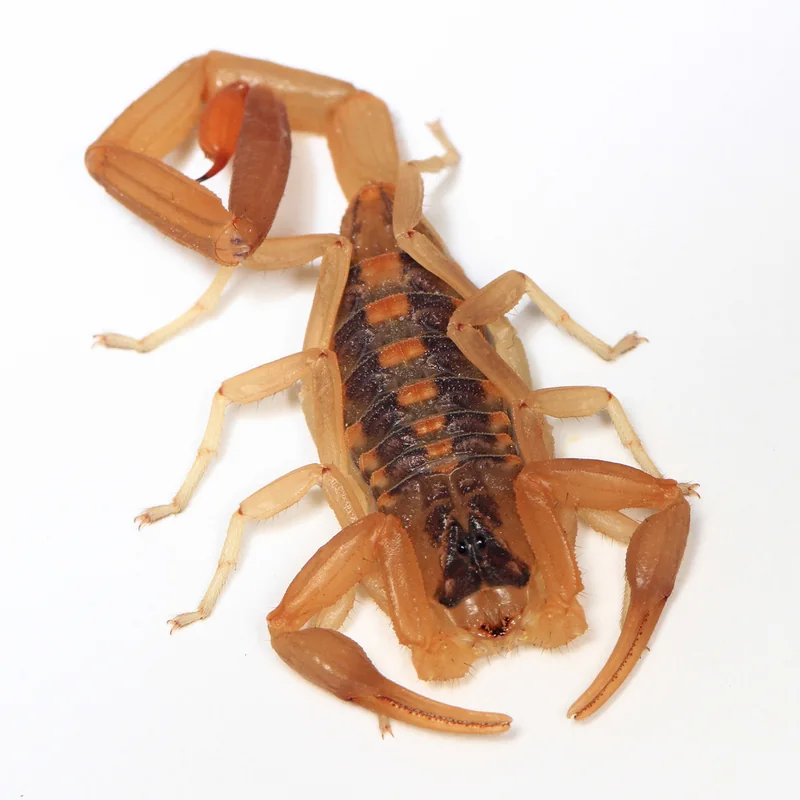
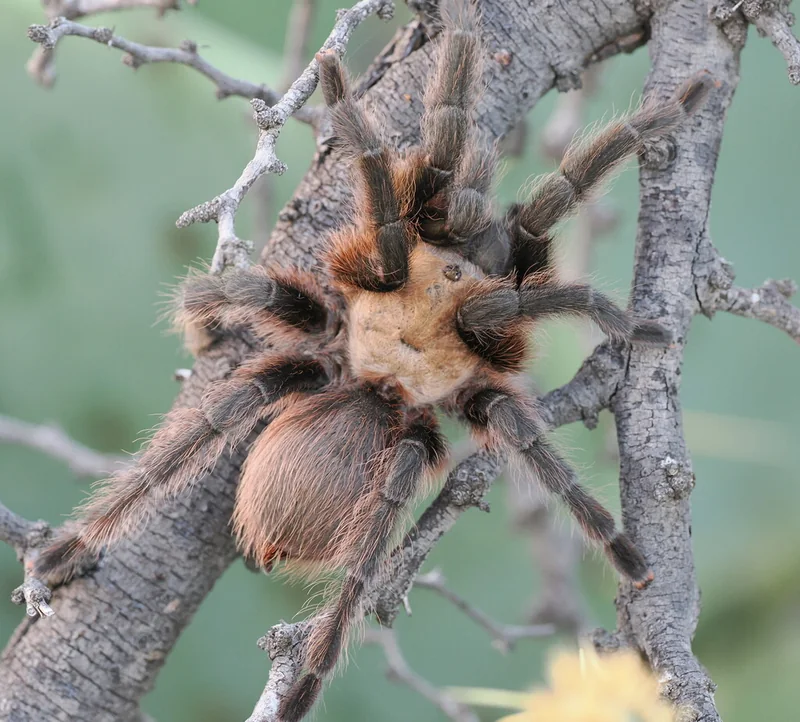
Quick ID Verdict: Few things stop a homeowner cold like an eight-legged visitor on the patio at dusk. In a scorpion vs tarantula standoff, the fastest tell is the front end: a scorpion carries two large pincers and a segmented tail curled over its back, while a tarantula is a heavy, hairy spider with thick legs and no pincers at all. If you see claws, treat it with caution, because scorpions are medically significant and tarantulas are mostly a nuisance.
Scorpion
Tarantula
Side-by-Side Comparison Table
| Trait | Scorpion | Tarantula |
|---|---|---|
| Scientific Group | Scorpiones | Theraphosidae |
| Category | Arachnid | Spider |
| Typical Size | 25–120 mm | 50–130 mm |
| Danger Level | Medically Significant | Nuisance |
| Bites or Stings? | Yes | Yes |
| Peak US Months | April, May, August, September | July, August, September, October |
| Key ID Trait | Eight legs with two large front pincers (pedipalps) | Large, heavy-bodied hairy spider with thick legs |
Scorpion vs. Tarantula: True Size Comparison
Side-by-Side Anatomy Blueprint
Compare body segments, antennae, leg count, and key markings directly before treating or removing either species.
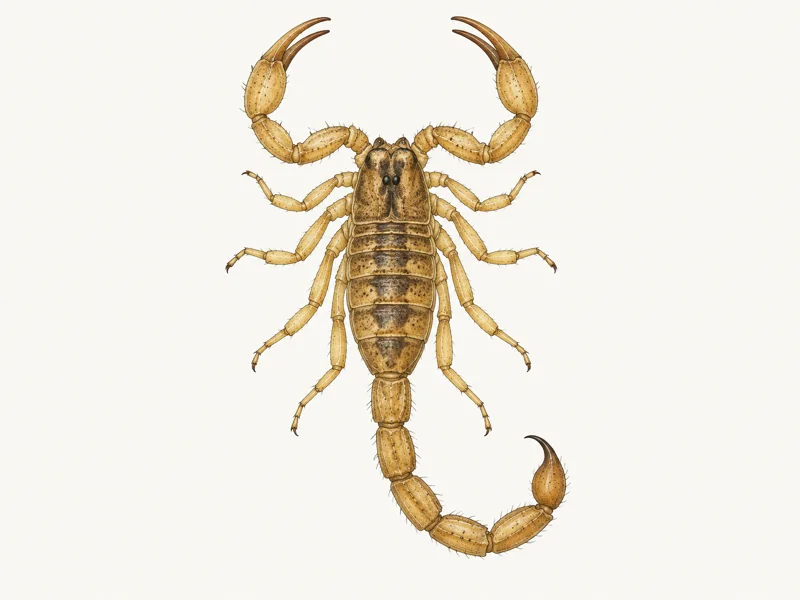
- Front pincers: Two large curved pedipalps (pincers) used to grasp prey—slender in bark scorpions.
- Segmented trunk: Compact cephalothorax fused to a 7-segmented mesosoma that fluoresces under UV blacklight.
- Eight walking legs: Four pairs of jointed walking legs attached cleanly behind the front pincers.
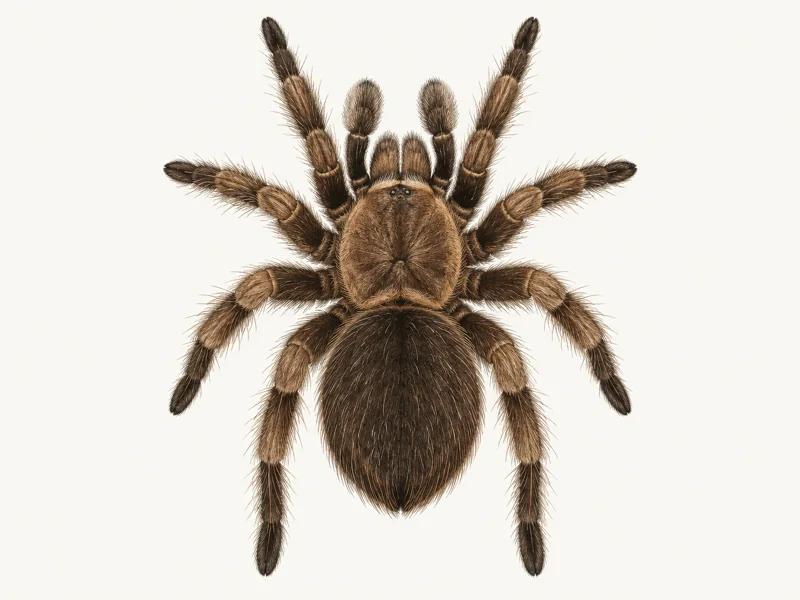
- Furry pedipalps: Pair of thick leg-like front sensory feelers framing downward-striking fangs.
- Velvet carapace: Broad warm cocoa-brown cephalothorax with a tiny central eye tubercle.
- Eight thick legs: Four pairs of stout, densely hairy cocoa-brown legs built for ground hunting.
Here's how to confirm the ID, judge the risk, and keep both out of the house.
Key Differences Between Scorpions and Tarantulas at a Glance
The difference between scorpion and tarantula comes down to body plan, size, and danger level. Both are arachnids, but they belong to very different groups.
FeatureScorpionsTarantulasGroupOrder ScorpionesFamily TheraphosidaeSize25–120 mm50–130 mmKey IDEight legs plus two large front pincers (pedipalps)Large, heavy-bodied, hairy spider with thick legsDanger levelMedically significantNuisance
Scorpion vs Tarantula Identification: Body Shape, Size, and Telltale Features
Good scorpion vs tarantula identification starts with silhouette. A scorpion looks flat and lobster-like, with pincers out front and a slender, segmented tail ending in a stinger. Even small species can read as "crab-like" at a glance.
A tarantula looks bulky and furry. Its two main body sections are round and covered in dense hair, and its thick legs give it a spread that can top a man's palm.
Quick checks if you're unsure whether it's a scorpion or tarantula:
- Pincers? Scorpion.
- Tail curled overhead? Scorpion.
- Fuzzy body, no tail? Tarantula.
- Size: Size alone won't settle it, since the ranges overlap (25–120 mm vs. 50–130 mm).
Venom and Bite Risks: Which Is More Dangerous to Your Family and Pets?
Scorpions are the bigger concern. They're classified as medically significant, and the Arizona bark scorpion in particular can cause serious reactions, especially in young children, older adults, and small pets.
Tarantulas are rated a nuisance. They're docile and rarely bite, though a bite can still hurt. Many US species also flick irritating hairs when harassed, which can bother skin, eyes, and curious dogs' noses.
If anyone is stung or bitten, call US Poison Control at 1-800-222-1222 and contact a doctor. For pets, call a veterinarian. Don't rely on home remedies.
Where They Live: US State Presence and Preferred Habitats
Scorpions are most common across the Southwest and southern Plains, including Arizona, New Mexico, Texas, Nevada, southern California, Utah, and Oklahoma. The striped bark scorpion ranges farther east into states like Kansas, Arkansas, and Louisiana. They hide under rocks, bark, woodpiles, and landscape debris, and they often slip indoors through gaps.
Native tarantulas live mainly in the Southwest and south-central US, from California and Arizona through Texas, Oklahoma, Arkansas, and Missouri. They prefer dry grasslands and desert scrub, living in burrows. Indoor encounters are less common.
Seasonal Activity: When You're Most Likely to Spot Each One
Scorpions are active from spring through fall and hunt at night. Hot summer evenings and monsoon season often push them toward homes looking for moisture and cooler hiding spots. A blacklight will make them glow at night, which helps with inspections.
Tarantulas are most visible in late summer and early fall. That's when mature males leave their burrows to search for mates, sometimes crossing roads and yards in noticeable numbers. They're simply passing through and usually won't stay.
Safe IPM Strategies to Keep Scorpions and Tarantulas Out
Integrated Pest Management (IPM) works best when it starts with non-chemical steps:
- Exclusion: Seal cracks, install door sweeps, and repair window screens and weep-hole gaps.
- Sanitation: Clear woodpiles, rocks, and yard debris away from the foundation.
- Moisture control: Fix leaky spigots and irrigation, and improve drainage.
- Prey reduction: Cut down on insects by limiting bright outdoor lighting.
A lone tarantula can be gently moved outdoors with a container. If a pesticide becomes necessary, always follow the EPA product label exactly.
When to Call a Pest Management Professional
Call a licensed pro if you're finding scorpions indoors repeatedly, if you live in bark scorpion territory with kids or pets, or if exclusion work hasn't solved the problem. A professional can inspect entry points, confirm the species, and recommend targeted, label-compliant treatments.
Frequently Asked Questions
What's the main difference between a scorpion and tarantula?
The key difference between scorpion and tarantula is their body structure. Scorpions have two large front pincers (pedipalps) and a segmented tail curled over their back with a stinger, while tarantulas are heavy, hairy spiders with thick legs and no pincers or tail at all.
Which is more dangerous: a scorpion or tarantula?
Scorpions are more dangerous and classified as medically significant, especially the Arizona bark scorpion, which can cause serious reactions in children and pets. Tarantulas are considered nuisances; they're docile and rarely bite unless provoked.
How can you identify a scorpion vs tarantula in your home?
Look for pincers and a curved tail—both indicate a scorpion. Tarantulas are fuzzy, bulky, and have no tail or pincers. Use a blacklight at night; scorpions glow under UV light, making identification easier during evening inspections.
What states have the most scorpions and tarantulas?
Scorpions are most common in the Southwest and southern Plains, including Arizona, New Mexico, Texas, and California. Native tarantulas also live mainly in the Southwest and south-central US, with ranges overlapping in states like Arizona and Texas.
When are scorpions and tarantulas most active?
Scorpions are active spring through fall, hunting at night and entering homes during hot summers and monsoon season. Tarantulas are most visible in late summer and early fall when males leave burrows to search for mates.
How can you safely remove a tarantula from your home?
A lone tarantula can be gently moved outdoors using a container. For repeated indoor scorpion sightings or if you live in bark scorpion territory with children or pets, call a licensed pest management professional for targeted exclusion and inspection.