Hobo Spiders in Washington: Identification, Season & Prevention
Quick Answer: Yes, hobo spiders in Washington are common, with 310 verified GBIF sightings across the state. The hobo spider (Eratigena agrestis) is classified as a nuisance pest, and most homeowners notice it from August through October, when wandering males turn up indoors. Simple exclusion and clutter control go a long way toward keeping them out.
When Hobo Spiders Are Most Active in Washington
Now (November): Lower Outdoor ActivityVerified Washington Counties, Species & US Range
Counties with Verified Observations
- Whitman
- Spokane
- Clallam
- Chelan
- Pierce
- Snohomish
- King
- Clark
- San Juan
- Stevens
Species Recorded in Washington
| Species | Scientific Name | GBIF Records |
|---|---|---|
| hobo spider | Eratigena agrestis | 310 |
How Washington Compares to Neighboring States
Note: Wildlife does not follow state or county lines. GBIF totals reflect verified citizen and museum records, so low counts in a neighboring county do not guarantee absence.
How to Identify Hobo Spiders
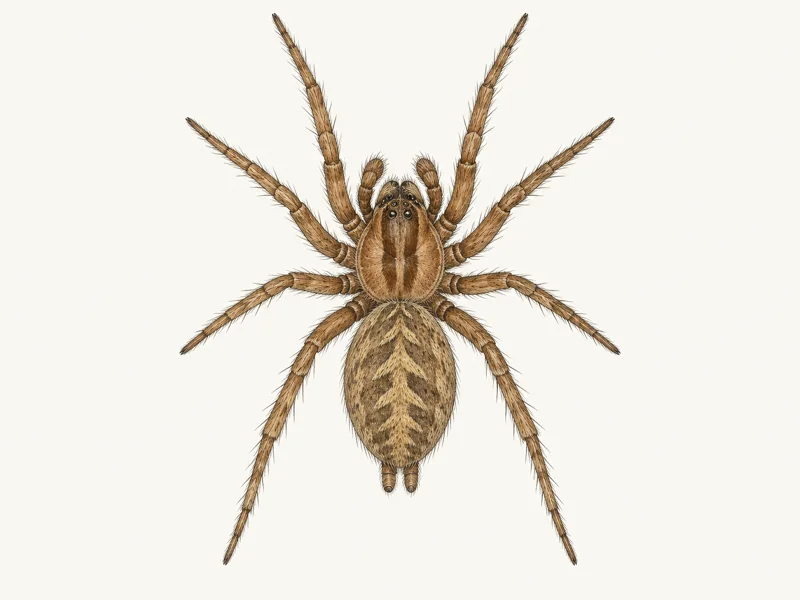
Annotated Anatomy Key (Hobo Spider)
- Eight clustered eyes: Eight small eyes in two rows above prominent hairy front pedipalps.
- Twin dusky stripes: Warm amber cephalothorax with two faint lengthwise stripes—never a crisp violin.
- Unbanded hairy legs: Eight solid tan-brown legs covered in fine hairs and spines—no dark rings.
- Herringbone chevrons: Distinct pale yellowish chevron V-marks down the abdomen above visible spinnerets.
Hobo Spiders Field Checklist
- Fast-running brown funnel-web spider with faint chevron markings on the abdomen
- Solid brown legs without dark rings (unlike giant house spiders)
- Primarily occurs in the Pacific Northwest and northern Mountain West
- Modern CDC and entomology consensus confirms hobo spider bites do NOT cause necrotic wounds
Side-by-Side Look-Alike Comparisons
Hobo Spiders Size at True Relative Scale
Where Hobo Spiders Live in Washington
For anyone asking whether there are hobo spiders in Washington, the records answer clearly. This European species is well established in the Pacific Northwest and appears on both sides of the Cascades, from the mild, rainy maritime west to the dry semi-arid basins of the east. Washington spans USDA zones 4b to 9a, and the hobo spider has adapted to that full range of conditions.
The most verified GBIF sightings come from these counties:
- Whitman County in the Palouse region of eastern Washington
- Spokane County, including the greater Spokane metro area
- Clallam County on the Olympic Peninsula
- Chelan County along the eastern slope of the Cascades
- Pierce County in the Puget Sound lowlands
Outdoors, hobo spiders build funnel-shaped webs in sheltered, ground-level spots. Common sites include woodpiles, rock walls, landscape timbers, tall grass edges, and gaps along foundations. Indoors, they tend to show up in basements, window wells, crawl spaces, and garages, usually at floor level.
When Hobo Spiders Are Most Active in Washington
The Washington hobo spider season peaks in August, September, and October. These late-summer and fall months match the species' mating period, when mature males leave their webs to search for females. That wandering is why homeowners suddenly find them in bathtubs, sinks, and along baseboards.
Females usually stay in or near their webs and are seen less often. Spiderlings hatch from egg sacs later in the season and spend the winter as immatures, maturing the following summer. Indoor sightings drop off sharply as temperatures fall in late fall.
Look-Alikes Frequently Mistaken for Hobo Spiders
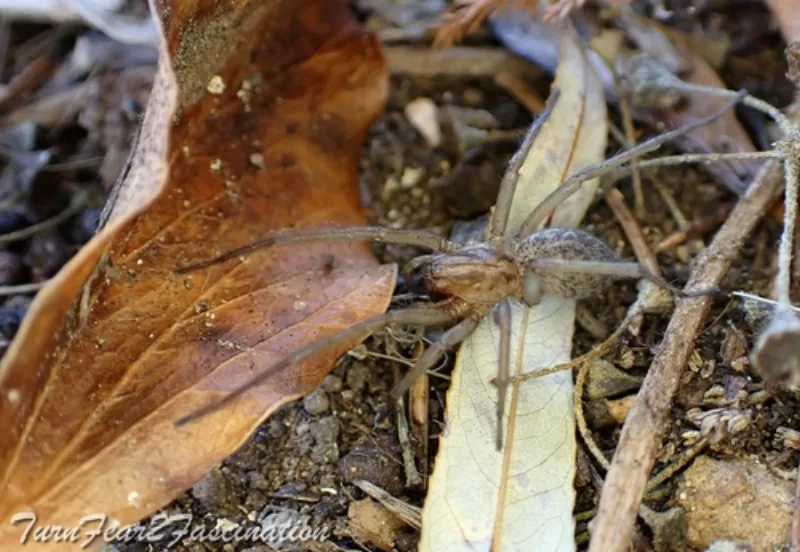
Getting a Washington hobo spider identification right is hard without magnification. Hobo spiders are medium-sized, brown spiders with a body roughly 1/4 to 1/2 inch long. Many have a faint herringbone or chevron pattern on the abdomen, plain unbanded legs, and two short, finger-like spinnerets at the tip of the abdomen. Mature males carry enlarged pedipalps near the head that look like small boxing gloves.
Common Washington look-alikes include:
- Wolf spiders: Often hairier and more robust, with a distinct eye arrangement that includes two large forward-facing eyes. They hunt on the ground and do not build funnel webs. Females may carry an egg sac on their spinnerets or spiderlings on their backs.
- Other brown funnel-web and house spiders: Several related species, including the giant house spider, look almost identical to hobo spiders. Many have banded legs, but reliable separation often requires a microscope and examination of reproductive structures.
Because look-alikes are so similar, entomologists generally advise against assuming every brown spider is a hobo spider. A county Washington State University Extension office or a trained arachnologist can confirm identification from a clear photo or specimen.
How to Keep Hobo Spiders Out of Your Washington Home
Knowing how to prevent hobo spiders in Washington starts with Integrated Pest Management. Non-chemical steps such as exclusion, sanitation, and moisture control address the conditions that attract spiders and their insect prey.
Seal Entry Points
- Install tight door sweeps and repair weatherstripping, especially on basement and garage doors.
- Caulk gaps around foundations, utility lines, vents, and window frames.
- Repair torn window and vent screens before August.
Reduce Clutter and Harborage
- Store woodpiles, lumber, and stacked materials away from the foundation and off the ground.
- Keep a vegetation-free strip of 12 to 18 inches around the house.
- Use sealed plastic bins instead of cardboard boxes in basements and garages.
Control Moisture and Monitor
- Run a dehumidifier in damp basements and fix leaks in crawl spaces.
- Place sticky traps along walls and behind furniture to catch wandering males and track activity.
- Vacuum webs, spiders, and egg sacs regularly, then dispose of the bag outdoors.
Pesticides are rarely needed for a nuisance spider. If one is used, choose a product labeled for spiders and follow the EPA product label exactly, including application sites and safety precautions.
When to Call a Licensed Washington Pest Professional
- Sticky traps catch spiders consistently even after exclusion work.
- Spiders appear in bedrooms or living areas rather than just basements.
- Crawl spaces or wall voids are hard to inspect or seal yourself.
- Someone in the home has strong anxiety about spiders or health conditions that warrant extra caution.
IPM Prevention Checklist for Washington Homes
- Seal basement cracks, window wells, and exterior door sweeps
- Keep firewood and stacked lumber away from foundation walls
 EXCLUSION BLUEPRINT
Inspect eaves, screens, door sweeps, foundation cracks, and utility penetrations around Washington homes before peak season.
Hobo Spiders in Washington: Frequently Asked Questions
Are hobo spiders dangerous in Washington?
Hobo spiders are classified as a nuisance pest. Older claims that they cause serious skin wounds have not been supported by more recent research. For any concerning bite or symptom, call US Poison Control at 1-800-222-1222 or see a doctor.
Which Washington counties have the most hobo spider sightings?
Whitman, Spokane, Clallam, Chelan, and Pierce counties lead the state in verified GBIF records. However, the species occurs in both western and eastern Washington.
Why do I see more hobo spiders in fall?
August through October is mating season, when adult males wander in search of females. This movement brings them indoors more often than at other times of year.
How can I confirm a hobo spider identification?
Take a clear, close-up photo or save the specimen in rubbing alcohol. A local WSU Extension office or a licensed pest professional can help separate hobo spiders from wolf spiders and other look-alikes.
Sources & Verification
- Washington State University Extension — Hobo Spiders
- CDC — Venomous Spiders
- GBIF Global Biodiversity Occurrence Records
Data refreshed · Editorial & GBIF Methodology