Hobo Spiders in California: Rare Sightings, Look-Alikes, and Prevention
Quick Answer: Hobo spiders in California are rare. GBIF lists just 2 verified sightings of Eratigena agrestis in the state, with Siskiyou County the top location. The species is considered a nuisance pest, and most brown spiders found in California homes are something else.
When Hobo Spiders Are Most Active in California
Now (November): Lower Outdoor ActivityVerified California Counties, Species & US Range
Counties with Verified Observations
- Siskiyou
Species Recorded in California
| Species | Scientific Name | GBIF Records |
|---|---|---|
| hobo spider | Eratigena agrestis | 2 |
How California Compares to Neighboring States
Note: Wildlife does not follow state or county lines. GBIF totals reflect verified citizen and museum records, so low counts in a neighboring county do not guarantee absence.
How to Identify Hobo Spiders
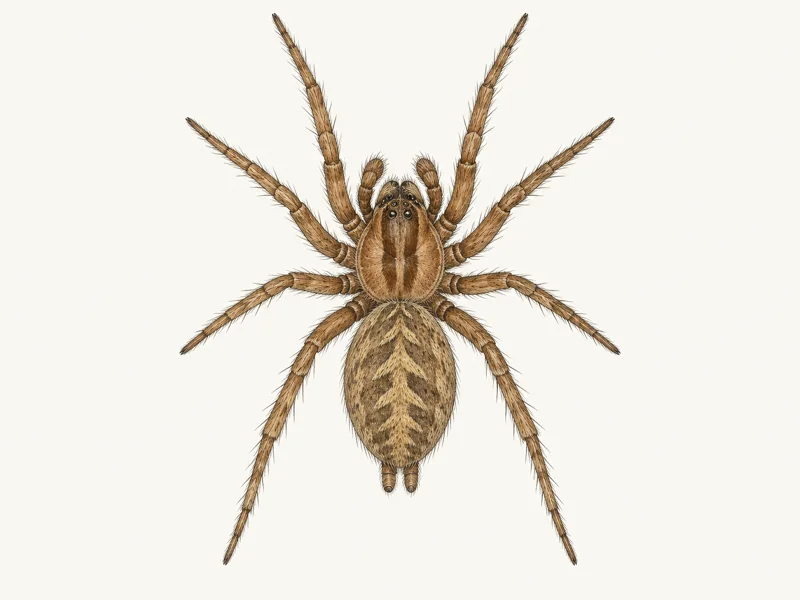
Annotated Anatomy Key (Hobo Spider)
- Eight clustered eyes: Eight small eyes in two rows above prominent hairy front pedipalps.
- Twin dusky stripes: Warm amber cephalothorax with two faint lengthwise stripes—never a crisp violin.
- Unbanded hairy legs: Eight solid tan-brown legs covered in fine hairs and spines—no dark rings.
- Herringbone chevrons: Distinct pale yellowish chevron V-marks down the abdomen above visible spinnerets.
Hobo Spiders Field Checklist
- Fast-running brown funnel-web spider with faint chevron markings on the abdomen
- Solid brown legs without dark rings (unlike giant house spiders)
- Primarily occurs in the Pacific Northwest and northern Mountain West
- Modern CDC and entomology consensus confirms hobo spider bites do NOT cause necrotic wounds
Side-by-Side Look-Alike Comparisons
Hobo Spiders Size at True Relative Scale
Where Hobo Spiders Live in California
So, are there hobo spiders in California? Yes, but barely. Only 2 GBIF occurrence records exist, and Siskiyou County in the far north leads the list. That is a small footprint for a state with Mediterranean coastal climates, arid inland deserts, and alpine mountain zones (USDA zones 5a-11a).
Hobo spiders build funnel-shaped webs close to the ground. Typical sites include:
- Woodpiles and debris piles
- Rock walls and landscape edging
- Window wells and foundation cracks
- Basements, crawl spaces, and garages
Two records do not prove an established population. A single sighting is better understood as a rare detection, not a sign of infestation.
When Hobo Spiders Are Most Active in California
The few California records fall in August and October. That matches general entomology guidance from university extension IPM programs, which describes late summer and fall as the period when mature males leave their webs to search for mates. Wandering males are the ones most often noticed indoors.
For anyone asking about California hobo spider season, the record is too thin to define one with confidence. Late summer into fall is the best available window, based on the two verified sightings.
Look-Alikes Frequently Mistaken for Hobo Spiders
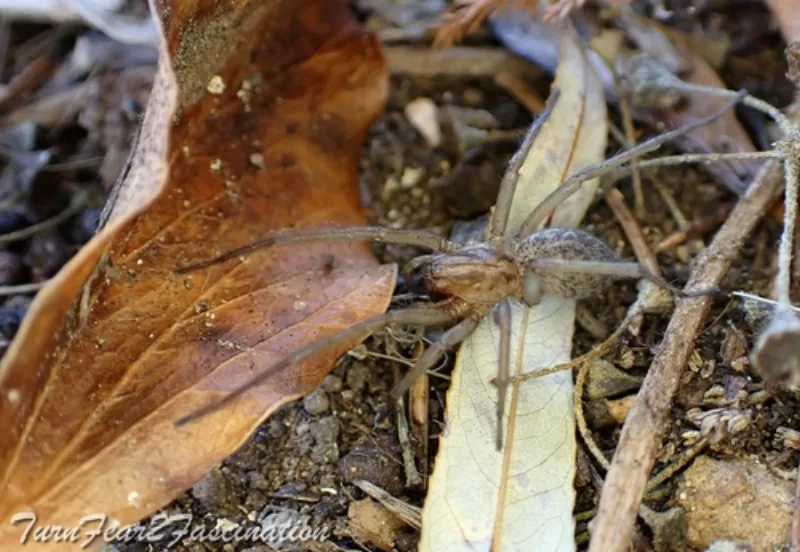
California hobo spider identification is difficult, even for experienced observers. Hobo spiders are medium-sized, brown, and have a mottled pattern on the abdomen. Many harmless spiders share that look, and reliable identification often requires a microscope.
The look-alikes present in California include:
- Wolf spiders: Robust, hairy ground hunters that do not spin funnel webs. They have a distinctive eye arrangement, with two large eyes set above rows of smaller ones.
- Other brown spiders: Many common house and ground spiders are plain brown and routinely get mislabeled as hobo spiders.
Web style helps. A flat sheet leading into a funnel retreat suggests a funnel-web weaver, while a wandering spider with no web is likely a hunter such as a wolf spider. If you need a firm answer, a local extension office or a university entomology lab can examine a specimen.
How to Keep Hobo Spiders Out of Your California Home
Anyone wondering how to prevent hobo spiders in California should start with non-chemical IPM. The same steps reduce nearly all ground-dwelling spiders.
Exclusion
- Seal cracks in foundations and around pipes and utility lines.
- Install door sweeps and repair torn window screens.
- Caulk gaps where siding meets the foundation.
Sanitation and Habitat Cleanup
- Move woodpiles, lumber, and debris away from the house.
- Trim vegetation and ground cover back from the foundation.
- Declutter garages, basements, and storage areas.
- Vacuum webs and egg sacs, then empty the vacuum outdoors.
Moisture Control
- Fix leaky pipes and faucets.
- Improve drainage around the foundation.
- Ventilate crawl spaces and use a dehumidifier in damp basements.
Sticky traps placed along walls can capture wandering spiders and show where they enter. If you use any insecticide product, follow the EPA-registered label exactly, including the approved sites and application directions.
When to Call a Licensed California Pest Professional
- You see many funnel webs inside or around the home despite cleanup.
- Spiders keep returning after exclusion and sanitation work.
- You need a confirmed identification before deciding on treatment.
- Hard-to-reach areas such as crawl spaces or wall voids are involved.
If a spider bite occurs, wash the area and contact a doctor. US Poison Control is available at 1-800-222-1222. Hobo spiders are classed as a nuisance here, and bites from any spider are best evaluated by a medical professional.
IPM Prevention Checklist for California Homes
- Seal basement cracks, window wells, and exterior door sweeps
- Keep firewood and stacked lumber away from foundation walls
 EXCLUSION BLUEPRINT
Inspect eaves, screens, door sweeps, foundation cracks, and utility penetrations around California homes before peak season.
Hobo Spiders in California: Frequently Asked Questions
Are there hobo spiders in California?
Yes, but they are rare. GBIF has 2 verified records of Eratigena agrestis in California, with Siskiyou County the top county.
Are hobo spiders dangerous?
They are rated a nuisance in California. If you are bitten, contact a doctor or US Poison Control at 1-800-222-1222 rather than relying on home remedies.
Is that brown spider in my house a hobo spider?
Probably not. Wolf spiders and other common brown spiders are far more likely, and a positive ID usually needs expert examination.
What is the best way to prevent hobo spiders?
Seal entry points, clear woodpiles and clutter from the foundation, and fix moisture problems. Follow EPA product labels if you use any pesticide, and call a licensed pro for persistent problems.
Sources & Verification
- Washington State University Extension — Hobo Spiders
- CDC — Venomous Spiders
- GBIF Global Biodiversity Occurrence Records
Data refreshed · Editorial & GBIF Methodology