Pavement Ants in New York: Identification, Season, and Prevention
Quick Answer: Yes, pavement ants (Tetramorium immigrans) are common in New York, with 1,303 verified GBIF sightings statewide. They are a nuisance pest, not a danger to people, and activity peaks from April through July. Sanitation, sealing entry points, and moisture control keep most infestations in check.
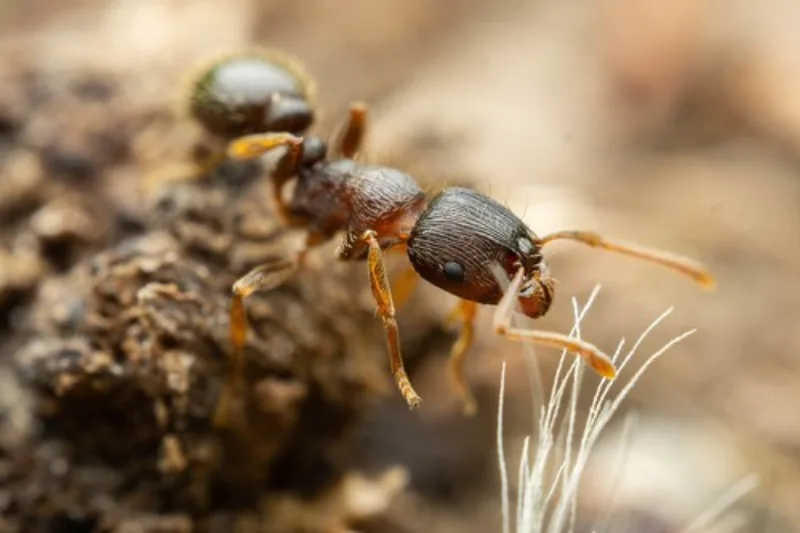
When Pavement Ants Are Most Active in New York
Now (November): Lower Outdoor ActivityVerified New York Counties, Species & US Range
Counties with Verified Observations
- Monroe
- Tompkins
- Suffolk
- Nassau
- Onondaga
- Westchester
- Queens
- Putnam
- Steuben
- Orange
Species Recorded in New York
| Species | Scientific Name | GBIF Records |
|---|---|---|
| Pavement Ant | Tetramorium immigrans | 1,303 |
How New York Compares to Neighboring States
Note: Wildlife does not follow state or county lines. GBIF totals reflect verified citizen and museum records, so low counts in a neighboring county do not guarantee absence.
How to Identify Pavement Ants
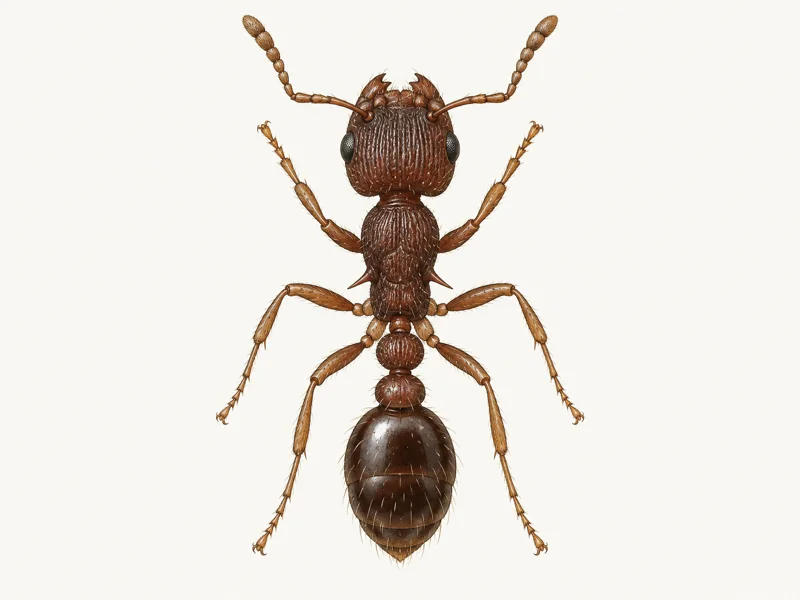
Annotated Anatomy Key (Pavement Ant)
- Grooved dark head: Fine parallel lengthwise furrows cover the head and thorax under magnification.
- Tiny thorax spines: Pair of small backward-pointing spines sit at the rear edge of the thorax.
- Two waist nodes: Two distinct petiole nodes connect the dark brown thorax to the oval abdomen.
- Lighter tan legs: Stocky 2.5–4 mm dark brown body paired with noticeably paler tan legs.
Pavement Ants Field Checklist
- Small dark brown to blackish ant with paler legs and antennae
- Two waist nodes and fine parallel grooves along head and thorax under magnification
- Pushes up small volcano-shaped piles of fine sand between sidewalk and driveway cracks
- Known for massive spring sidewalk territorial battles between rival colonies
Side-by-Side Look-Alike Comparisons
Pavement Ants Size at True Relative Scale
Quick Answer: Yes, pavement ants (Tetramorium immigrans) are common in New York, with 1,303 verified GBIF sightings statewide. They are a nuisance pest, not a danger to people, and activity peaks from April through July. Sanitation, sealing entry points, and moisture control keep most infestations in check.
Where Pavement Ants Live in New York
Anyone asking whether there are pavement ants in New York can look to the occurrence records. The most sightings come from Monroe, Tompkins, Suffolk, Nassau, and Onondaga counties, which span upstate cities, the Finger Lakes, and Long Island. The state's climate runs from humid continental inland to humid subtropical near New York City and Long Island (USDA zones 3b-7b), and the species handles all of it.
Outdoors, colonies nest under sidewalks, driveways, patios, stoops, and stones. Look for small mounds of fine soil along pavement cracks. Indoors, workers forage in kitchens, basements, and bathrooms, and they sometimes nest in wall voids or under slab foundations.
How to Recognize Them
New York pavement ant identification starts with a few traits you can check with a hand lens:
- Workers are about 1/8 inch long and dark brown to blackish, with paler legs.
- Parallel lines (grooves) run along the head and thorax.
- Two nodes sit on the waist between thorax and abdomen.
- A pair of small spines sits on the back of the thorax.
- They are slow, steady foragers that trail along edges and cracks.
When Pavement Ants Are Most Active in New York
New York pavement ant season peaks in April, May, June, and July, matching the GBIF records. Warming soil in spring sends workers out to forage, and colonies grow quickly through early summer. Winged reproductives may appear indoors or on pavement in late spring and summer.
Outdoor activity slows in the cold months, but colonies near heated foundations can stay active indoors through winter. Seeing trails in January usually points to a nest inside or beside the building.
Pavement ants are a nuisance. They can contaminate food, but they are not considered a medical threat. Ants fighting along pavement edges in spring are normal territorial behavior, not an invasion.
Look-Alikes Frequently Mistaken for Pavement Ants
Several ants found in New York get confused with pavement ants. Checking size, color, and waist shape usually settles it.
- Sugar ants (odorous house ants): Brown to black with a single node and no spines. They give off a rotten-coconut smell when crushed and favor sweets.
- Carpenter ants: Much larger, often a quarter inch or more, with a smooth, evenly rounded thorax. They nest in damp or decayed wood and leave clean sawdust-like frass.
- Flying ants: Not a separate species. These are winged reproductives of many ants, including pavement ants. Ants have elbowed antennae and two pairs of wings of unequal size, unlike termite swarmers.
- Fire ants: Often named in searches, but a reddish ant with a painful sting should be checked carefully. Pavement ants rarely sting and are not aggressive toward people.
If a stinging reaction involves swelling of the face or throat, trouble breathing, or dizziness, seek emergency care. For other questions about stings or bites, contact US Poison Control at 1-800-222-1222 and a doctor.
How to Keep Pavement Ants Out of Your New York Home
For how to prevent pavement ants in New York, start with non-chemical steps. These follow general IPM guidance from US university extension programs.
- Sanitation: Wipe crumbs and spills, store food in sealed containers, rinse recycling, and empty pet bowls overnight.
- Exclusion: Caulk cracks in foundations, around pipes, and at door and window frames. Install door sweeps and repair damaged screens.
- Moisture control: Fix leaks, run a dehumidifier in damp basements, and keep gutters clear.
- Yard care: Pull mulch and soil back from the foundation, trim plants touching the siding, and fill gaps between pavement and the house.
- Trail tracking: Follow trails to find the entry point, then seal it. Clean trails with soapy water to remove scent paths.
If baits are needed, choose a product labeled for ants and use it exactly as the EPA-registered label directs. Place baits along trails and do not spray repellents on them, since killing foragers can keep the colony alive. Keep all products away from children and pets.
When to Call a Licensed New York Pest Professional
- Trails return within weeks despite cleaning, sealing, and baiting.
- You find nests inside walls, under a slab, or in several rooms.
- Winged ants appear indoors repeatedly, especially in cold months.
- You suspect carpenter ants or wood damage.
- You are unsure of the species and need a confirmed identification.
Hire a business licensed by the state of New York, and ask for an inspection and an IPM-based plan.
IPM Prevention Checklist for New York Homes
- Seal slab expansion joints, exterior cracks, and door sweeps
- Keep kitchen floors free of crumbs and grease
 EXCLUSION BLUEPRINT
Inspect eaves, screens, door sweeps, foundation cracks, and utility penetrations around New York homes before peak season.
Pavement Ants in New York: Frequently Asked Questions
Are pavement ants dangerous?
No. They are a nuisance. They can sting but rarely do, and they mainly contaminate food they walk across. Call Poison Control at 1-800-222-1222 with any concern about a reaction.
Are there pavement ants in New York all year?
They are present year-round, but outdoor activity peaks from April to July. Indoor trails in winter often mean a nest near a heated foundation.
What attracts pavement ants to a house?
Food residue, grease, pet food, and sweets draw them in. Cracks in pavement and foundations give them nesting sites and entry routes.
Can I get rid of pavement ants myself?
Often yes. Clean up food, seal entry points, and use labeled ant baits as the EPA label directs. Call a licensed professional if the problem persists.
Sources & Verification
Data refreshed · Editorial & GBIF Methodology