Carpenter Ant vs Pavement Ant: How to Tell Them Apart and Protect Your Home
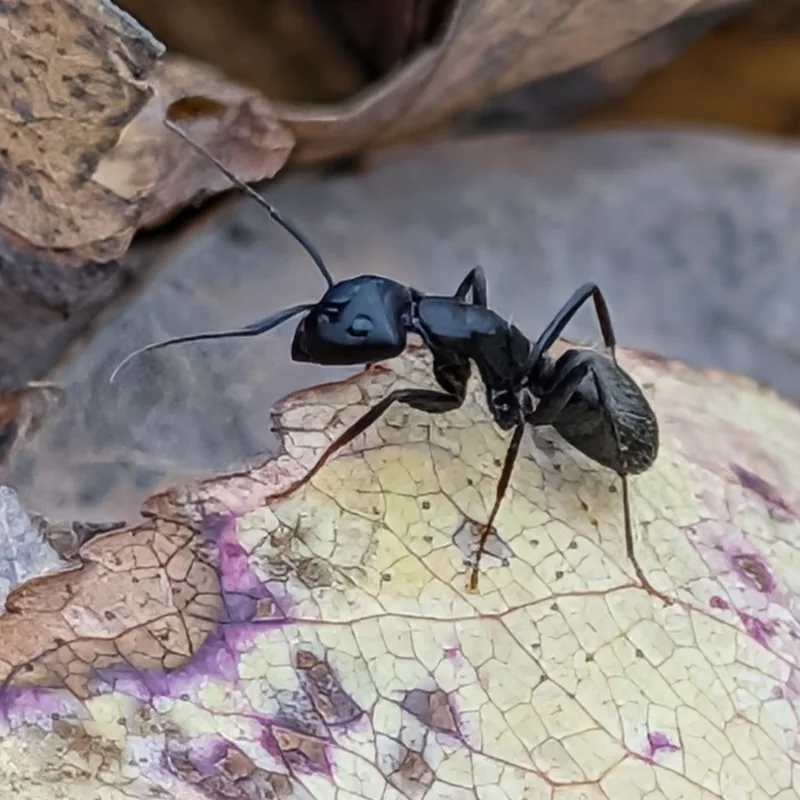
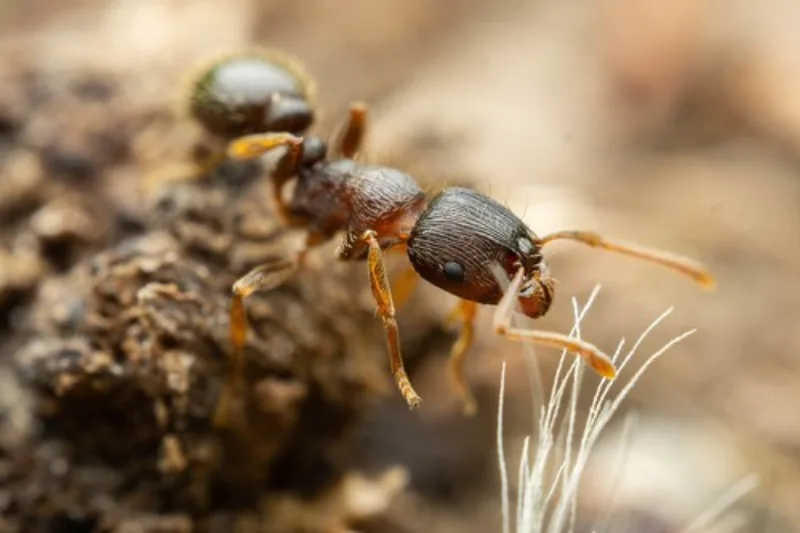
Quick ID Verdict: A few ants on the kitchen floor can mean very different things depending on the species. In the carpenter ant vs pavement ant matchup, the quick verdict comes down to size and shape. Carpenter ants are large (6-16 mm) black, red-and-black, or brown ants with a smoothly rounded thorax. Pavement ants are tiny (2.5-4 mm), dark brown to blackish, and have noticeably paler legs and antennae.
Carpenter Ant
Pavement Ant
Side-by-Side Comparison Table
| Trait | Carpenter Ant | Pavement Ant |
|---|---|---|
| Scientific Group | Camponotus | Tetramorium immigrans |
| Category | Insect | Insect |
| Typical Size | 6–16 mm | 2.5–4 mm |
| Danger Level | Structural | Nuisance |
| Bites or Stings? | Yes | No |
| Peak US Months | April, May, June, July | April, May, June, July |
| Key ID Trait | Large black, red-and-black, or brown ant with a smoothly rounded thorax profile | Small dark brown to blackish ant with paler legs and antennae |
Carpenter Ant vs. Pavement Ant: True Size Comparison
Side-by-Side Anatomy Blueprint
Compare body segments, antennae, leg count, and key markings directly before treating or removing either species.
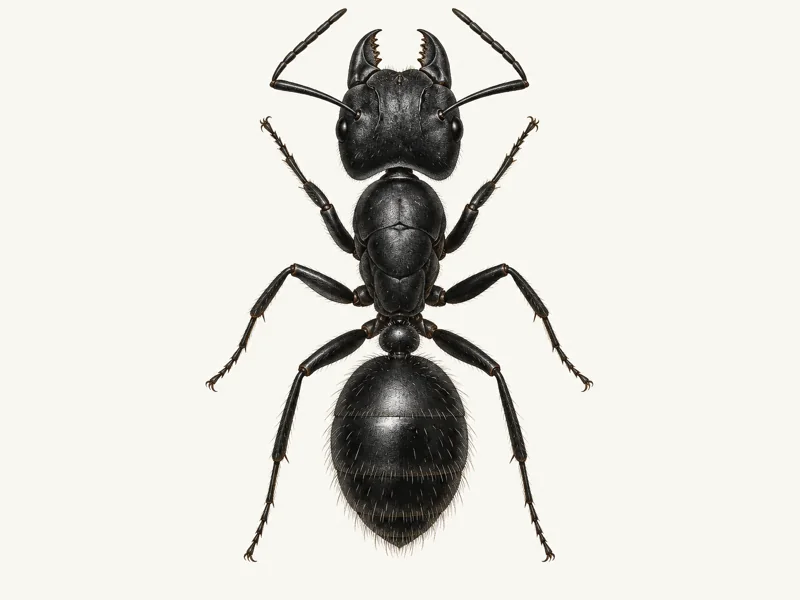
- Elbowed antennae: Sharply bent antennae on a broad heart-shaped black head (straight in termites).
- Rounded black thorax: Evenly arched wingless thorax without spines; workers vary widely in size (6–13 mm).
- Single waist node: EXACTLY ONE distinct small node (petiole) pinching the narrow waist.
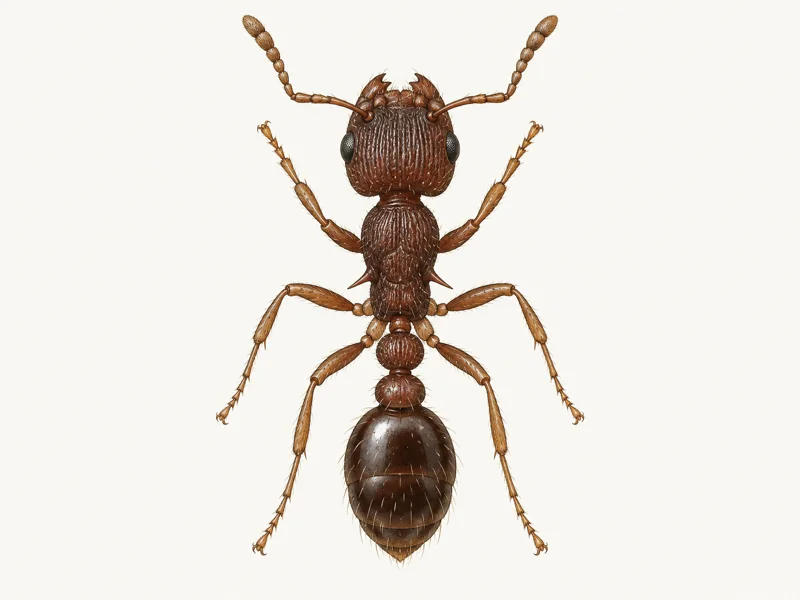
- Grooved dark head: Fine parallel lengthwise furrows cover the head and thorax under magnification.
- Tiny thorax spines: Pair of small backward-pointing spines sit at the rear edge of the thorax.
- Two waist nodes: Two distinct petiole nodes connect the dark brown thorax to the oval abdomen.
That difference matters because one ant is a nuisance and the other can threaten the structure of a home.
Carpenter Ant vs Pavement Ant Identification at a Glance
Most homeowners can settle the carpenter ant or pavement ant question without a microscope. A coin and a few seconds of observation usually do the job.
Size, Color, and Body Shape Differences
TraitCarpenter Ant (Camponotus)Pavement Ant (Tetramorium immigrans)Size6-16 mm2.5-4 mmColorBlack, red-and-black, or brownDark brown to blackish, with paler legs and antennaeThorax profileSmoothly rounded, evenly archedUneven, with fine grooves and a small pair of rear spinesWaistOne nodeTwo nodesDanger levelStructuralNuisanceThe thorax tells the story. Viewed from the side, a carpenter ant's back forms one smooth curve. A pavement ant's looks bumpy and ridged. And the size gap is large: a big carpenter ant worker can be four times longer than a pavement ant.
Nesting Habits and Signs of Activity
Carpenter ants don't eat wood. They tunnel through it, usually wood that has already been softened by moisture. The telltale sign is frass, which looks like coarse sawdust mixed with insect parts and is pushed out of small slits in trim, window frames, or wall voids. Some homeowners also hear faint rustling inside walls at night.
Pavement ants nest in soil under sidewalks, driveways, patios, and slab foundations. Look for small piles of displaced sand along cracks and expansion joints. Indoors, they often show up as tidy foraging trails leading to food, pet bowls, or grease near the stove.
Where and When Each Species Is Active in the US
Carpenter ants occur across the United States, with especially heavy pressure in the Northeast, the Great Lakes, and the Pacific Northwest, where moist, wooded settings are common. Workers forage mostly at dusk and overnight from spring through early fall. Winged swarmers emerging indoors in late winter or spring strongly suggest a nest inside the structure.
Pavement ants are an introduced species now established in much of the country. They're particularly common in urban and suburban areas of the Northeast, Midwest, and parts of California. Activity peaks in spring and summer, when colonies sometimes stage dramatic sidewalk "battles" with neighboring colonies. In heated buildings, they may forage indoors year-round.
How Much Damage Can Each Ant Cause?
This is the real difference between carpenter ant and pavement ant problems. Carpenter ant colonies hollow out galleries in damp or decaying wood, and a mature colony with satellite nests can weaken framing, sills, and joists over several years. The damage itself is usually slow, but it often points to a hidden moisture issue such as a roof leak, poor gutter drainage, or plumbing drips.
Pavement ants don't damage wood. Their impact is mainly contamination and annoyance as they wander across counters and into stored food. Heavy nesting can also undermine sand beneath pavers.
Carpenter ants can deliver a pinching bite, and pavement ants can sting, though both are rarely more than a minor nuisance to people. Anyone who has a strong reaction to a bite or sting should contact US Poison Control at 1-800-222-1222 or see a doctor promptly.
Safe IPM Strategies for Carpenter Ants and Pavement Ants
Integrated Pest Management (IPM) starts with removing what the ants need. Non-chemical steps come first for both species.
For carpenter ants:
- Fix leaks and replace water-damaged or rotting wood.
- Clean gutters and direct downspouts away from the foundation.
- Trim tree limbs and shrubs so they don't touch the roof or siding.
- Store firewood off the ground and away from the house.
For pavement ants:
- Wipe up crumbs, grease, and spills, and store food in sealed containers.
- Don't leave pet food out overnight.
- Caulk cracks in slabs, baseboards, and entry points.
- Repair gaps along sidewalks and patios where sand is accumulating.
If exclusion and sanitation aren't enough, slow-acting ant baits are generally preferred over sprays, since workers carry bait back to the colony. Always read and follow the EPA-registered product label exactly, including placement, pet, and child safety instructions.
When to Call a Pest Professional
A licensed pest professional is the right call when there's frass, swarmers indoors, or evidence of a carpenter ant nest inside walls. Carpenter ant colonies often have satellite nests that are hard to find, and professionals can inspect voids and assess moisture damage. For pavement ants, help is worth it when infestations keep returning even though good sanitation and sealing.
In short, a homeowner who spots large ants with a smooth, rounded back should act quickly, while small dark ants with pale legs mainly call for better housekeeping and sealing.
Frequently Asked Questions
What is the main difference between carpenter ants and pavement ants?
The key difference is size and danger. Carpenter ants are large (6-16 mm) with a smooth, rounded thorax and can damage wood structures, while pavement ants are tiny (2.5-4 mm), dark brown with paler legs, and are mainly a nuisance. Size alone can help identify them without tools.
How can I identify carpenter ants vs pavement ants by looking at them?
Compare size using a coin: carpenter ants are significantly larger and have a smooth, curved back. Pavement ants are much smaller with bumpy, ridged thorax and two waist nodes instead of one. Color alone isn't reliable, but carpenter ants often appear black or red-and-black.
What damage can carpenter ants cause to my home?
Carpenter ants tunnel through wood, creating hollow galleries that can weaken framing, sills, and joists over time. The presence of frass (sawdust-like debris) in trim or walls indicates damage. However, they don't eat wood—they prefer moisture-damaged or already softened wood, often signaling hidden water problems.
What signs indicate a pavement ant infestation?
Look for small piles of displaced sand along sidewalk cracks and expansion joints outdoors. Indoors, notice tidy foraging trails leading to food sources, pet bowls, or grease spots. Pavement ants don't damage wood, but heavy nesting can undermine sand beneath pavers and contaminate food.
What integrated pest management steps should I take for carpenter ants?
Start by fixing leaks and replacing water-damaged wood. Clean gutters, direct downspouts away from foundations, trim tree limbs from roofs, and store firewood away from the house. These non-chemical steps eliminate conditions carpenter ants need; use slow-acting baits if problems persist.
When should I call a pest professional for ant problems?
Contact a professional if you find frass, see winged swarmers indoors, or suspect a carpenter ant nest inside walls. Professionals can locate hard-to-find satellite nests and assess moisture damage. For pavement ants, professional help is warranted when infestations persist despite good sanitation and sealing.